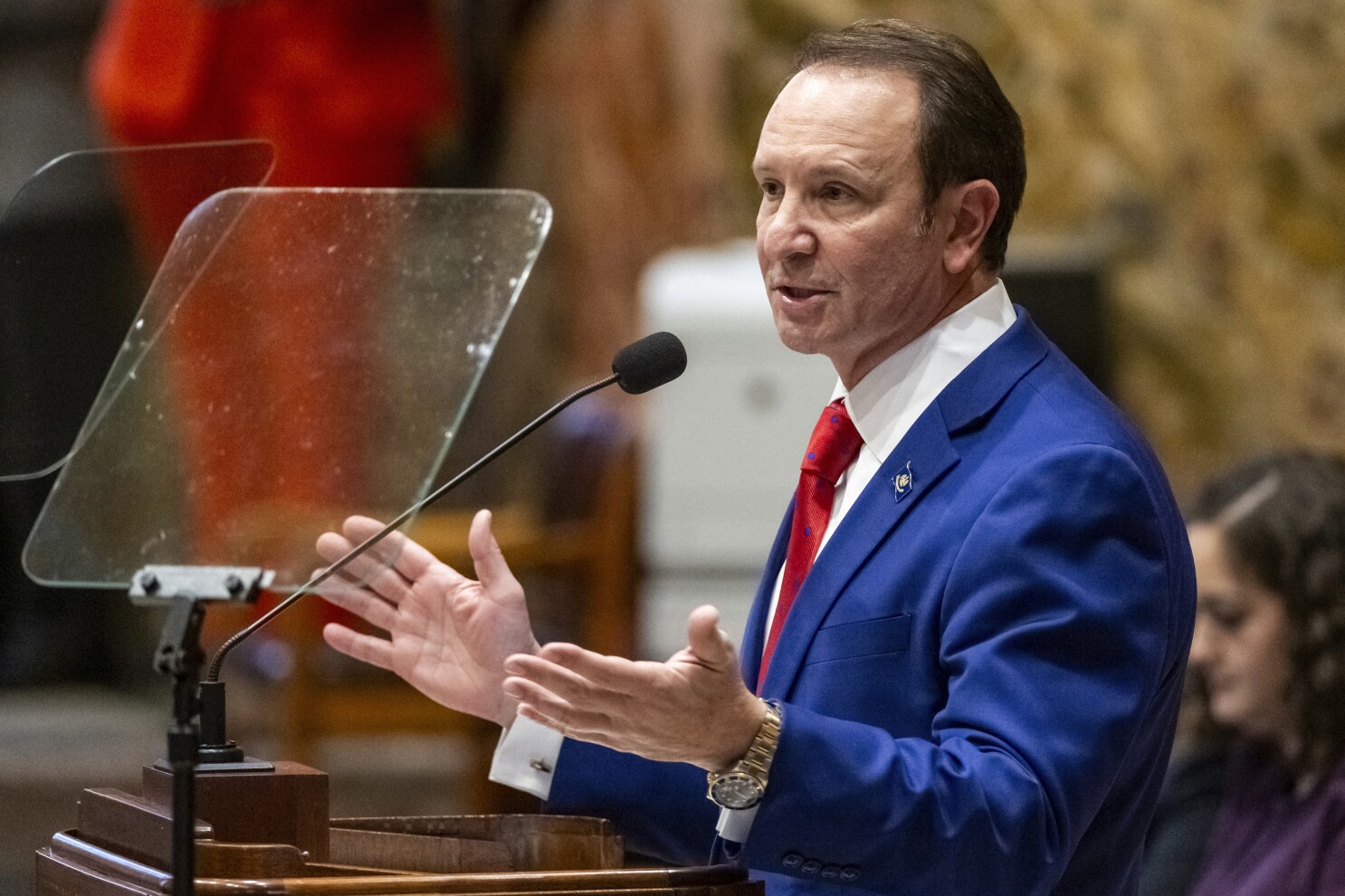
In a major political setback for Republican Governor Jeff Landry, Louisiana voters overwhelmingly rejected four constitutional amendments he had strongly supported. Preliminary results from the secretary of state’s office revealed that each proposal was defeated by margins exceeding 60%. These amendments, which focused on areas such as crime policy, court restructuring, and tax reform, were part of Landry’s broader agenda for overhauling the state’s governance and financial systems.
Tax Reform Amendment Draws Bipartisan Opposition Over Transparency, Education, and Religious Property Concerns
The most sweeping amendment proposed changes to the state’s revenue and finance framework, claiming to reduce wasteful spending and increase teacher pay. Despite receiving bipartisan legislative backing during a special tax reform session in November, the measure faced intense public scrutiny. Critics from across the political spectrum argued that the amendment, which spanned more than 100 pages but was reduced to a 91-word summary for voters, lacked clarity and transparency.
Louisiana Voters Reject Governor Landry’s Amendments in Bipartisan Rebuke of Crime and Tax Reforms
Though some major teachers’ unions supported the finance amendment, it was opposed by a coalition of liberal advocacy organizations and conservative religious leaders. Detractors were especially concerned about provisions that could have dissolved educational trust funds and removed constitutional protections for tax exemptions enjoyed by some religious properties. This unusual alliance helped galvanize widespread opposition across party lines.
Juvenile Crime, Court Power, and Political Blame Dominate Defeated Amendments Debate
Another rejected amendment aimed to expand the list of crimes for which juveniles could be tried as adults, sparking strong resistance from criminal justice reform advocates. These groups argued that harsher sentencing wouldn’t address the root causes of youth crime and could worsen the problem.
Two additional amendments, which would have permitted the establishment of regional specialty courts and altered the election timeline for the state Supreme Court, also failed amid concerns about undermining local judicial authority and election integrity.
In the aftermath, Governor Landry expressed disappointment but pledged to continue pursuing what he called “generational changes” for Louisiana. He dismissed the outcome as a temporary hurdle, blaming far-left activists and philanthropist George Soros for the campaign against the amendments.
Meanwhile, the Louisiana Democratic Party celebrated the results, calling them a “resounding defeat” for Landry’s policies. They characterized the amendments as attempts to benefit the wealthy and criminalize youth, contrary to the values held by most Louisianans.