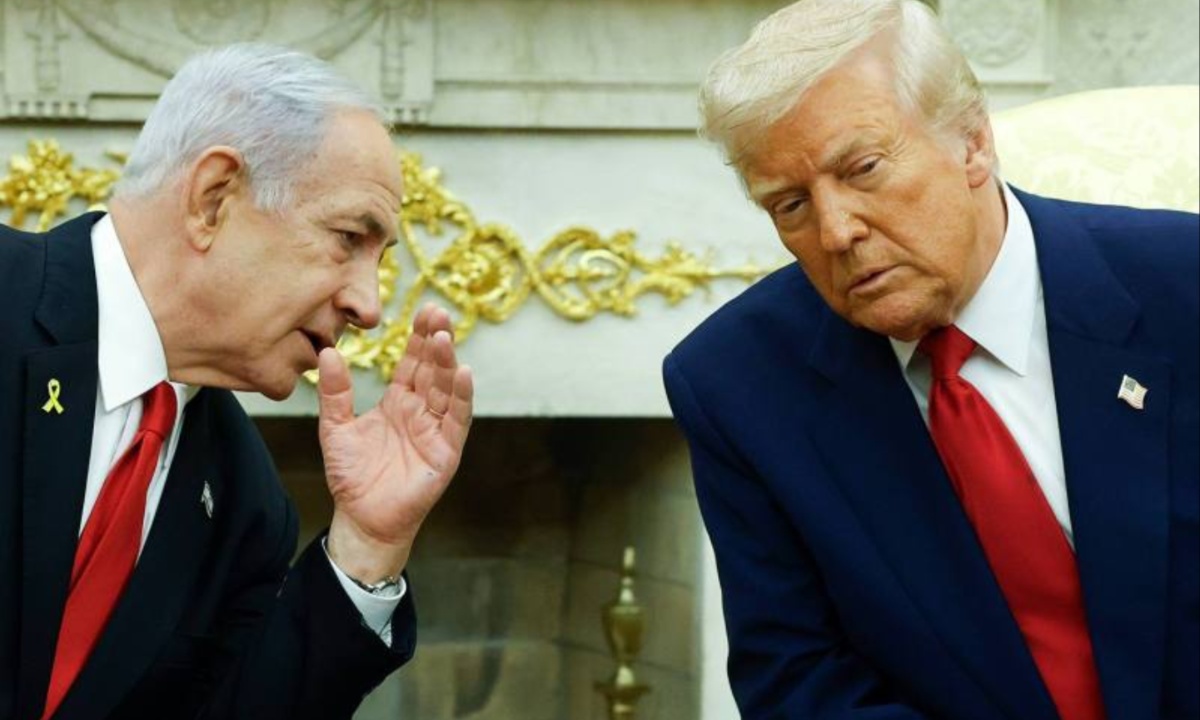
President Donald Trump announced that the United States would engage in direct negotiations with Iran regarding its nuclear program, set to begin on Saturday. During a press briefing with Israeli Prime Minister Benjamin Netanyahu, Trump emphasized the importance of preventing Iran from obtaining nuclear weapons.
Trump suggested that reaching an agreement through diplomacy would be preferable, but warned of significant consequences for Iran if talks failed. He stated that Iran would face “great danger” if negotiations do not result in the cessation of its nuclear weapons program.
Trump’s remarks implied that military action against Iran could be a possibility if negotiations falter. He warned that the consequences for Iran would be severe if talks were unsuccessful, leaving open the threat of military intervention.
His comments were framed as a warning to Tehran, emphasizing that the U.S. would take decisive action if necessary. The president’s statements suggested that a military strike could be on the table, though he did not specify the details of what action might be taken.
Iran Rejects Trump’s Direct Talks, While U.S. Pushes for Stronger Nuclear Deal Terms
Iran has previously rejected Trump’s calls for direct talks. Last month, Iranian President Masoud Pezeshkian stated that while Tehran was not willing to engage in direct negotiations with the U.S., there was still a possibility for indirect talks.
Trump, however, has repeatedly pressured Iran to abandon its nuclear ambitions, linking their nuclear program to broader regional issues. He has consistently warned that if diplomacy fails, the U.S. would take a much harsher approach, including the possibility of military strikes.
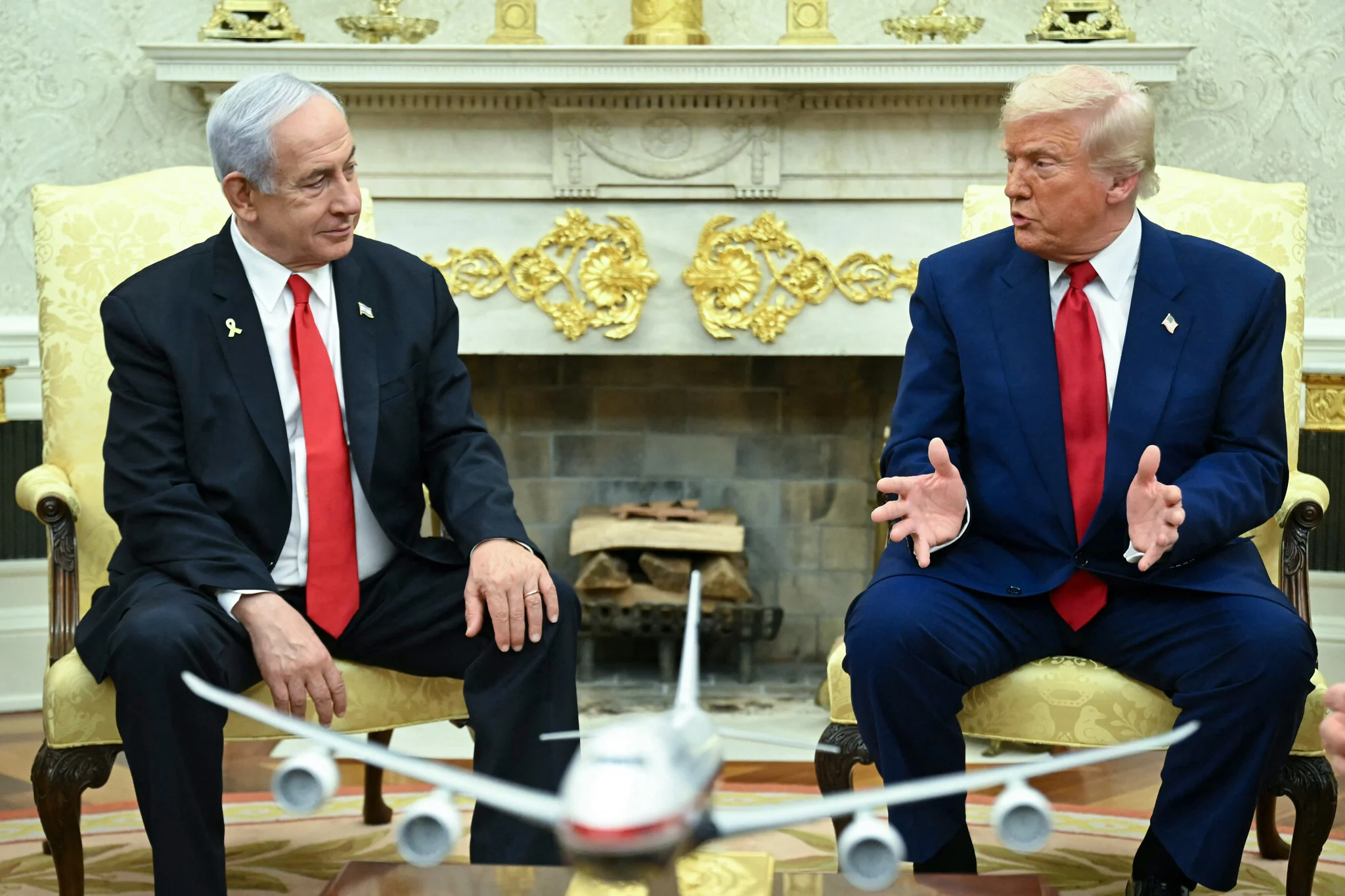
Trump Warns Iran Ahead of Nuclear Talks as Military Threat Looms and Netanyahu Voices Support
Trump’s stance on Iran’s nuclear program marks a significant shift from the Obama-era nuclear deal, which he withdrew the U.S. from during his first term. This agreement, which involved several world powers, including Britain, China, and Russia, lifted sanctions on Iran in exchange for limits on its nuclear activities.
Trump’s comments on a potential new deal suggest that any future agreement would likely differ significantly from the 2015 deal, with stronger terms to address Iran’s nuclear ambitions more effectively.
Netanyahu Supports Trump’s Iran Nuclear Diplomacy While Addressing Middle East Tensions and Trade
Israeli Prime Minister Netanyahu expressed his support for Trump’s diplomatic initiative to resolve the nuclear issue with Iran. Netanyahu, known for his hardline stance on Iran, reiterated that Israel shares the same goal as the U.S. in preventing Iran from acquiring nuclear weapons.
He also suggested that a deal similar to Libya’s 2003 disarmament agreement could be a favorable outcome, though he remained cautious, stressing that Israel’s security would remain a top priority in any negotiations.
During Netanyahu’s visit to Washington, the two leaders also addressed broader issues in the Middle East, including tensions with Iran and the Israel-Hamas conflict. Trump and Netanyahu discussed the trade deficit between the U.S. and Israel, with Netanyahu committing to reducing it.
Additionally, the U.S. president aims to use trade talks as leverage to pressure Israel into taking diplomatic steps regarding the Gaza conflict. Trump’s goal is to reinforce ties with Israel while managing regional tensions and advancing his broader strategy to counter Iran’s influence in the region.