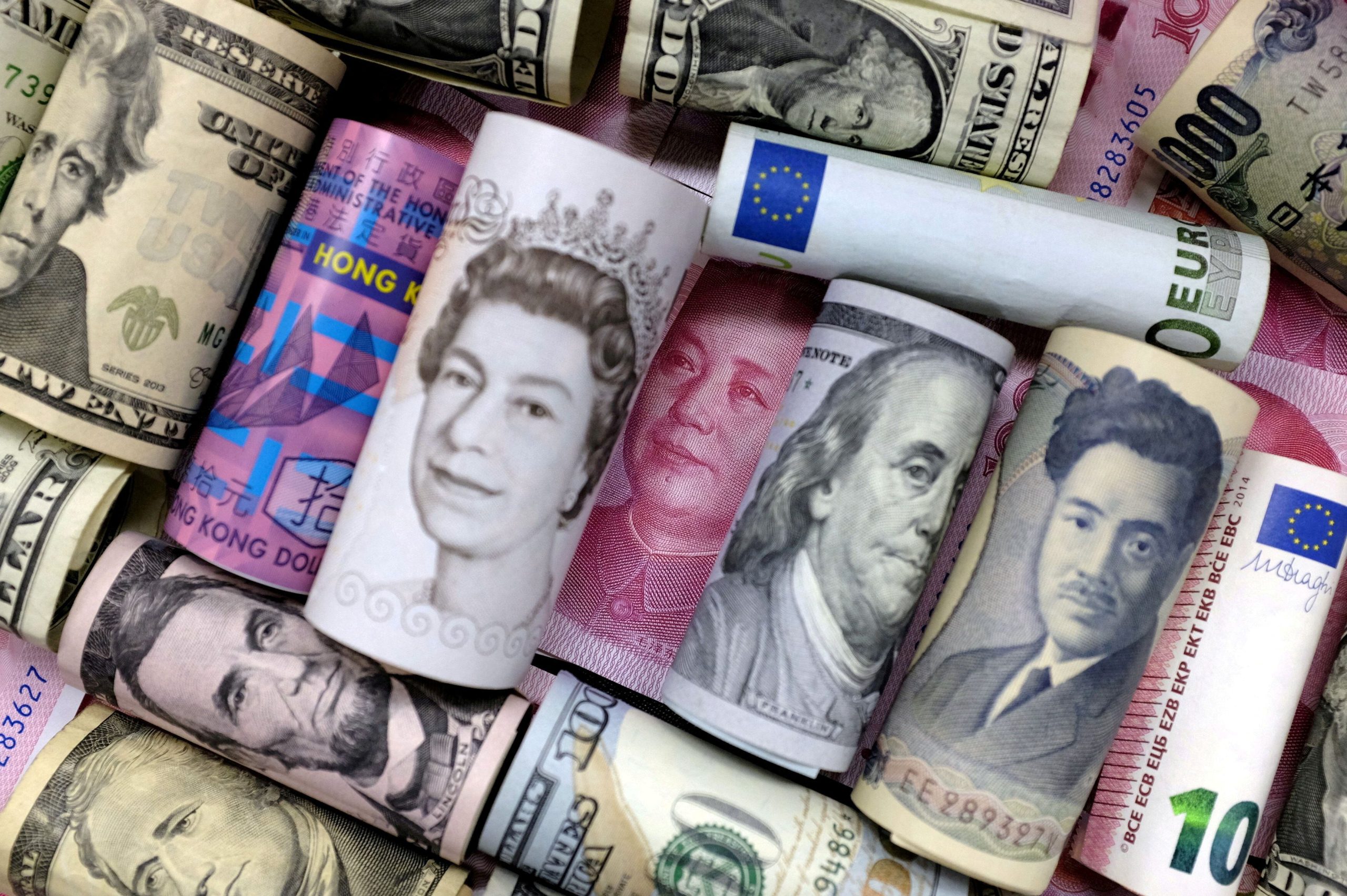
The US dollar index (DXY) ended Thursday marginally higher, up by 0.01%, supported by positive sentiment around trade negotiations and labor market strength. President Trump’s optimistic remarks about “big progress” in trade talks with Japan and the EU provided a lift, alongside a surprising drop in weekly jobless claims to a two-month low of 215,000.
New York Fed President Williams added confidence by asserting the economy is in a “very good place.” However, these gains were limited by weaker-than-expected housing starts and a sharp drop in the Philadelphia Fed’s business outlook survey, while strong equity markets reduced demand for the dollar as a safe-haven.
Mixed US Economic Data, ECB Rate Cut Weigh on Euro and Business Sentiment
US housing data presented a mixed picture, with March housing starts falling by a significant 11.4% to 1.324 million, missing expectations. On the upside, building permits, an indicator of future construction activity, rose by 1.6%—defying predictions of a decline.
Additionally, the Philadelphia Fed survey dropped drastically by 38.9 points to -26.4, the lowest in two years, reflecting a more pessimistic business outlook. Despite this, the labor market remained resilient, as evidenced by the better-than-expected jobless claims.
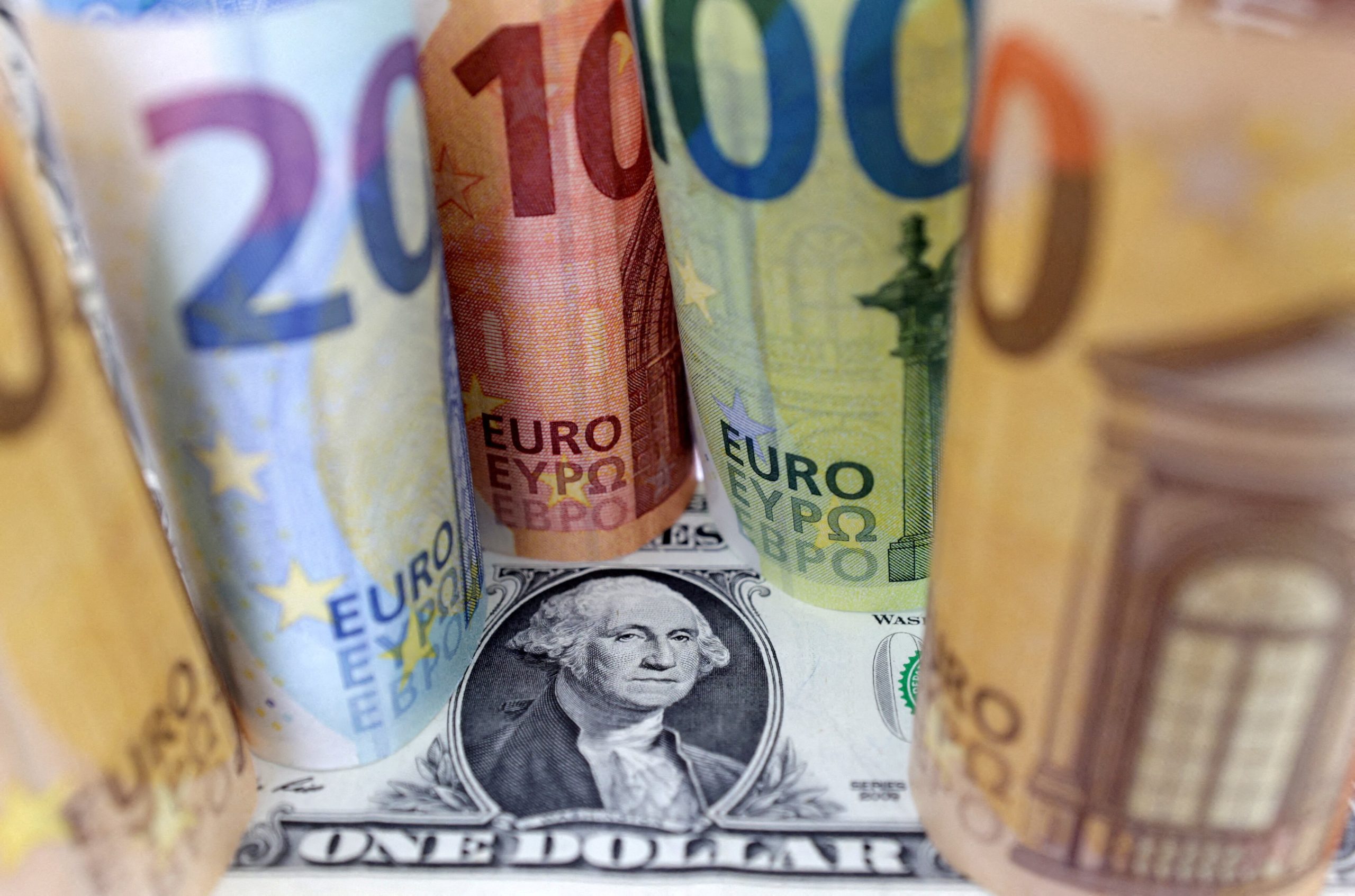
Dollar Edges Up on Trade Optimism and Strong Jobs Data as Euro Falls After ECB Rate Cut
The euro dropped by 0.22% following the European Central Bank’s decision to cut interest rates by 25 basis points and drop the term “restrictive” from its monetary policy description.
The move was accompanied by a dovish tone from ECB President Lagarde, who acknowledged increased downside risks to growth and softening inflation indicators, such as the unexpected 0.2% year-over-year decline in German producer prices. The ECB’s stance fueled market expectations for another rate cut in June, with swaps pricing in a 92% probability.
Yen Slips, Precious Metals Decline Amid Trade Optimism and Hawkish Fed Outlook
The Japanese yen lost ground, with USD/JPY rising by 0.36%, as safe-haven demand for the yen eased following US-Japan trade progress. Japan’s chief trade negotiator reassured markets that currency issues were not part of the discussions, calming fears of US pressure for a stronger yen. Additionally, dovish remarks from BOJ Governor Ueda—suggesting a cautious stance on future rate hikes due to global uncertainties—further weighed on the currency. Weak Japanese trade data added to the yen’s decline.
Gold and silver prices fell on Thursday, with June gold dropping by $18 and May silver by $0.51. The retreat from record highs was driven by reduced safe-haven demand amid optimism over trade negotiations and a stronger dollar. Fed official Williams’ hawkish comments about maintaining current interest rates also pressured metals.
Nonetheless, downside was limited by the ECB rate cut, increased geopolitical tensions in the Middle East, and strong ETF demand, with gold holdings hitting a 1.5-year high—highlighting ongoing investor interest in precious metals amid global uncertainty.