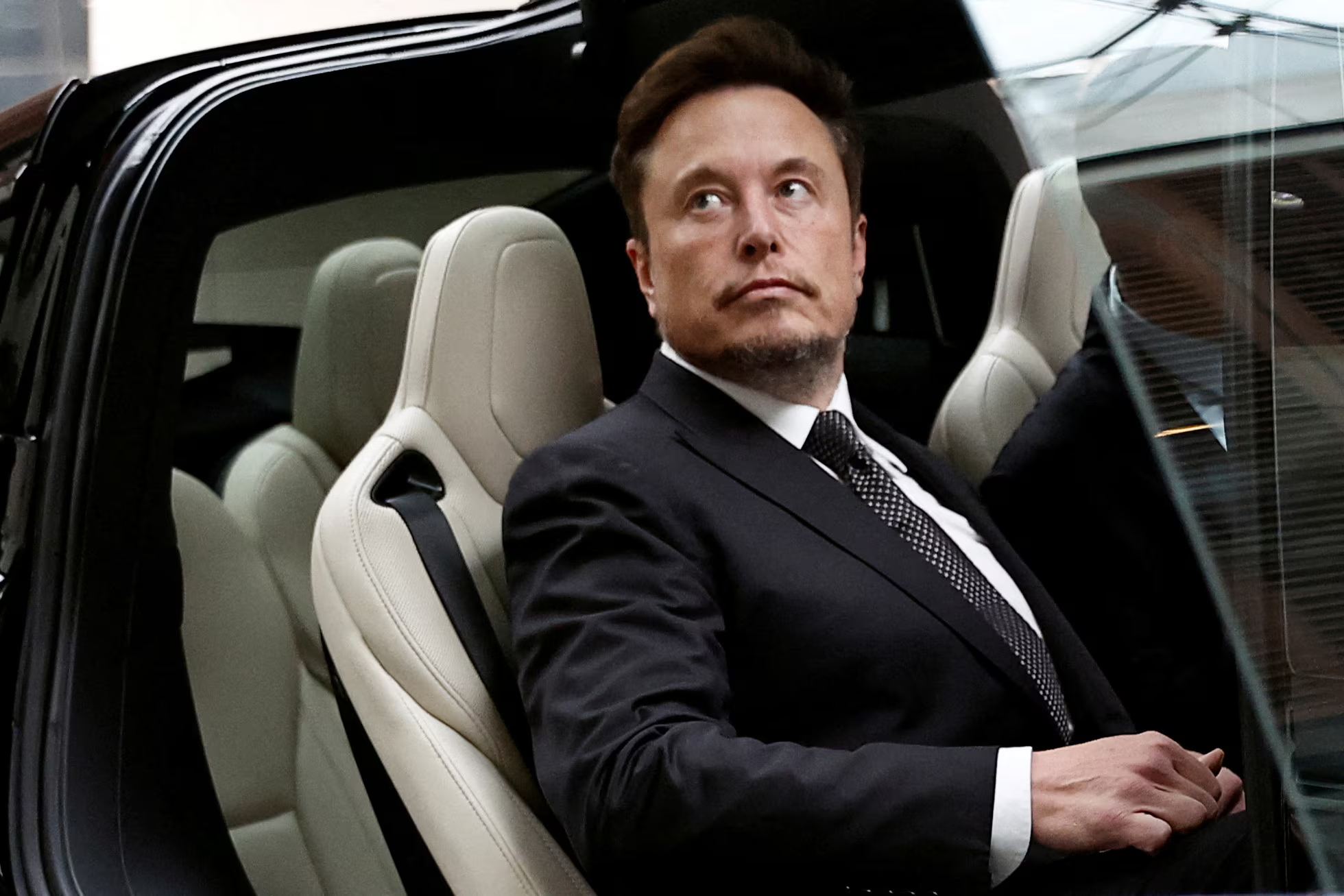
Elon Musk has been compelled by a California judge to release private emails in connection to a lawsuit accusing Tesla of misleading consumers about its Autopilot and Full Self-Driving features. This decision is part of ongoing litigation questioning whether the company falsely advertised these driver-assistance systems, possibly misleading the public into overestimating the safety and capability of Tesla vehicles.
Court Rejects Limits, Orders Musk to Share Emails in Tesla Autopilot Lawsuit
The case, filed by plaintiff Briggs A. Matsko in 2022, claims Tesla exaggerated the functionality of its self-driving technology to attract buyers and investors. Matsko, who paid a $5,000 premium for Enhanced Autopilot in his 2018 Tesla Model X, alleges that Tesla’s advertised claims were far from the real-world performance of the vehicles. He and other plaintiffs argue the systems failed to deliver on promises, citing safety concerns such as erratic behavior in traffic and improper navigation.
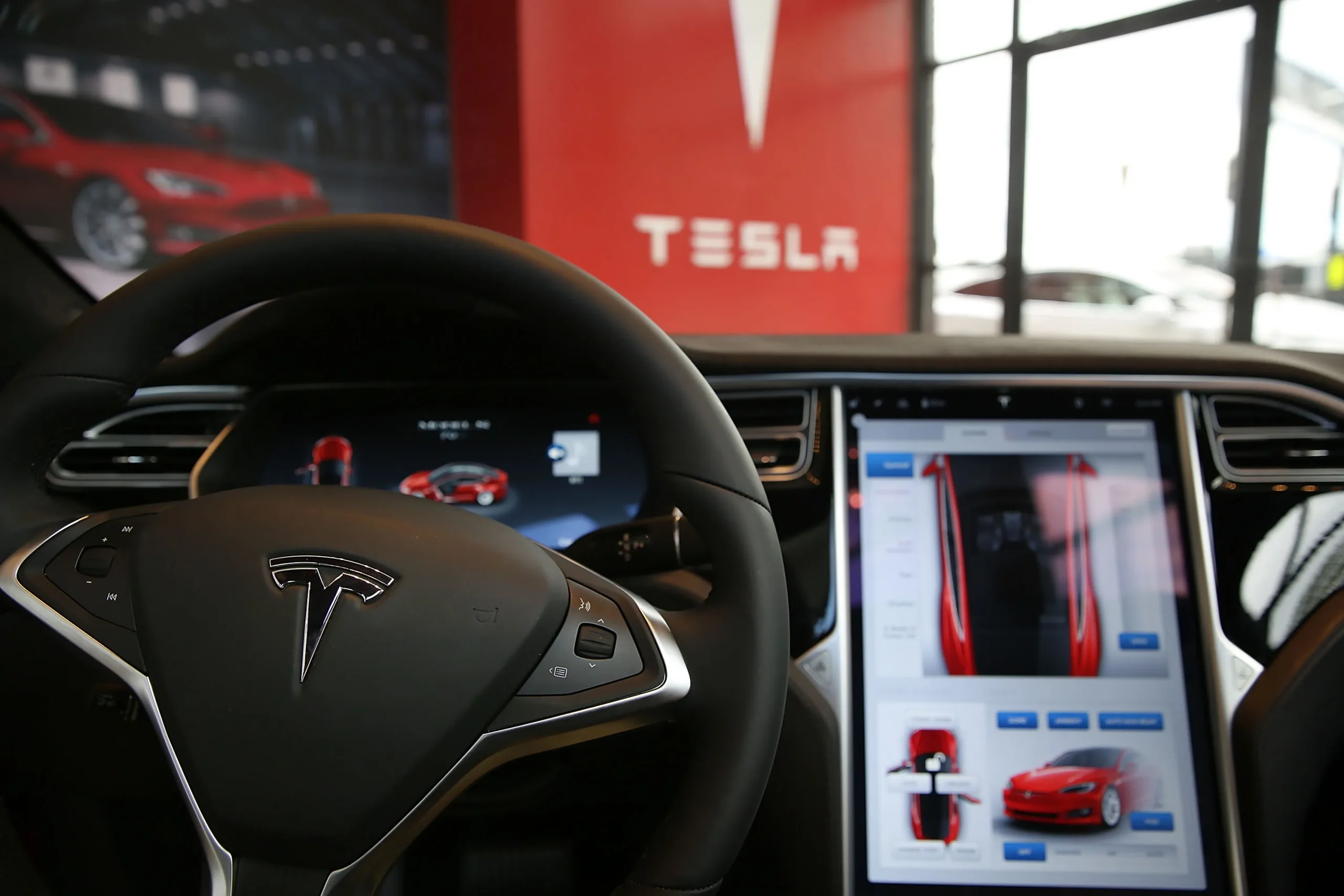
Judge Orders Elon Musk to Disclose Emails in Tesla Autopilot Misrepresentation Lawsuit
On April 18, the court rejected Tesla’s suggestion to limit discovery to five internal custodians, deeming it insufficient. Instead, the court ordered that Musk himself serve as a custodian in the case, requiring him to produce relevant emails and communications. The court emphasized that Musk’s direct role in public statements about Tesla’s technology makes his communications critical evidence in assessing whether the company knowingly misled consumers.
Lawsuit Claims Tesla Misled Public on Self-Driving Capabilities and Software Safety Risks
According to court documents, the lawsuit argues that Tesla promoted incomplete and potentially hazardous features as more capable than they actually were. The suit claims Musk made misleading public statements about the imminent arrival of fully autonomous vehicles, which did not materialize. Additionally, Tesla’s frequent software updates are described as experimental, effectively turning customers into beta testers without proper training or oversight.
Tesla has not issued a public response to the court’s ruling. However, Musk will now be required to provide his communications as part of the discovery process. The case continues in federal court in San Francisco, where the outcome could have significant implications for Tesla’s business practices, marketing standards, and the regulation of emerging self-driving technologies.