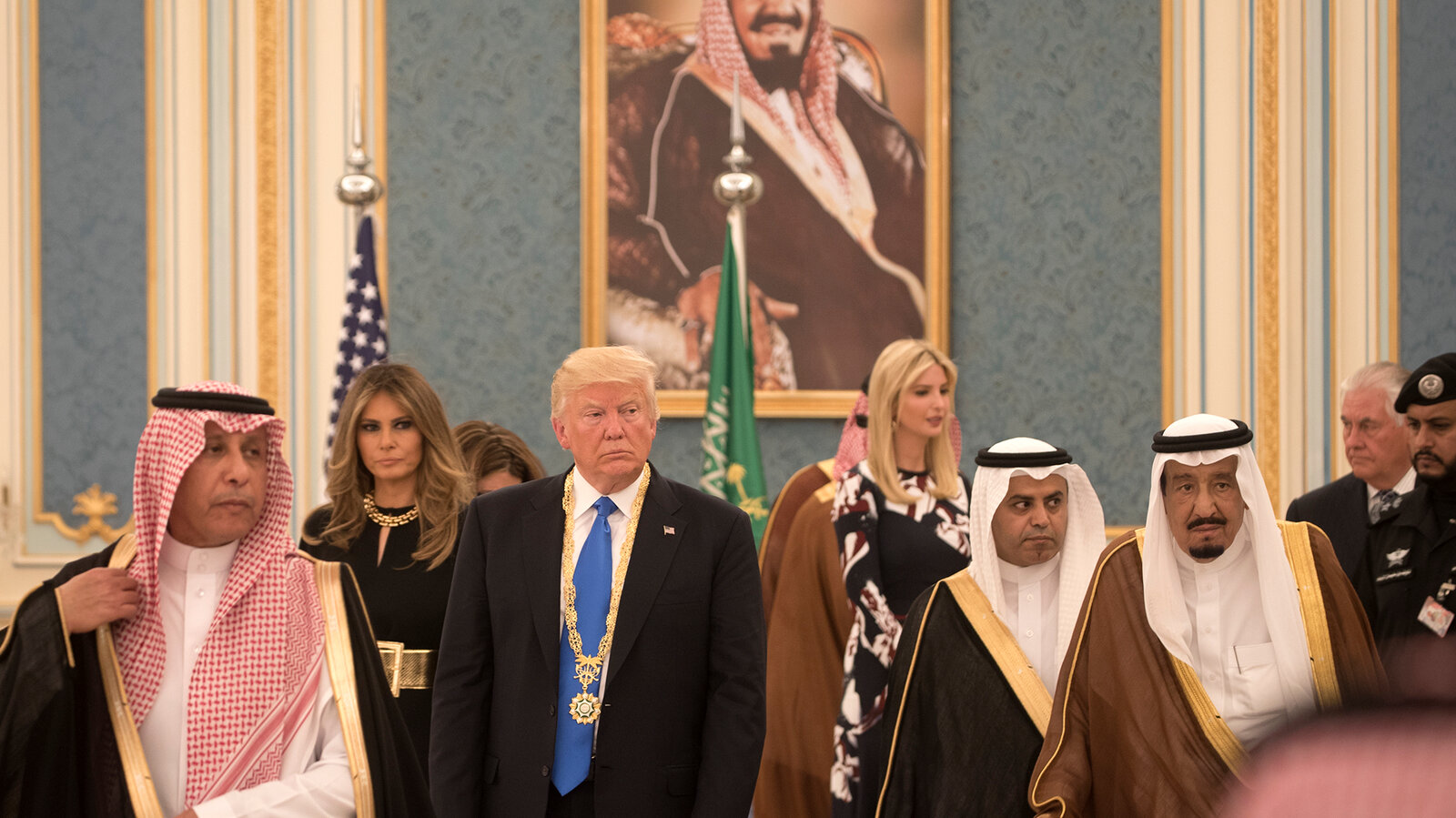
President Trump is set to meet with leaders from Saudi Arabia, the UAE, and Qatar on May 14, 2025, in a high-profile Middle East summit. Notably excluded from the summit is Israeli Prime Minister Benjamin Netanyahu, despite early optimism from Israel’s right-wing leadership about Trump’s presidency.
While the U.S. remains Israel’s key ally, recent moves by Trump indicate a shift in Middle East policy that may conflict with Israeli interests.
Although Israel maintains strong ties with the U.S., Trump’s approach in his second term has increasingly diverged from Netanyahu’s agenda. Particularly concerning to Israeli leaders are rumors that the U.S. might unilaterally support Palestinian statehood and Trump’s pivot toward diplomacy with Iran—two developments that stand in contrast to Netanyahu’s long-standing positions.
Trump Advances Gulf Diplomacy And Iran Talks While Israel Faces Growing Regional Isolation
Trump’s four-day visit to the Gulf is officially framed around enhancing security and economic relationships. Massive arms deals, investment promises, and symbolic gifts like a potential Qatari-donated 747 are on the table. This economic diplomacy extends the legacy of Trump’s earlier Abraham Accords, reinforcing ties between Gulf states and Israel, though this time, Israel is not central to the discussions.
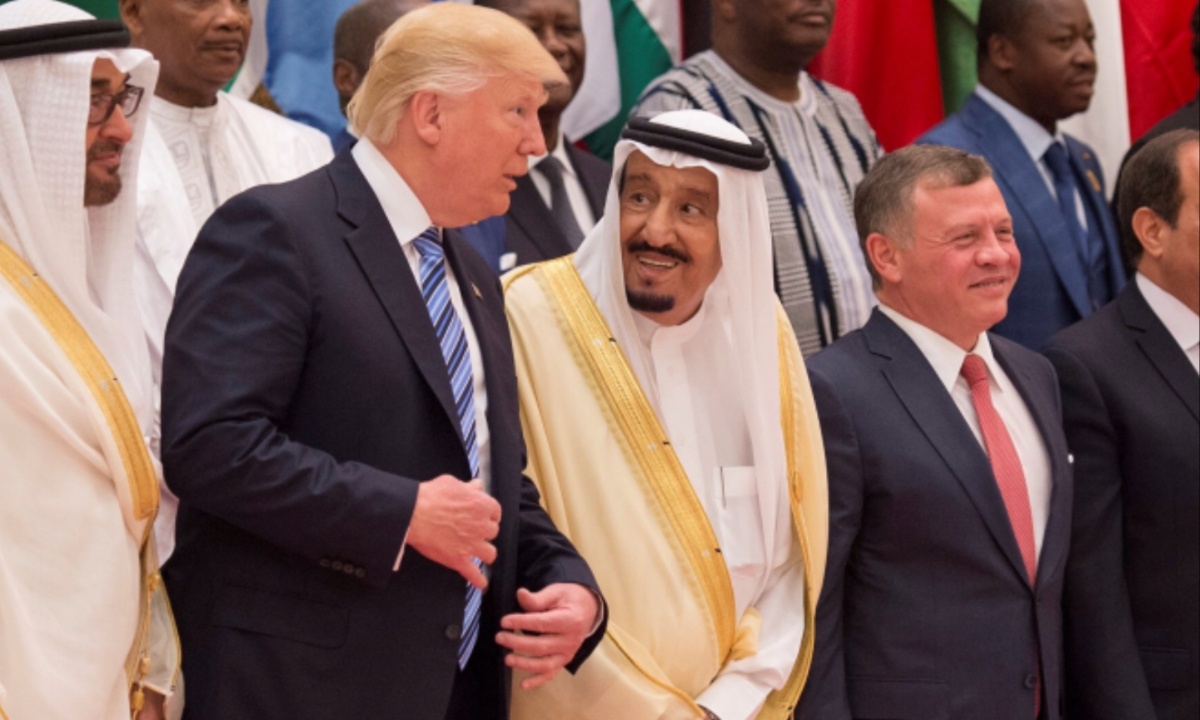
Trump Courts Gulf Allies in Shift Toward Iran Diplomacy as Israel Faces Strategic Isolation
A key friction point between Trump and Netanyahu is the resumption of nuclear negotiations with Iran. Trump, reversing his 2018 withdrawal, now backs diplomatic talks with Tehran. This stance undermines Netanyahu, who has made opposing a nuclear-capable Iran a core part of his political identity. Gulf states, once critical of Iran talks, now seem more open to diplomatic engagement, further isolating Israel’s hawkish approach.
Trump Prioritizes Diplomacy And Stability While Netanyahu Escalates Conflict For Political Survival
Recent clashes involving the Houthis underscore the policy gap between the U.S. and Israel. Following a Houthi missile attack on Tel Aviv, Israel launched retaliatory strikes, only for Trump to announce shortly after that the U.S. would halt military action in Yemen. His apparent backchannel with the Houthis, likely tied to broader Iran diplomacy, excluded Israeli input and revealed a divergent strategic path.
Netanyahu’s resistance to ceasefire efforts in Gaza is widely seen as driven by domestic political survival. Critics argue that he favors ongoing conflict to maintain support from his far-right coalition, many of whom support full control of Gaza and annexation of the West Bank. The breakdown of previous ceasefire negotiations and preparation for renewed military offensives highlight Netanyahu’s de-escalation reluctance.
Trump’s strategic pivot appears to prioritize regional stability as a means to unlock Gulf investments and secure American economic gains. Whether motivated by geopolitical calculation or self-interest, the emphasis on diplomacy with Iran and de-escalation in Yemen contradicts Netanyahu’s hardline approach. As Trump pursues trade, arms deals, and stability, Israel increasingly finds itself out of sync with Washington’s evolving regional priorities.