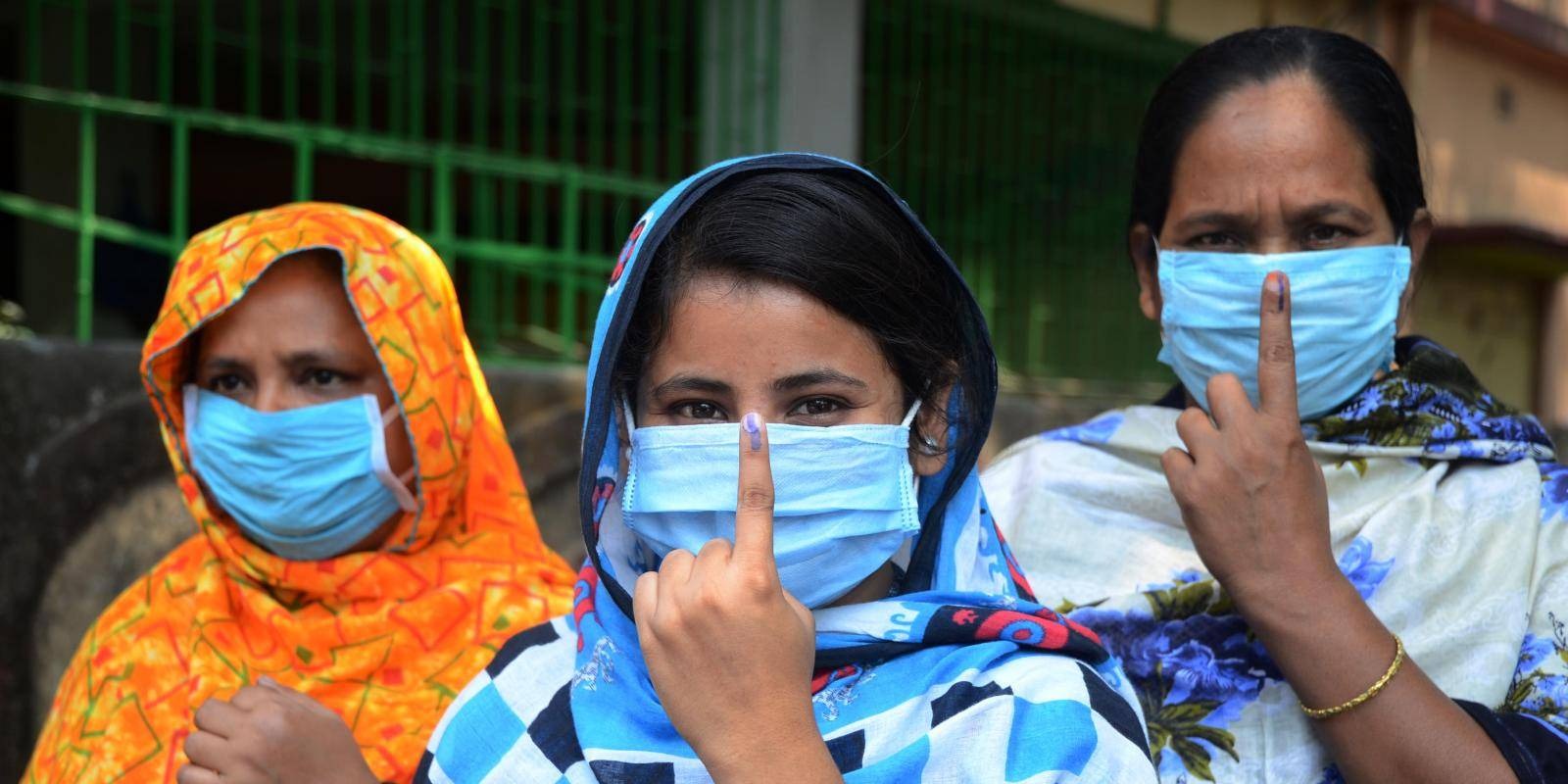
Democratic governance takes different forms depending on a country’s history, culture, population size and constitutional foundation. One of the most intriguing examples of this political model is found in South Asia, where a country with over a billion people continues to practise democracy through a structure both vast and deeply layered. What sets it apart is not just its sheer size or age, but the way it merges centuries-old traditions with modern democratic procedures.
This system thrives in a land marked by religious diversity, linguistic variety and economic disparity. It is not merely about periodic elections, but about the everyday reality of citizen engagement, the endurance of federalism and the persistence of institutional independence.
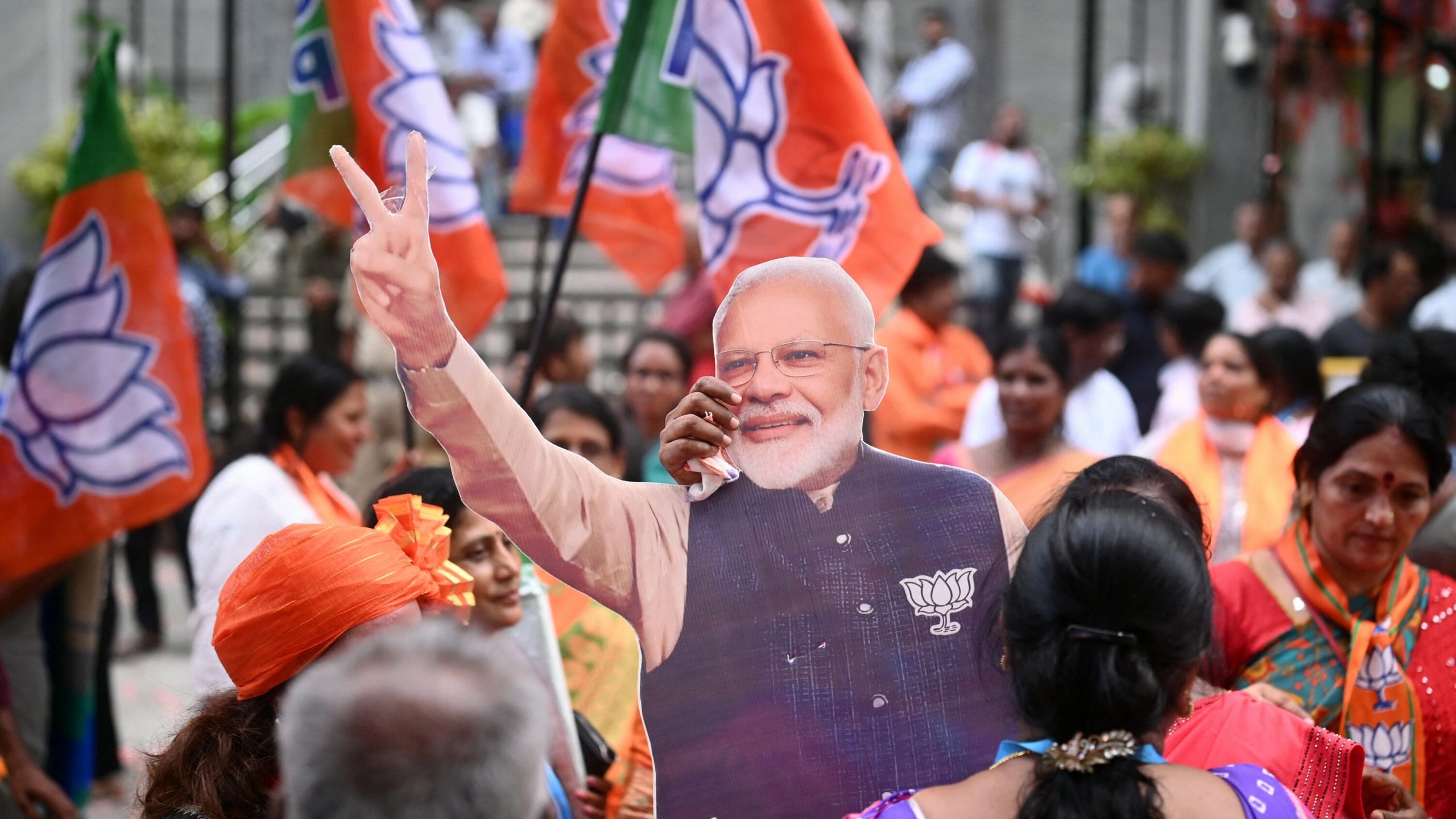
Tradition and technology meet in the world’s largest democracy (Photo: Getty Images)
Despite several social and political challenges, it continues to function through a framework built on free expression, adult suffrage, and multi-tiered representation. From remote villages to dense urban hubs, the people retain their right to vote, speak and participate.
Several elements contribute to this democratic structure’s uniqueness. These include the Constitution’s role, the conduct of elections, federal arrangements, the judiciary’s autonomy, and the media’s influence. By taking a closer look at these characteristics, one can better understand why this democratic arrangement continues to stand tall.
Foundational Strength of the Constitution
At the heart of this democratic framework lies a Constitution adopted in 1950. This document does not merely provide a list of laws but presents a vision of justice, liberty, equality and fraternity.
It sets out how power is shared among the executive, legislature and judiciary. It also specifies how governance should function at both the central and regional levels.
One feature that gives this Constitution its distinctive strength is its flexibility. While some parts require a rigorous amendment process, others can be modified more easily to respond to social or political changes.
This blend of rigidity and adaptability has helped ensure both stability and responsiveness. The document also includes a comprehensive list of fundamental rights and directive principles, forming a balance between citizen freedom and state responsibility.
The Constitution clearly defines the roles and responsibilities of the central government and the states. This clear demarcation prevents concentration of power and supports decentralisation. It acknowledges cultural plurality while holding on to national unity.
Election Process and Voter Inclusion
One of the strongest signs of this democratic model’s success is its election system. Elections are conducted by an independent Election Commission, which has gained a reputation for impartiality and transparency.
Holding nationwide elections involving hundreds of millions of voters is no small feat, yet the process remains largely smooth, thanks to electronic voting machines, wide-scale deployment of security personnel, and public awareness initiatives.
What makes the electoral process remarkable is the inclusivity it upholds. Every adult citizen has the right to vote, regardless of literacy, income, caste, or gender. The introduction of reserved seats for Scheduled Castes and Scheduled Tribes in Parliament and state legislatures also ensures that historically marginalised communities have a voice.
Even in rural and tribal regions where infrastructure is limited, polling booths are set up so that no voter is left out. The commitment to make every vote count reinforces public trust and gives people a direct line of influence over leadership at local, state and national levels.
Federalism That Embraces Diversity
The federal system in place allows each state to maintain its own identity while participating in the national structure. Given the country’s size and diversity, a unitary system would likely have proven unsustainable.
The Constitution recognises this and permits states to pass laws on matters such as agriculture, police and health, while the central government handles defence, foreign affairs and currency.
This balance ensures that different regions can maintain their cultural, linguistic and administrative preferences without challenging national cohesion. For example, state governments have the power to select their own official language in governance, alongside Hindi and English at the central level.
Federalism has not been without friction, especially when states are governed by opposition parties. However, the system’s capacity to hold together such vast differences speaks to its resilience.
Inter-state disputes do arise, particularly over resources like water and land, but institutions like the Inter-State Council and the judiciary help resolve such issues through constitutional mechanisms.
Judiciary and Legal Independence
A critical feature of this democratic experience is the independence of the judiciary. The Supreme Court, along with High Courts and subordinate courts, functions as a guardian of constitutional rights. Through judicial review, these courts can strike down laws or executive actions deemed unconstitutional.
This autonomy is protected through security of tenure for judges, fixed salaries that cannot be altered to their disadvantage, and a clear separation from the other two branches of government. The judiciary also hears public interest litigations, which allow ordinary citizens or civil groups to seek justice for those unable to access legal channels.
Over the decades, the courts have expanded rights related to privacy, gender equality, environmental protection and education. Their interpretations have helped shape not just the law but also public policy.
While there have been moments of criticism and concern, particularly about judicial appointments and delays, the judiciary remains a pillar of trust for many.
Active Role of Free Media
The media acts as an unofficial arm of accountability, often referred to as the fourth pillar of democracy. A free press is essential for informing citizens, criticising leadership, and amplifying public concerns. Print newspapers, television channels, and increasingly, digital platforms all play a part in the daily function of democratic life.
While government interference and corporate pressure have sometimes raised alarm, the diversity of viewpoints available across platforms keeps public discourse vibrant.
Journalists regularly cover corruption, social injustice, and government missteps, drawing both praise and backlash. The presence of regional language media also means that people in various parts of the country receive news relevant to their context.
Media trials and sensationalism have posed challenges, especially when coverage prejudices legal proceedings or fuels misinformation. Yet, even with these concerns, media remains an essential space for public opinion and debate.
Peaceful Power Transitions and Political Multiplicity
Another feature that makes this democracy distinct is the peaceful transition of power between rival parties through regular elections. This reflects the maturity of its democratic tradition.
Over the years, there have been coalition governments, minority administrations, and even single-party rule, but the constitutional framework has absorbed these without descending into chaos.
There is no dominant party that permanently controls national politics. Regional parties play a remarkable role, and coalition arrangements often become necessary. This ensures a check on centralised control and encourages consensus-based governance.
While election campaigns have become more aggressive and sometimes divisive, the fact that leadership can change without violence or collapse shows the depth of institutional faith. Citizens expect leaders to deliver, and if disappointed, they vote them out without hesitation.
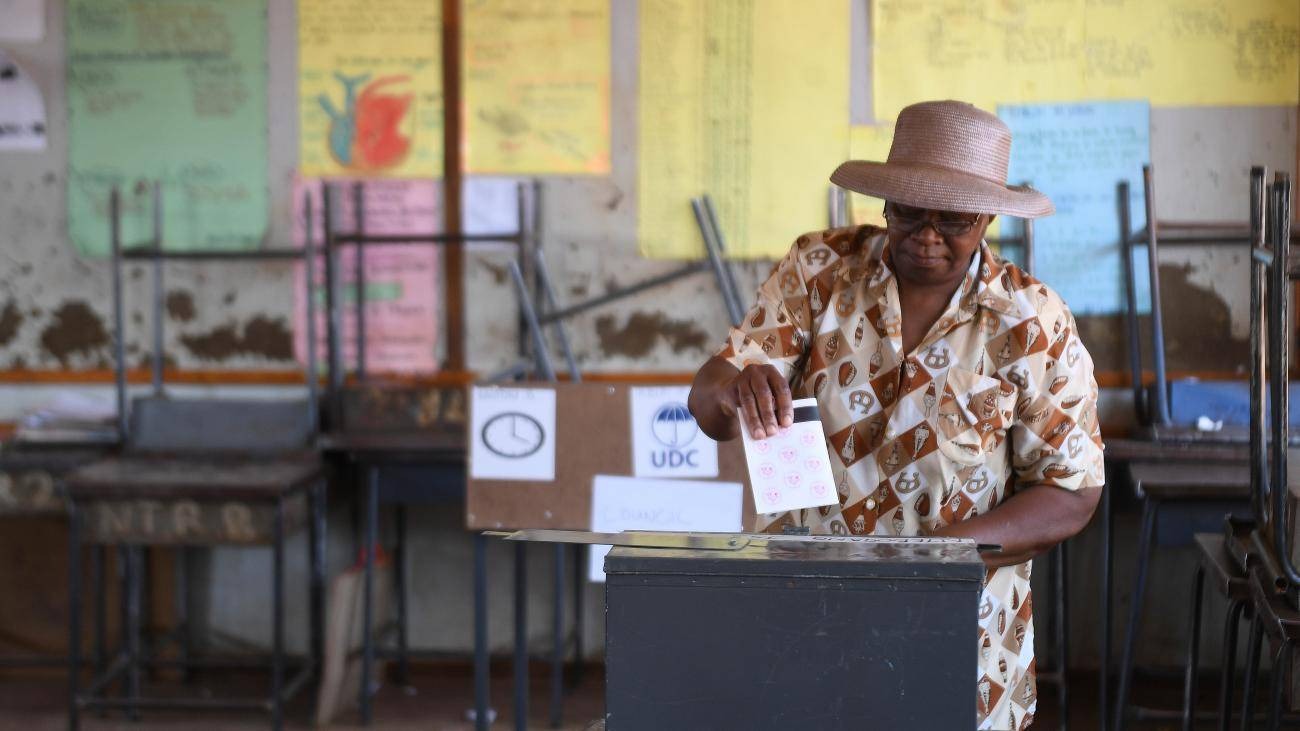
Everyday citizens shape the future from village corners to city squares (Photo: Alamy)
Civic Participation and Grassroots Engagement
Beyond elections, the daily function of democracy involves active participation from citizens and civil society. Local governance structures like Panchayati Raj institutions and Municipal Corporations allow people to influence decisions in their immediate communities. These grassroots bodies handle local infrastructure, sanitation, and welfare delivery.
Women have been granted reservations in these local bodies, encouraging their participation in governance. Many villages now have women sarpanches or leaders, some of whom have initiated meaningful change in areas like education and health.
Civil society organisations, student unions, farmers’ associations, and human rights groups frequently engage with lawmakers and administrators. Protests and rallies, when conducted lawfully, are recognised as part of democratic expression. This level of civic engagement builds accountability from the bottom up.
Balancing Continuity and Reform
While democratic institutions have been tested by emergencies, corruption and political violence, the framework has held. Periods of censorship, communal tension or populist measures have threatened public trust, but these moments have also led to reforms and legal adjustments.
Whether it is through judicial intervention, electoral reform or public demand, the system tends to correct itself over time. Technology has also influenced change, with digital governance platforms increasing transparency and reducing red tape.
However, challenges remain. Issues such as voter misinformation, regional disparities, judicial backlogs and media freedom continue to shape the conversation about what democracy should look like moving forward. But the structure has shown that it is not easily dismantled by temporary failures.
Cultural Continuity within Political Structure
Democracy here is deeply influenced by historical experiences and civilisational thought. Philosophies of tolerance, dialogue, and ethical leadership from centuries past continue to influence modern practice. While the current model is modern in structure, its roots trace back to ancient assemblies and community councils.
Religious pluralism coexists with constitutional secularism, a balance that is not always easy to maintain. Despite the presence of communal tensions, the majority of people continue to support democratic values. Citizens cast their votes with the hope of improvement and believe that their voice can bring about real change.
This democratic model stands as an example of how diverse populations can still function within a constitutional framework. It shows that with commitment, clarity of structure, and periodic correction, governance can reflect the will of the people without erasing their differences.