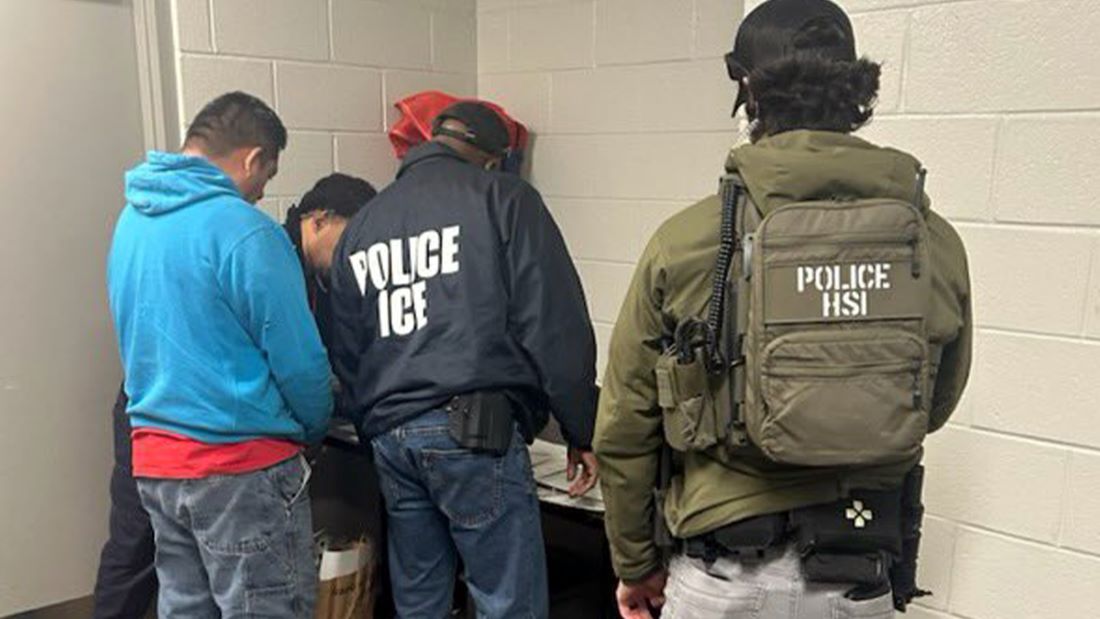
A federal judge has denied an effort by state and local officials in Minnesota to halt Operation Metro Surge, the Trump administration’s large-scale deployment of thousands of federal agents to aggressively enforce immigration laws.
In a ruling issued Saturday, U.S. District Court Judge Katherine Menendez said there was compelling evidence that the ongoing federal operation “has had, and will likely continue to have, profound and even heartbreaking consequences on the State of Minnesota, the Twin Cities, and Minnesotans.”
“There is evidence that ICE and CBP agents have engaged in racial profiling, excessive use of force, and other harmful actions,” Menendez wrote. She added that the operation has disrupted daily life across the state, citing negative effects on school attendance, increased police overtime, and strain on emergency services.
The judge also pointed to indications that the Trump administration may be using the surge to pressure Minnesota into changing its immigration policies, referencing a list of policy demands issued by Attorney General Pam Bondi and similar remarks from White House immigration czar Tom Homan.
Despite those findings, Menendez, who was appointed by former President Joe Biden, concluded that the arguments put forward by state officials, claiming Minnesota was being punished or unfairly targeted by the federal government, were not sufficient to justify blocking the operation in its entirety.
The operation has involved roughly 3,000 federal officers, a force approximately three times the size of the local police departments in Minneapolis and St. Paul combined. Still, Menendez said it was difficult to determine at what point the scale or intensity of a federal law enforcement presence would cross the line into an unconstitutional intrusion on state authority.
“There is no clear way for the Court to determine at what point Defendants’ alleged unlawful actions…becomes (sic) so problematic that they amount to unconstitutional coercion and an infringement on Minnesota’s state sovereignty,” she wrote, later noting that there is “no precedent for a court to micromanage such decisions.”
The judge said her ruling was heavily influenced by a recent decision from the 8th Circuit Court of Appeals, which blocked an order she had issued last week limiting the tactics that Homeland Security officials could use against peaceful protesters opposing the operation.
She emphasized that the appeals court overturned that narrower injunction, even though it was far more limited than the sweeping relief sought by the state and city officials in this case.
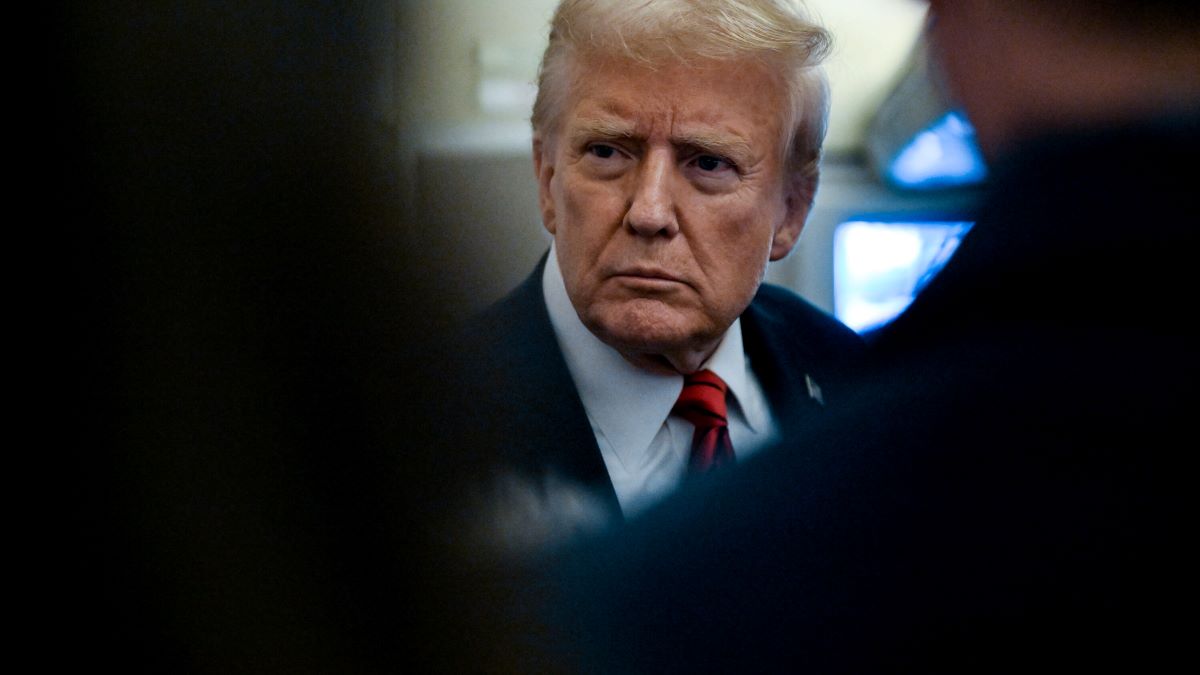
Donald Trump
“If that injunction went too far, then the one at issue here, halting the entire operation, certainly would,” Menendez wrote.
Minnesota Attorney General Keith Ellison said the state would continue its legal fight to end the federal operation. In a statement, he stressed that “this case is in its infancy and there is much legal road in front of us.”
“We know that these 3,000 immigration agents are here to intimidate Minnesota and bend the state to the federal government’s will,” Ellison said. “That is unconstitutional under the Tenth Amendment and the principle of equal sovereignty. We’re not letting up in defending our state’s constitutional powers.”
Attorney General Bondi celebrated the ruling on X, calling it “another HUGE” victory for the Justice Department’s actions in Minnesota. She also highlighted that the decision came from a judge appointed by a Democratic president.
“Neither sanctuary policies nor meritless litigation will stop the Trump Administration from enforcing federal law in Minnesota,” Bondi wrote.
In recent weeks, Minneapolis has been shaken by the killings of two protesters by federal immigration enforcement officers, sparking widespread grief, protests, and renewed criticism of the president’s deportation agenda.
The incidents have intensified scrutiny of Operation Metro Surge and deepened tensions between federal authorities and local leaders.
Minnesota Governor Tim Walz and Minneapolis Mayor Jacob Frey have both publicly called for federal agents to leave the city, arguing that the situation has only deteriorated.
“This federal occupation of Minnesota long ago stopped being a matter of immigration enforcement,” Walz said during a press conference last week following the fatal shooting of 37-year-old nurse Alex Pretti by two Customs and Border Patrol agents.
“It’s a campaign of organized brutality against the people of our state. And today, that campaign claimed another life. I’ve seen the videos from several angles. And it’s sickening.”
Public backlash following Pretti’s death prompted the Trump administration to scale back certain aspects of the Minneapolis operation. The two CBP agents involved in the shooting were placed on administrative leave, and CBP Commander Greg Bovino was removed from his Minnesota post.
The White House also dispatched Tom Homan to the state in an effort to ease tensions. Officials said some federal agents were rotating out of Minnesota, though they were unclear about whether the overall size of the operation was being reduced.
“I don’t think it’s a pullback,” President Trump said on Tuesday. “It’s a little bit of a change.”