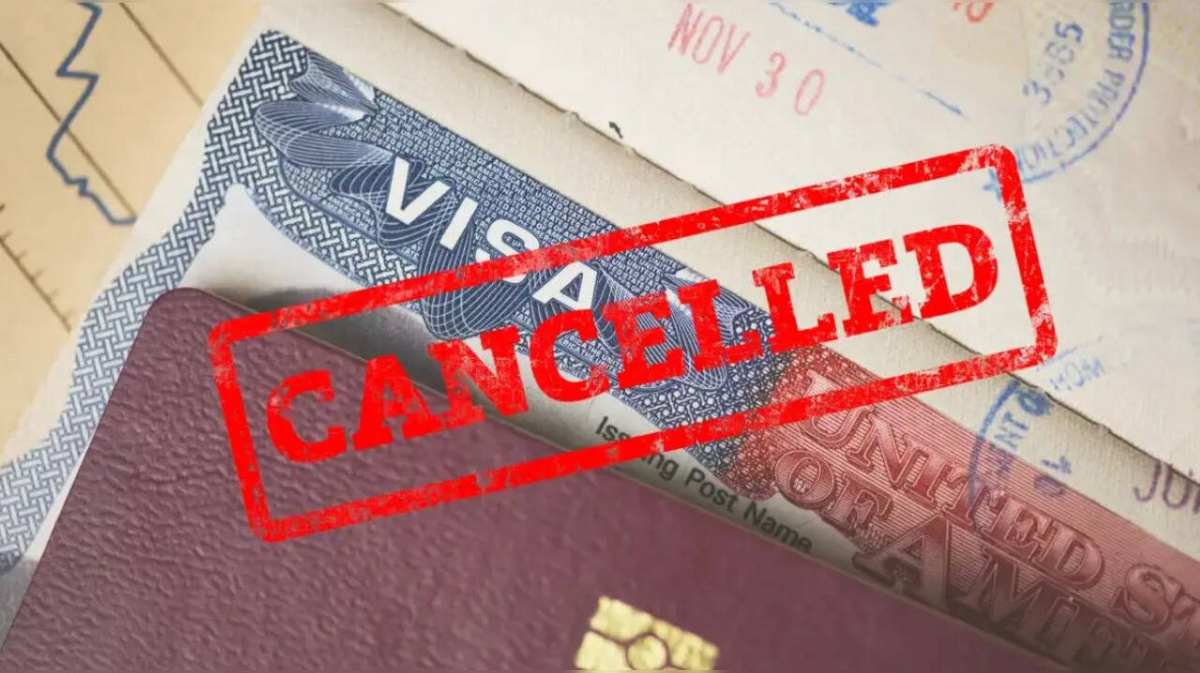
A coalition of immigration advocacy groups, lawyers, and US citizens has filed a lawsuit against the Marco Rubio and the United States Department of State, seeking to overturn an order that halted immigrant visa approvals for nationals of 75 countries.
The plaintiffs argue the policy is discriminatory, unconstitutional, and based on false claims about immigrants’ use of public assistance.
The lawsuit, filed in a federal district court in New York, challenges a directive issued last month that suspended immigrant visa processing for applicants from dozens of countries.
The order was announced via a social media post that claimed migrants from the affected nations rely on welfare “at unacceptable rates” and described the pause as necessary to prevent immigrants from “extracting wealth from the American people.”
Countries impacted by the suspension include Somalia, Haiti, Iran, Eritrea, and Cuba. Rubio’s parents emigrated from Cuba as undocumented immigrants in 1956.
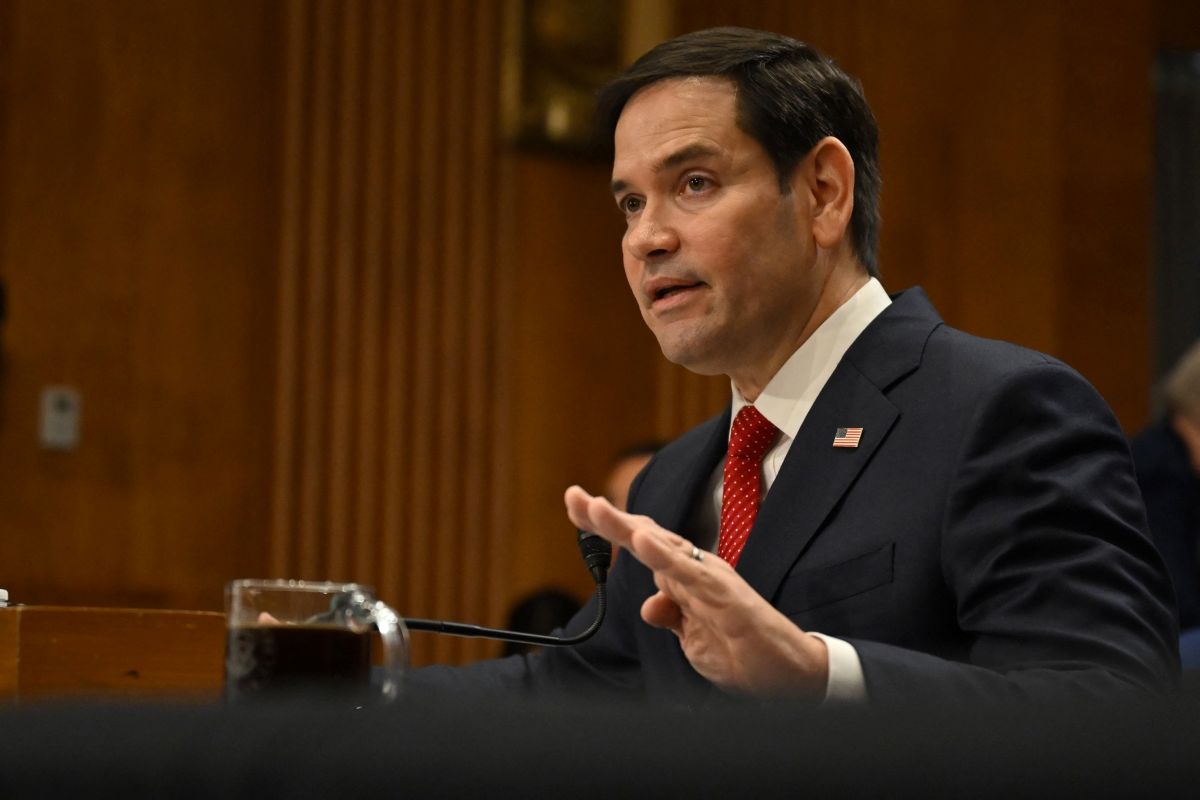
Marco Rubio
An accompanying statement on the State Department’s website said the move aligned with priorities set by Donald Trump, emphasizing that immigrants must be financially self-sufficient and not become a public charge. The department said it was reviewing policies to ensure immigrants from “high-risk countries” do not rely on welfare programs.
The order coincided with the deployment of Immigration and Customs Enforcement agents to Minnesota, where the administration has alleged widespread welfare fraud, particularly within parts of the local Somali community.
According to the lawsuit, the suspension effectively blocks nearly half of all immigrant visa applications. Plaintiffs argue the “public charge” justification is unsupported and contradicts federal immigration law, which requires individualized, case-by-case assessments rather than blanket nationality-based decisions.
Joanna Cuevas Ingram of the National Immigration Law Center said the policy has disrupted families who had already navigated complex immigration processes. Baher Azmy of the Center for Constitutional Rights described the order as racially motivated and legally indefensible.
Individual plaintiffs include Fernando Lizcano Losada, a Colombian endocrinologist whose approved employment-based visa is now frozen, as well as US citizens separated from spouses and children. One family cited in the lawsuit remains divided between the US and Guatemala, where a child with Turner syndrome lacks access to necessary medical care.