
Russia on Thursday played down U.S. President Donald Trump’s threat to impose tariffs on nations supplying oil to Cuba, as Moscow confirmed it is in talks about potential assistance for the island amid its intensifying energy shortfall.
Kremlin spokesperson Dmitry Peskov said Russia is actively considering what form of support it might extend to Havana, even as Washington signals possible trade penalties against countries that deliver oil to the Caribbean nation.
“We wouldn’t want any escalation, but on the other hand, we don’t have much trade right now,” Peskov told reporters, according to Russian state news agency RIA Novosti.
He was responding to a question about whether the Kremlin viewed the Trump administration’s proposed tariff measures as a serious concern.
The White House has said it will levy tariffs on countries that supply oil to Cuba, whether directly or indirectly, arguing that the island’s communist government poses an “unusual and extraordinary threat.”
U.S. pressure on Cuba has intensified in recent weeks. Since Jan. 3, when Washington carried out what it described as an extraordinary military operation to remove Venezuelan President Nicolás Maduro, a longstanding ally of Havana, the administration has escalated its campaign against Cuba’s leadership.
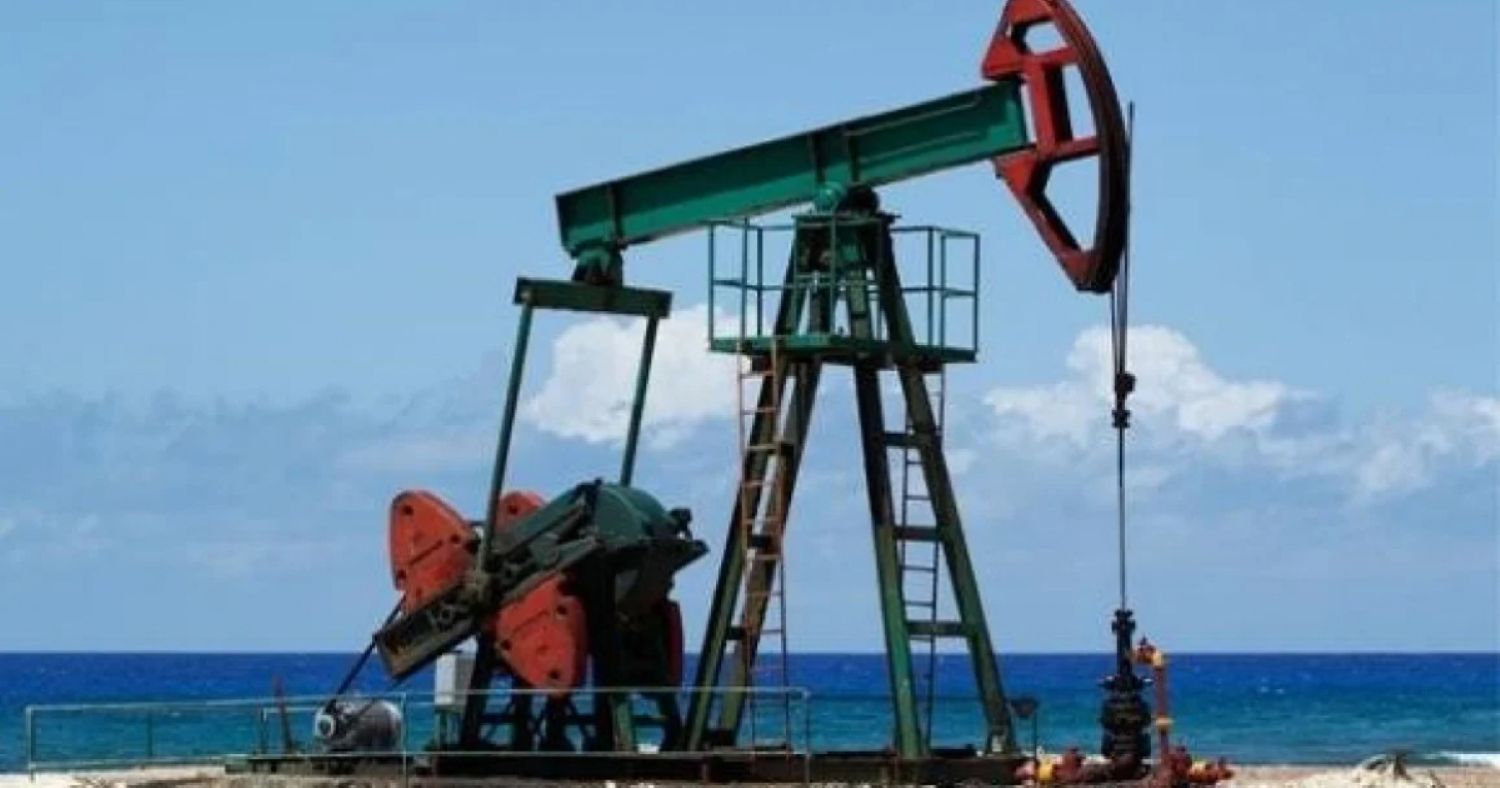
Russian Oil
On Thursday, Peskov indicated that Russia hopes to pursue a measured approach in its dealings with Washington regarding Cuba’s worsening energy challenges. He said Moscow aims to engage in “constructive dialogue” with the United States over the situation.
“It’s clear that it’s impossible to discuss these issues in such a public manner right now for obvious reasons,” Peskov said.
Cuba has been under a U.S. trade embargo for more than six decades and is currently grappling with a deepening economic crisis that has further strained its energy supplies.
In response, Cuban authorities recently announced emergency steps intended to safeguard critical services and manage dwindling fuel reserves.
The measures reportedly include limits on fuel sales, temporary closures of certain tourist facilities, shorter school days, and a reduction in the workweek for state-run companies to four days, operating from Monday through Thursday.
Over the weekend, Cuban officials also warned that international airlines would no longer be able to refuel on the island because of an ongoing shortage of aviation fuel.
Following that announcement, Air Canada canceled all of its flights to Cuba. The carrier said Monday, however, that it plans to repatriate approximately 3,000 customers currently in the country over the next several days.