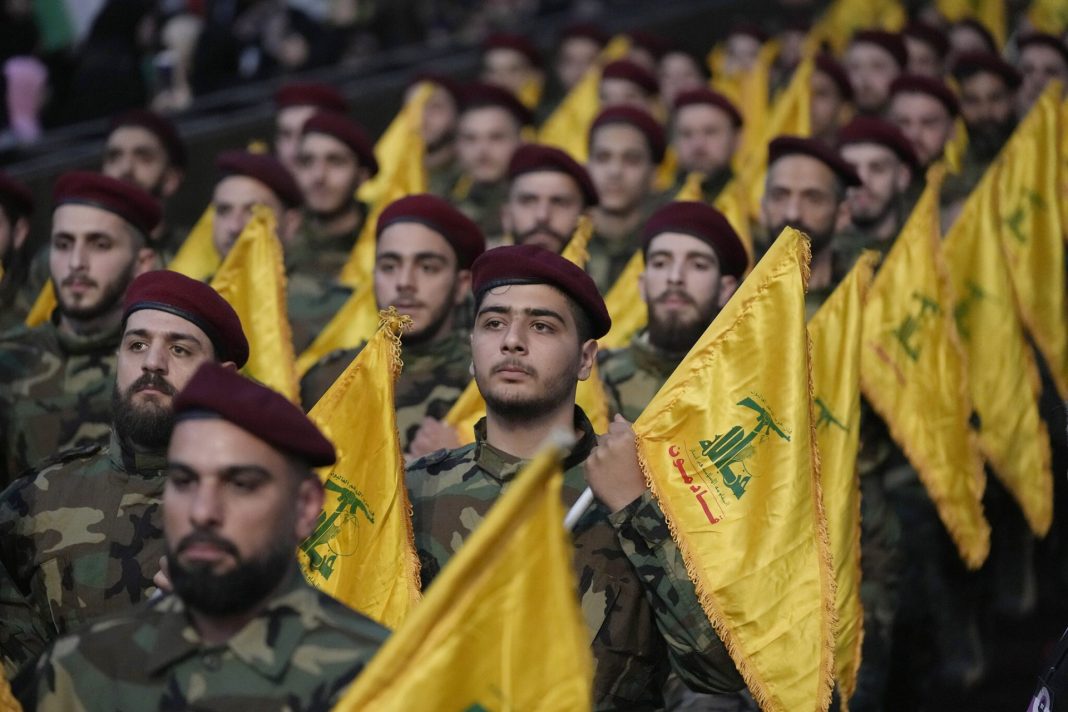
In the early hours before dawn on Monday, Hezbollah initiated a new phase of hostilities within the broader US-Israeli conflict involving Iran, firing “missiles and a swarm of drones” at a military installation in northern Israel.
The Iran-backed armed group, whose stronghold lies in southern Lebanon, described the strike as retaliation for the killing of Iran’s Supreme Leader Ayatollah Ali Khamenei.
Israel has stated that the attack caused no meaningful damage. According to Israeli officials, one projectile was intercepted while the remainder landed in open terrain.
Lebanon’s Prime Minister Nawaf Salam sharply criticized the move, calling it “an irresponsible and suspicious act,” and announced a prohibition on Hezbollah’s military operations.
For months, Israeli leadership has appeared to anticipate such a development. Even after a ceasefire between Israel and Hezbollah came into effect in 2024, the Israeli military continued conducting near-daily strikes inside Lebanon, asserting that Hezbollah was breaching the agreement by rebuilding its arsenal and reconstituting its forces.
In November, Israel said it killed Hezbollah’s second most senior figure and Chief of Staff, Haytham Ali Tabatabai. Those operations, however, were largely targeted and limited in scope.
Previously, the United States had sought to contain escalation along the Israel-Lebanon border, facilitating the first direct discussions between civilian officials from both countries late last year.
Just one week prior to the current escalation, Lebanese Foreign Minister Youssef Raggi stated that authorities had “received warnings indicating that any intervention on the part of Hezbollah could prompt Israel to strike infrastructure targets.” That warning preceded joint US-Israeli strikes on Iran.
Raggi later wrote on social media that he hoped Hezbollah “refrains from embarking on any new adventures and spares Lebanon further destruction.”
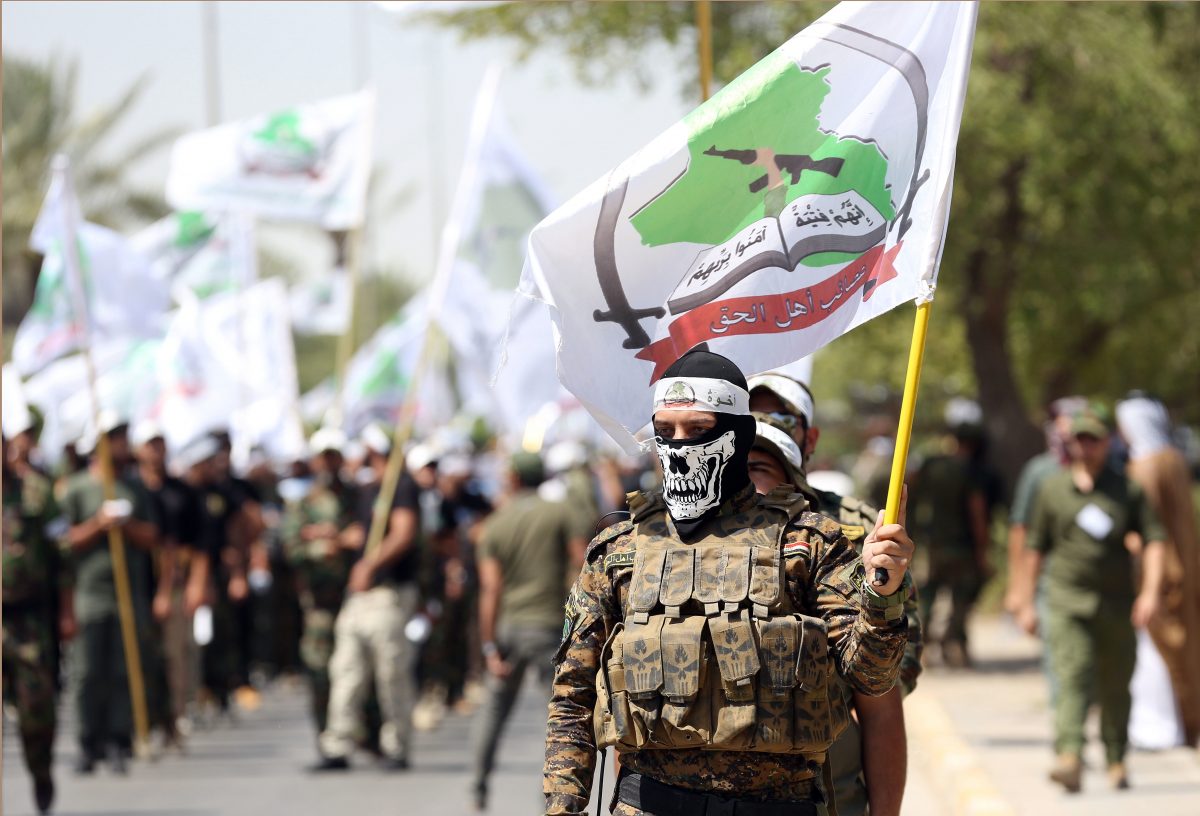
Iran-backed armed group Hezbollah
Hezbollah’s decision to enter the conflict more directly and widen the theater of fighting now provides Israel’s leadership with justification to substantially increase military pressure on Hezbollah positions in southern Lebanon and in the capital, Beirut.
“Hezbollah opened fire last night. We warned it. It will pay a heavy price,” said Israel Defense Forces (IDF) spokesman Brig. Gen. Effie Defrin at a press briefing. By Monday morning, Lebanon’s Ministry of Health reported at least 31 fatalities and 149 injuries resulting from Israeli airstrikes in Beirut and southern Lebanon.
One day earlier, Israel declared it was mobilizing 100,000 reservists, “dozens of battalions, brigades, and divisions”, with many assigned to the northern frontier adjacent to Lebanon. The IDF continues to hold five positions across the border, maintaining them indefinitely as observation posts overlooking southern Lebanon.
Given the scale of the mobilization, Defrin was asked whether Israel is preparing for a broader ground incursion into Lebanese territory.
“All options are on the table. We are conducting ongoing situation assessments,” he said.
When posed the same question, Lt. Col. Nadav Shoshani, the IDF’s foreign media spokesman, offered a more measured response. “There are no imminent preparations underway for a ground invasion,” Shoshani told reporters. Nonetheless, he cautioned that the conflict could become protracted.
“If Hezbollah escalates further, this situation could continue for weeks,” he said.