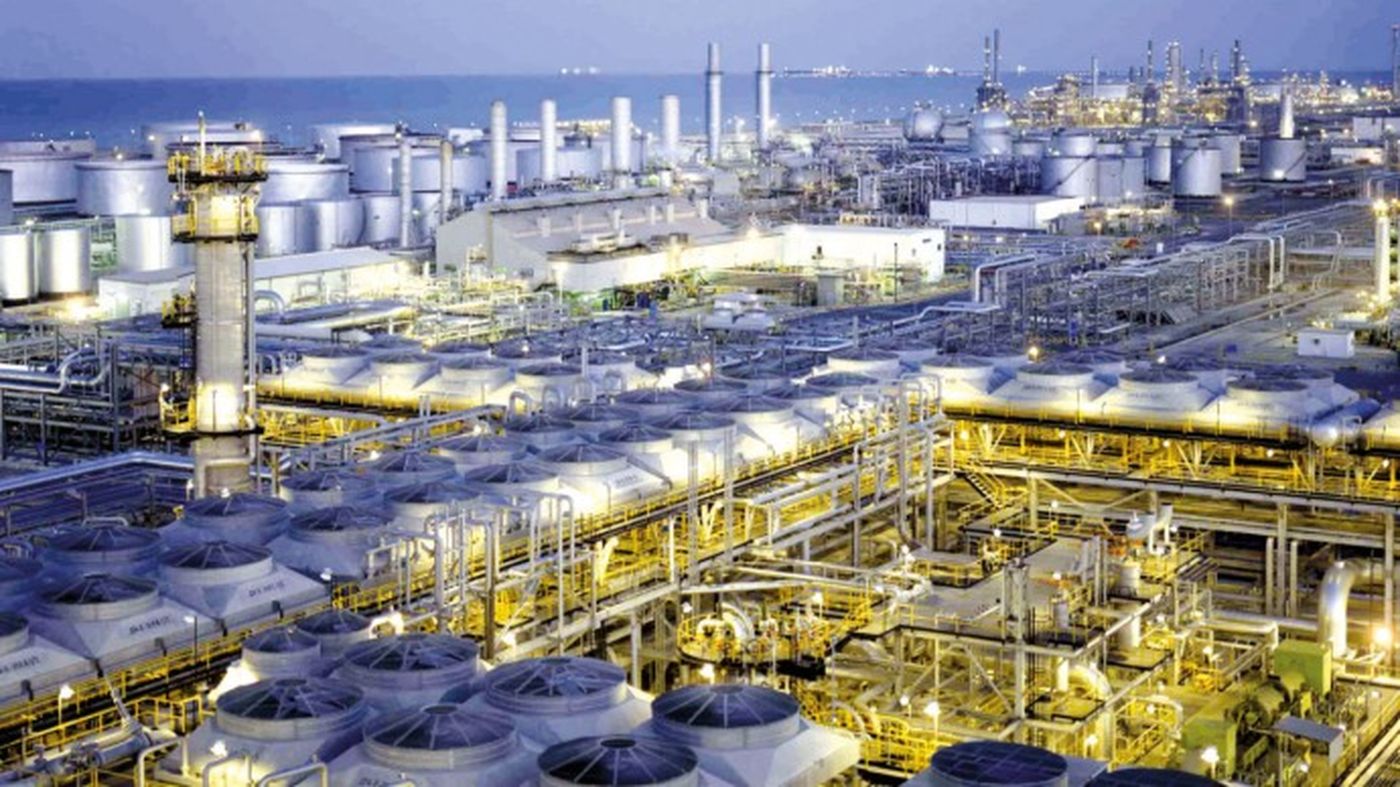
Recent wars in the Middle East have largely avoided major energy facilities or confined damage within the borders of a single country. The current conflict involving Iran appears to be breaking that pattern, with energy infrastructure across the region increasingly coming under direct attack.
On Thursday, drone strikes hit a major oil refinery in Bahrain. According to the Bahrain News Agency, the missiles responsible for the attack were launched by Iran. The strike is part of a rapidly expanding series of attacks on energy facilities throughout the Gulf.
In less than a week, energy infrastructure in at least six countries has been targeted. Governments in Bahrain, Kuwait, Qatar, Saudi Arabia and the United Arab Emirates have all reported strikes on their refineries. Qatar’s Ras Laffan liquefied natural gas export facility, the largest LNG facility in the world, has also been hit during the recent wave of attacks.
Several countries in the region have blamed Iran for the strikes on energy facilities. However, Iran has accused Israel of launching a separate attack on a refinery in Saudi Arabia, highlighting the increasingly complex nature of the conflict.
“ I do not think there’s precedent for this kind of regionwide conflict with facilities coming under attack from all kinds of methods, over a wide era, and all types of facilities at basically the same time,” says Robin Mills, chief executive of Qamar Energy, an energy advisory company based in Dubai.
Qatar plays a central role in global natural gas supply. Around one-fifth of the world’s liquefied natural gas, or LNG, is produced there. LNG is natural gas cooled to approximately -260 degrees Fahrenheit so it can be transported worldwide by ship. It is widely used for electricity generation, heating and manufacturing petrochemicals such as plastics.
Following the strikes on the Ras Laffan facility, state-owned QatarEnergy suspended production. Like many energy companies operating in the Persian Gulf, the company currently cannot move cargo through the Strait of Hormuz, a critical shipping route for global energy supplies.
On Wednesday, QatarEnergy declared force majeure, a legal term that allows a company to suspend contractual obligations due to extraordinary circumstances. According to Antoine Halff, chief analyst at climate and environmental analytics firm Kayrros, buyers in both Asia and Europe may not receive Qatari LNG shipments for weeks, possibly longer. Israel has also halted some of its offshore natural gas production as the conflict continues.
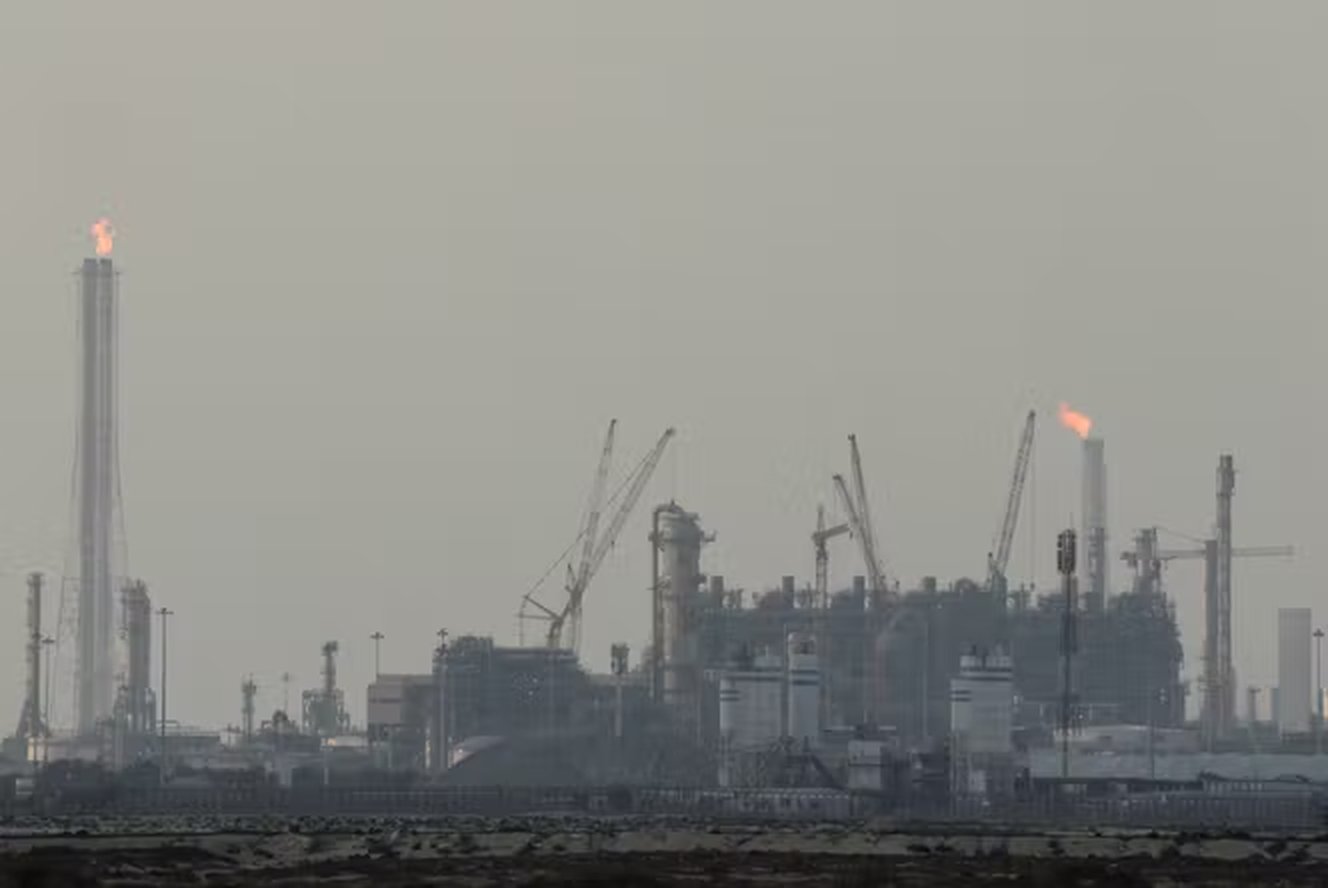
Energy facilities hit in the Middle East
While global oil markets are currently experiencing an oversupply, the same cannot be said for natural gas and LNG, says Gerry Kepes, president of Competitive Energy Strategies, an energy consultancy in Washington, D.C. Europe, in particular, is facing relatively low natural gas storage levels as the Northern Hemisphere winter comes to an end.
“This may be the first time in history that the shutdown of LNG from the Gulf will have a more pervasive and negative impact than a cessation of crude oil exports,” Kepes says.
Analysts warn that the disruption to LNG supplies could have global consequences.
“The consequences of the war for gas and LNG are uncertain but could rival those that followed Russia’s invasion of Ukraine in 2022,” Simon Flowers, chairman and chief analyst at research firm Wood Mackenzie, wrote in a press note on Thursday.
Energy markets have already begun reacting to the uncertainty. Since the conflict began, natural gas prices in Europe have risen by more than 60%, while prices in Asia have increased by more than 40%.
Some LNG producers outside the Middle East, including those in Australia and Malaysia, may be able to redirect shipments to help meet demand in Asia and Europe. However, industry experts warn that the global LNG system has limited spare capacity.
The United States is currently the world’s largest LNG exporter, and several new export facilities along the Gulf Coast are scheduled to begin operations this year and next. Even so, analysts say it will be difficult to quickly replace the supply lost from the Persian Gulf.
“Countries and companies don’t really carry LNG spare capacity,” Mills says. “They run the plants as close to full out as they can, almost all the time.”
Meanwhile, energy markets are already responding to the shifting supply outlook. Several LNG producers outside the Middle East have seen their stock prices rise since the conflict began.
In Australia, Woodside Energy Group and Santos Energy have recorded stock gains of more than 9% and 10%, respectively, over the past week. In the United States, LNG exporters Cheniere and Venture Global have also experienced significant increases, with their stock prices rising by more than 8% and 27% during the same period.