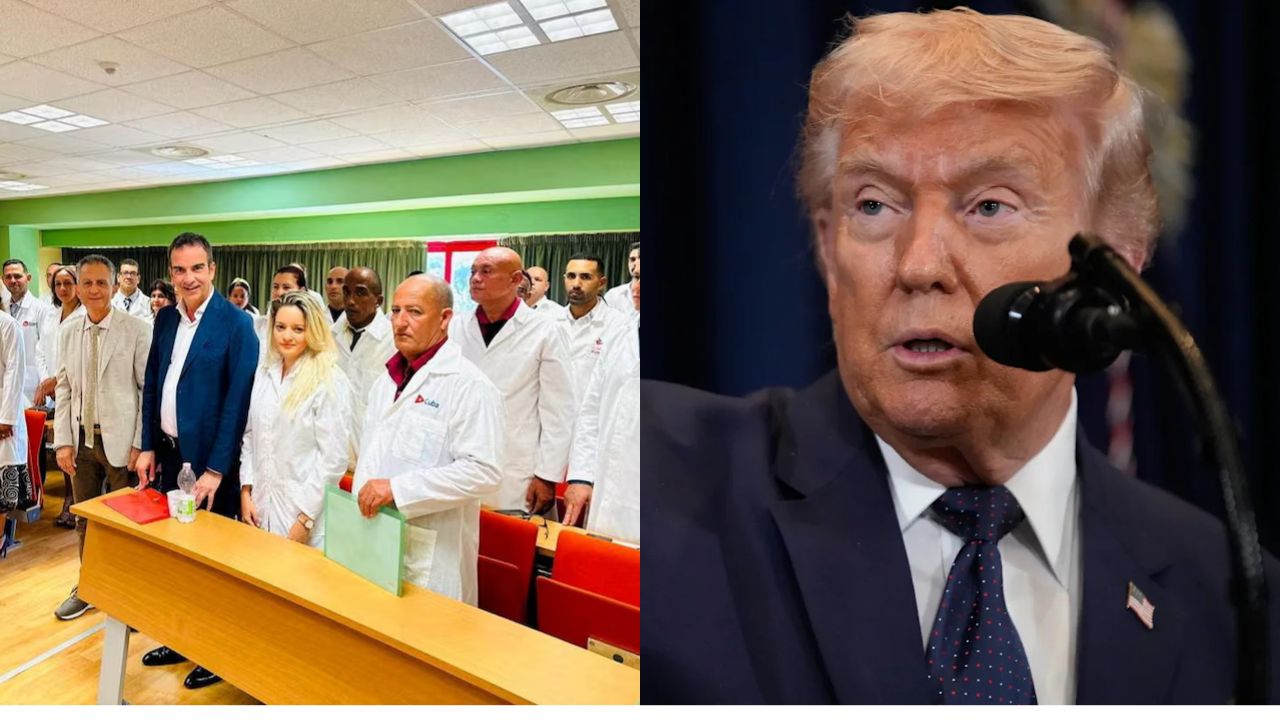
Cuba’s international medical missions, often called “medical brigades”, have long been promoted as one of the world’s largest humanitarian healthcare initiatives. Yet behind the program’s global reach lies a growing controversy over labor conditions, government revenue, and geopolitical pressure.
Recent diplomatic actions by the United States and several partner countries have brought renewed attention to the system, with critics arguing the program functions less as humanitarian aid and more as a state-controlled labor export industry.
Cuba’s overseas medical missions have operated since the early 1960s and have expanded into a vast international network. Over the decades, more than 600,000 Cuban healthcare workers have served in over 160 countries, according to historical estimates of the program.
Even today, the system remains substantial. Recent government figures indicate that over 22,000 Cuban doctors are currently working in more than 50 countries, providing healthcare services ranging from primary care to emergency disaster response.
At its peak, the number of Cuban medical personnel abroad exceeded 50,000 workers in dozens of countries, although the figure declined in recent years due to diplomatic pressure and pandemic disruptions.
These missions supply doctors to regions with severe healthcare shortages, including parts of the Caribbean, Africa, and Latin America.
A Major Source of Revenue for the Cuban Government
While the program is widely described as humanitarian, economists note it is also one of Cuba’s most important export industries. In 2014, Cuban state media projected $8.2 billion in annual revenue from international medical services, making it one of the country’s largest sources of foreign income.
Unlike traditional aid programs, host countries typically pay the Cuban government directly for the services of medical personnel. Cuba then pays doctors a portion of that amount while retaining the majority.
Critics argue that this structure allows the government to capture a large share of the income generated by its healthcare workers. Some analyses claim that between 70% and 90% of salaries paid by host governments may be retained by the Cuban state, leaving doctors with only a fraction of the compensation.
In some reported cases, doctors participating in missions abroad receive around $100 per month in direct earnings while the host country pays significantly higher compensation to Havana. This revenue structure has led analysts to characterize the program as a form of state-run labor export system.
Beyond financial concerns, critics have raised allegations about the working conditions faced by Cuban doctors abroad. Reports from human rights researchers and former participants have described restrictions placed on doctors assigned to foreign missions. These restrictions may include limits on travel, surveillance by supervisors, and penalties for leaving the program early.
Some reports also claim doctors can face professional or personal consequences if they refuse assignments or attempt to abandon their posts. Evidence cited by critics suggests that 7,000–8,000 Cuban doctors have gone into hiding or failed to return home after being deployed abroad since 2006, reflecting dissatisfaction with working conditions in some missions.
In addition, thousands of Cuban doctors have reportedly sought asylum or defected during overseas assignments over the past two decades. These accounts have led several governments and human-rights organizations to question whether the program complies with international labor standards.
The United States has been one of the most vocal critics of Cuba’s medical export system. Washington has argued that the program amounts to forced labor and has imposed diplomatic measures targeting governments and officials involved in the agreements.
These measures include visa restrictions against individuals linked to Cuba’s medical missions and diplomatic pressure encouraging countries to terminate or renegotiate contracts.
As a result, several countries have recently reconsidered their participation in the program. In 2026, Guyana announced that Cuban doctors would leave the country after nearly five decades of cooperation, following disputes over how doctors should be paid.
Other countries, including Honduras and Jamaica, have also ended or scaled back similar agreements. Some governments are exploring alternatives such as hiring Cuban doctors directly rather than contracting through the Cuban state.
The Impact on Cuba’s Domestic Healthcare System
Another controversial aspect of the program is its impact on Cuba’s own healthcare system. Because thousands of doctors work abroad at any given time, critics argue the missions can reduce the availability of medical professionals at home.
Research has shown that the expansion of international missions in the 2000s increased patient-to-doctor ratios within Cuba, placing additional strain on domestic healthcare services. Some analysts also argue that sending large numbers of doctors abroad during economic crises has worsened shortages of medical staff and supplies within the country.
The Cuban government strongly rejects accusations of exploitation and insists the missions are voluntary and humanitarian. Officials say the program allows Cuban doctors to gain international experience while generating income needed to support the country’s universal healthcare system.
Supporters of the program also note that Cuban doctors often serve in remote areas where other medical professionals refuse to work, providing essential care to underserved populations.
For example, the Operación Milagro initiative alone has provided eye treatment to millions of patients across dozens of countries, highlighting the humanitarian impact of Cuba’s medical diplomacy. Many Caribbean and developing nations continue to rely on Cuban doctors to maintain basic healthcare services.
The controversy surrounding Cuba’s medical missions reflects a broader debate over international labor rights, global healthcare access, and geopolitical pressure. Supporters view the program as a unique example of medical solidarity from a developing nation.
Critics argue that its financial structure and working conditions raise serious questions about worker rights and government control. As more countries reconsider their agreements and diplomatic tensions intensify, the future of Cuba’s medical missions, and one of the world’s most unusual global healthcare programs, remains uncertain.