
In a rare and significant move, the U.S. Supreme Court issued an early morning order temporarily blocking the Trump administration from deporting Venezuelan detainees under the Alien Enemies Act (AEA) of 1798. This action came amid growing concerns that due process was being bypassed in the administration’s immigration crackdown.
Conservative Justices Clarence Thomas and Samuel Alito dissented, while the rest of the Court sided with a legal argument emphasizing the detainees’ right to judicial review before removal.
Legal analyst Mark Joseph Stern called the ruling a major challenge to President Trump’s authority, suggesting it signals the Court’s readiness to push back against potential executive overreach. The decision is notable given the Court’s conservative 6-3 makeup, including Trump appointees. This intervention highlights a growing willingness by the judiciary to scrutinize immigration policies executed under sweeping national security laws like the AEA.
Legal and Humanitarian Concerns Rise Amid Trump’s Aggressive Immigration and Deportation Crackdown
President Trump has ramped up immigration enforcement, vowing unprecedented mass deportations, especially targeting individuals with alleged criminal ties. However, recent detentions of individuals with no criminal records or with valid legal documents have raised legal and humanitarian concerns. With Congress narrowly divided, the courts have become the main battleground for opposing the administration’s immigration agenda.
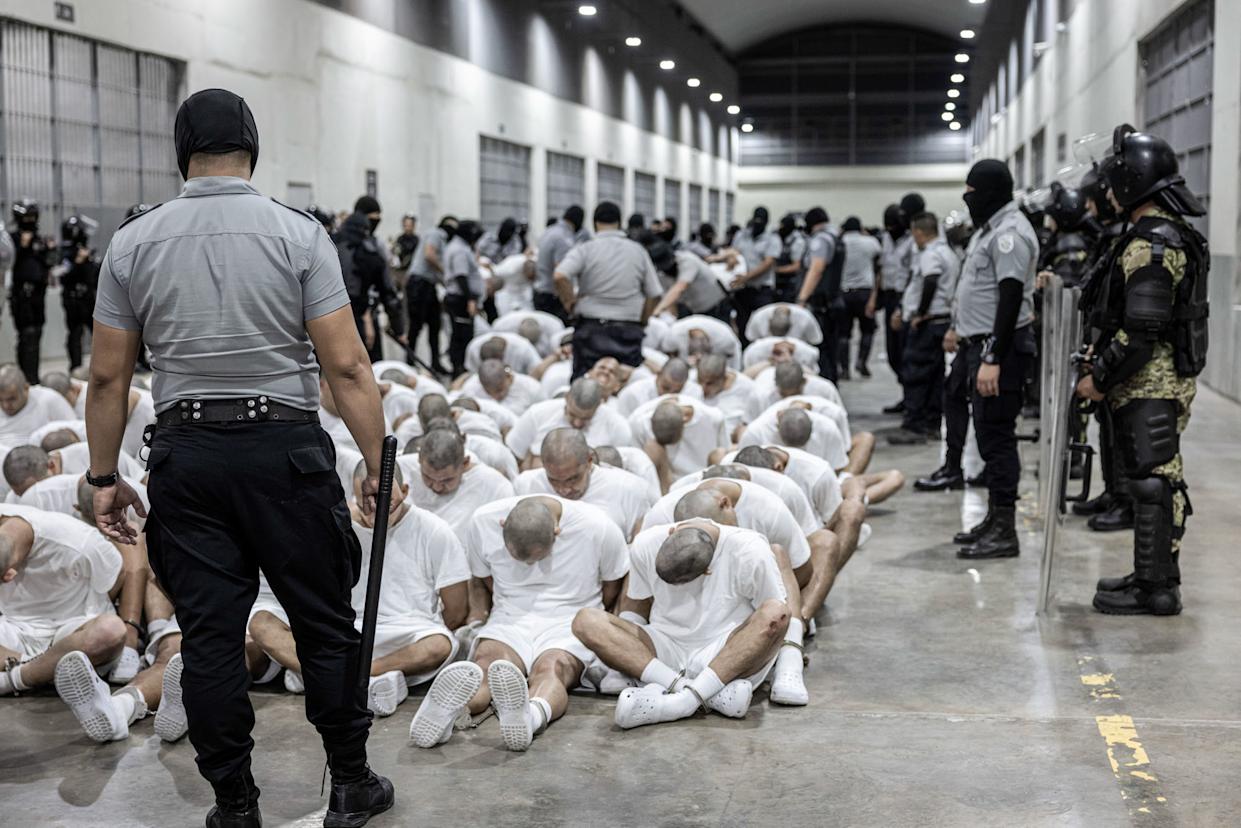
Supreme Court Halts Trump’s Venezuela Deportations, Citing Due Process Concerns
The American Civil Liberties Union (ACLU) intervened urgently with the Supreme Court after reports surfaced that Venezuelan detainees, allegedly tied to the Tren de Aragua gang, were being moved for deportation. Although government lawyers denied immediate deportation plans, the Court saw the urgency as credible. Trump had invoked the AEA in March, controversially applying it to suspected gang members, despite limited opportunities for detainees to challenge their removal.
Kilmar Abrego Garcia Case Highlights Deep Flaws in Deportation Oversight and Due Process
A related case involving Kilmar Abrego Garcia, a Salvadoran man deported under similar circumstances, underscores the stakes. Despite a Supreme Court order and no U.S. criminal record, Garcia was deported due to what ICE described as an “administrative error.” His contested gang affiliations, domestic abuse allegations, and family ties in the U.S. have complicated the narrative, reflecting broader issues around fairness and oversight in Trump-era deportations.
The Supreme Court’s order does not end deportations but pauses them pending further legal developments. The administration’s next steps will determine whether the deportations can resume under judicially acceptable conditions. The ongoing legal fight reflects a deeper constitutional debate about the limits of presidential power in immigration enforcement and the role of the judiciary in safeguarding due process.