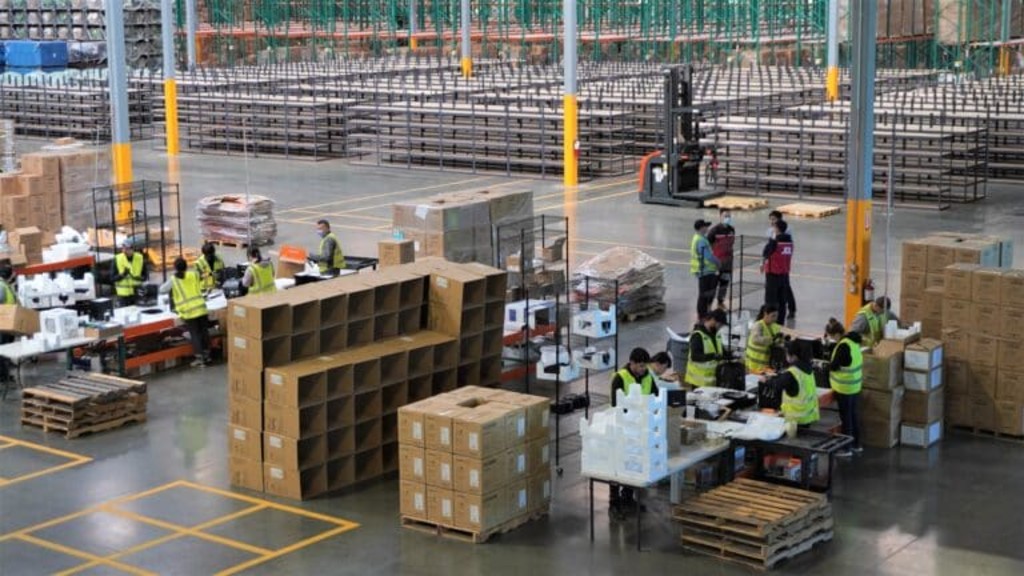
The steep tariffs imposed by the U.S. on Chinese goods have drastically reduced export orders, prompting China to encourage exporters to redirect their sales to the domestic market. Major Chinese e-commerce platforms like JD.com, Tencent, and Douyin are actively promoting these goods to local consumers, hoping to buffer exporters from external shocks. The vice commerce minister emphasized that China’s vast domestic market serves as a critical safety net during this period of trade disruption.
While diverting exports to the local market helps clear inventory, it has triggered intense price wars among Chinese companies, resulting in heavy discounts—JD.com offers up to 55% off on some goods originally destined for the U.S. This influx of discounted products is reducing profit margins, which threatens the financial health of exporters and could weigh on employment. Weak consumer demand, fueled by income uncertainty, compounds the issue, putting further downward pressure on prices.
Deepening Deflation And Export Challenges Threaten Jobs Amid Overcapacity And Market Shifts
China is facing deepening deflation as consumer prices dipped below zero in early 2025, and producer prices have been falling for over two years. Economists warn that deflationary pressures will intensify, with wholesale prices expected to decline further. The tariffs have caused many exporters to halt production, exacerbating overcapacity in industries and limiting China’s ability to quickly adjust manufacturing output to the new market realities.
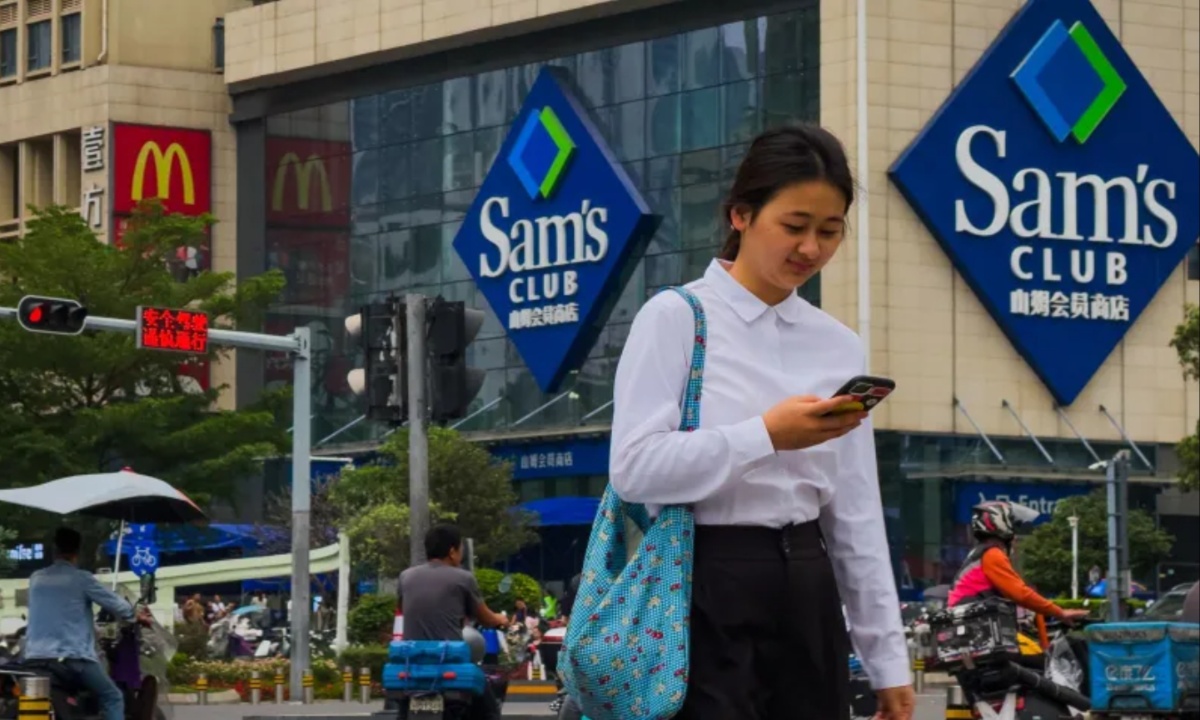
China Redirects Exports to Domestic Market as Tariffs, Deflation, and Job Risks Deepen Economic Strain
The loss of access to the U.S. market has forced many Chinese exporters into a survival mode, operating with razor-thin margins or even losses just to keep factories running.
This situation may lead some firms to close, while others struggle with payment delays and high return rates. Experts estimate millions of jobs linked to U.S.-bound exports are at risk, potentially driving urban unemployment above official targets as smaller exporters face insolvency due to tariff-related cash flow problems.
China Faces Property Slump And Tariffs Amid Cautious Stimulus And Uncertain Recovery Outlook
China’s economy is currently grappling with two major challenges simultaneously: the lingering slump in its property sector and the severe impact of U.S. tariffs. Both factors weigh heavily on investment, consumer spending, and government finances.
Despite calls for stronger stimulus measures, Chinese authorities appear cautious and may delay fiscal intervention until clear signs of economic deterioration emerge, viewing deflation partly as a transition phase that encourages household savings.
Leading economists suggest that China still holds considerable policy tools to boost domestic consumption and stabilize the economy, while the U.S. faces a longer road ahead in reshoring manufacturing.
The ongoing tariff conflict could be resolved within a year or two, but until then, consumers on both sides are likely to face higher prices and economic challenges. China’s vast domestic market and government support may soften the blow, but significant risks to growth and employment remain.