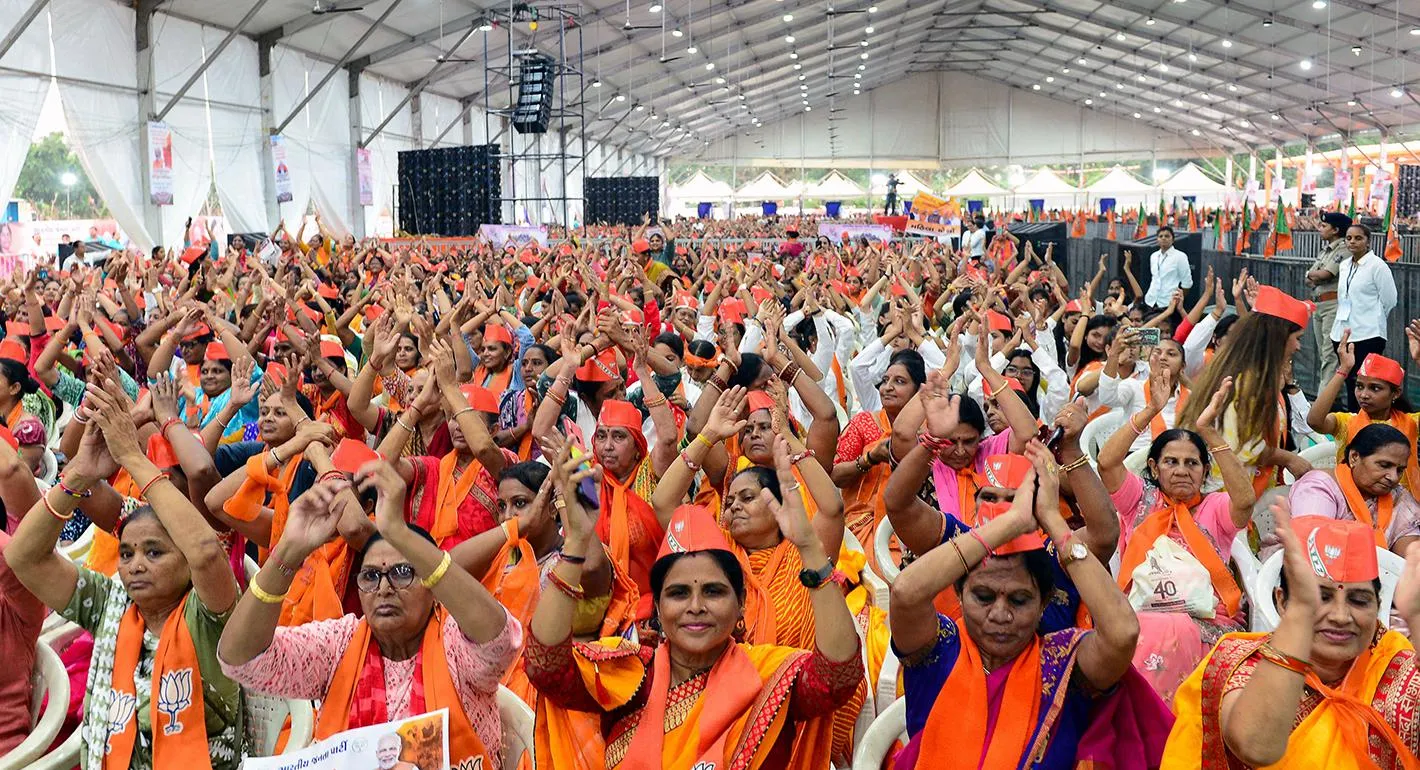
Public discourse within the South Asian subcontinent remains deeply influenced by the fiery exchanges that frequently occur during televised political debates. With growing access to cable TV and digital platforms, many people are forming their views based on what they watch during these sessions.
The dramatic style, constant interruptions, and intense tones used by party representatives, anchors, and analysts often serve as entertainment just as much as information. Over time, such discussions have grown into an important aspect of how individuals make decisions about political issues, parties, and leaders.
What was once limited to political rallies and printed newspapers has expanded into people’s living rooms through heated panel discussions and social media reactions.
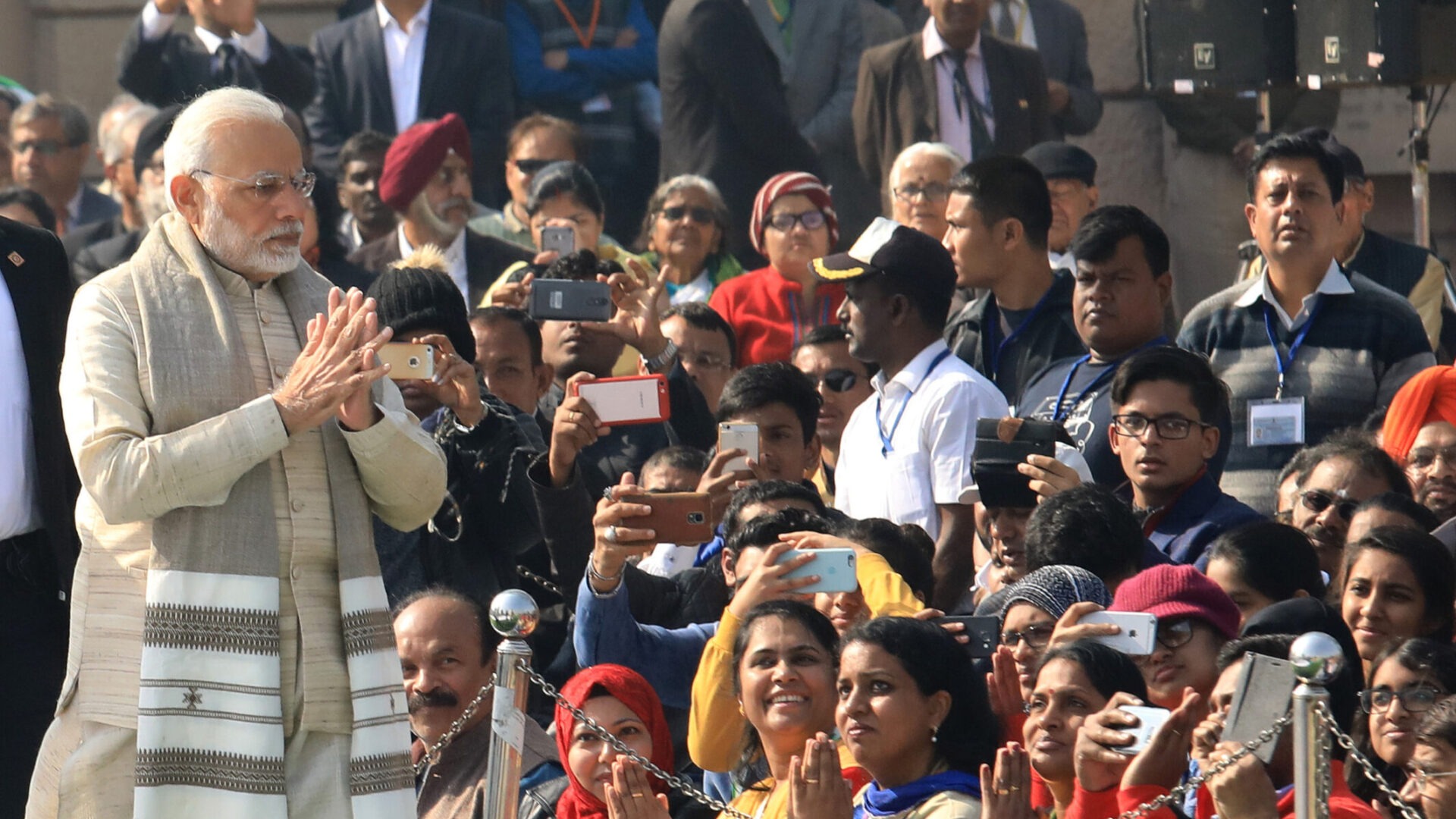
Prime time debates turn into family room drama (Photo: Pexels)
In most urban and semi-urban homes, family members gather in the evening around the television, forming opinions based on the loudest speaker or the most persistent argument. It is common for such debates to provoke strong reactions and sometimes even influence dinner table conversations.
With the rising popularity of Hindi and English-language news channels, even rural communities are beginning to participate indirectly in this manner of political engagement.
The persuasive ability of these debates comes not only from the facts presented but also from the way participants present their arguments, make allegations, and counter questions.
Role of Anchors in Steering Conversation
Anchors often take on a more central role than the politicians themselves. Their questions, interruptions, and expressions can direct how the audience perceives a topic. Rather than serving only as moderators, many anchors adopt an aggressive style that appears aimed at guiding public sentiment.
When they question panelists, they do so in ways that draw strong emotional reactions from viewers. This method keeps the audience glued to their seats while subtly influencing who they support or distrust.
Because of the repetitive nature of these debate formats, audiences begin to expect certain personalities to behave in predictable ways. For instance, a panelist from a ruling party might constantly refer to past administrations’ failures, while opposition speakers focus on present issues.
These expectations create a sort of ongoing drama, which leads viewers to form attachments, just as they would with recurring characters on a television series. These emotional connections can end up shaping long-term political choices.
Language and Delivery Style as Persuasive Tools
How something is said often has as much impact as the message itself. Tone of voice, facial expressions, hand gestures, and moments of silence all add weight to what is being communicated.
Debaters with better public speaking skills usually earn more attention and praise from the audience, regardless of the actual strength of their arguments. When leaders speak with assertiveness and clarity, their words are more likely to be repeated and quoted, both online and in everyday discussions.
The use of regional languages during debates also helps parties connect with specific voter groups. Channels that broadcast in languages other than Hindi or English help regional leaders speak directly to local audiences.
This connection builds trust and makes the speaker appear more genuine. English-language debates often target the urban educated population, focusing on issues like foreign policy, economic reforms, and institutional performance.
Influence on Voting Decisions and Party Perception
Televised debates have now become a platform for parties to present their agendas, defend their records, and undermine their opponents. These performances have a direct effect on how individuals view political parties.
When a party representative performs poorly during a debate, it can damage the public’s faith in that party’s capability to govern. Likewise, a strong and confident showing can boost support.
During election seasons, the frequency and intensity of such debates increase. Channels often invite well-known politicians who already have public recognition.
Their presence increases viewer interest and adds weight to the debate. Voters who are undecided or unsure often rely on these moments to make their final choices. Many people even feel they are getting a clearer picture from these debates than from party manifestos or advertisements.
Social Media Reactions and Amplification
With the growth of platforms like Twitter, Facebook, and WhatsApp, the influence of political debates goes beyond their live broadcasts. Clips of moments circulate widely, often removed from context, and are used to make points or trigger reactions. These snippets can become viral, shaping people’s impressions more than full-length debates ever could.
Memes, short videos, and quotes taken from these shows are used by political supporters to attack rivals or boost their preferred candidates. While this gives room for political participation among younger citizens, it also raises concerns about misinformation and biased interpretations. When reactions spread faster than facts, it becomes easy for manipulated content to alter public opinion without proper scrutiny.
Emotional Appeal Versus Policy Discussion
Though debates are meant to discuss ideas, many of them lean more toward personal attacks and emotional appeals. Panelists frequently argue over identity-related matters like religion, caste, or region, especially when the topic touches on national security or minority rights. These approaches work because emotional issues often leave stronger impressions than abstract policy matters.
However, this focus on emotion means that in-depth discussion on topics such as healthcare, education, and employment sometimes gets sidelined. Viewers who want practical solutions may feel disappointed, but those seeking validation of their beliefs feel reinforced.
Because of this pattern, some political parties invest heavily in training their spokespersons to master these tactics rather than focusing solely on content knowledge.
Use of Repetition and Soundbites
Another common element in these debates is the repetition of certain phrases or slogans. These repeated lines eventually become part of public memory, used in rallies, slogans, or even casual conversation. When panelists constantly bring up the same accusations or achievements, they begin to shape the general image of a leader or party.
Soundbites help maintain clarity in a noisy debate environment. A speaker who can summarise their position in a few catchy words tends to gain more attention. These phrases, when repeated across multiple platforms, create associations in the public’s mind. People begin to associate specific leaders with certain qualities, whether accurate or not.
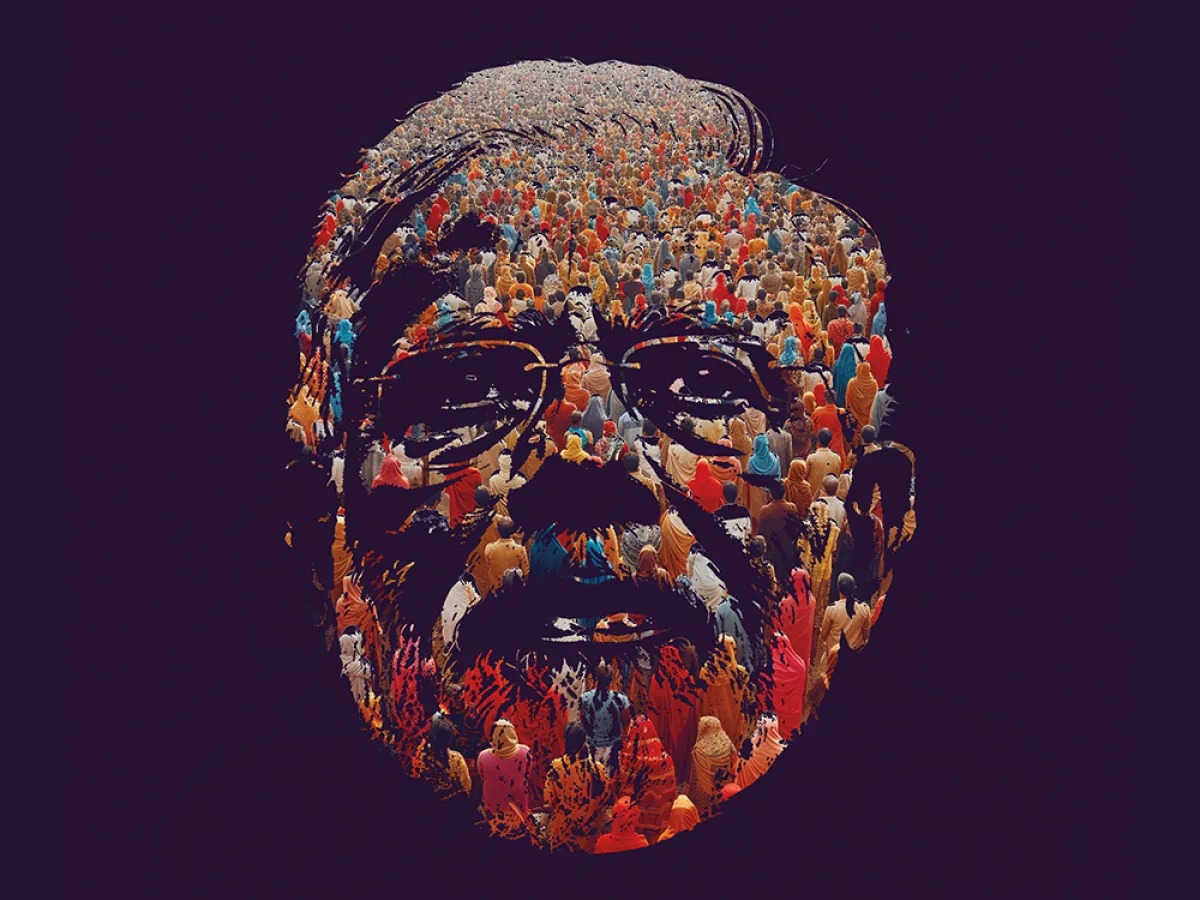
Anchors lead the show as opinions clash on screen (Photo: Alamy)
Differences Across Regional and National Channels
Regional channels often present a different tone than national networks. While national media usually focuses on macro issues like central government policies, regional outlets give more space to local concerns such as farming issues, state-level corruption, and infrastructure. This allows for a more grounded and relatable debate format, which can influence voting patterns in state elections.
At the same time, regional channels are less likely to invite high-profile national figures. Instead, they feature local politicians who address issues familiar to the everyday viewer. This brings a level of personal connection that is sometimes missing in broader national debates. It also allows regional parties to maintain a media presence that is separate from national stories.
The Problem of Polarisation and Division
With more people tuning in regularly, there is an increasing concern that political debates might be deepening divides rather than encouraging dialogue. Viewers often pick sides and stick to them, treating panelists as representatives of their own political identity. As a result, these debates can end up reinforcing pre-existing views rather than encouraging balanced thinking.
In some cases, repeated exposure to certain talking points leads viewers to believe claims without fact-checking. Political parties take advantage of this by sending well-prepared panelists who can aggressively promote party lines, even if the information lacks context or depth. This turns the debate into more of a performance than a platform for thoughtful engagement.
Influence on Youth and First-Time Voters
Young people, especially those voting for the first time, often look to political debates as a source of understanding. Unlike older generations who might rely on experience or family influence, many young adults watch debates to get a sense of current affairs. This makes the youth audience both a target and a tool for political messaging.
When youth see speakers who represent their interests, they feel included in the political process. But when debates become too hostile or filled with insults, younger audiences may lose interest or develop a distrust of political institutions. How these shows are structured can determine whether young citizens become more politically involved or disengaged altogether.
Political debates play a large part in shaping public attitudes across various regions and demographics. From the style of speech to the selection of panelists, every detail affects how the public interprets what they see and hear.
Whether through TV or online clips, these debates provide people with cues on what issues to care about, whom to support, and what views to repeat. As they continue to influence perceptions in both direct and indirect ways, the responsibility falls on channels, politicians, and viewers alike to promote honesty, clarity, and respect in political communication.