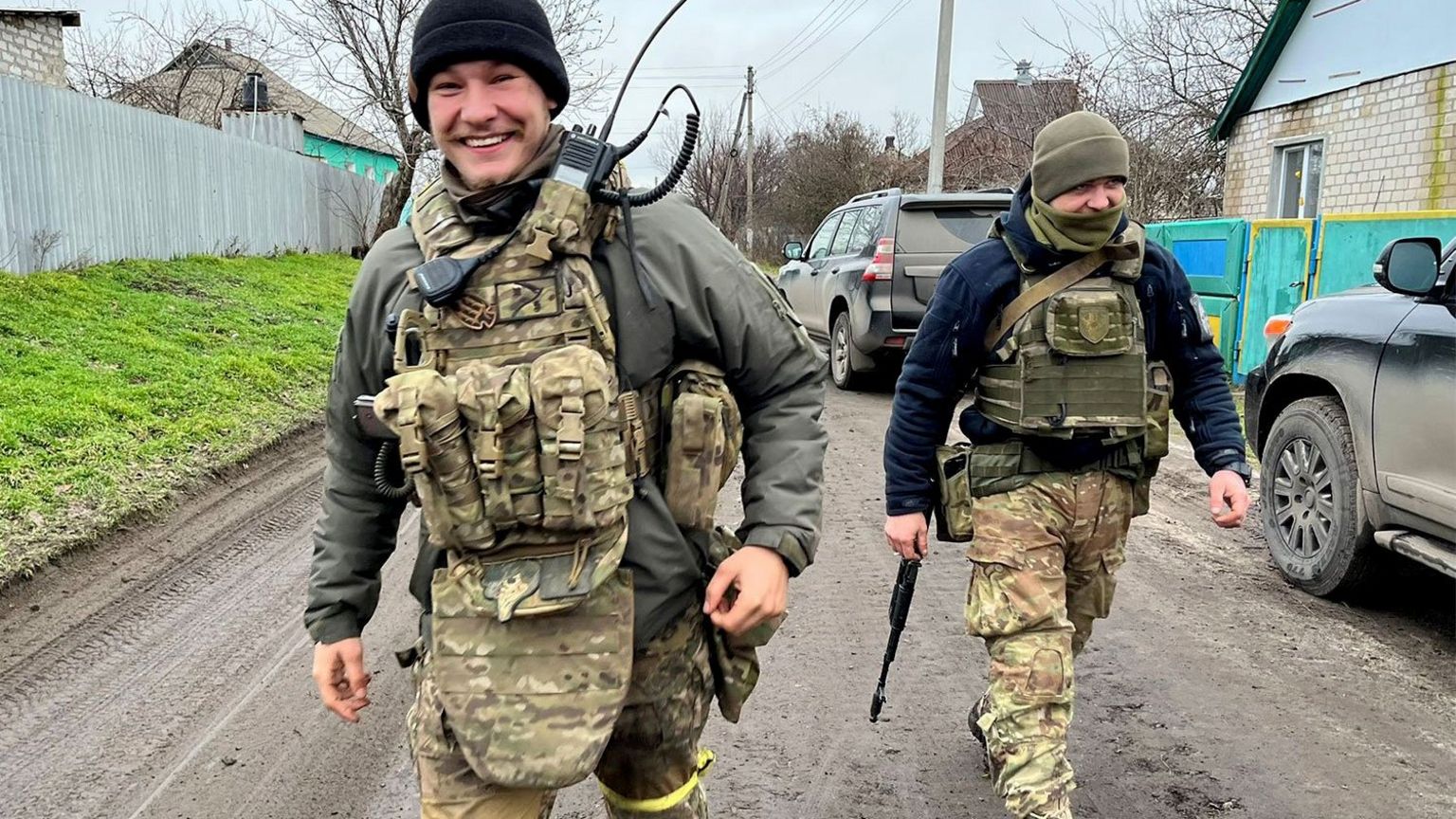
Ukrainian President Volodymyr Zelensky has expressed concern that escalating conflict in the Middle East could weaken Ukraine’s ability to defend itself, warning that the situation might make it harder for Kyiv to obtain critical air defence systems.
He also cautioned that international attention could shift away from Ukraine as global focus turns to the Middle East, potentially leaving his country’s war effort against Russia less supported.
“We could find ourselves having difficulty obtaining missiles and weapons to defend our skies,” he told Italian newspaper Corriere della Sera. “The Americans and their allies in the Middle East might need them to defend themselves, for example, Patriot missiles.”
When asked whether the United States and the European Union might become distracted from Ukraine’s defence while focusing on the Middle East crisis, Zelensky acknowledged the possibility.
“Of course, it’s a risk. But I hope the Iranian crisis remains a limited operation and doesn’t turn into a long war. We know first-hand how bloody it risks being.”
For several years, Ukraine has remained at the center of global attention due to Russia’s full-scale invasion. Just last week, Kyiv hosted numerous Western leaders marking the somber fourth anniversary of the start of the war.
Yet only days later, many in the Ukrainian capital sensed a noticeable shift in international attention toward the unfolding conflict in the Middle East. Some residents have remarked on how drone strikes that would cause alarm in Gulf countries are often met with resignation in Kyiv, where such attacks have become a frequent reality. Others worry more about the broader implications of the Middle Eastern fighting.
Zelensky’s comments reflect that mix of concern and uncertainty. On one side, he warned that Ukraine’s struggle against Russia could gradually become a forgotten conflict. Questions already remain about whether planned negotiations involving the United States and Russia will proceed.
He is also mindful that the extensive use of air defence interceptor missiles by Gulf states could create a global shortage, potentially making such weapons more expensive and harder for Ukraine to secure.
A similar situation occurred last summer when Israel and the United States struck Iranian nuclear facilities. “Israel was under Iranian attack then, and missile delivery programs for us were slowed down,” Zelensky said. “It hasn’t happened yet, but I fear it could happen again.”
On Truth Social, President Donald Trump claimed the United States had an “unlimited supply” of weapons. In the same post, however, he mocked Zelensky by referring to him as “PT Barnum,” the 19th-century American showman and hoax promoter, implying that Ukraine’s leader had persuaded President Joe Biden to send too many U.S. weapons without cost.
Despite his concerns, Zelensky also identified potential advantages for Ukraine. Iran has supplied Russia with tens of thousands of Shahed drones, which have been used repeatedly in attacks on Ukrainian cities. The escalation involving Iran could disrupt that supply.
“I think attacking Iranian military targets was a good decision,” he said. “The Iranians produce a lot of weapons for Russia, especially drones and missiles, although I don’t think they’ll be able to do that anymore.”
However, analysts note that Russia has begun producing its own versions of the Shahed drones domestically after acquiring Iranian designs and adapting them for continued attacks against Ukrainian targets.
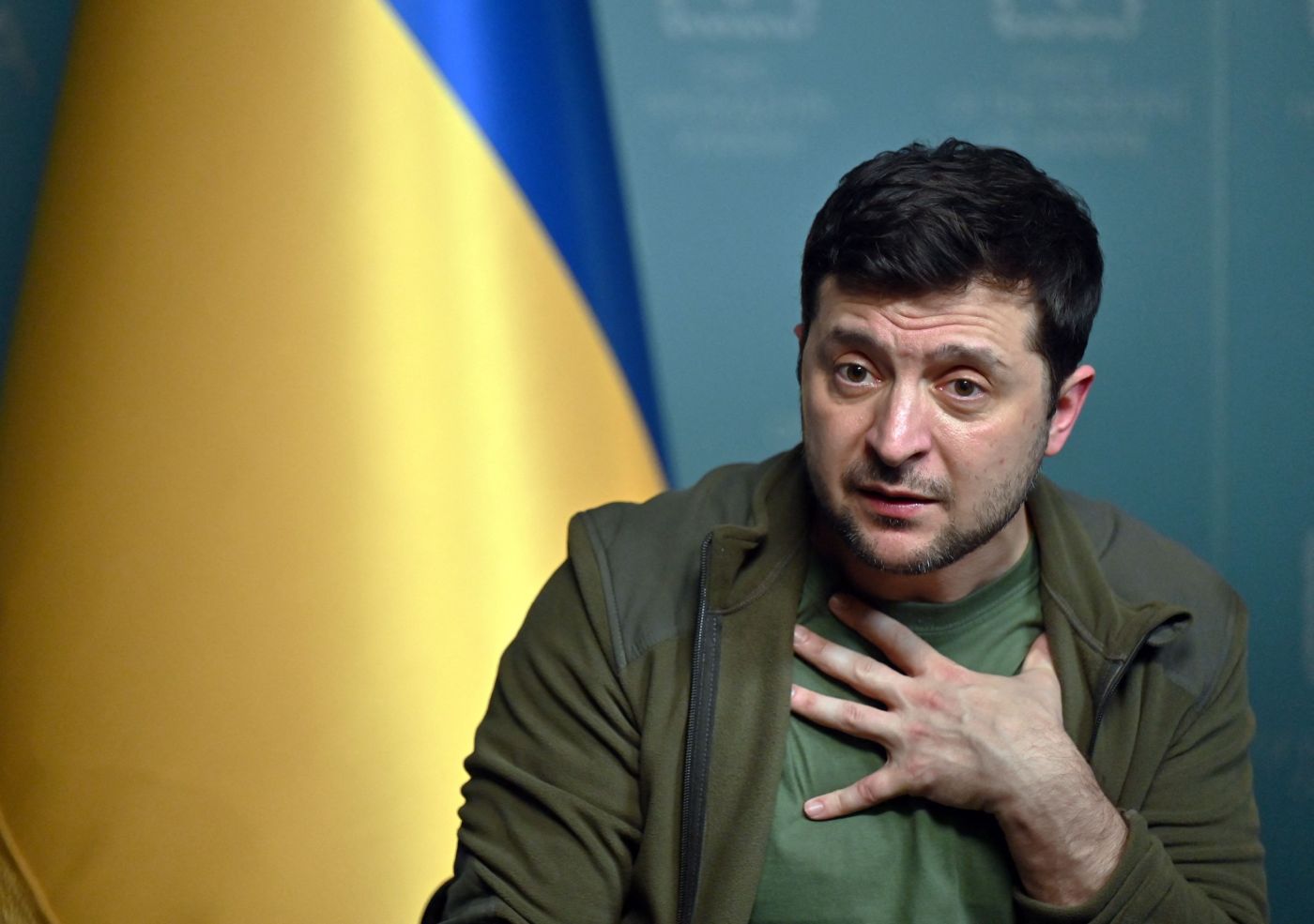
Volodymyr Zelensky
Kyiv could also gain politically and economically by offering drone technology and expertise to partners in the Gulf region. Zelensky has suggested such cooperation might be possible, although it would likely require a ceasefire agreement with Russia first.
Ukraine’s president has also argued that Russian President Vladimir Putin’s limited response to Iran reveals weakness. “He talks, but doesn’t act, demonstrating that he is a weak ally of the Iranians. Just as he was with Bashar Assad’s Syria.”
That view was echoed by Oleksandr Merezhko, chairman of the foreign relations committee in Ukraine’s parliament. He suggested that backing U.S. actions against Iran might strengthen Ukraine’s standing in Washington.
“The US does not view us as allies, but as partners,” he said. “This gives us a chance to show that we are allies. We are fighting against the same coalition – Iran and Russia.”
Merezhko also argued that Moscow’s influence in Washington had diminished because it could no longer claim leverage over Tehran’s nuclear ambitions.
“Iran does not have this leverage anymore, so it has become less useful in the eyes of Trump,” the MP said.
Other analysts remain more cautious about that interpretation. They point out that Russia has no formal defence treaty with Iran and never promised to intervene if the United States attacked the country. Some also believe Putin is deliberately avoiding deeper involvement, aside from contacting Gulf leaders and presenting Russia as a potential mediator.
John Lough, head of foreign policy, suggested that Putin’s strategy may focus on preserving relations with Washington.
“Putin’s priority is to preserve the relationship with Trump and to use it to help him out of the quagmire he has blundered into in Ukraine.”
“In return for not standing in Trump’s way in Iran, he can reasonably expect Washington to put more pressure on Ukraine to accept his terms for peace,” Lough added.
Russia could also benefit if global oil prices continue to rise sharply, strengthening the revenues that support its war economy. The U.S.-based Institute for the Study of War noted that prolonged high oil prices could help keep Russia financially stable while sustaining its military campaign in Ukraine.
However, the think tank added that Iran would likely struggle to maintain a blockade of the Strait of Hormuz long enough for Russia to gain lasting economic advantages from the current surge in oil prices.
For Ukrainian policymakers, this is another reason to hope the Middle East conflict does not become prolonged.
Perhaps the greatest concern in Kyiv is that a new war in the Middle East could deepen international fatigue with Ukraine’s own conflict. One diplomat said that even as winter fades and temperatures begin to rise, the atmosphere in the capital remains tense and weary.
“There is a lot of exhaustion,” the diplomat said. “The mood is almost brooding. There is a deep sense of betrayal from the Americans. And less trust in the Europeans. And now all this distraction. It’s not great.”