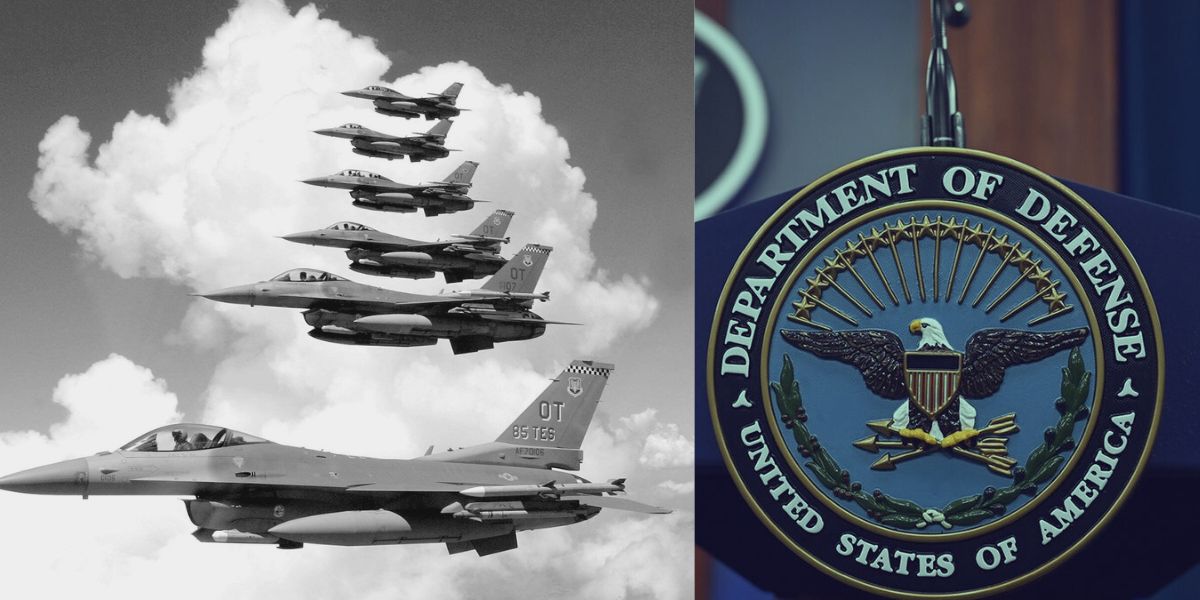
The U.S. Department of Defense has authorized approximately $1.2 billion in funding for air strike operations targeting Iranian-linked military assets, underscoring the scale and cost of America’s global military commitments.
According to defense officials, the authorization covers a range of operational expenses, including precision-guided munitions, aircraft deployment, intelligence gathering, logistics, and operational support required to conduct sustained air campaigns in the Middle East. The strikes are aimed primarily at Iranian military infrastructure and affiliated militias operating across the region.
Pentagon planners say the funding is intended to reinforce deterrence and protect U.S. forces stationed in strategic locations throughout the Middle East.
Part of a Much Larger Defense Budget
While $1.2 billion is a substantial figure on its own, it represents only a small fraction of the U.S. defense budget, which has continued to grow in recent years. For fiscal year 2025, the United States allocated approximately $962 billion for national defense, making it by far the largest military budget in the world. This level of spending accounts for roughly 13–14% of total federal expenditures and exceeds the defense spending of the next several countries combined.
| Spending Area | Description |
|---|---|
| Military Personnel | Salaries, benefits, and training for service members |
| Weapons Procurement | Purchase of aircraft, ships, vehicles, and weapons |
| Research & Development | Development of advanced military technologies |
| Overseas Operations | Maintaining bases and missions abroad |
| Intelligence & Cybersecurity | Surveillance, cyber defense, and intelligence operations |
Air operations alone often represent a significant portion of operational costs due to the expense of fighter jets, long-range bombers, surveillance aircraft, and precision weapons systems.
Cost of Modern Air Warfare
Modern air strike campaigns are among the most technologically advanced and expensive military operations conducted by the United States. For example, deploying aircraft such as the F-15, F-16, F-35, or B-1 bomber involves high operating costs. The cost per flight hour for advanced fighter jets can exceed tens of thousands of dollars, once fuel, maintenance, and support systems are included.
Precision weapons used in these missions can also be costly. Many modern guided munitions, such as Joint Direct Attack Munitions (JDAM) or cruise missiles, can cost tens or hundreds of thousands of dollars per unit, depending on the system. When combined with intelligence support, satellite surveillance, command infrastructure, and logistics, even limited air campaigns can quickly accumulate large operational expenses.
Defense officials say the funding authorization reflects ongoing U.S. efforts to counter Iranian military influence and deter attacks on American forces and regional allies.
The United States maintains several military bases across the Middle East and conducts regular operations in the region to protect shipping routes, maintain regional stability, and support allied governments.
Iran-backed militias have been involved in a series of regional security incidents over the past several years, which have prompted periodic U.S. military responses, including targeted air strikes. Pentagon officials argue that maintaining rapid-response strike capabilities is critical to protecting American troops and preventing escalation.
Renewed Debate Over Spending Priorities
Despite representing a small portion of the defense budget, the $1.2 billion authorization has revived debate in Washington about federal spending priorities, particularly when compared with funding for domestic programs such as education.
The U.S. Department of Education’s discretionary budget for fiscal year 2024 was approximately $79 billion, far smaller than the defense budget. Education advocates argue that increased investment in schools, teacher development, and educational infrastructure is necessary to address long-term economic and social challenges.
Supporters of defense spending counter that national security funding and domestic programs are determined through separate congressional processes and serve different strategic objectives.
The discussion surrounding the Pentagon’s authorization highlights a broader policy question: how the United States should balance military readiness with long-term domestic investment. Defense spending remains one of the largest components of the federal budget, reflecting the country’s global military presence and advanced technological capabilities.
As Congress debates future budget proposals, policymakers will continue to face pressure from both national security advocates and domestic policy groups over how federal resources should be allocated.