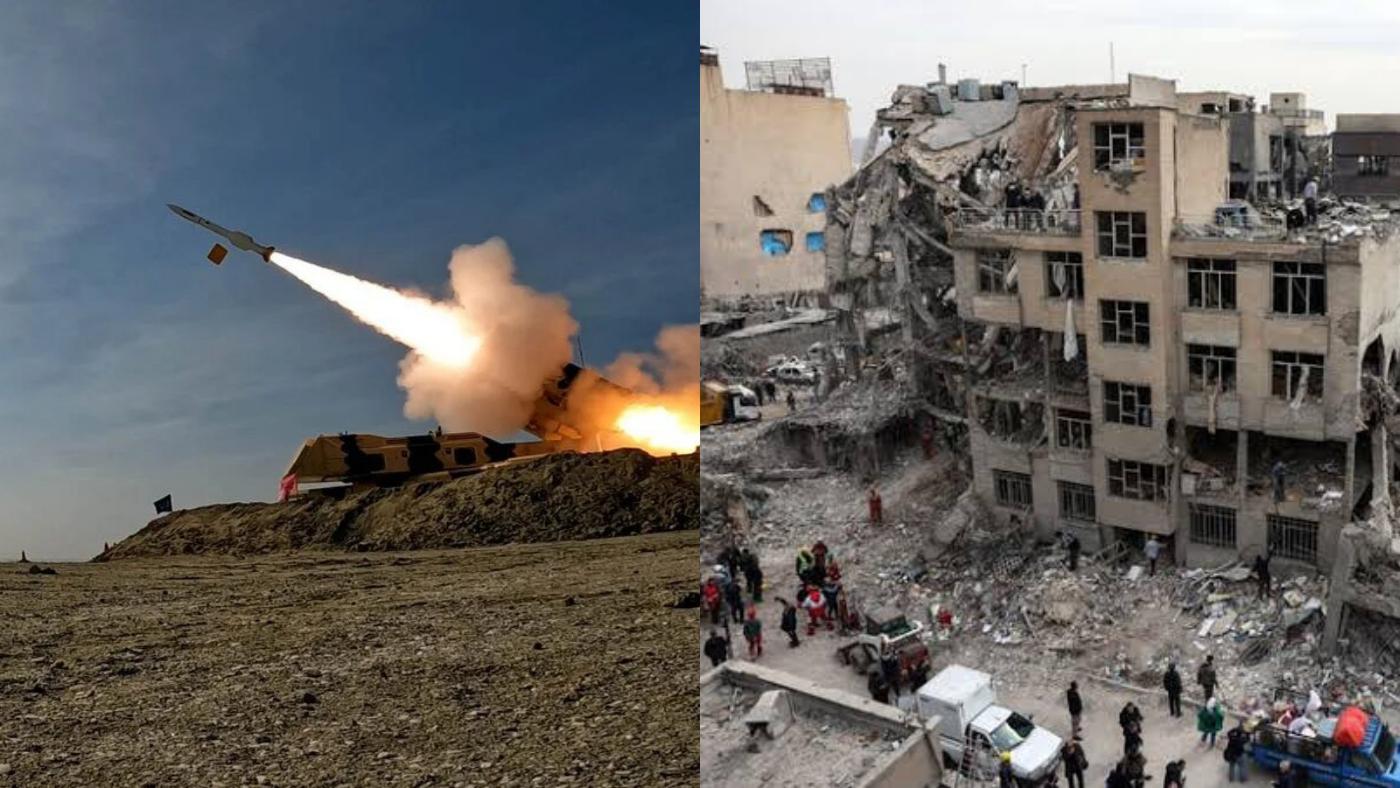
Recent data from Google Trends indicates a surge in searches for the phrase “how to hide” in Israel over the past month, reflecting growing public concern during a period of heightened regional tensions.
Public search analytics from Google show a sharp increase in interest for the phrase in Israel. The trend can be viewed through the platform’s public dashboard, which tracks relative search popularity across time and geography.
Google Trends measures search activity on a scale from 0 to 100, where 100 represents the peak popularity of a query within the selected time frame. The data for Israel shows that interest in the phrase rose quickly in recent days compared with earlier weeks, suggesting a sudden shift in what people are looking up online.
Search spikes tied to safety questions often occur during periods of conflict or security alerts. When uncertainty increases, people commonly turn to search engines to find guidance on how to protect themselves and their families.
Public safety agencies and humanitarian organizations typically advise several basic steps for civilians seeking protection during armed conflict or air-raid situations. One of the most widely recommended actions is to move immediately to a designated shelter or reinforced room when warning sirens or alerts are issued. Underground shelters, basements, and hardened safe rooms are generally considered the safest locations during missile strikes or aerial bombardment.
If a dedicated shelter is not available, emergency preparedness guidelines often recommend moving to an interior room away from windows and exterior walls. Areas such as stairwells, hallways, or rooms on lower floors can offer better protection from flying debris and shockwaves. Civilians are also commonly advised to stay low to the ground and avoid open areas or rooftops where exposure to shrapnel and falling debris is higher.
Emergency planning resources also emphasize preparation before an incident occurs. Families are often encouraged to identify the closest shelter in advance, keep emergency supplies such as water, flashlights, and first-aid kits readily available, and maintain a plan for contacting relatives if communication networks become disrupted.
The surge in “how to hide” searches highlights how internet behavior can reflect real-time concerns during periods of tension. As events evolve, analysts and journalists frequently monitor search data to understand how public attention and safety concerns shift in response to breaking developments.