Several efforts across India have led to commendable outcomes in wildlife conservation, thanks to long-standing dedication from forest officials, local communities, scientists, and government support.
Over the years, projects that once seemed daunting have grown into case studies of what can be achieved through patience, policy backing, and persistent fieldwork. Many species that were once on the brink of extinction now show steady population recovery.
The combined impact of legal frameworks, protected area expansion, and awareness campaigns has shaped a different reality for numerous endangered animals. Conservation here has taken various forms, ranging from large-scale national initiatives to grassroots action involving tribal groups and farmers.
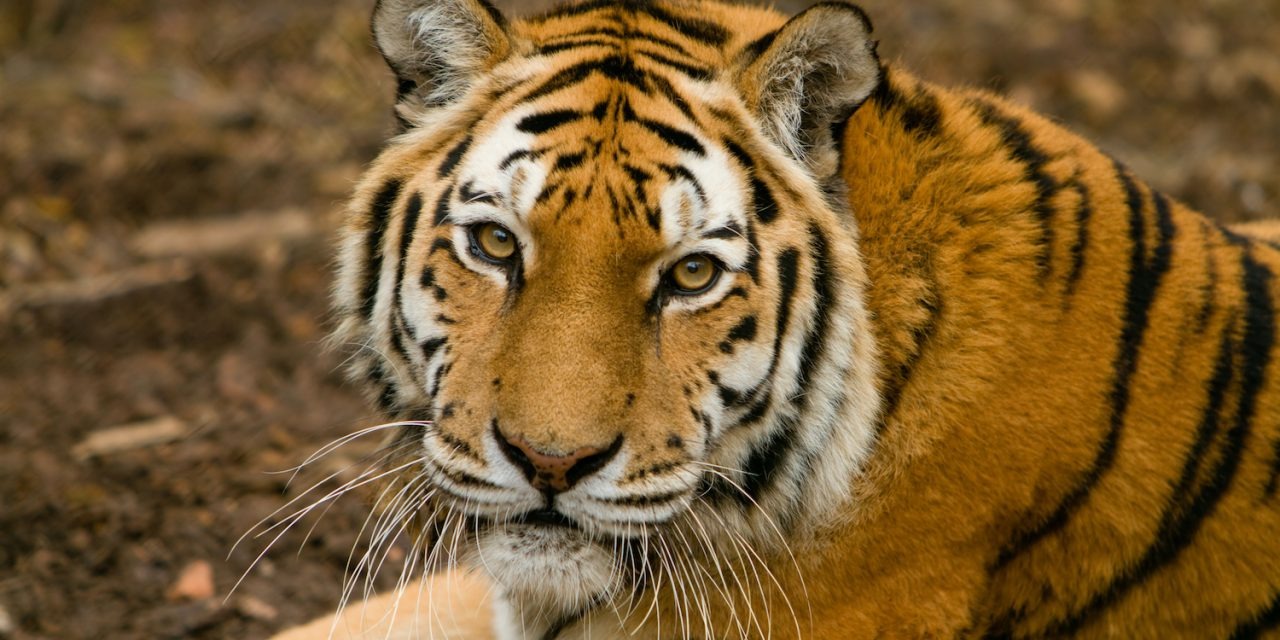
India’s National Park (Photo: Getty Images)
Each success is rooted in ongoing collaboration, often requiring people to balance their daily needs with the preservation of natural habitats. Progress has come step by step, driven by adaptive planning and consistent local participation.
Project Tiger: From Decline to Hope
Launched in 1973, Project Tiger has become one of the most enduring efforts in India’s wildlife protection journey. The early warning signs of tiger population drops due to poaching and habitat destruction led to focused action.
Specially protected reserves were created, anti-poaching teams were trained, and awareness was spread through schools and community platforms.
As a result, India’s tiger population has grown over time—from about 1,400 in 2006 to over 3,000 today. Areas like Jim Corbett, Bandhavgarh, and Ranthambhore have become strongholds for these big cats.
Asiatic Lion Conservation in Gir Forest
The Gir Forest of Gujarat remains the only home of the Asiatic lion, and it’s no accident. Decades of monitoring, community engagement, and habitat regulation have helped bring the lions back from a low point of less than 200 in the early 20th century to over 600 individuals now. Local people were included in decisions, allowing their livelihoods to continue while protecting the lions’ territory.
Kanha’s Barasingha Recovery Programme
The swamp deer, or barasingha, once faced extinction threats due to shrinking wetlands and hunting. However, Kanha National Park in Madhya Pradesh carried out a focused rearing programme.
Fenced enclosures, habitat regeneration, and food management were introduced. Today, the barasingha is thriving again, and the park is seen as a model for similar reintroduction efforts elsewhere.
Kaziranga’s Rhino Protection Strategy
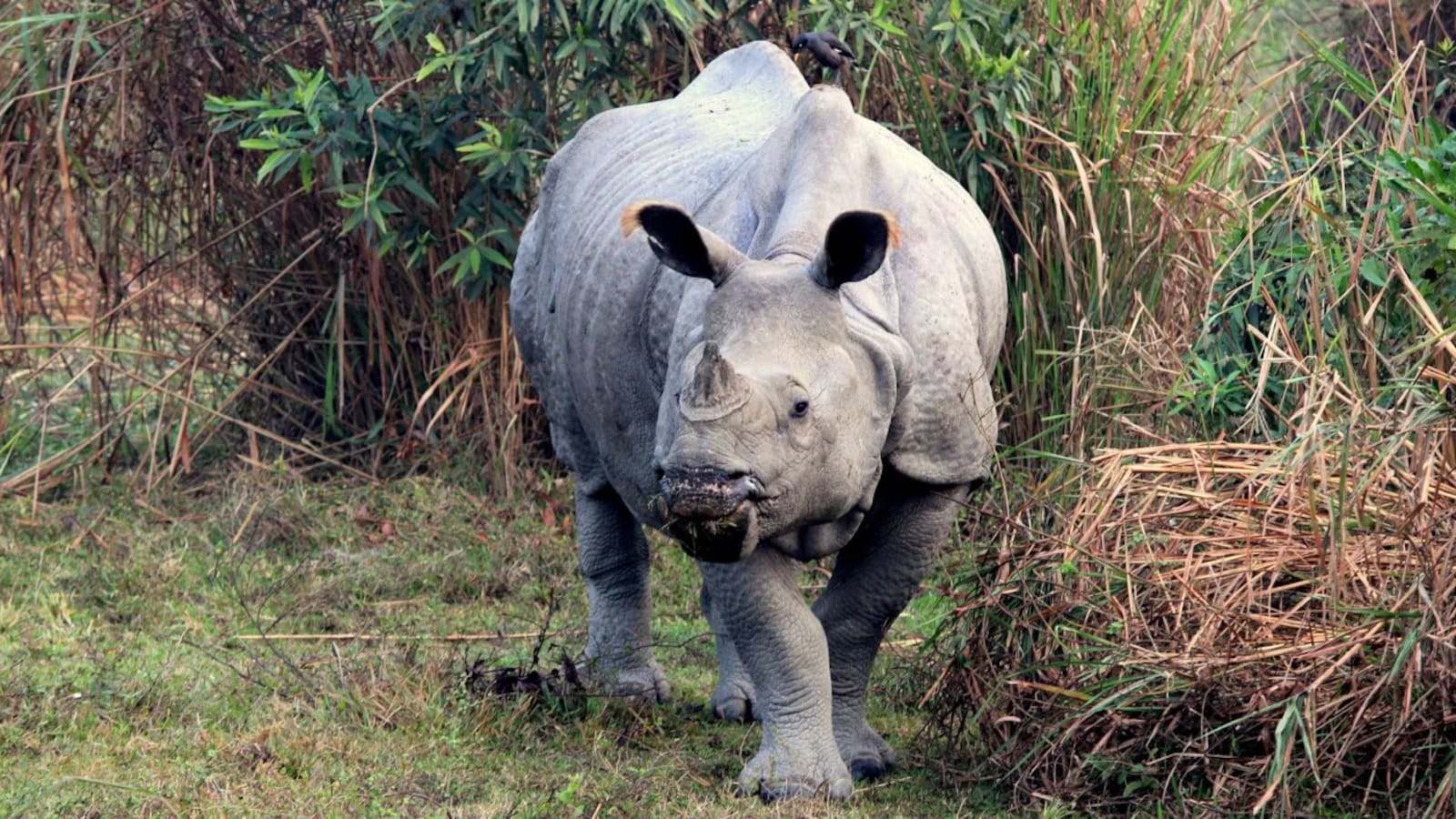
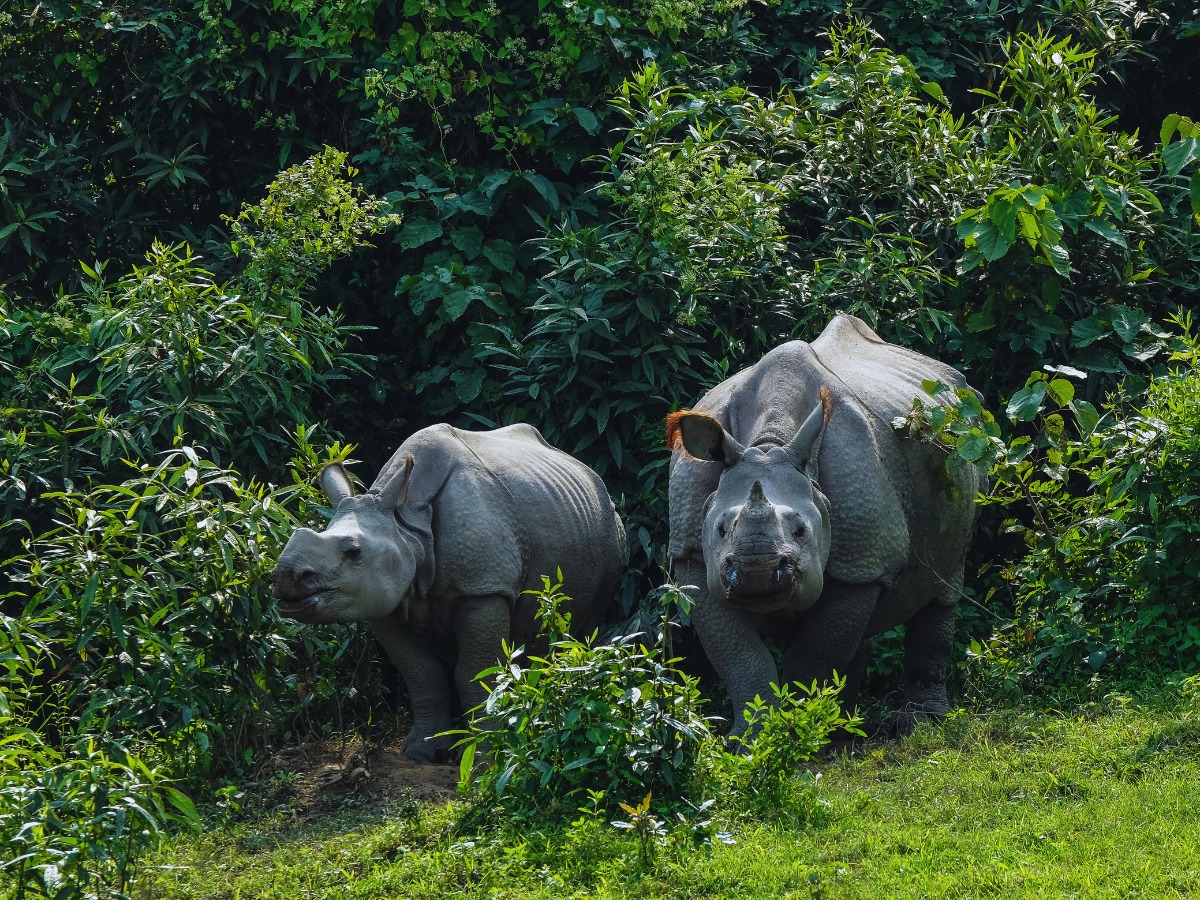
Kaziranga National Park in Assam holds one of the largest populations of the Indian one-horned rhinoceros. Years of committed protection work, especially armed patrolling and swift legal action, have been central to its success.
Strong partnerships between forest guards and residents reduced poaching dramatically. The population has crossed 2,600, making Kaziranga a symbol of determined conservation effort.
Silent Valley: A Victory for Public Action
Silent Valley in Kerala was once at risk of being lost to a hydroelectric project. However, intense protests by scientists, environmentalists, and local citizens led to the cancellation of that plan.
The area was declared a national park in 1984, preserving its dense forest and unique biodiversity. This event helped spark wider interest in preserving natural habitats without compromising ecological health.
Snow Leopard Initiatives in the Himalayas
India’s remote high-altitude areas support the elusive snow leopard. Programmes such as the Snow Leopard Project focus on engaging with Himalayan communities to protect this rare predator.
Endangered species (Photo: Shutterstock)
Locals receive compensation for livestock loss and take part in monitoring activities. These steps help reduce conflict while building community stewardship.
Olive Ridley Turtles and Coastal Participation
Along India’s eastern coast, Odisha has seen encouraging results in conserving the Olive Ridley turtles. The annual mass nesting events at Gahirmatha and Rushikulya beaches are now better protected through the joint efforts of villagers, volunteers, and the forest department.
Temporary fishing bans, beach clean-ups, and lighting restrictions have supported a safer nesting environment for these marine creatures.
Great Indian Bustard Conservation in Rajasthan
The great Indian bustard, once common in western India, now faces critical danger. Yet, efforts continue in states like Rajasthan to restore its population.
Fencing off breeding grounds, reducing collisions with power lines, and involving local herders are main strategies. Breeding centres have also been set up to support population growth under human care before release into the wild.
Each of these cases reflects how a combination of science, local cooperation, and firm policies can reverse ecological damage when kept consistent over time.