India’s urban areas have been adjusting their development patterns to better align with environmental responsibility. Cities that were once known for congestion and pollution have started making adjustments that reflect a stronger awareness of long-term ecological impact.
Recycling efforts, alternative transport systems, and energy-efficient buildings are now more common than before. Green initiatives are no longer being treated as side projects but are now part of wider city planning.
These moves have brought attention to how municipalities can work with both public and private sectors to introduce improvements without halting development.

Sustainable Construction in India (Photo: Alamy)
Urban growth continues, but it is being shaped differently, with more attention placed on how resources are used and what future outcomes they might produce. The change has not been instant, but it is being pushed consistently by various institutions and community groups across different cities.
Cleaner Transport Systems and Reduced Emissions
Major cities such as Delhi, Mumbai, and Bengaluru have all taken steps to reduce their reliance on petrol and diesel vehicles. More electric buses and CNG-powered public transport options are now on the roads, with increased availability encouraging wider use.
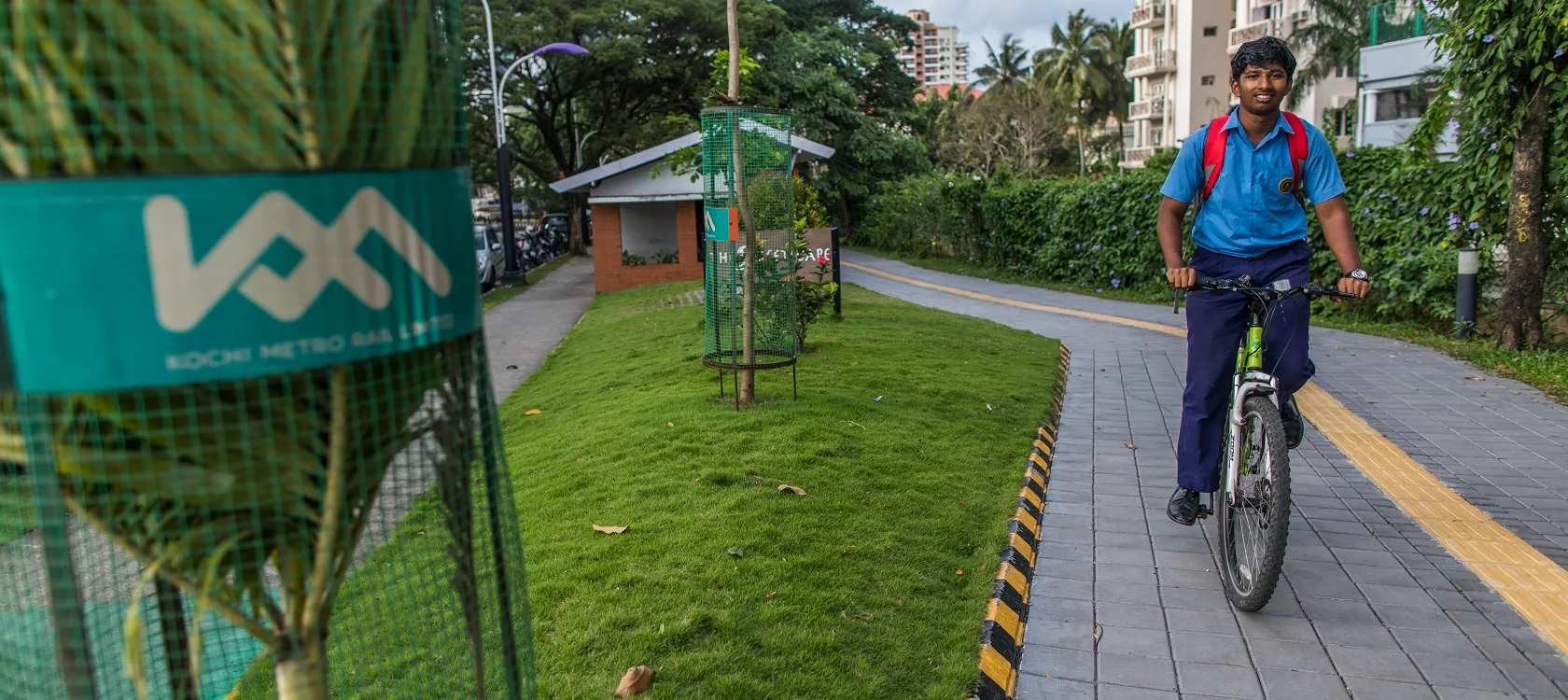
Metro systems are expanding, while cycling paths and pedestrian-friendly zones are becoming more frequent. These actions are lowering air pollution levels and encouraging healthier ways of moving around the city. Urban residents are gradually turning to these methods as daily alternatives.
Improved Waste Management and Recycling Practices
With waste piling up at alarming rates in many areas, local governments have had to rethink how they handle garbage. Segregation at source has been made mandatory in several cities, and some neighbourhoods now process a portion of their waste within their own limits.
Composting units, plastic collection drives, and awareness programmes have helped reduce the burden on landfills. While challenges remain, especially in densely populated slums and informal settlements, these practices are gradually gaining ground.
Energy-Efficient Infrastructure on the Rise
New buildings across various metros are now being constructed to match green building certifications. These structures are built to minimise energy use and maximise natural ventilation and daylight.
Rooftop solar panels and rainwater harvesting systems are now more common in housing societies and commercial buildings.
As construction guidelines change, developers are encouraged to use materials and methods that support environmental goals. This is shaping how cities grow from the foundation upward.
Community Engagement and Local-Level Efforts
Residents themselves are now playing a part in promoting sustainability. From housing associations to school programmes, there is growing involvement in reducing water wastage, planting trees, and supporting eco-friendly habits.
Start-ups and non-profits are also introducing innovations that offer simple solutions with large impacts, such as app-based recycling pickups or community gardens. These efforts, while small on their own, add up over time when practised consistently.
Government Policies and Supportive Programmes
Central and state governments have introduced several schemes to support cleaner cities. Initiatives such as the Smart Cities Mission and Swachh Bharat Abhiyan have encouraged local authorities to invest in greener technologies and more sustainable services.
These programmes often come with performance-based funding and monitoring, encouraging better implementation and maintenance. Cities that perform well are being recognised and supported, which creates motivation for continued progress.
Challenges That Still Exist
Even with improvements, urban India continues to face several obstacles. Water scarcity, poor air quality, and uneven infrastructure continue to affect many cities. Rapid urbanisation also puts pressure on existing systems.
To keep moving forward, cities must ensure that growth does not come at the cost of environmental health. Constant effort, community participation, and steady investment remain crucial in shaping how Indian cities deal with these ongoing concerns.