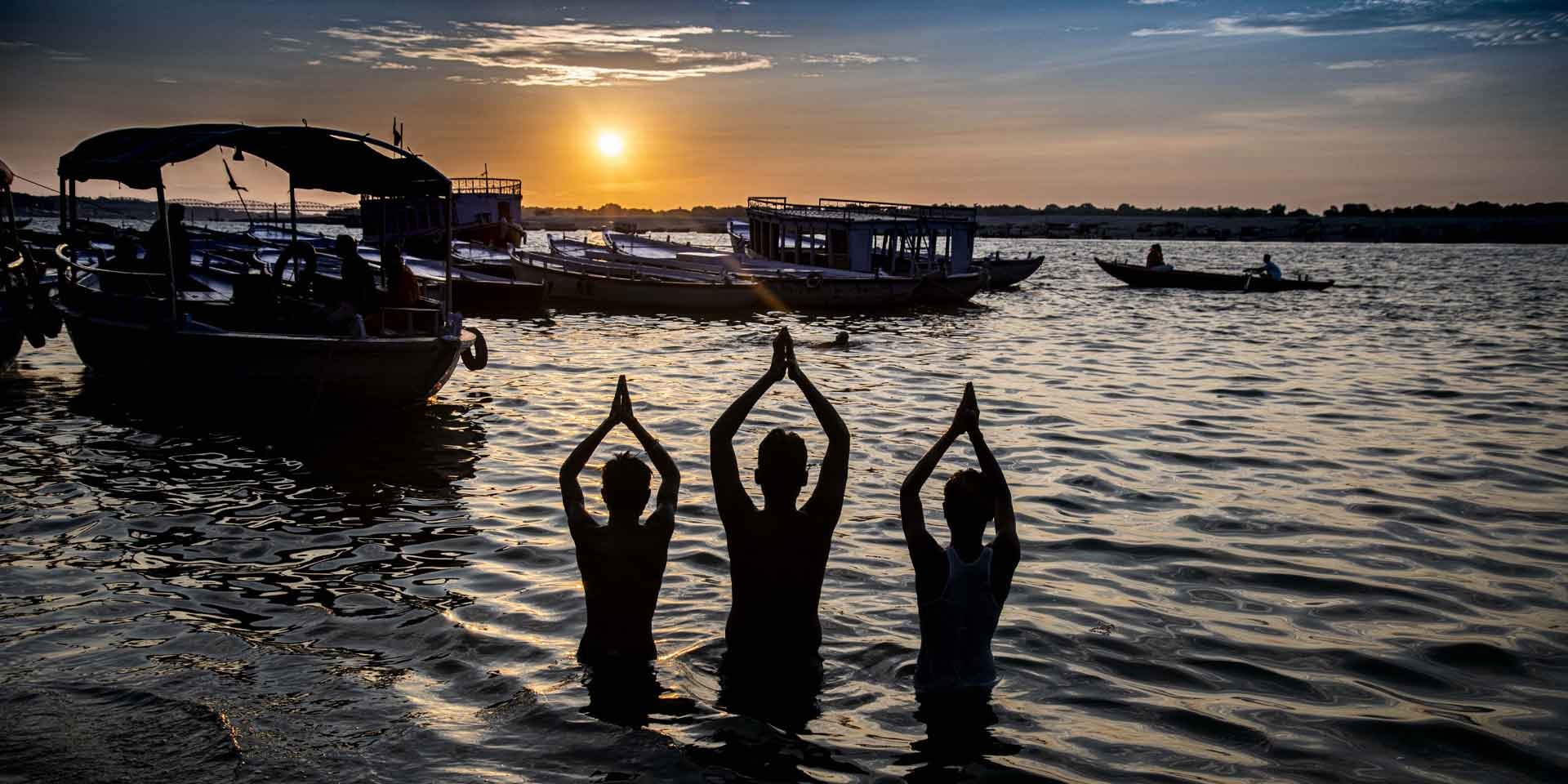
India is a nation blessed with an abundance of rivers, each with its own historical, cultural, and ecological importance. However, in recent decades, these rivers have faced numerous challenges, from pollution to the depletion of water resources.
The government and various non-governmental organizations (NGOs) have recognized the urgent need to restore the rivers to their former glory. Various efforts are now underway to revive these lifelines of the nation, ensuring that the rivers continue to serve as critical sources of water, transport, and livelihoods for generations to come.
Many of India’s rivers, which once sustained entire civilizations, have been reduced to little more than open drains due to years of neglect, industrial discharge, and urbanization.
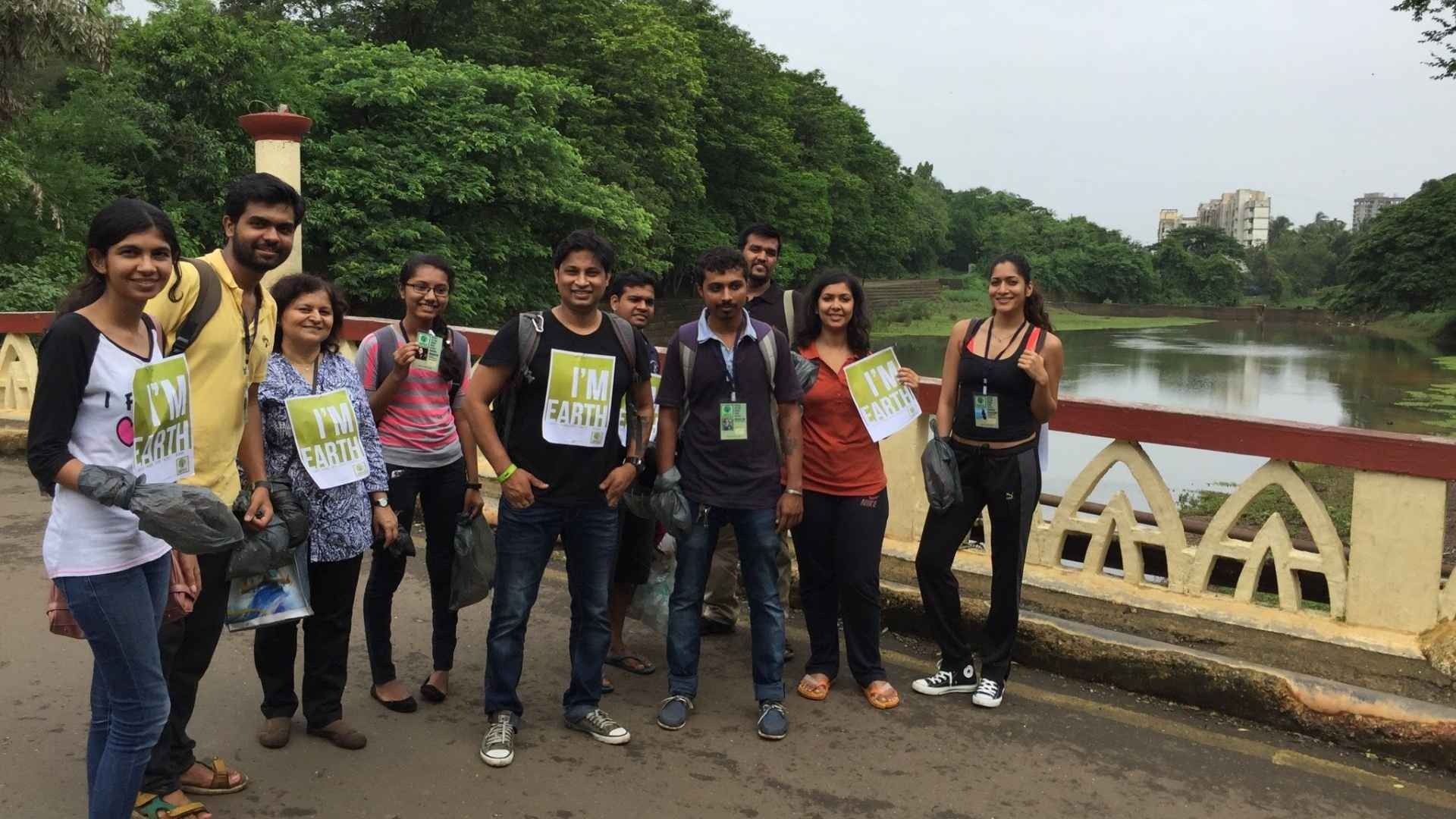
Local communities are at the heart of river restoration projects in rural India (Photo: Alamy)
These rivers are not only vital for drinking water but also support agriculture, fisheries, and transportation systems. Over time, the importance of these rivers in sustaining life in India has been forgotten by many, but the need to protect them has never been clearer.
Government Initiatives to Restore India’s Rivers
The Indian government, through its National River Conservation Plan (NRCP), has been at the forefront of river conservation efforts. The NRCP aims to clean and rejuvenate some of the country’s most polluted rivers, including the Yamuna, Ganga, and Godavari.
Various river cleaning projects under this plan focus on reducing pollution by treating sewage, industrial waste, and solid waste that flow into these rivers. The government’s investment in water treatment plants, sewage infrastructure, and the promotion of waste management programs is a step in the right direction.
At the heart of these efforts is the Namami Gange Programme, which is a flagship initiative of the government to clean and conserve the Ganga River. The Ganga is considered a lifeline by millions of people who live along its banks.
Over the years, it has faced increasing pollution from domestic waste, industrial effluents, and religious rituals. Through the Namami Gange Programme, the government is focused on curbing the flow of untreated sewage and waste into the river, cleaning the water, and restoring its sanctity.
The Namami Gange Programme also encourages the creation of green zones along the banks of the river, ensuring that the riparian ecosystems are restored.
Apart from cleaning the river itself, this initiative aims to improve the quality of life for the people living in the surrounding areas by providing better sanitation facilities, creating awareness about the importance of water conservation, and promoting sustainable farming practices.
Efforts by Local Communities
While government initiatives are crucial, the involvement of local communities is equally important in the effort to restore India’s rivers. Communities living along the banks of major rivers, particularly in rural areas, have a deep connection with these water bodies. In many places, the revival of rivers has become a community-led movement, with local people taking the lead in cleaning and protecting the rivers.
In states like Uttarakhand, where the Ganga originates, local communities have been actively involved in river restoration activities. Volunteers regularly gather to clean the river and its tributaries.
These community-driven initiatives are crucial in creating awareness about the impact of pollution and encouraging others to contribute to the river’s revival. In some areas, locals have worked to plant trees along riverbanks to prevent soil erosion and improve the health of the water body.
One of the most heartening aspects of these local movements is how they have brought together people from various backgrounds and walks of life, united in their mission to save their rivers. From students to farmers to elders, everyone has come together, realizing that the future of their livelihoods depends on the health of the river.
Technological Solutions in River Restoration
Another major factor driving the restoration of India’s rivers is the application of technology. India has begun using advanced technology, such as satellite imaging, drones, and artificial intelligence, to monitor river health.
These tools help to track the pollution levels in real-time, measure water quality, and assess the entire health of the river ecosystem. Data collected through these technologies is being used to create better strategies for cleaning and restoring rivers.
Additionally, modern waste treatment technologies, such as bio-toilets and decentralized waste management systems, are being adopted in rural and urban areas. These solutions help prevent untreated sewage from flowing into rivers, seriously reducing the level of contamination.
Various water management solutions, such as rainwater harvesting and water recycling systems, are being implemented to conserve water and reduce dependency on rivers for irrigation and drinking water needs.
Partnerships with Environmental NGOs
Environmental NGOs have played an integral role in the restoration of India’s rivers. These organizations often bring expertise, funding, and a global perspective to river conservation efforts.
Organizations like the Centre for Science and Environment (CSE), the Wildlife Institute of India (WII), and the WWF India have been working tirelessly to promote sustainable river management practices.
Through awareness campaigns, research, and advocacy, these NGOs have successfully rallied support for river protection. They have also played a key role in pushing for stronger environmental regulations and policies to prevent further degradation of rivers.
NGOs have been instrumental in highlighting the plight of rivers and lobbying for the implementation of sustainable water policies. They also help bridge the gap between the government and the public, ensuring that communities remain engaged and committed to river restoration.
The Role of Education and Awareness Campaigns
Awareness and education have emerged as key tools in the effort to restore India’s rivers. In many places, people are unaware of the harmful impact their actions, such as throwing waste into rivers, can have on the environment.
To address this issue, schools, colleges, and local organizations have begun teaching the younger generation about the importance of rivers and water conservation.
The role of media and social media in spreading awareness cannot be understated. Campaigns like “Save Ganga” and “Rivers of India” have gained traction on various platforms, helping to spread messages about river conservation to a broader audience.
Celebrities and public figures have also contributed to these efforts, using their platforms to raise awareness and mobilize action for river restoration. By making river protection a part of the national conversation, the hope is to create a culture of environmental responsibility that extends beyond riverbanks and into the daily lives of the citizens.
Impact on Rural Communities and Agriculture
Restoring India’s rivers has a direct impact on rural communities and agriculture. Rivers provide irrigation for vast swathes of agricultural land, and the health of the river ecosystem is tied to the agricultural productivity of the region.
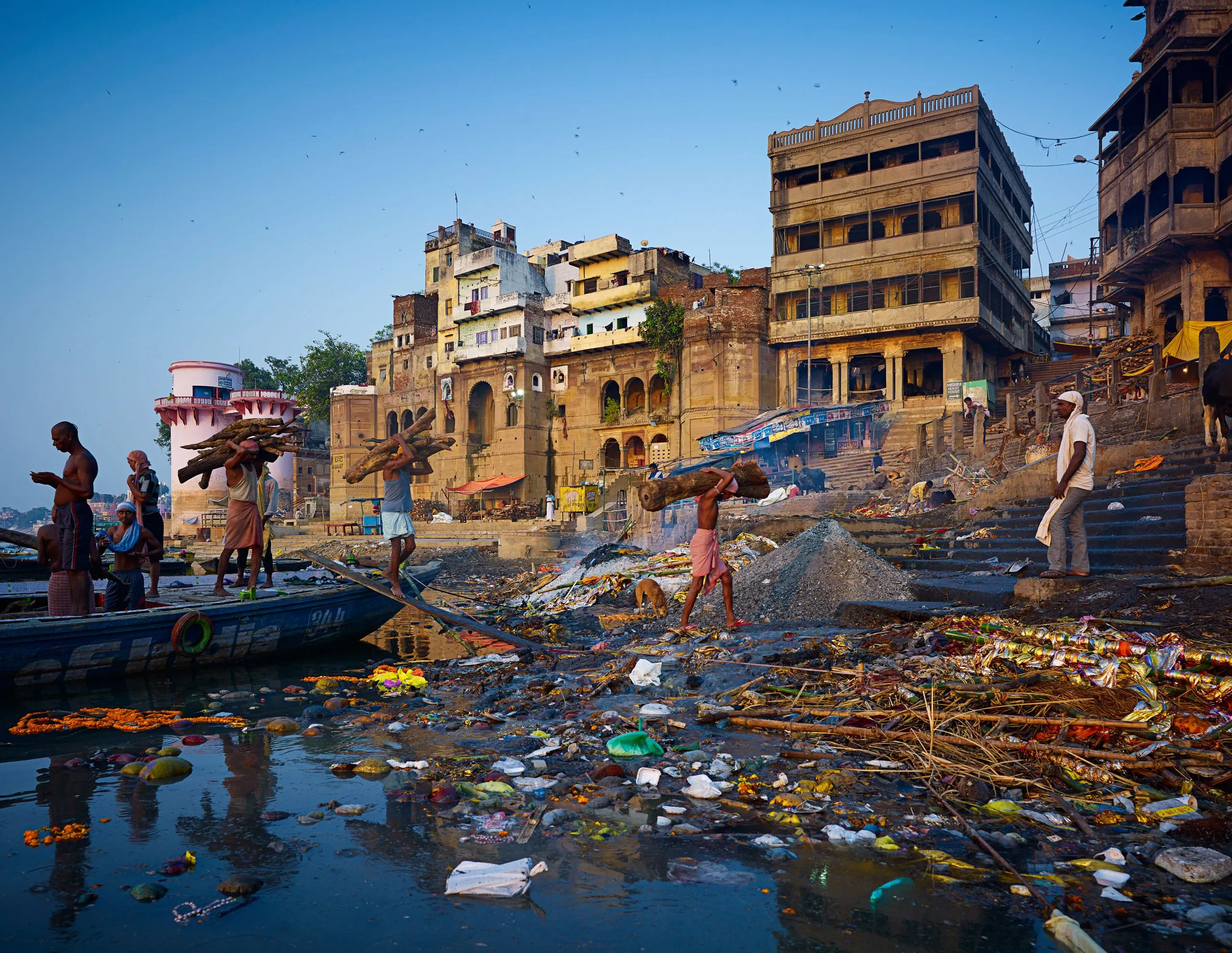
As the Ganga faces pollution, initiatives like Namami Gange aim to bring it back to its pristine state (Photo: Twitter)
As rivers are revived, the availability of water for irrigation improves, leading to better yields and more sustainable farming practices. Farmers, who have long been at the mercy of unreliable water supplies, are beginning to see the benefits of a cleaner river system.
The revival of rivers also has the potential to reduce the prevalence of floods and droughts in agricultural areas, creating a more stable and productive environment for farming. Additionally, the rejuvenation of rivers helps support local fisheries, which are an essential source of income for many rural communities.
Encouraging Sustainable Tourism
Rivers have long been a source of livelihood for local communities, not just through farming and fishing, but also through tourism. The revival of these rivers is helping to boost eco-tourism in many regions.
As the rivers become cleaner and more beautiful, they attract tourists who want to experience the natural beauty of India’s rivers. Pilgrimage tourism, particularly to places like Varanasi and Haridwar, has also seen a surge as people come to visit sacred river sites.
Eco-tourism offers a sustainable source of income for local communities while promoting the conservation of the rivers. Local businesses that depend on the river, such as boat operators, tour guides, and hotels, also benefit from the increased tourism activity. With proper management and regulations in place, river restoration can offer both ecological and economic benefits to communities.
India’s efforts to revive its rivers are a vital step toward protecting the environment and ensuring a sustainable future for the country. From government policies to community involvement and technological innovations, the country is taking a multi-pronged approach to restoring its rivers.
The success of these efforts will depend on the continued commitment of both the government and the people, as well as the support of environmental organizations. With concerted effort and sustained action, the rivers of India can once again become a source of life, prosperity, and hope for the nation.