Healthy living depends largely on what we eat, and certain food items, especially from traditional Indian cooking, have earned respect for the way they contribute to wellness. Many of these foods have existed for centuries, passed down from one generation to the next, each one known for bringing specific health benefits to the body. From improving digestion to boosting immunity and helping the body fight unwanted conditions, these ingredients have stood the test of time.
These foods are not popular just because of tradition; modern studies have shown they carry nutrients that support better living. Whether added to meals in small amounts or eaten regularly as part of a normal diet, their effect is easy to observe over time. Some are seeds, some are leaves, others are roots, and yet each plays its role without needing to be complicated or expensive.
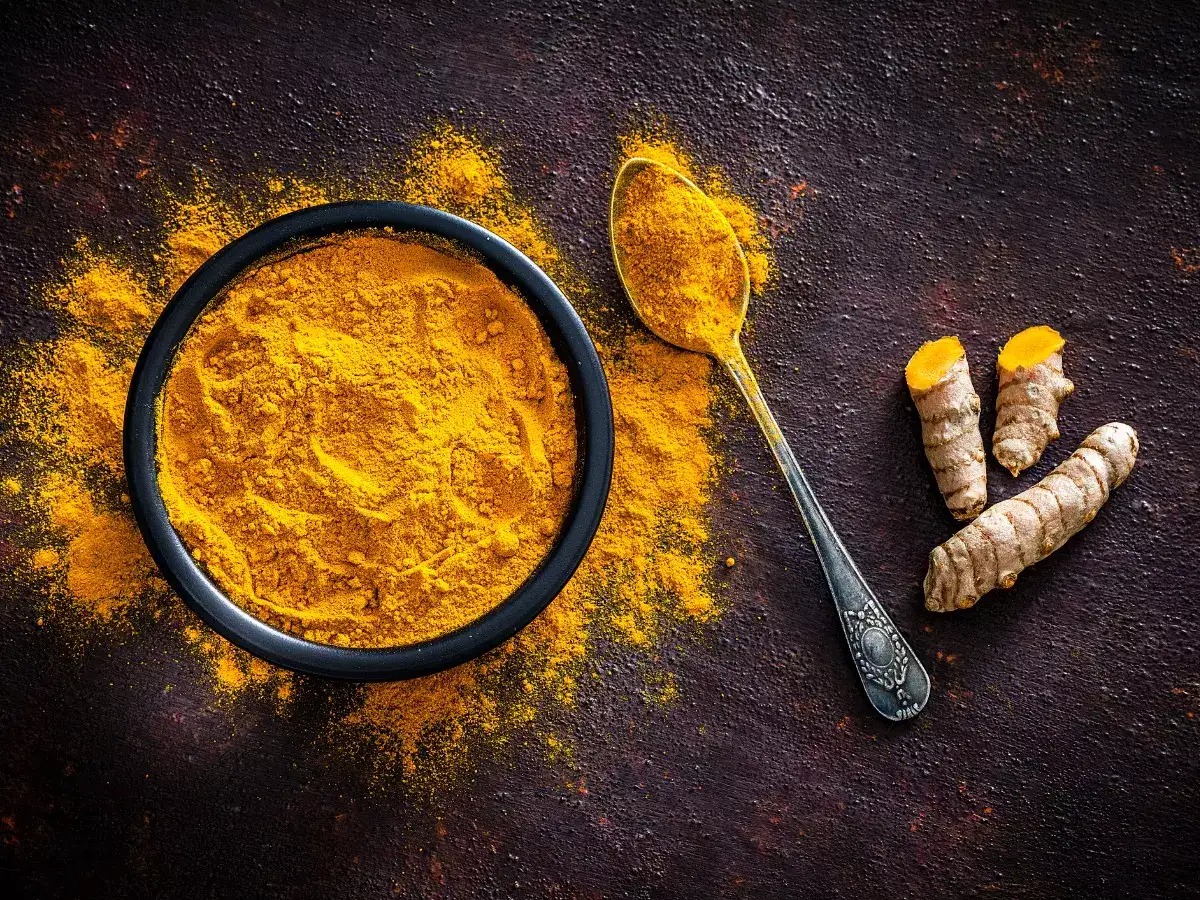
Turmeric doing more than making your curry glow (Photo: Getty Images)
Rather than relying only on processed products or pills, many individuals are returning to basic food options that support strength, vitality, and internal balance. The items listed here are common in many Indian kitchens, and their availability continues to expand beyond South Asia.
Turmeric – More Than Just Colour and Flavour
Known for giving dishes a bright yellow look, turmeric holds a strong position in Indian cooking and traditional health remedies. The active ingredient it contains, curcumin, is widely respected for its effect on internal systems. Many use turmeric to help with joint movement, reduce discomfort, or support clean skin.
Including it in cooking is easy, especially in stews, rice dishes, or tea. It helps the body stay in shape by working quietly inside, making it a regular feature in home-made tonics. Although the taste can be slightly bitter, mixing it with warm milk or honey softens its effect.
Turmeric pairs well with black pepper, which helps the body absorb it better. Some even mix it into face masks or scrubs because it helps the skin stay smooth and free from blemishes.
Amla – The Small Fruit with Strong Results
Amla, sometimes called Indian gooseberry, is small in size but highly valued for how it supports wellness. Many people take it early in the day because of its sharp taste and the way it refreshes the mouth. It contains high levels of vitamin C, which helps maintain strong resistance to illnesses.
Some prefer to eat the fresh fruit, while others go for the juice or powder form. No matter the format, it brings similar benefits. Regular intake of amla helps the body manage sugar levels, encourages hair strength, and can improve eyesight when used correctly.
Because of its sour nature, it is often mixed with honey or dried and sweetened to make it more pleasant. Traditional healers have trusted it for centuries, and recent scientific reports support many of the claims about its benefits.
Moringa – The Green Addition That Lifts Nutrition
The moringa plant, with its long seed pods and soft green leaves, has become well known for how it helps the body remain nourished. Both the leaves and seeds are used in different ways. Some cook the leaves like vegetables, while others grind them into powder for tea or smoothies.
It offers a strong amount of iron, calcium, and potassium, which are important for energy and strong bones. Some also take it to manage tiredness or weakness, as it tends to raise energy levels naturally. The taste can be slightly earthy, but with proper mixing, it blends well in meals.
Moringa also works well when combined with other vegetables in soups or traditional stews. For people who avoid meat, it helps fill the gap by supplying key nutrients needed for strong daily function.
Ghee – Traditional Fat With Lasting Value
Made by boiling butter until it separates and turns golden, ghee is used in both cooking and ritual across many Indian homes. Unlike oils that are heavily processed, ghee carries a natural aroma and smooth texture that make it ideal for frying or spreading.
Some say that ghee supports good memory and clear thinking. It also coats the stomach lining and helps with digestion when taken with rice or warm drinks. When used moderately, ghee does not raise unhealthy fat levels, and it stays fresh longer than regular butter.
It also suits people who have trouble with milk, since it contains less lactose than other dairy products. Because it can be stored for weeks without spoiling, it remains a trusted fat source in many households.
Fenugreek – Bitter Seeds With Broad Purpose
Fenugreek seeds may taste sharp at first, but their benefits are wide-reaching. When soaked overnight and taken early in the morning, these seeds help with digestion and may reduce discomfort in the stomach.
They are often ground and added to bread dough or spice blends. Many believe that fenugreek supports proper milk flow for new mothers, and it also helps balance internal sugar levels when taken regularly. Apart from seeds, the leaves are also used in cooking and offer a milder taste.
To reduce bitterness, some prefer to sprout the seeds before eating, which also increases the nutrient level. Whether taken as a spice or soaked in water, fenugreek plays a steady role in wellness plans.
Ashwagandha – The Root That Supports Daily Strength
Ashwagandha root is part of traditional Indian health practice, often taken as a fine powder mixed with warm milk. It is believed to support calmness and give the body a better ability to manage daily pressures. Those who take it regularly say it helps them sleep better and concentrate longer.
Its name translates to “smell of horse,” which suggests the strength it is expected to bring. Though the taste may take some getting used to, its calming effect makes it popular among those dealing with high workloads or long-term tiredness.
Modern products now include ashwagandha in capsules, teas, and health bars, making it easier for different age groups to enjoy the benefits without changing their routine too much.
Coconut – Multi-Use Ingredient That Balances Diet
Coconut appears in many forms, including water, oil, cream, and grated flesh. Each one has its use and benefits. The water is naturally sweet and works well as a hydrating drink, especially in hot weather. It cools the body and replaces lost minerals.

Health doesn’t always come in a capsule, sometimes it’s in your stew (Photo: Twitter)
Coconut oil, on the other hand, is used for cooking as well as skin and hair care. It resists high heat, making it suitable for frying without breaking down easily. Many traditional meals include grated coconut or use its milk for thickness and flavour.
The flesh is full of healthy fat and adds both taste and texture to a wide range of foods. While modern diets often fear fat, coconut supplies the type that supports clear thinking and steady energy.
Curry Leaves – Small Leaves With Great Impact
Curry leaves bring more than just fragrance to food. These small, dark green leaves are rich in vitamins A, B, C, and E. They are usually added to hot oil at the start of cooking, releasing their scent and nutrients into the dish.
Many believe they support good vision and hair growth. Some chew the fresh leaves each morning, while others make them into chutneys or teas. When dried and ground, the leaves can be stored for longer and added to meals without much preparation. They are often used alongside other spices, helping the stomach process food better and giving local dishes a distinct character.
Using these food items does not require a full diet change. They can be mixed with regular meals or taken in small amounts at specific times of the day. Whether it is a spoonful of ghee in rice, a sprinkle of moringa powder in stew, or a few drops of turmeric in tea, the results show when used regularly.
People of all ages can benefit, and many of these foods are now available in different formats for easier use. Rather than depending only on synthetic products, turning attention to what grows naturally and supports the body’s inner balance is a wise step.
Each food mentioned above adds its strength to the daily plate, and combined, they help maintain a healthy life with better energy and improved focus. Whether fresh, dried, cooked, or raw, these superfoods from India offer consistent value for those who use them wisely.