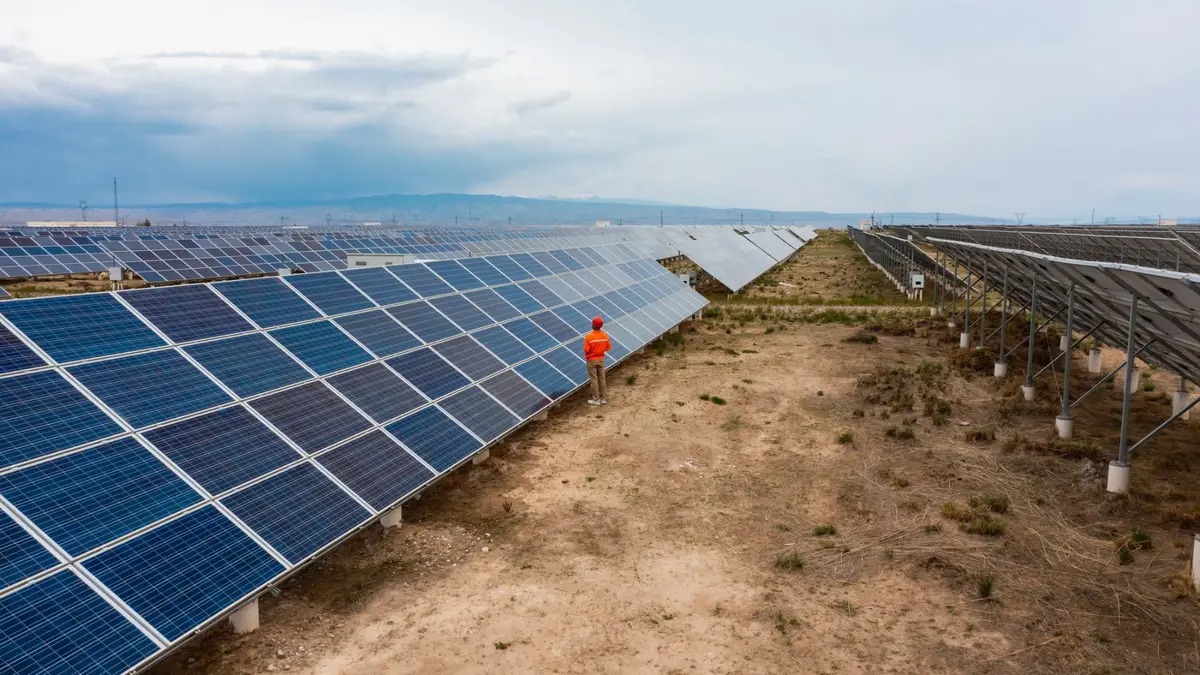
India’s commitment to advancing renewable energy has been on the rise in recent years. The country has set ambitious targets in its pursuit of sustainable and clean energy solutions.
These green energy projects span across various sectors, from solar to wind power, aiming to reduce carbon footprints and create long-term environmental benefits.
Through these projects, India is looking to strengthen its energy independence and meet its growing power demands while reducing reliance on fossil fuels. The following will take you through some of the most remarkable green energy initiatives in the country, showcasing the innovative approach to a cleaner and greener future.
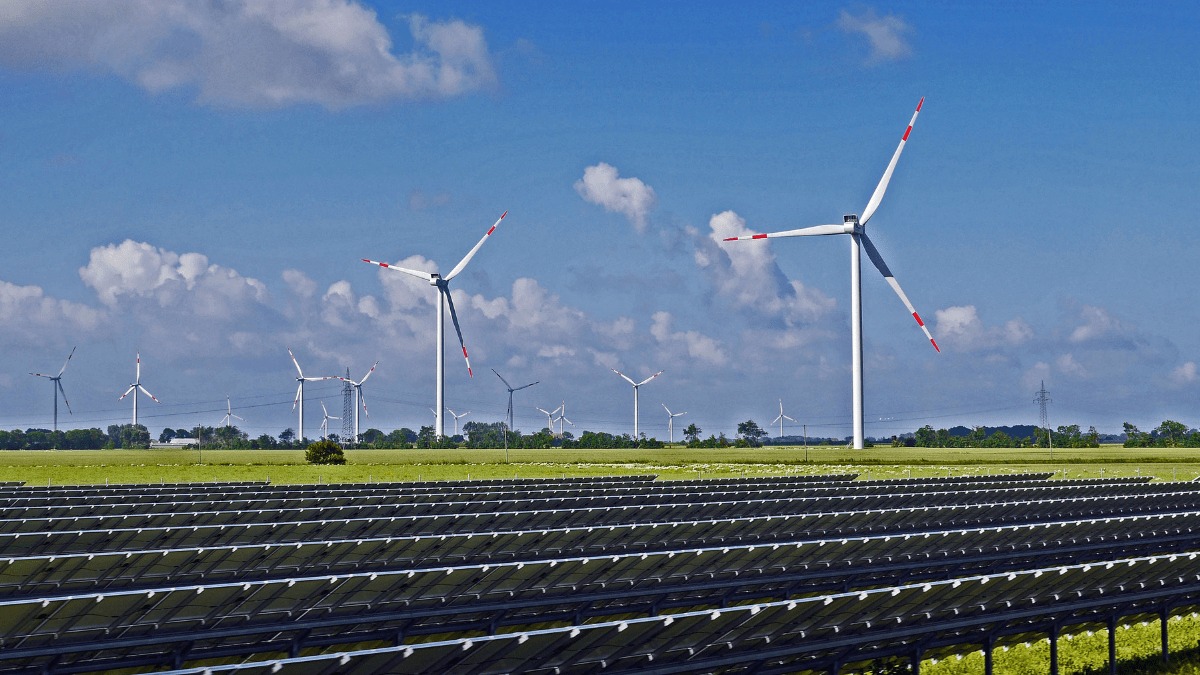
From solar parks to wind farms India is powering its path to renewable energy (Photo: Alamy)
Rewa Ultra Mega Solar Park
Located in the state of Madhya Pradesh, Rewa Ultra Mega Solar Park stands as one of India’s largest solar power installations. With an installed capacity of 750 MW, it plays a crucial role in boosting the country’s solar power generation.
This park stands out as a model project for other states, demonstrating the potential of large-scale solar power to address India’s energy needs. The energy produced here is supplied to Delhi Metro, which is one of the largest metro networks in the world.
The solar park’s success has demonstrated that large-scale solar energy can be both commercially viable and sustainable. As India seeks to reduce emissions, this project is expected to be a key contributor to the country’s clean energy future.
Kurnool Ultra Mega Solar Park
In the state of Andhra Pradesh, Kurnool Ultra Mega Solar Park is another large-scale solar project contributing to India’s renewable energy goals. Spanning over 5,900 acres, this solar park has a total installed capacity of 1,000 MW, making it one of the largest solar parks globally.
The project is built with the aim of generating clean, affordable electricity, which will be a key factor in meeting India’s 2030 renewable energy targets. With the involvement of several national and international companies, this project represents a key step toward India’s energy transformation.
The Kurnool solar park produces enough electricity to power millions of homes, reducing the dependence on traditional energy sources and bringing environmental benefits.
Gujarat Solar Park
Gujarat has also made a huge contribution to India’s green energy journey through its solar park, which is among the largest in the country. The state’s solar energy potential is immense, and the Gujarat Solar Park takes full advantage of this.
The park boasts an installed capacity of 1,000 MW, and it has already begun to make a huge impact on the state’s power supply. It is a joint effort between the Indian government, state authorities, and private sector companies.
The project also promotes local employment and skill development, further supporting the state’s green energy objectives. The Gujarat Solar Park has proven that combining government efforts with private sector investment can lead to the rapid development of large-scale renewable energy infrastructure.
Tamil Nadu Wind Power Projects
Tamil Nadu has become a leader in wind energy generation, contributing the highest amount of wind power capacity in India. The state is home to several wind farms, which collectively generate thousands of megawatts of electricity.
Among these, the Muppandal Wind Farm is one of the largest, with a capacity of 1,500 MW. This is just one example of how Tamil Nadu has utilized its vast coastline and favorable wind conditions to harness the potential of wind energy.
As one of the leading states in renewable energy, Tamil Nadu has shown how wind power can be scaled up and integrated into the national grid. The wind power projects here have played a crucial role in reducing India’s reliance on coal and other non-renewable energy sources.
Pavagada Solar Park
Pavagada Solar Park in Karnataka is another landmark project that has had a huge impact on India’s renewable energy sector. With a total capacity of 2,050 MW, this solar park is among the largest in the world.
The park is located in an arid region, making it an ideal location for solar power generation. It has been developed in several phases, with the first phase completed in 2018. The park now contributes substantially to the state’s power grid, providing clean and renewable electricity to millions of people.
The success of Pavagada Solar Park highlights the importance of optimizing land use for renewable energy generation, particularly in areas that are not suitable for traditional agriculture or other land uses.
The National Wind-Solar Hybrid Policy
India’s approach to green energy is not just about large-scale solar and wind power projects; it also includes innovative policies to improve the efficiency and integration of renewable energy systems. One such initiative is the National Wind-Solar Hybrid Policy, which aims to combine both wind and solar power to create a more reliable and consistent power supply.
This policy encourages the installation of hybrid systems that use both wind and solar energy to maximize generation capacity while minimizing the need for backup power.
By integrating these two renewable sources, India aims to improve the stability and reliability of its renewable energy grid. This approach will ensure that energy generation remains consistent, even when one source is not available, such as when there is no sunlight for solar power generation.
Ladakh Solar and Wind Energy Project
In the northernmost region of India, the Ladakh Solar and Wind Energy Project aims to harness the vast renewable energy potential of this remote area. Ladakh is known for its high altitude and abundant sunlight, making it an ideal location for solar energy generation. Along with solar energy, the project also tour wind power potential.
The combined capacity of both wind and solar energy in this project is expected to reach over 7,000 MW. The project will not only contribute to India’s renewable energy goals but will also help provide electricity to remote and isolated areas in Ladakh, which have historically struggled with energy access. This initiative is part of a larger effort to promote sustainable development in the region while reducing dependence on fossil fuels.
The Green Energy Corridor
To support the growth of renewable energy, India has also invested in the development of a Green Energy Corridor. This project aims to connect renewable energy sources, such as solar and wind farms, with the national power grid.
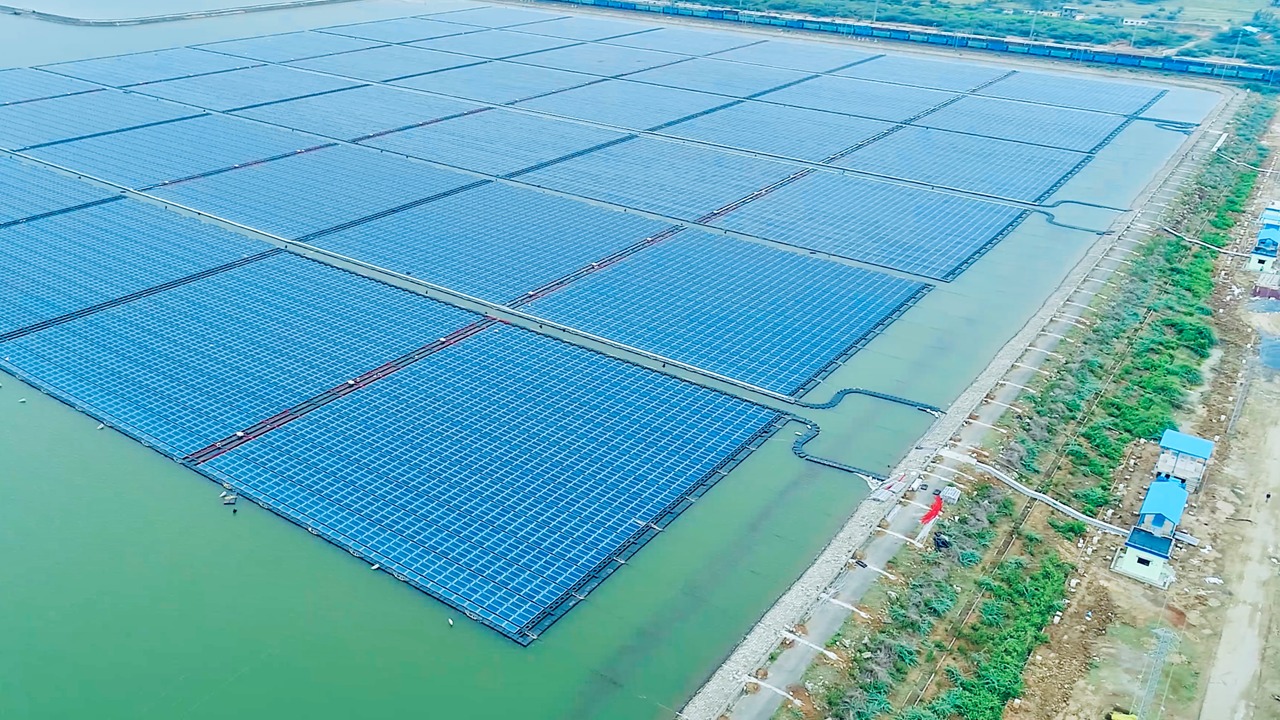
Rewa Ultra Mega Solar Park leads India’s renewable energy revolution (Photo: Twitter)
The Green Energy Corridor will facilitate the transmission of clean energy from remote areas to urban centers, ensuring that the energy generated by these projects reaches the places where it is needed most.
The corridor is designed to be flexible and scalable, allowing it to accommodate the increasing share of renewable energy in India’s power mix. This infrastructure investment will be crucial in ensuring that India’s renewable energy resources are effectively utilized and that the transition to a low-carbon energy system can continue at pace.
The Future of Green Energy in India
India’s green energy initiatives are part of a broader strategy to combat climate change and reduce the country’s carbon emissions. The Indian government has set a target of achieving 500 GW of renewable energy capacity by 2030, with a focus on solar and wind power.
These green energy projects are a step towards realizing this goal, but there is still much to be done. The future of green energy in India will depend on continued investment, innovation, and policy support. With the right infrastructure in place, India’s renewable energy sector has the potential to become a global leader in the fight against climate change.
India’s green energy projects, both large and small, are setting the stage for a cleaner and more sustainable future. With each project, the country is taking steps toward its renewable energy goals.
By combining large-scale infrastructure with innovative policy frameworks, India is well on its way to creating a green energy movement that will serve as a model for other nations. As more projects are developed and integrated into the national grid, India’s transition to renewable energy will continue to gain momentum.
The next decade will be crucial in determining whether India can meet its renewable energy targets and emerge as a leader in the global change toward clean energy.