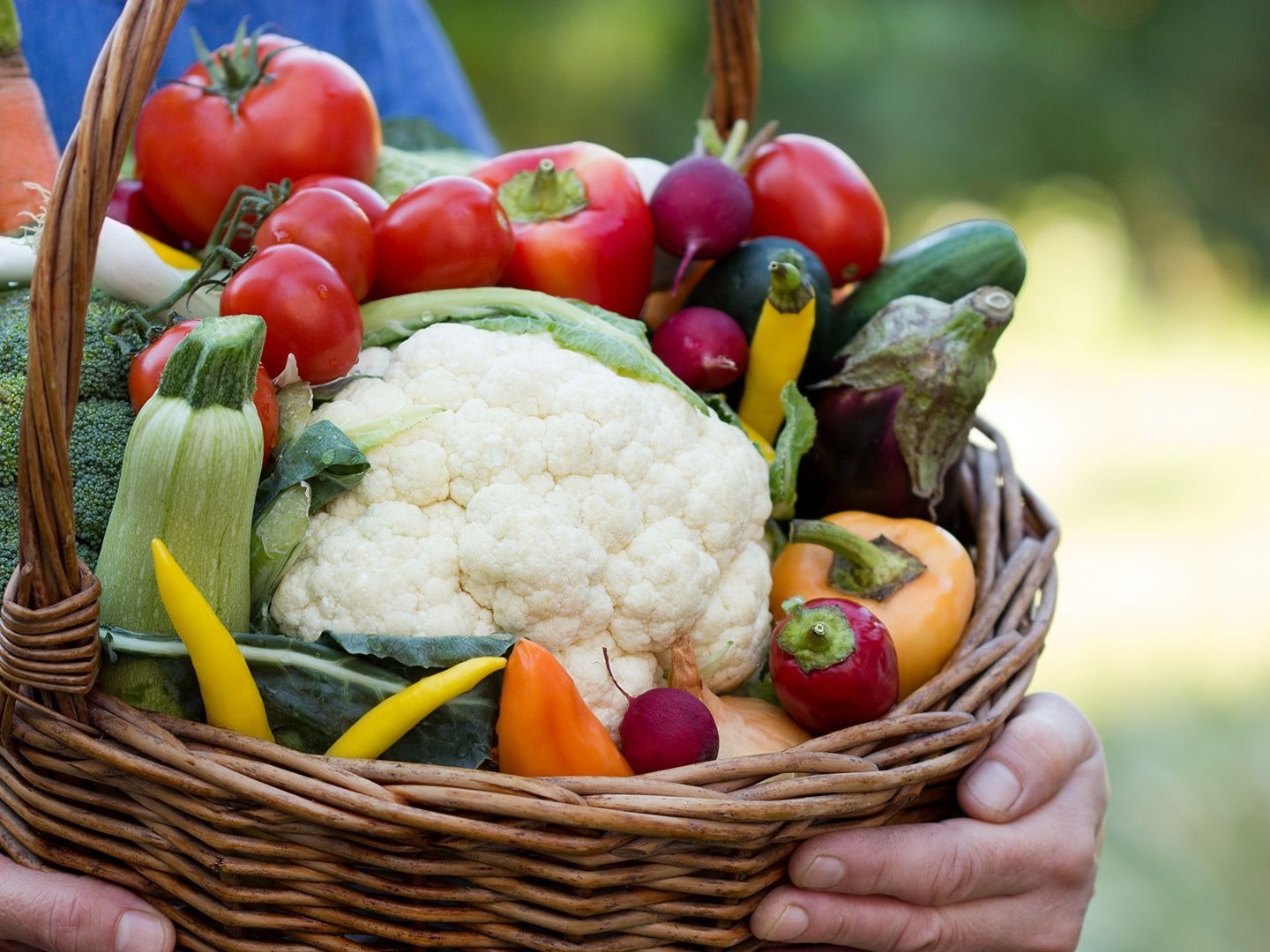
As people across many parts of the world begin to pay more attention to what they eat, India has been witnessing a steady rise in interest towards foods grown without synthetic inputs. The desire to eat items that are produced through natural methods has gone beyond a passing trend.
Now, it has grown into a stronger food movement that connects farmers, local sellers, and consumers across various regions. Over the last decade, more Indian families have started to question the source of what they consume, and this has encouraged an increased preference for organic options.
The rising demand for chemical-free produce can be traced to concerns about long-term health and environmental damage. Pesticide residues, hormone-treated meat, and over-fertilized grains have all been cited by those pushing for a return to more traditional agricultural methods.
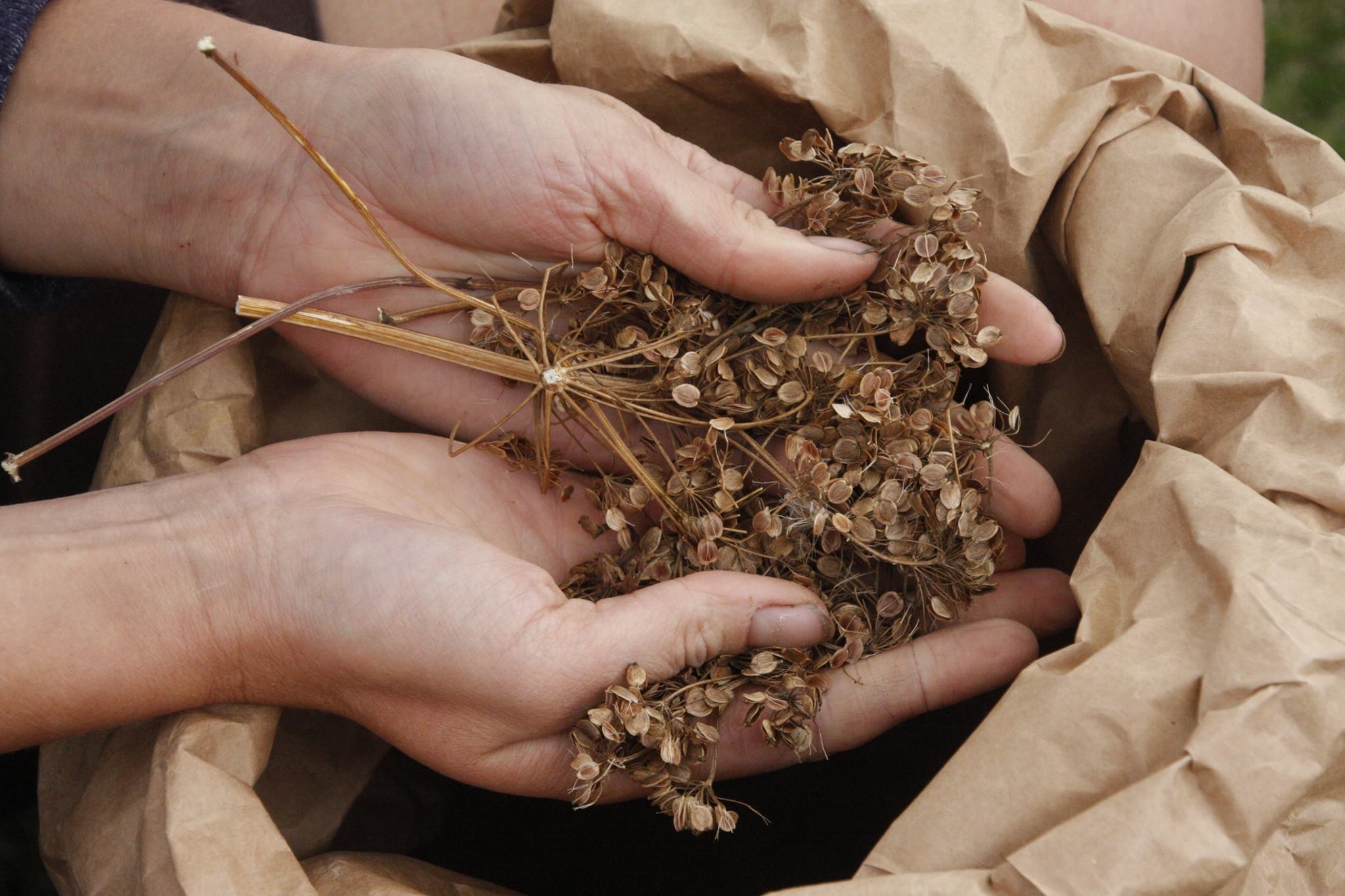
Tiny seeds of tradition growing into a global organic movement (Photo: Shutterstock)
While earlier efforts to promote this kind of farming stayed limited to small villages and farming communities, present-day developments have taken the idea to urban markets, online platforms, and even international trade events.
With this development gaining momentum in both rural and metropolitan regions, it is clear that something deeper is taking shape. From farmer-led collectives to government-supported programmes, different groups are contributing to the structure and strength of this growing system.
Rising Awareness and Health Concerns Fuel Interest
A large number of consumers today are becoming more mindful about food quality, especially after recent reports linked certain chemicals to health problems. This has caused a gradual change among buyers, who now look for labels showing items are grown naturally or processed without industrial additives. For people managing health conditions such as diabetes or allergies, this change feels urgent and personal.
Social media has also played a role in spreading the message faster. Influencers and wellness experts regularly post about their food habits and preferences, which has helped increase attention toward this movement.
Cooking channels and fitness bloggers also influence people’s decisions about what they should eat and why they should support food choices that align with more traditional growing practices.
Families with young children are among the strongest supporters of this food change. Mothers in particular are now more likely to ask questions about how milk, fruits, or vegetables are cultivated. In schools and wellness centres, discussions around nutrition have become more common, with experts encouraging parents to go for cleaner alternatives when possible.
Small Farmers Take the Lead in Rural India
While large companies have started entering the organic food market, the heart of this transformation lies in the hands of small landowners. Many of them, especially in states like Kerala, Maharashtra, Sikkim, and Uttarakhand, have gone back to traditional farming techniques.
They use local seeds, cow dung manure, and natural pest repellents made from leaves and herbs. These practices, which were once pushed aside in favour of modern chemical methods, are now being celebrated as sustainable and safer.
Groups of farmers have formed cooperatives to support one another, allowing them to market their produce as a team rather than as individuals. This has helped them get better prices and attract buyers from urban centres who are willing to pay extra for food they trust. Some groups have even begun exporting their items to foreign countries, proving that natural produce can compete globally when packaged and promoted correctly.
In regions with limited government support, non-profit organisations have stepped in to train farmers. These groups provide tools, teach certification processes, and create awareness campaigns. Through workshops and field visits, they show farmers how to grow food that meets new standards without depending on artificial solutions.
Certification Remains a Key Challenge
Though interest continues to increase, there remains a common challenge many farmers and brands face: getting the right approvals. To call their product ‘organic’ officially, sellers must go through a lengthy certification process that involves regular inspections and record-keeping. This step is necessary to maintain trust between producers and buyers, but it can be expensive and difficult for smaller players.
Several organisations have called for simpler guidelines or alternative systems that allow local markets to operate under community-based checks. In fact, the Participatory Guarantee System (PGS) was introduced by Indian authorities to give smaller growers a simpler way to label their items properly. Even with this, access to official stamps or marks is still uneven.
Many consumers still find it hard to know whether the organic tag on packaging means it truly fits the standard. For this reason, personal relationships between buyers and local producers often carry more weight than labels themselves. Direct markets and farm visits have gained popularity in cities like Bengaluru and Pune, where residents prefer to meet the growers directly.
Technology and E-Commerce Bring New Possibilities
Technology has played a large part in taking this food movement beyond farms and local stalls. Online shopping websites and mobile apps now give consumers access to organic items with just a few clicks.
Companies that sell through digital platforms have created delivery networks that bring chemical-free products straight to homes, even in areas where such items are not commonly available.
These businesses often showcase their supply chains openly, with videos, blogs, and customer reviews showing how and where the produce is grown. This has helped build confidence and attract buyers who may never have visited a farm in their lives. Digital payments and subscription boxes have made the process more convenient, encouraging even busy families to keep choosing these products every week.
At the same time, several startups have introduced mobile applications that help farmers track their methods, manage their harvests, and even connect with new customers. By bringing data into agriculture, they hope to make this kind of farming more efficient and rewarding for growers.
Government Policies and Institutional Support
In recent years, Indian policymakers have shown interest in promoting cleaner farming systems. Through initiatives like Paramparagat Krishi Vikas Yojana and the National Programme for Organic Production, resources have been made available to help farmers make the switch. Financial aid, training sessions, and market access plans have all been introduced to push this idea forward.

Moms asking the right questions and changing what’s on the plate (Photo: Alamy)
In schools and government buildings, awareness campaigns have been launched to inform the public about the benefits of clean food production. Some state governments have gone as far as declaring their intent to support entirely natural farming zones, aiming to reduce chemical use across specific regions.
Though the push from official sources is still gaining strength, it reflects a recognition that food safety, long-term soil health, and environmental care all benefit from more traditional farming approaches.
What the Future May Hold
As this interest continues to grow, more changes are expected in how food is grown, packaged, and delivered. With urban families showing loyalty to trusted producers and more farmers discovering the value of natural methods, there is a growing relationship between rural supply and city demand.
Research institutions, chefs, nutritionists, and agricultural experts are coming together to shape the next steps. From rooftop gardening in apartments to seed banks in villages, efforts are being made to protect this system from losing its direction. More young people are also returning to family farms with fresh ideas, helping to shape new paths for food production.
What started as a concern among a small group of health-focused individuals is now developing into a broader food preference shared by different social classes and regions.
If access can be improved and barriers like certification made easier to handle, India may soon become one of the strongest examples of large-scale, natural food production without losing touch with its traditions.