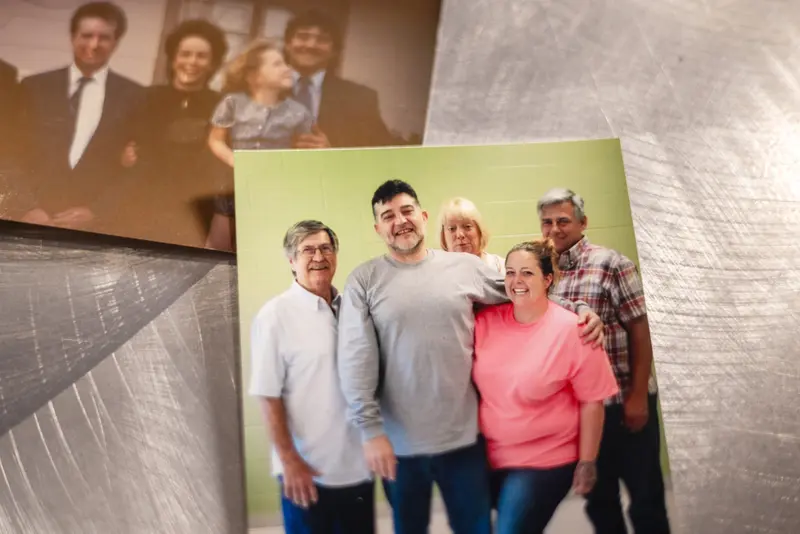
A Louisiana judge has vacated the conviction and death sentence of Jimmie Chris Duncan, nearly three decades after he was found guilty of murdering his girlfriend’s 23-month-old daughter. The 1998 conviction heavily relied on bite mark evidence, a forensic technique now widely discredited. Judge Alvin Sharp ruled that the scientific foundation of the original forensic testimony was “no longer valid” and “not scientifically defensible,” a conclusion based on new expert testimony presented during a September 2023 appeal.
The case revolved around analysis from forensic dentist Michael West and pathologist Dr. Steven Hayne, whose reputations have come under severe scrutiny. Their partnership had already led to the wrongful convictions of at least nine men, three of whom were on death row. Judge Sharp referred to their work in Duncan’s case as “questionable at best” and highlighted serious deficiencies in Hayne’s autopsy practices, including poor methodology and inadequate conclusions.
Expert Testimony and Defense Failures Raise Doubts About Duncan’s Murder Conviction
A pivotal moment in the appeals process came when a medical expert testified that the toddler’s death was more consistent with accidental drowning than homicide. Judge Sharp described this testimony as “very compelling.” Duncan had always claimed that he left the child in the bathtub momentarily and returned to find her unconscious. The absence of blood, struggle, or cleaning agents at the scene, as reported by the lead detective, further undermined the prosecution’s original claims.
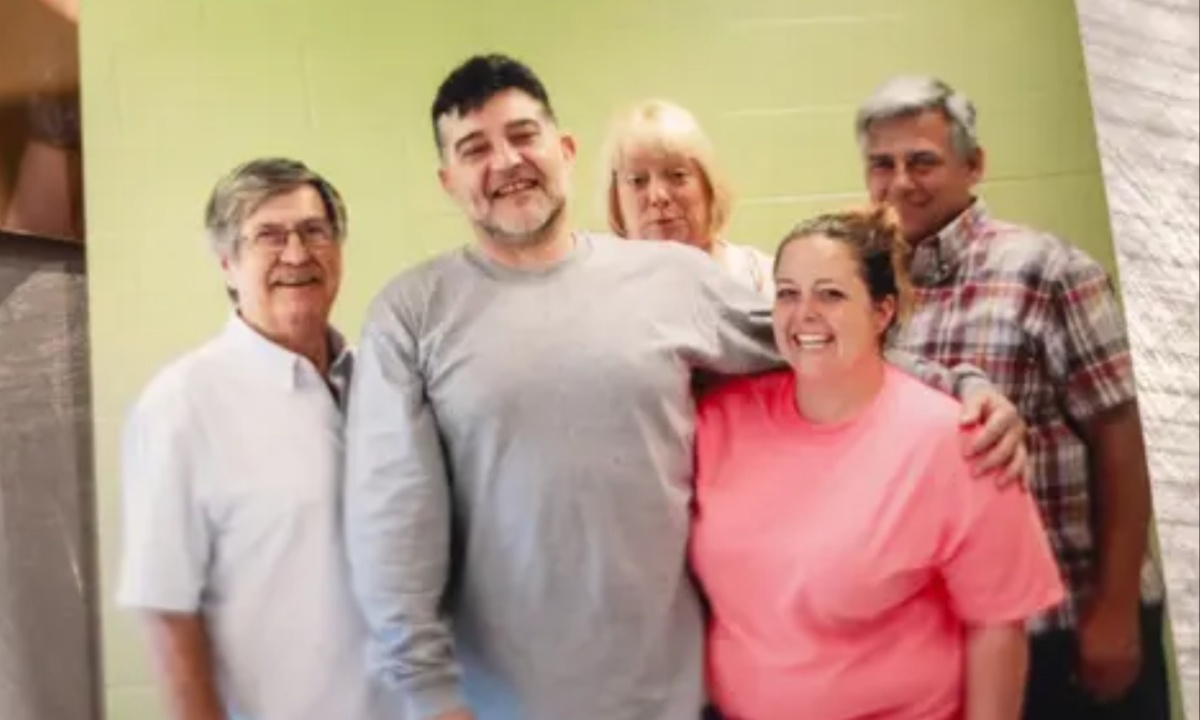
Louisiana Judge Overturns Death Sentence in Discredited Bite Mark Case After 26 Years
Judge Sharp also criticized Duncan’s original trial attorney, Louis Scott, for providing ineffective legal representation. Testimony revealed that Scott failed to investigate key evidence, present a coherent defense, or disclose a conflict of interest. These failings contributed to a weak defense strategy that may have significantly influenced the outcome of the trial.
New Evidence and Political Climate Leave Duncan’s Future on Death Row Uncertain
Additional evidence uncovered by Duncan’s post-conviction team cast further doubt on the original verdict. A jailhouse informant’s testimony, which prosecutors relied upon, was later recanted. Furthermore, video evidence surfaced showing West forcibly grinding a cast of Duncan’s teeth into the child’s body, which the defense argues proves the bite marks were fabricated to fit the prosecution’s narrative. West himself has since renounced the reliability of bite mark analysis.
Though the conviction has been overturned, Duncan’s future remains uncertain. The district attorney may appeal, pursue a retrial, or drop the case. Meanwhile, Duncan remains one of 55 inmates on Louisiana’s death row.
The political climate has shifted under Gov. Jeff Landry, a staunch advocate of the death penalty who recently resumed executions after a 15-year hiatus using nitrogen gas. Duncan’s case now stands at the intersection of evolving forensic science, legal accountability, and a politically charged push to resume capital punishment.