For many decades, football has maintained its place as one of the most loved sports in India, although the nation has not always been recognised among the stronger countries on the global stage. While cricket often dominates the sports discussion in the country, football’s roots run deep, especially in regions like West Bengal, Kerala, Goa, and the North-East.
From the days of barefoot players to modern-day athletes competing in FIFA qualifiers, the country’s involvement in the sport reflects both historical ambition and present-day persistence.
India’s engagement with international football dates back to the 1948 Olympics in London, where the national team appeared shortly after gaining independence. Despite the lack of footwear, the players competed against France and gained admiration for their effort and discipline.
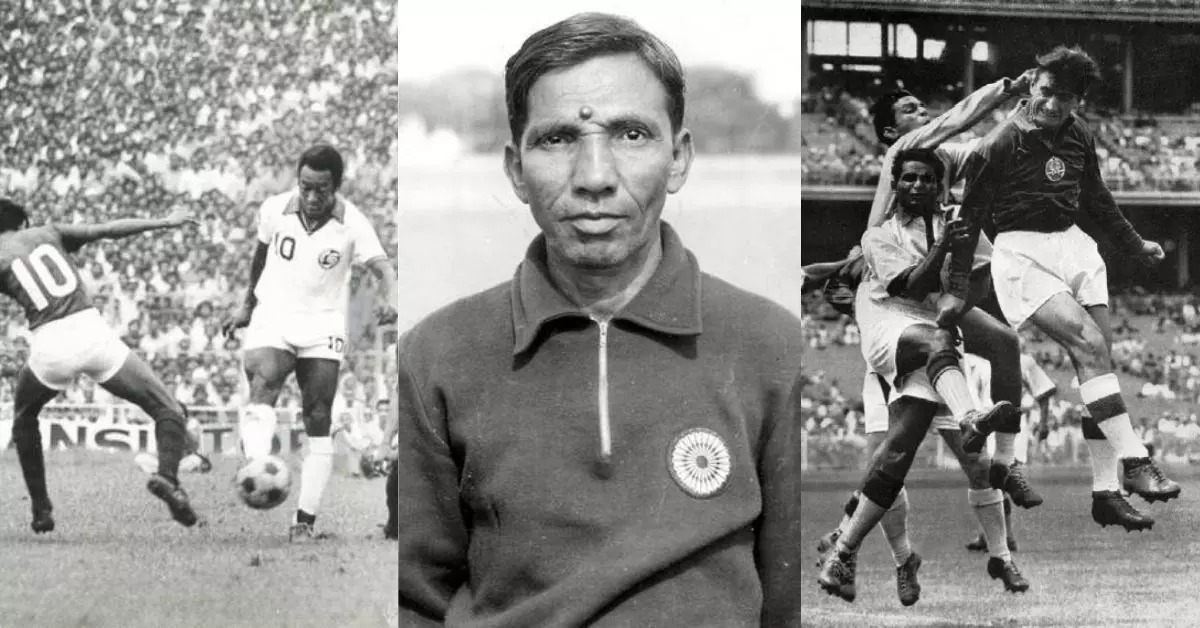
The golden years of Indian football still echo through time (Photo: Alamy)
Though the match ended in a narrow loss, their performance left a lasting impression. The real breakthrough arrived during the 1950s and early 1960s when India stood out as a strong force in Asia, under the leadership of coach Syed Abdul Rahim. This period brought about the best results in Indian football’s overseas campaign.
The Golden Period under Rahim Saab
The period between 1951 and 1962 is often regarded by many fans and historians as the most productive time for the Indian football team. With Syed Abdul Rahim at the helm, the country clinched the gold medal in the 1951 and 1962 Asian Games.
The 1956 Melbourne Olympics marked a remarkable chapter, with India becoming the first Asian country to reach the semi-finals in football. That squad featured names like Neville D’Souza, who scored a hat-trick against Australia, making him the first Asian to do so in the Olympic football tournament.
The team operated with discipline, strategy, and technical skill that rivalled many other established football nations at the time. This era raised expectations and brought pride to Indian supporters, laying down the foundation for future generations.
Decline and Struggles Through the Later Decades
After Rahim died in 1963, the national team started experiencing a drop in form. The 1970s and 1980s saw India struggling to qualify for major tournaments, let alone compete at a high level.
Administrative issues, limited infrastructure, and lack of investment in grassroots development contributed to the stagnation. Several domestic leagues existed, but none had the professional structure or exposure required to prepare players for international competition.
During this stretch, the country’s participation was mostly restricted to regional competitions like the South Asian Football Federation (SAFF) Championship. While India did manage to win titles there, it did little to improve the country’s position among the elite football-playing nations. The absence of regular competition against stronger teams meant that growth remained slow.
Turning Point with the Establishment of the Indian Super League
The introduction of the Indian Super League (ISL) in 2014 marked a change in approach, as it provided a structured professional platform. With franchises backed by prominent business owners and celebrities, the league brought international coaches and players into the Indian setup. This exposure allowed local players to train under better conditions and receive tactical instruction that previously did not exist within domestic systems.
Players like Sunil Chhetri began to shine even more during this period, becoming icons and inspiring a younger generation. The ISL also led to improved viewership, media attention, and sponsorship deals, creating a more supportive environment for football to develop in India.
Recent Efforts in Youth Development and Infrastructure
In recent years, the All India Football Federation (AIFF) has shown increased interest in promoting youth development. The introduction of age-group competitions and residential academies across several states is part of this effort. Hosting the FIFA U-17 World Cup in 2017 offered India a rare opportunity to test its infrastructure and organisation on a global scale. The event also gave young players valuable experience and brought the sport closer to fans.
Though qualification for the FIFA World Cup remains a dream, the men’s national team has performed better in the AFC Asian Cup and has managed to stay competitive in qualifiers. More Indian players are now being scouted by clubs outside Asia, which points to a change in how Indian talent is viewed.
Role of Key Figures in Sustaining Interest
Figures like Baichung Bhutia and Sunil Chhetri have played a vital role in keeping interest in football alive. Bhutia, often referred to as the poster boy of Indian football during the 1990s and early 2000s, paved the way for others by joining international clubs and representing India with distinction. Chhetri has carried that baton, becoming one of the world’s top active international goalscorers.
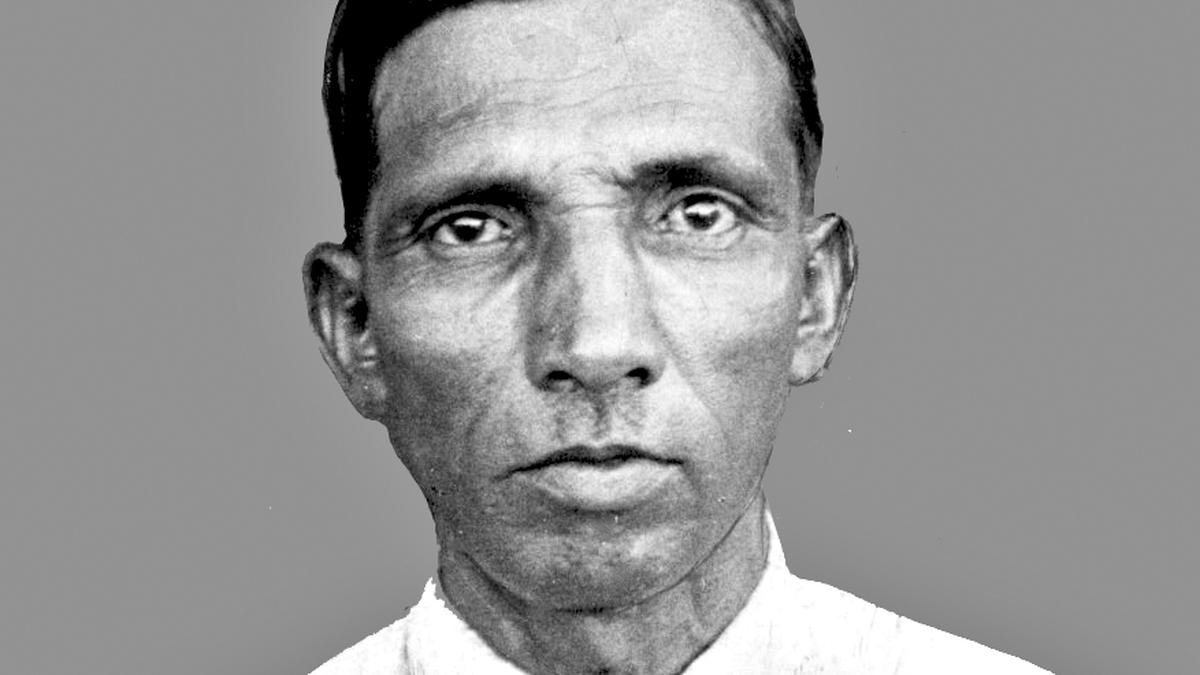
Rahim Saab’s legacy shaped a fearless generation of players (Photo: Shutterstock)
Their leadership on and off the pitch has inspired many youths to take up football seriously. Media interactions, public appearances, and involvement in training programmes have helped build a deeper connection between the players and fans across India.
While the path has not always been smooth, those working behind the scenes are pushing for reforms in how the sport is managed. Efforts are underway to improve scouting, coaching licenses, medical support, and facilities.
With consistent planning, broader talent identification, and international exposure, Indian football may begin to challenge better-known teams more regularly in the future.
There is still a long road ahead, but the renewed focus on structure, discipline, and youth development suggests that those committed to Indian football are working hard to ensure that the country remains engaged at the global level and continues to build on its proud heritage.