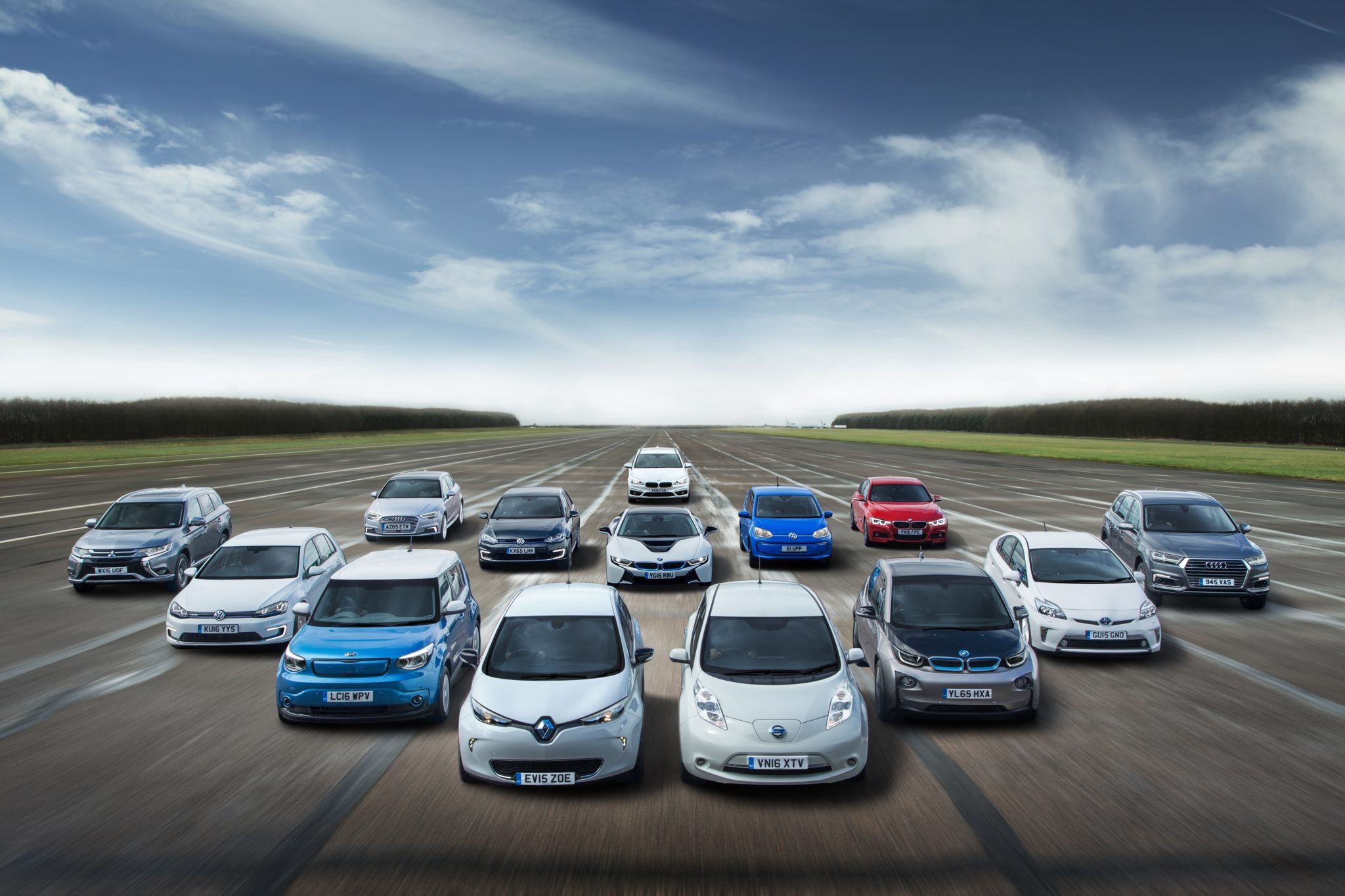
Electric vehicles (EVs) are beginning to take shape as an important mode of transport across India. While Europe and the United States face hesitation over adopting EVs, India is moving swiftly to grow its market, taking cues from China by combining supply and demand measures to stimulate growth.
Presently, EVs make up only about 2.5 percent of all vehicles sold in India during 2024. The high prices and limited charging stations discourage many potential buyers. Yet, the market is expected to expand quickly as EV prices become more affordable, charging networks improve, and the cost difference between petrol cars and electric vehicles decreases.
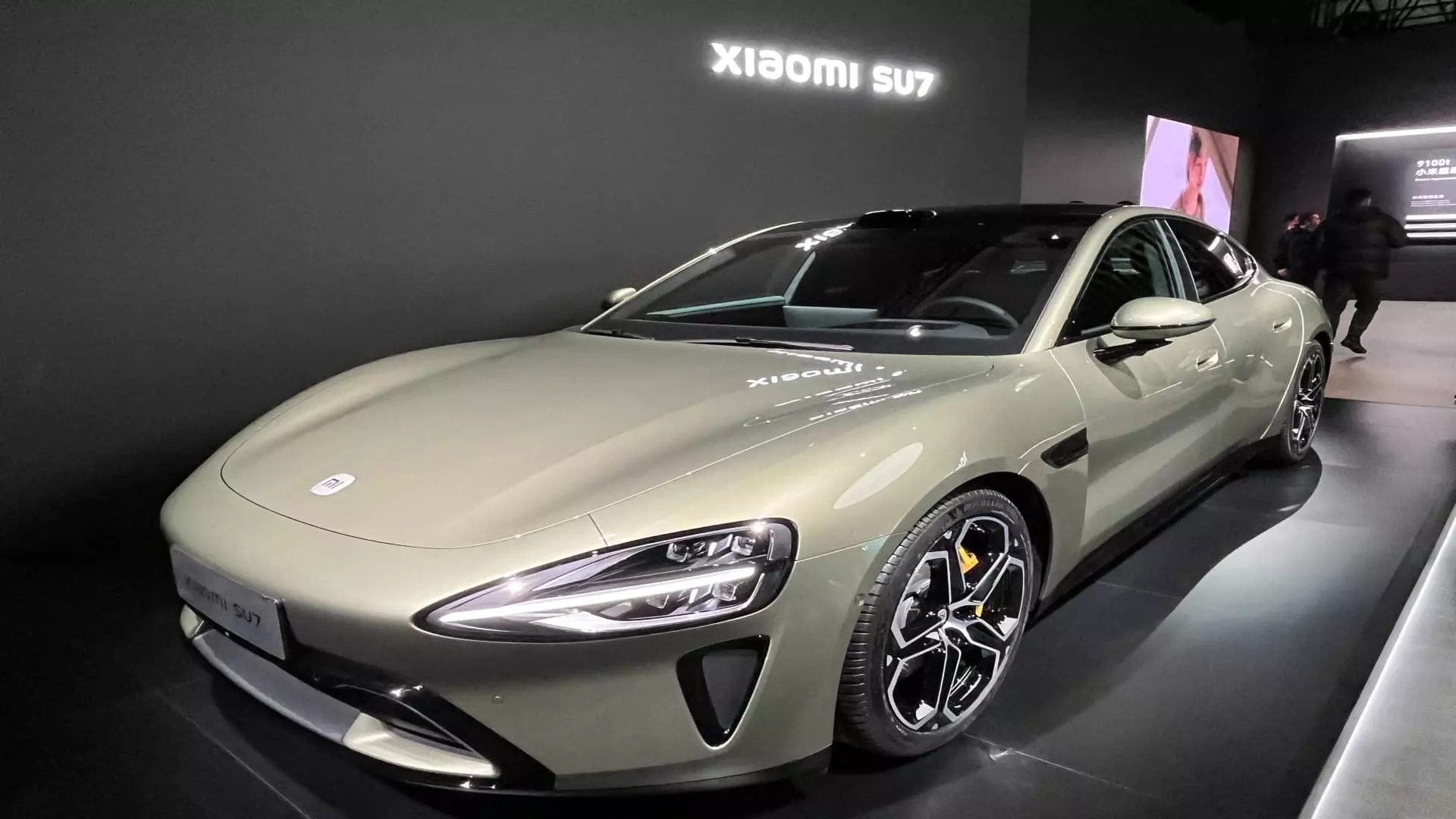
Xiaomi SU7 (Photo: Getty Images)
The government has set a target for EVs to represent 30 percent of passenger car sales by the financial year 2030. This plan includes subsidies, financing solutions, and building up infrastructure to support EV use.
According to S&P Global Mobility, India’s production of passenger EVs rose by 22.5 percent year-on-year in 2024, reaching approximately 125,500 units.
Government Initiatives Aimed at Accelerating EV Adoption
To encourage EV adoption, the Indian government has introduced several programs. The Faster Adoption and Manufacturing of (Hybrid and) Electric Vehicles (FAME) scheme began in 2015, with its second phase starting in April 2019 to focus on electrifying public and shared transport systems.
Another important policy is the Production Linked Incentive (PLI) scheme, launched in September 2021. It aims to increase domestic production of advanced automotive technologies and attract investments to the sector.
In March 2024, the government made a bold move to cut import duties on EVs to promote local manufacturing. Import duties for electric vehicles costing more than US$35,000 dropped from 100 percent to 15 percent, provided manufacturers invest within India.
Additionally, the 2025 Union Budget extended exemptions on basic customs duties for 35 more types of capital goods critical to producing lithium-ion batteries and advancing EV technology within the country.
India’s EV Market Set for Sales Surge in 2025
Automobile companies in India are preparing to release many new EV models in 2025, promising longer battery range and faster charging times. Major brands such as BYD, Hyundai, JSW MG Motor, Maruti Suzuki, Mahindra & Mahindra, Mercedes-Benz, and Tata displayed their latest technologies at the Bharat Mobility Global Expo 2025. This comes ahead of stricter emission rules set for 2027.
Production of battery-powered passenger cars is expected to grow by 140.2 percent in 2025, reaching roughly 301,400 units. This will represent about 6 percent of the estimated 5.16 million passenger vehicles projected to be produced in India that year.
Challenges to Meeting India’s 2030 EV Goals
Reaching the target of 30 percent EV sales by 2030 will require overcoming several obstacles. From the financial year 2021 to 2024, the market share of EVs in India increased only by around 200 basis points annually. To hit the 2030 goal, this growth rate must nearly double to 380 basis points per year.
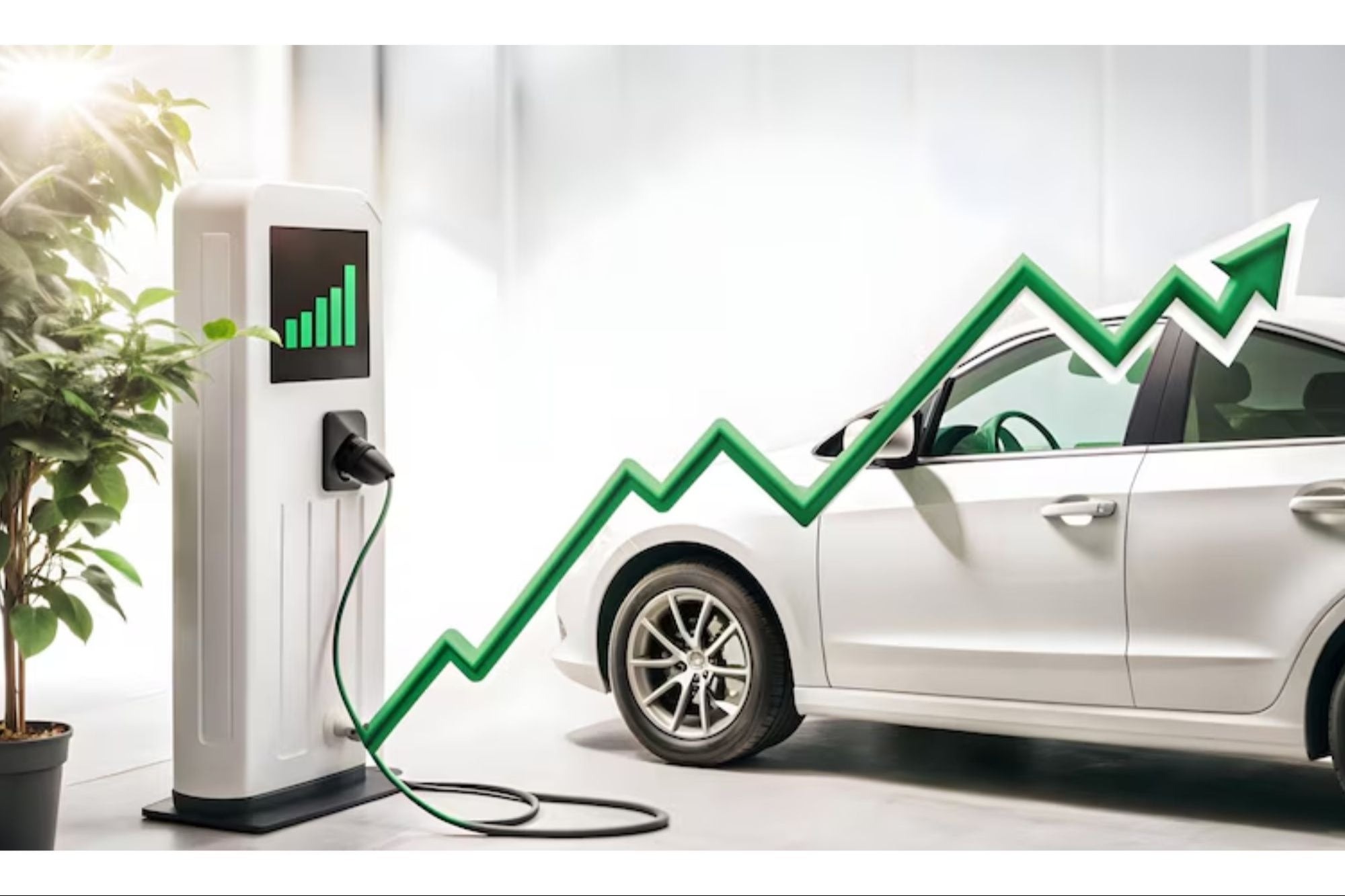
EV sales in India are set to accelerate with government support (Photo: Twiiter)
Several state-level EV policies are close to expiring, which may weaken investor confidence. The absence of a unified long-term plan has also disrupted momentum, leaving India far from its anticipated electric vehicle transformation.
The Electric Mobility Promotion Scheme (EMPS) 2024 focused on electric two- and three-wheelers but left out electric passenger vehicles and buses. Although the government has recently approved two major incentive programs to promote electric buses and trucks, the continued exclusion of passenger EVs from subsidy plans casts doubt on the government’s commitment to the 2030 target.
Electrification of commercial fleets remains crucial, making up 15 percent of total EVs in the industry. However, following the withdrawal of government support, the number of electric passenger cars in commercial use fell sharply.
The high upfront cost of EVs presents another big challenge, as electric models often cost between 20 and 30 percent more than petrol-powered vehicles. Dependence on imported parts and batteries further pushes prices up. Despite government policies aiming to boost local production, the rate of domestic content in EVs is not increasing as planned.
The uneven spread of charging infrastructure continues to be a major hurdle. While public charging points have grown substantially, many Tier-2 cities and rural locations still lack enough stations. This uneven distribution causes anxiety about driving range among buyers, complicating their move to electric vehicles.
Growing interest in hybrid vehicles also creates competition, as consumers sometimes prefer the familiarity of hybrids over fully electric options.
The Future of EV Adoption in India
With strong government targets supported by industry participation and favourable policies, India is shaping an environment that encourages innovation and development in electric mobility.
It is expected that by 2030, production of electric passenger vehicles in India will increase to around 1.33 million units, making up about 20 percent of the country’s total passenger car production.