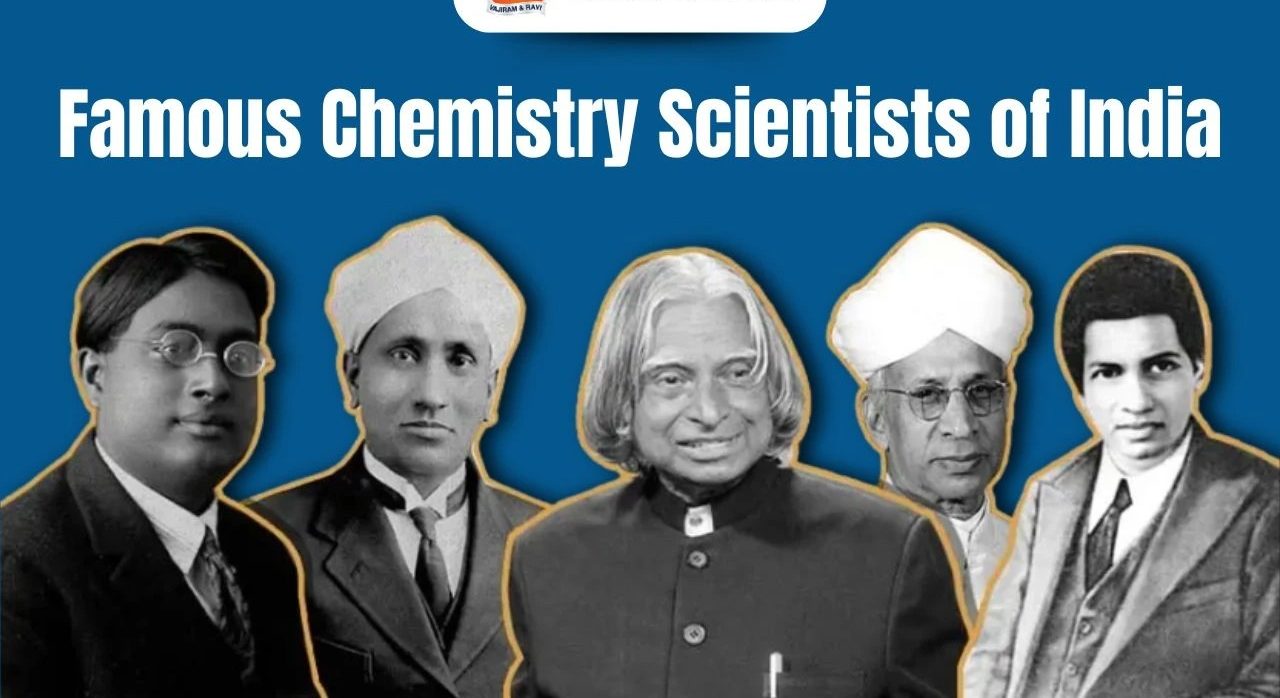
Throughout history, certain individuals have risen above ordinary limits to change how people understand science and the natural world. Among these exceptional minds are some Indian scientists whose work has left a lasting impact beyond their homeland.
Their discoveries and innovations have influenced various fields, ranging from mathematics to space exploration, and continue to inspire researchers everywhere. These scientists often faced many challenges, yet their determination and brilliance allowed them to overcome obstacles and contribute original ideas.
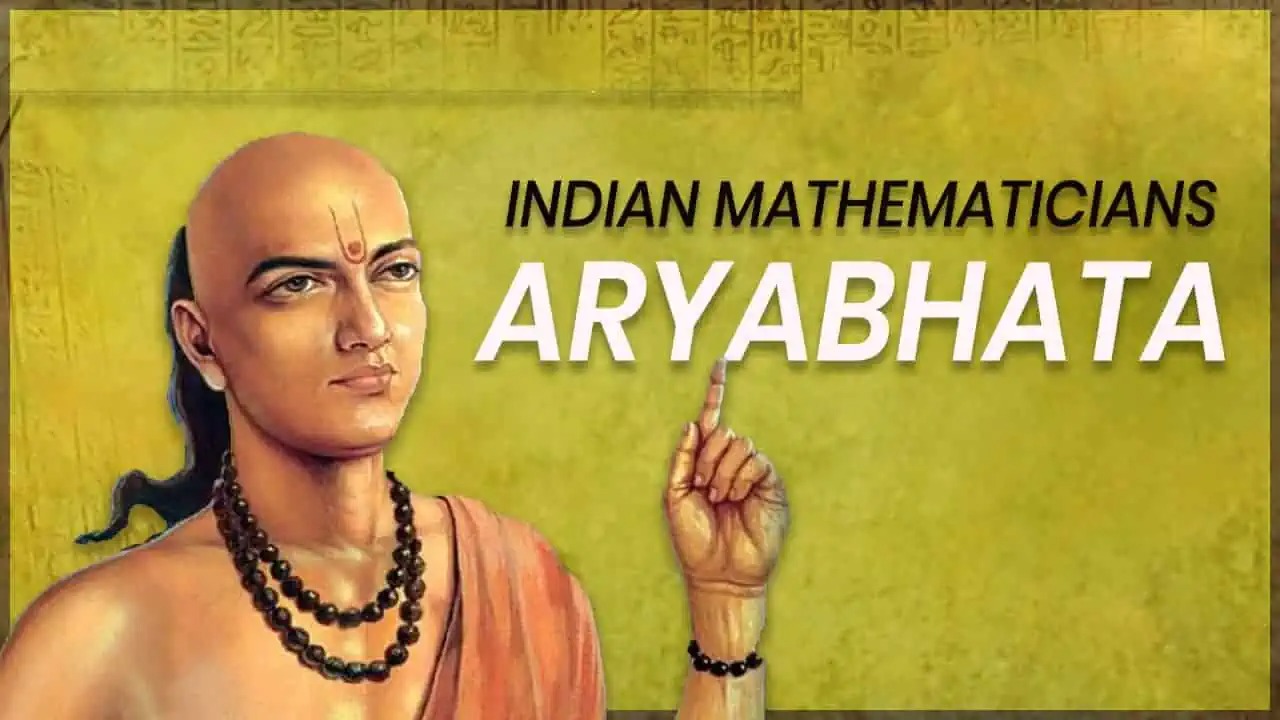
The Pioneer of Mathematics and Astronomy (Photo: Alamy)
They brought new knowledge that helped shape technology, medicine, and environmental science. Their achievements stand as a testament to how dedication combined with intellect can push human progress forward.
The stories of these great minds reveal not only their personal journeys but also the growth of scientific inquiry in their country. By sharing their discoveries, they opened doors for future generations to build on their work and address global challenges. Their contributions remain important pieces of the scientific puzzle that the world continues to put together today.
1. Aryabhata: The Pioneer of Mathematics and Astronomy
Aryabhata lived in the 5th century and is one of the earliest great Indian mathematicians and astronomers. He gave the world the concept of zero as a number, which changed how calculations worked forever.
He also wrote about the earth’s rotation and accurately measured the length of the year, long before modern instruments. His contributions made it easier for others to build on astronomy and mathematics.
2. Srinivasa Ramanujan: The Genius Mathematician
Ramanujan’s story is very inspiring. Without much formal education, he discovered many theorems in number theory and infinite series that surprised mathematicians globally.
His work was so deep that even today, scholars study his findings to understand them better. Ramanujan showed that talent can bloom even in difficult conditions.
3. C.V. Raman: Discoverer of the Raman Effect
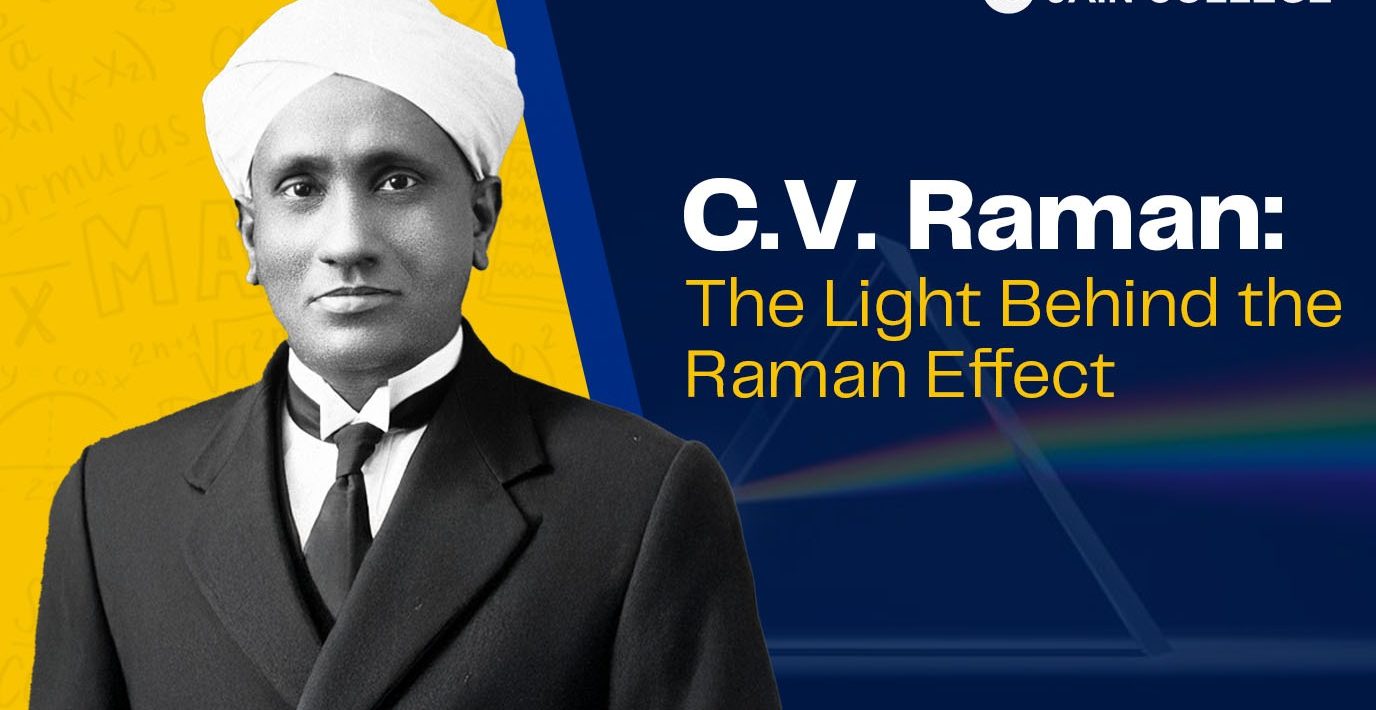
C.V. Raman (Photo: Getty Images)
Sir Chandrasekhara Venkata Raman was the first Indian to win a Nobel Prize in science. His study of how light scatters when passing through different materials gave birth to the Raman Effect.
This discovery was important for physics and chemistry because it helped scientists understand molecular structures better. Raman’s legacy remains strong in scientific research worldwide.
4. Homi J. Bhabha: Father of Indian Nuclear Science
Homi Jehangir Bhabha was a physicist who started India’s atomic energy programme. He believed nuclear energy could be used for peaceful purposes like electricity production.
Bhabha set up the Tata Institute of Fundamental Research and the Atomic Energy Commission, which became the pillars of nuclear science in India. His vision helped India join the group of nuclear-capable nations.
5. Salim Ali: The Birdman of India
Dr. Salim Ali was an ornithologist who studied birds across India. His detailed observations and books helped develop wildlife conservation and ecology in the country. Ali inspired many to protect natural habitats and respect the environment. His work was essential for preserving India’s rich birdlife.
6. A.P.J. Abdul Kalam: Missile Man and Space Scientist
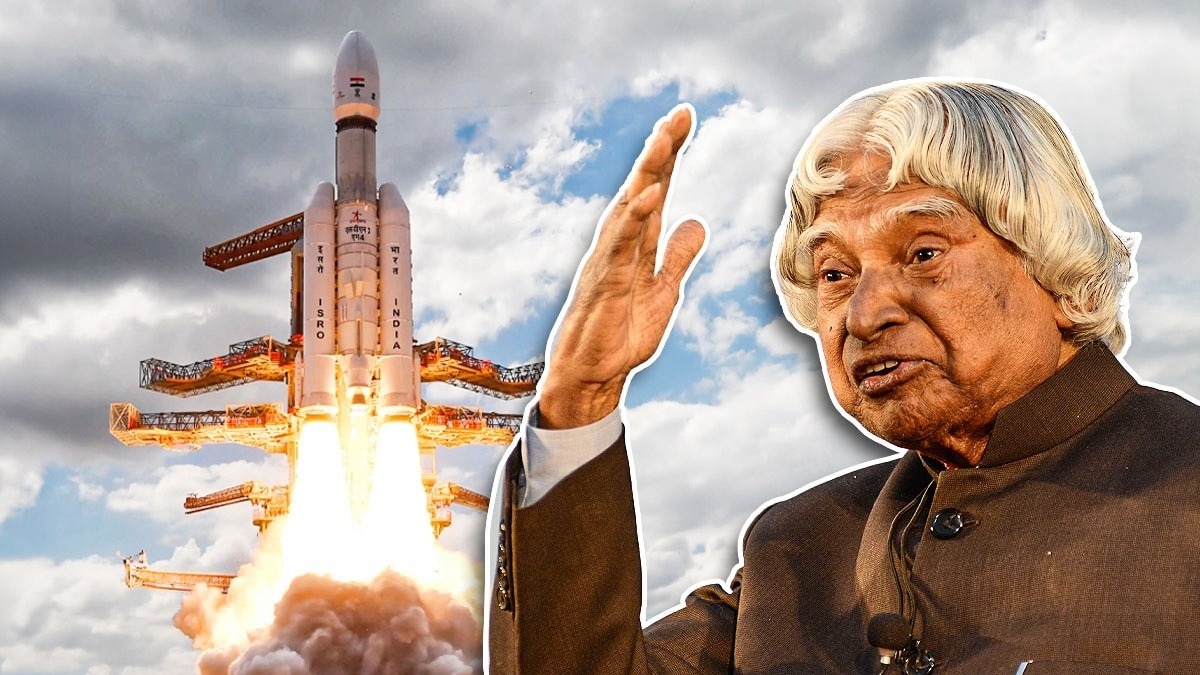
A.P.J. Abdul Kalam (Photo: Shutterstock)
Before becoming the President of India, Dr. Avul Pakir Jainulabdeen Abdul Kalam was an outstanding aerospace scientist. He played a key role in developing India’s missile technology and space programmes.
Known as the Missile Man of India, Kalam helped India build its own defence capabilities and satellite systems. His life encouraged many young Nigerians and Indians to pursue careers in science and technology.
7. Vikram Sarabhai: Founder of the Indian Space Programme
Vikram Sarabhai is remembered as the father of India’s space mission. He believed space technology could be used to improve communication, weather forecasting, and development projects.
Sarabhai founded ISRO, the Indian Space Research Organisation, which launched the country’s first satellite. His ideas brought space science closer to serving the people.
8. M.S. Swaminathan: The Father of the Green Revolution
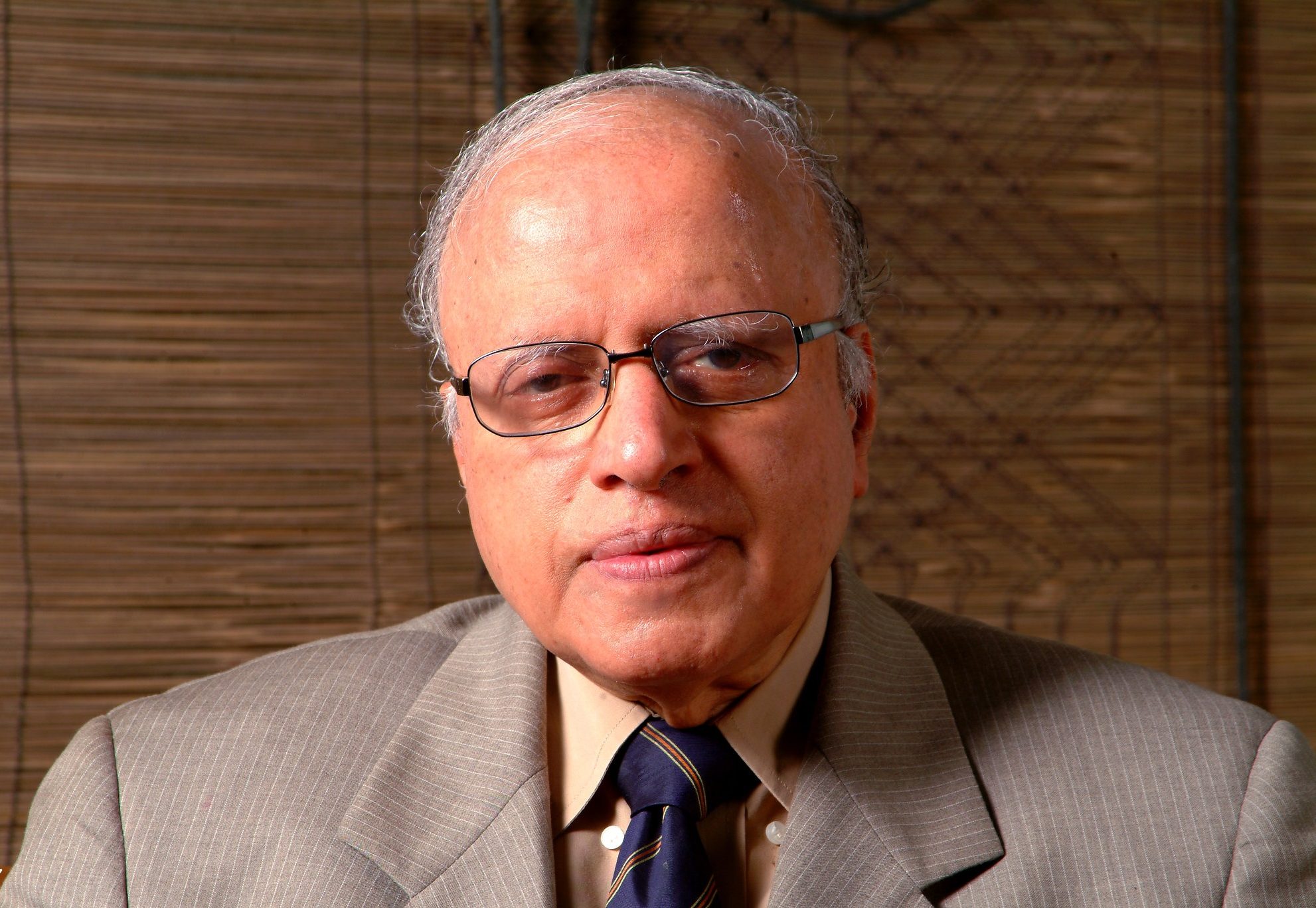
M.S. Swaminathan (Photo: Twitter)
Mankombu Sambasivan Swaminathan is famous for revolutionising agriculture in India. Through his research, India became able to produce enough food for its growing population.
He developed high-yield varieties of wheat and rice, which increased crop production dramatically. His work made farming more productive and helped fight hunger.
Influence Beyond Borders
These scientists influenced not only India but also the entire world by their discoveries and leadership. Their work has shaped modern science and technology, and many institutions still carry their names to honour their contributions. They proved that intelligence combined with determination can bring great progress and benefit society.
Their stories serve as motivation for scholars everywhere to keep seeking knowledge and developing new ideas. They showed that science can be a powerful tool to solve problems and make life better. The legacy of these Indian scientists continues to inspire future innovators and researchers globally.
The lives and works of Aryabhata, Ramanujan, Raman, Bhabha, Salim Ali, Abdul Kalam, Sarabhai, and Swaminathan are shining examples of what human creativity and dedication can achieve. Their discoveries remain valuable lessons and sources of pride for all who love science.