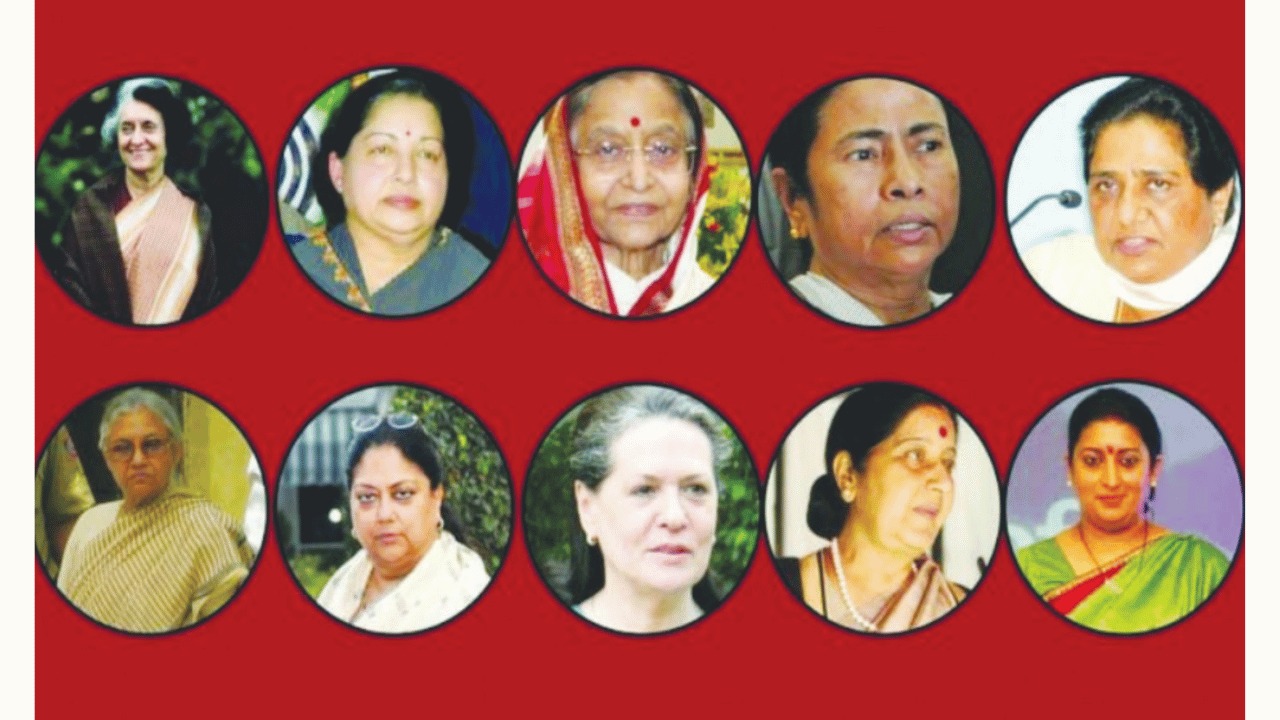
Across the political space in South Asia, women’s involvement has gained renewed attention in recent times. From local wards to national assemblies, female politicians have emerged with boldness, pushing for reforms, representing diverse constituencies, and influencing laws that affect everyday lives.
Their presence is no longer occasional or ceremonial. Women are now asserting themselves in the political sphere, holding both symbolic and functional roles. Their growing visibility points to a change in how political leadership is perceived, particularly concerning gender inclusion.
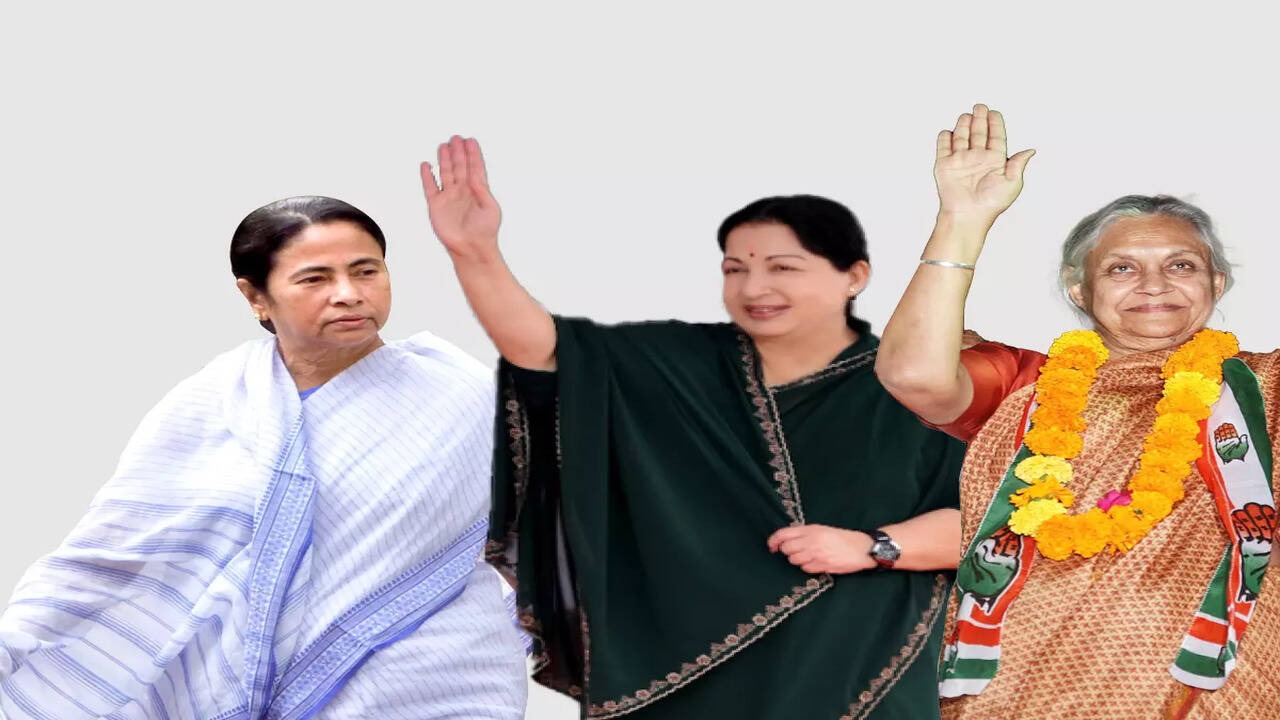
Breaking barriers and building laws from the ground up (Photo: Twitter)
Even though women have been part of political movements and electoral activities for decades, the recent momentum around their political engagement deserves attention. This engagement stretches beyond contesting elections.
Many now hold offices with executive powers, occupy decision-making positions within party structures, and shape conversations around social justice, economic equality, and gender rights. Their participation is not just a response to quotas or reserved seats but a demonstration of agency and competence.
Yet, their journey is far from smooth. Female politicians frequently face resistance, ranging from social expectations to institutional challenges. Many have to constantly prove their legitimacy and competence, especially in areas considered male-dominated. Regardless of these obstacles, women remain active participants and contributors to political development.
Increased Representation and Policy Impact
Recent years have witnessed a steady increase in the number of women contesting and winning elections. Their entry into politics has introduced fresh perspectives into public debates, especially on issues such as education, healthcare, reproductive rights, and rural development. These areas tend to benefit when female leaders are in charge because of their grounded understanding of community needs.
Several female leaders have risen through political parties, while others have built influence through grassroots work. Some have used activism to draw attention to important causes, and later transitioned into legislative roles.
A few have become ministers, leading departments that shape public policy. Others have become state-level chief executives, handling governance responsibilities with clarity and strategic vision.
Even though female lawmakers do not yet make up a large percentage of national legislatures, their influence goes beyond numbers. Their ability to push for gender-sensitive laws, advocate for welfare schemes, and call out discriminatory practices brings a different energy to parliamentary sessions. Political institutions are gradually adjusting to their assertiveness, even if full parity is still a work in progress.
Challenges Around Gender Bias and Cultural Perception
Women in politics frequently encounter hurdles that their male counterparts rarely experience. They are judged more harshly on appearance, speech, personal choices, and family background.
Public scrutiny is often intense, with the media sometimes placing more emphasis on their wardrobe than on their policies. Such attitudes stem from deep-seated gender roles within society, where leadership is still predominantly viewed as a male trait.
Another challenge arises from the expectations placed on female politicians to behave in a certain manner. If they appear assertive, they risk being labelled aggressive. If they take a more measured tone, they are often accused of lacking conviction.
This double standard continues to define the experience of many female political figures. It creates pressure that forces them to constantly balance between being relatable and being authoritative.
Social acceptance remains another concern. In some areas, traditional views discourage women from participating in electoral contests. Families, party structures, and voters may resist female candidacies due to longstanding norms.
As a result, some women have had to campaign harder to gain the same level of recognition as men. Financial constraints and safety concerns further limit their mobility and reach.
Role of Political Parties in Shaping Inclusion
Political parties are central to deciding who gets nominated and supported in elections. Over time, some parties have taken deliberate steps to encourage female participation.
They have established internal wings that focus on women’s concerns, introduced mentorship programs, and created opportunities for women to lead campaigns. However, tokenism remains a concern, where female politicians are sometimes promoted for symbolic purposes rather than for actual influence.
Party hierarchies still tend to favour men in many instances. Leadership roles are often kept within dynasties or assigned to those with close family ties to established male figures.
This pattern affects merit-based advancement, especially for women who rise through grassroots work or activism. For true equality to exist, party leadership must make room for capable women beyond just fulfilling quotas.
Yet, some women have challenged the internal power structures within parties. They have built their followings, worked closely with their constituencies, and established reputations that rival long-standing male figures. This evolution points to a slow but growing trend in how political talent is recognized.
Role of Social Media and Public Engagement
Digital platforms have played a part in amplifying the voices of female politicians. Social media allows them to share their messages, counter misinformation, and engage directly with citizens.
It also offers an avenue for mobilisation, especially during elections and awareness campaigns. Through platforms like X, Instagram, and YouTube, many female leaders have built strong followings.
While this direct connection with the public brings benefits, it also opens the door to online harassment. Female politicians are often subjected to abusive comments, threats, and false claims.
These attacks aim to silence them or undermine their credibility. In response, some have spoken publicly about the digital abuse they endure, calling for stronger accountability and legal protection.
Despite the challenges, social media remains a powerful space where women in politics can control their stories, reach young voters, and highlight issues that traditional media might ignore. The digital space offers opportunities for authenticity, especially for first-time candidates or those outside mainstream party systems.
Legal Measures and Institutional Support
Legal reforms have helped in certain areas, particularly through reservations in local governance. Panchayati Raj institutions, for instance, have benefited from laws mandating female representation.
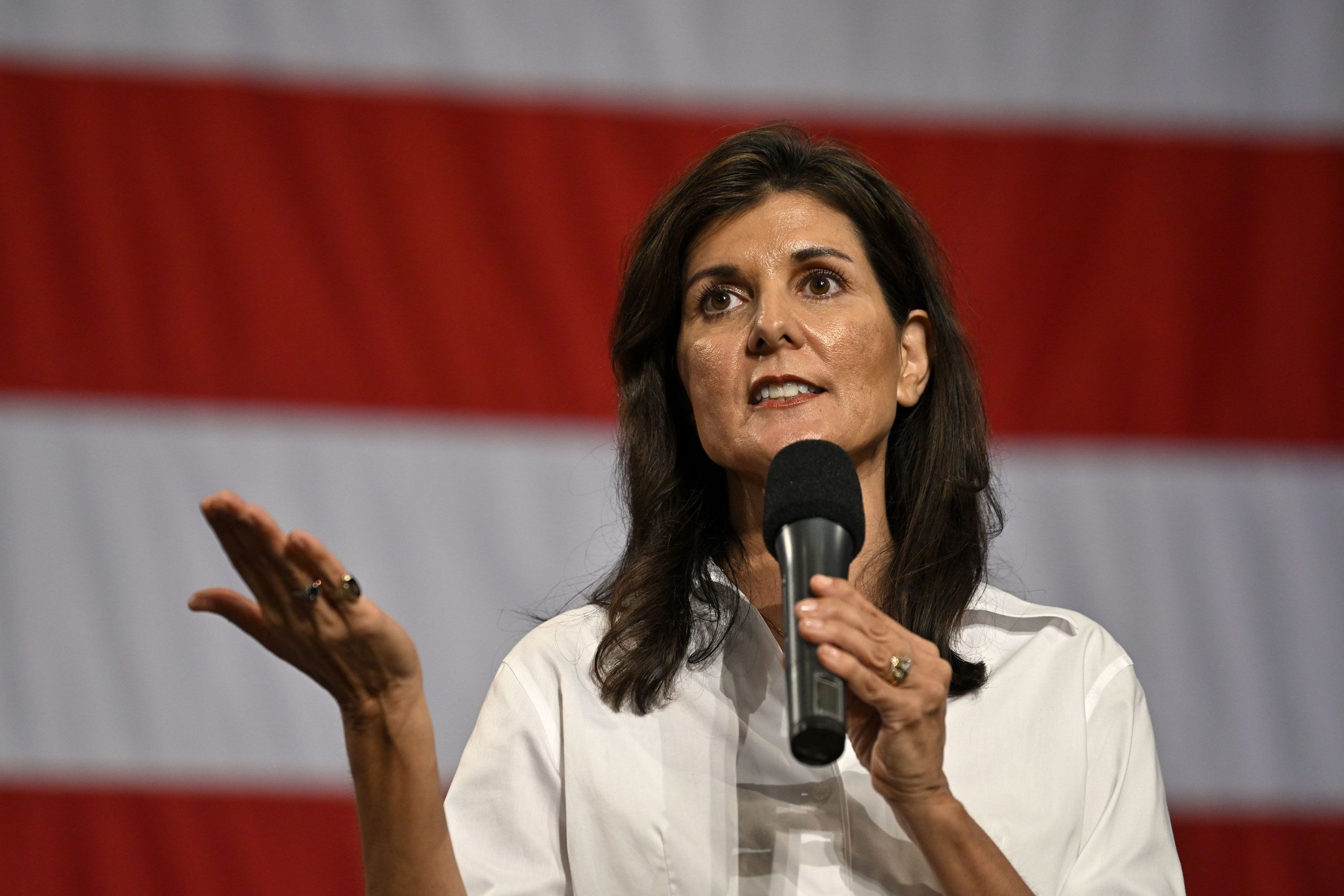
Leadership looks different when women take the mic (Photo: Alamy)
This has allowed women to gain firsthand experience in governance, from managing resources to resolving disputes. Over time, many have used this exposure as a springboard to state or national politics.
However, at higher levels of government, female representation remains voluntary for most parties. There is no national law requiring gender balance in parliamentary seats. Proposals for a women’s reservation bill have been discussed for years, with no final implementation. The absence of such a law continues to limit opportunities for many competent women.
Institutional support also includes capacity building. Training programmes, workshops, and peer networks have helped many women develop the skills needed to succeed in political life.
These platforms focus on public speaking, policy drafting, media relations, and leadership strategies. By equipping women with these tools, such programmes aim to build long-term political careers rather than short-term appointments.
Youth Participation and Changing Attitudes
A growing number of young women are showing interest in politics, whether as party workers, social media organisers, or candidates. They bring new energy to the political process, challenging outdated methods and asking sharper questions. Many are well-educated, media-savvy, and focused on issue-based politics rather than personality-driven campaigns.
Their involvement reflects broader social changes, where gender roles are being redefined in both urban and rural settings. Girls and women are more likely today to pursue higher education, economic independence, and civic awareness. These factors create an environment where female political participation becomes less unusual and more acceptable.
At the same time, young women are forming alliances across political lines to push for shared goals such as safety, education, and digital rights. This cooperation shows a more collaborative style of politics that values inclusion and mutual respect.
Looking Ahead with Steady Progress
Even though obstacles remain, female participation in politics continues to gain ground. Each successful campaign, policy reform, or appointment sends a message that women are here to stay in political leadership. Their presence helps broaden public debates, ensuring that governance reflects the needs of a wider group of citizens.
The future of female political leadership depends on several factors. These include political will, legal reforms, public support, and access to resources.
As more women step into leadership roles and inspire the next generation, a more balanced political structure is within reach. Every step taken by female politicians today sets a foundation for those who will follow tomorrow.