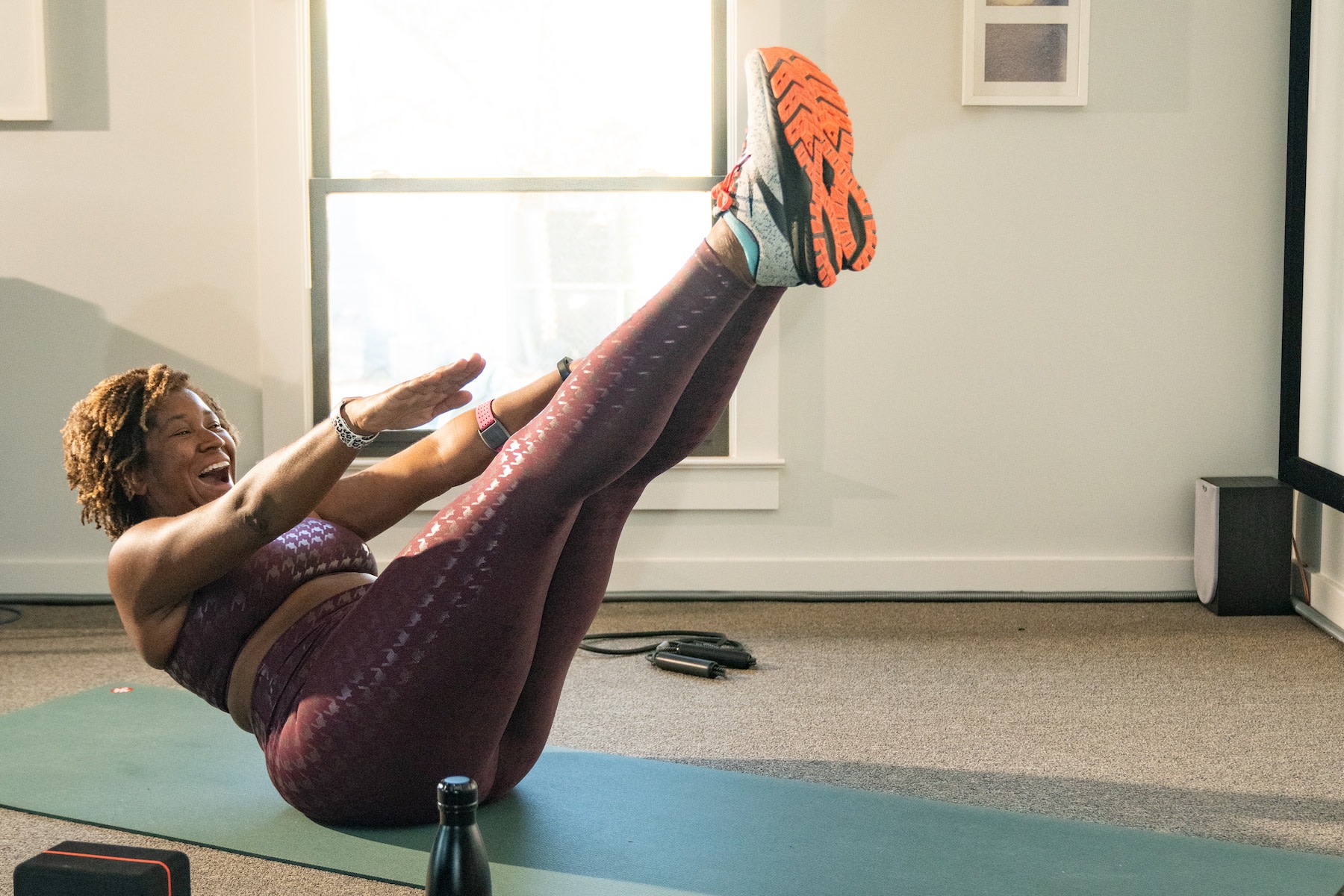
Starting a yoga routine at home may seem like a big decision at first, but it becomes easier with the right mindset and clear intention. Many people often think they need to attend a professional class to begin, yet the comfort of your living space can be the most supportive environment.
Creating a steady habit from home brings flexibility and convenience without sacrificing effectiveness. A calm corner, a mat, and dedication are enough to begin building a solid foundation. When people take the time to personalise their space and plan their schedule properly, they begin to notice the value of consistency.
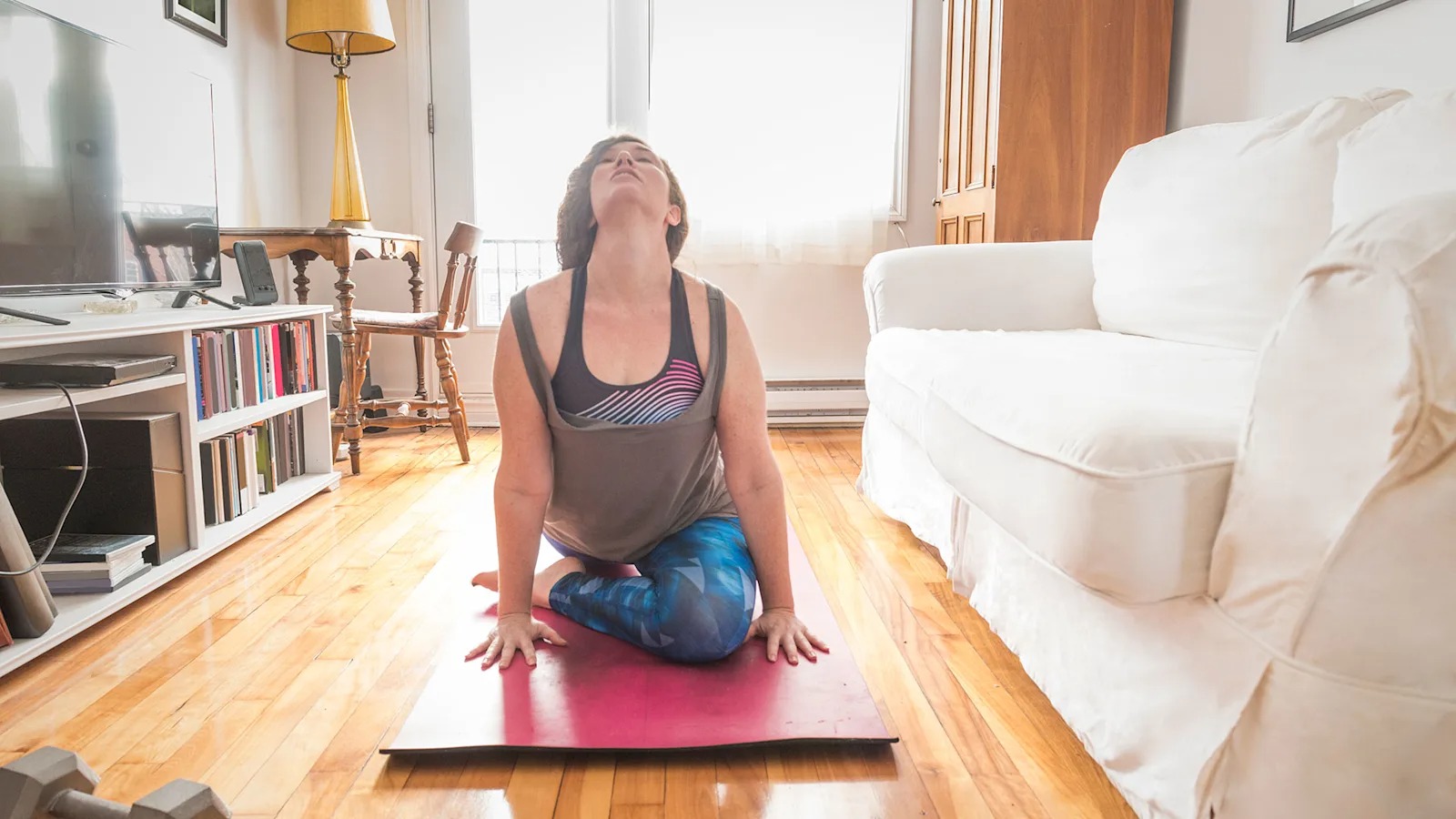
Small spaces can hold big progress on the mat (Photo: Alamy)
Practising yoga regularly from home also saves both time and money, which makes it practical for those with busy lives. This approach helps individuals connect more deeply with themselves without distraction.
Rather than jumping in with advanced poses, starting slow helps the body adjust gradually. Breathing techniques, gentle stretching, and clear intentions are more beneficial at the beginning than rushing through movements.
As you become more familiar with different postures and how your body responds, you can then progress with confidence. Remember, each step taken on the mat helps to improve strength, awareness, and focus.
Creating a Suitable Space at Home
One of the most important steps when beginning yoga from home is selecting a calm and clean space that allows for full body movement. You do not need a large area, but it must be free from obstacles or distractions.
It helps when the place you choose feels peaceful and encourages calmness. A well-ventilated area with good natural light makes a difference in your mood and focus. Some people find that decorating the space with light candles, indoor plants, or minimal artwork can enhance comfort and promote steady practice.
Investing in a good quality yoga mat is advisable. A non-slip mat gives proper support during standing or seated poses. Aside from a mat, you might also consider adding simple props such as yoga blocks, straps, or cushions. These tools are helpful for beginners, especially when flexibility is still developing.
Deciding the Right Time for Practice
Choosing a regular time during the day helps to form a lasting habit. Some people prefer early mornings before their day begins while others may find evening hours more relaxing.
It depends entirely on your schedule and energy levels. The most important thing is to keep the time consistent. Practising yoga around the same hour daily trains your mind and body to expect the session, and that promotes discipline.
Keep your sessions short when starting. Even ten to fifteen minutes each day can bring great results. It is better to build a habit with shorter sessions than to attempt long routines once in a while and burn out quickly.
Understanding the Basics First
Before attempting any poses, it is necessary to understand the basics. Yoga is more than just physical postures. It involves breathing exercises, mindfulness, and body awareness.
Learning how to breathe properly using controlled techniques like diaphragmatic breathing or alternate nostril breathing is foundational. These breathing methods help to steady your heartbeat and calm the mind, especially after a stressful day.
Another main point is learning body alignment. Proper alignment reduces the risk of injury and improves the benefits of each posture. Online tutorials, mobile apps, or instructional books can serve as helpful guides. These resources break down poses step-by-step and often include modifications suited to beginners.
Choosing the Right Style of Yoga
There are many different styles of yoga, and not all of them will suit every person. For home practice, gentle styles like Hatha or Restorative Yoga work well for beginners. These styles focus on slower movements and proper breathing.
If you have more energy and want to sweat a little, Vinyasa might be more suitable, as it involves fluid movements linked with breath. Yin Yoga on the other hand involves holding poses for longer periods and is ideal for deep stretching and improved flexibility.
If unsure where to start, try different styles for a few minutes each to observe what your body enjoys most. Over time, your preferences may change as your strength and comfort levels increase.
Making Use of Technology
Technology offers many tools that support a consistent yoga practice from home. YouTube channels, streaming platforms, and mobile apps all provide access to guided sessions for various experience levels. You can search by focus areas like stress relief, back pain, or morning routines. Some platforms also offer complete programs that guide you week by week.
Using recorded sessions allows you to pause or rewind when necessary, giving room for better understanding and safe movements. Live classes are also an option for those who want a real-time experience without leaving home. Even without paying for subscriptions, plenty of free resources are available online that offer quality instruction.
Maintaining Discipline Without Pressure
Many people struggle with consistency at home because there is no external accountability. This can be solved by setting clear goals. For instance, decide how many days per week you want to practise and write it down.
Placing reminders on your phone or using a calendar helps to keep track. It also helps to reward yourself when you complete a full week or month of consistent practice.
Avoid harsh self-criticism if you miss a day or feel tired. Instead, allow space to adjust and return the next day. Yoga is meant to be gentle and encouraging, so your internal attitude matters just as much as the physical moves.
Combining Breathing and Meditation
Yoga works best when combined with mindful breathing and quiet meditation. Even after the physical postures, taking five minutes to sit quietly, focus on your breath, or repeat calming affirmations can create a lasting feeling of peace.
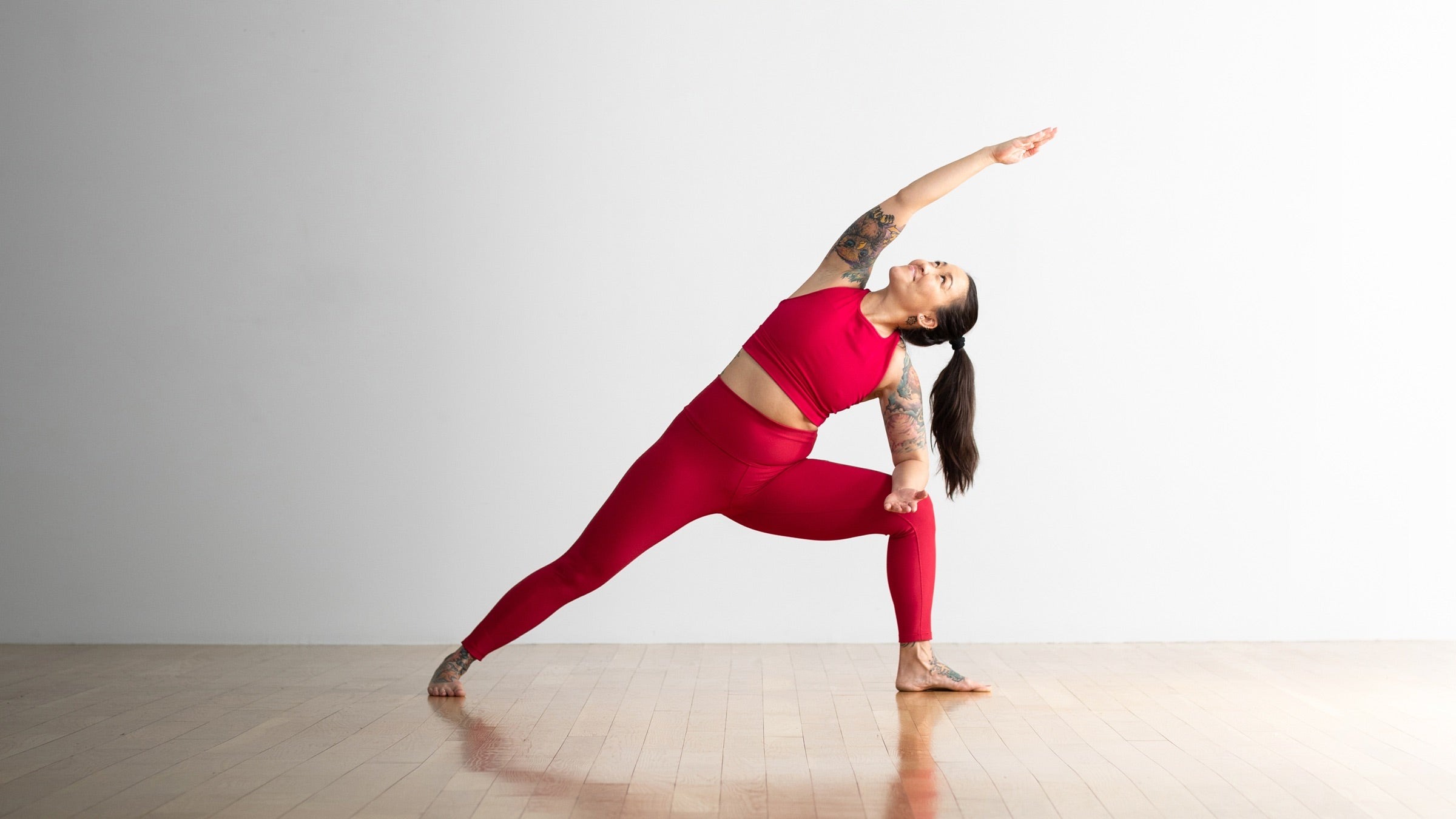
Gentle beginnings lead to lasting strength and focus (Photo: Getty Images)
Meditation improves concentration, emotional stability, and general clarity of thought. With time, you may discover that these quiet moments help just as much as the physical poses, if not more.
Starting your session with breathing exercises and ending with brief meditation creates a full circle experience that leaves you more balanced. It also gives you time to settle your thoughts and prepares you mentally for the next part of your day.
Listening to Your Body
One of the best things about practising at home is that you can listen closely to what your body needs. If you are tired, you can do a shorter session focused on relaxation. If you have more energy, you can increase the pace and try challenging poses.
There is no need to follow strict routines that ignore how you feel. Learning to tune into your body helps prevent injury and deepens the connection between movement and awareness.
Avoid comparing yourself with others you see online. Everyone’s body is different, and progress shows up in various forms. Flexibility, strength, mental clarity, and emotional calmness all count as progress. What matters most is that you show up regularly and give yourself the patience to grow.
Building Gradually Over Time
As you get more comfortable, you can increase the length of your sessions or try more advanced routines. Gradual development brings long-term results without pushing the body too hard.
Be open to adjusting your routine based on changing needs. For example, during busy seasons, you may reduce practice days and increase again later. What matters is that you do not stop completely.
Keep track of your progress either in a notebook or an app. Writing down how you feel after each session, what poses you tried, or what parts of your body felt sore can help you learn more about yourself. It also gives you motivation to continue as you notice improvements over time.
Ending Each Practice with Stillness
Always end your session with a few minutes of stillness. This helps the body absorb all the benefits from the practice and allows your nervous system to reset. One common way to close is by lying down in Savasana, or resting pose, with arms and legs gently spread, eyes closed, and breath relaxed. This moment of quietness helps seal the practice and provides closure.
Even when your session is short, taking a minute or two for stillness can bring calmness that lasts through the rest of your day. It sends a message to your mind and body that the practice is complete and well done.
Starting yoga from home does not require any special talent or expensive equipment. With commitment, proper planning, and a kind approach to yourself, you can enjoy the benefits that come from consistent movement, breathing, and mindfulness.
Over time, the mat becomes a space of peace where you can return daily, no matter what else is happening in life. Through regular home practice, you develop a quiet form of strength that supports both body and mind.