Fitness culture has witnessed a remarkable transformation recently, with many individuals eager to adopt healthier lifestyles through diverse and innovative approaches.
The surge in fitness activities has inspired people across all age groups to pay closer attention to their physical and mental well-being. Among the changes, a range of fresh trends has captured the attention of fitness enthusiasts, creating new avenues for exercise, wellness, and holistic health.
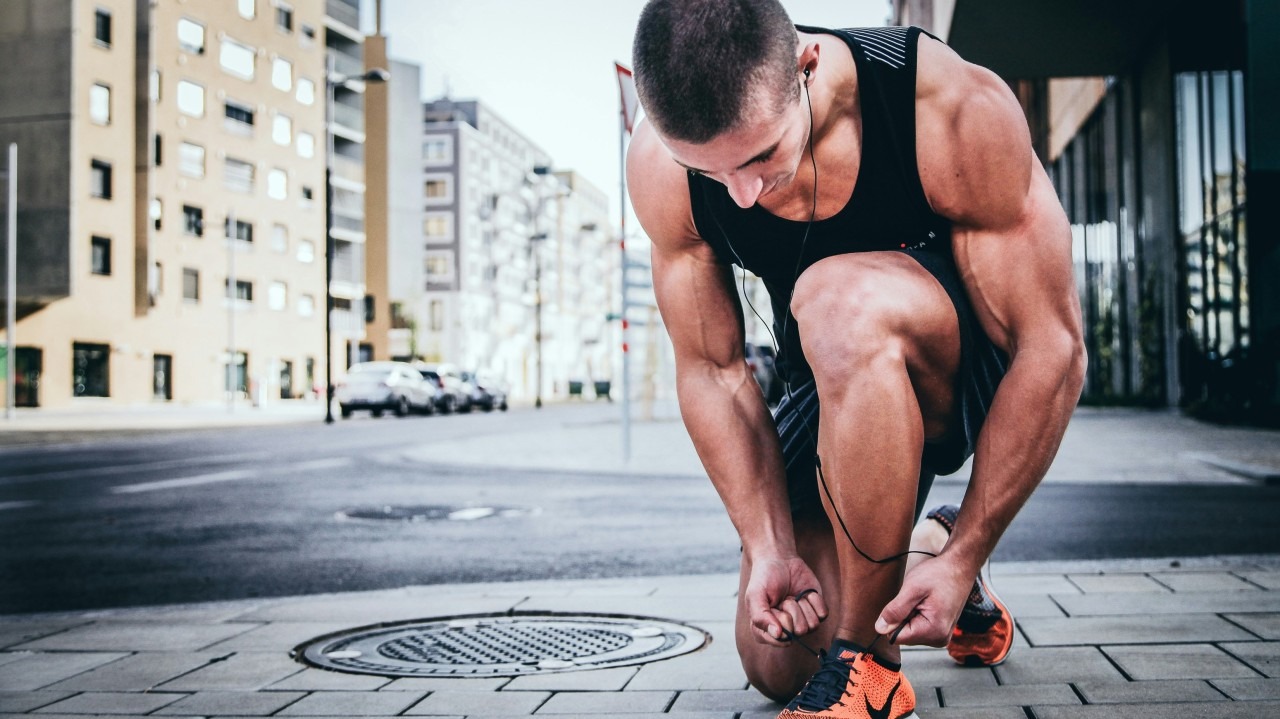
Everyday movements become powerful workouts (Photo: Getty Images)
Emerging workout styles, technology-driven fitness solutions, and traditional practices blended with modern science have all contributed to the shifting habits of people striving to keep fit.
The rapid urbanisation and increasing awareness about health risks linked to sedentary lifestyles have encouraged a movement towards more dynamic and engaging fitness options. This has opened doors to new opportunities where individuals find motivation and support, often through communities both online and offline.
The Rise of Functional Fitness
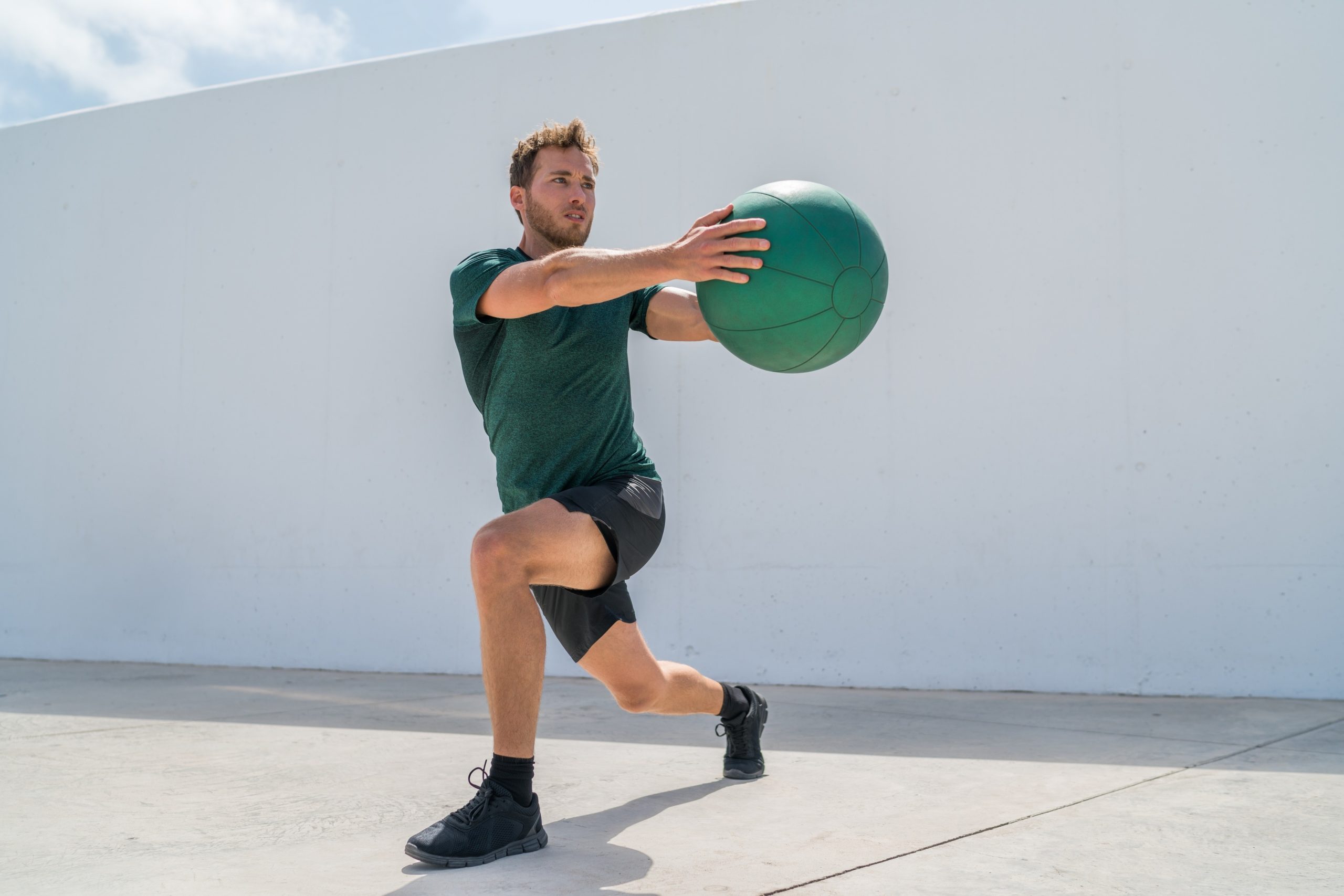
Exercises designed to improve everyday movement and strength are gaining widespread acceptance. Functional fitness focuses on building muscle strength, coordination, and balance to help with daily activities, reducing the risk of injuries and enhancing quality of life.
trainers and gyms now incorporate exercises that mimic real-life motions such as lifting, bending, and twisting, making workouts more practical and applicable outside the gym environment.
This trend has found appeal among older adults and working professionals who seek to maintain independence and manage health conditions through safer yet effective workouts. The adaptability of functional training allows beginners to join in with ease while also challenging seasoned athletes to enhance their performance.
Technology and Virtual Fitness Boom
With digital platforms becoming an essential part of modern life, fitness solutions have embraced technology to provide remote access and personalised training experiences.
Mobile apps offering guided workouts, nutrition tracking, and progress monitoring have become popular, especially among tech-savvy youth. Virtual fitness classes led by instructors allow users to exercise from the comfort of their homes, saving time and offering flexibility.
Wearable devices such as fitness bands and smartwatches have also transformed how people track their health data. Metrics like heart rate, calories burnt, and sleep quality are readily available, helping users to make informed decisions about their routines. This marriage of fitness and technology is expanding the reach of wellness practices beyond traditional settings.
Yoga and Meditation’s Enduring Popularity
Ancient practices like yoga and meditation continue to hold strong appeal, attracting new followers seeking mental clarity alongside physical fitness. Yoga studios and wellness centres are flourishing, offering a variety of styles ranging from the gentle and restorative to the intense and power-focused. The recognition of mental health’s importance in wellness has prompted many to integrate mindfulness practices into their fitness regimes.
Meditation apps and online guided sessions further facilitate stress reduction and emotional balance, which resonate with busy urban dwellers managing work pressures and personal challenges. The holistic benefits of these practices make them timeless favourites among those committed to balanced living.
Group Workouts and Community Support
The sense of belonging and motivation that group exercises provide cannot be overlooked. From high-energy dance fitness classes to boot camps and cycling groups, the social element adds excitement and accountability to fitness journeys. Many gyms and parks have witnessed the rise of collective workout sessions, where people encourage one another and celebrate progress together.
Community-driven fitness also helps reduce feelings of isolation, especially for those new to exercise or recovering from injury. Coaches often tailor group programs to accommodate different fitness levels, ensuring inclusivity and a positive atmosphere that keeps participants coming back.
Nutrition and Personalized Diet Plans
As fitness goals become clearer, attention to nutrition has intensified. More people now consult dietitians and nutritionists to craft meal plans that align with their health objectives. The concept of personalised nutrition, which considers an individual’s metabolism, preferences, and medical history, has become a focal point.
Plant-based diets, intermittent fasting, and mindful eating are gaining traction, with many choosing to avoid processed foods and sugar-heavy diets. The awareness that nutrition fuels fitness results has made balanced eating a non-negotiable aspect of wellness for many.
Home Gyms and DIY Fitness Spaces
The desire to exercise conveniently at any time has led to a rise in home gyms. People invest in compact equipment such as resistance bands, dumbbells, and treadmills to create personal workout areas.
This trend saw a major boost during periods when public gyms were inaccessible, but it continues as individuals appreciate the privacy and freedom home setups provide.
Online tutorials and fitness challenges further support this lifestyle by providing structure and motivation. Home gyms also appeal to families aiming to include everyone in physical activity without scheduling conflicts.
Focus on Mental Health and Recovery
The fitness conversation has broadened beyond physical exertion to include recovery techniques and mental well-being. Practices such as foam rolling, stretching, and breathing exercises are increasingly recommended to prevent injury and improve performance. Many fitness centres now incorporate recovery lounges with amenities like massage chairs and cryotherapy chambers.
Stress management through fitness has become a priority, and holistic approaches that combine physical workouts with relaxation methods have seen growing adoption. Users recognise that mental resilience supports sustained physical progress, fostering a healthier mind-body connection.
Wearable Technology and Data-Driven Training
The availability of wearable gadgets that monitor detailed health metrics has changed the way individuals approach fitness. People now rely on real-time data to adjust their training intensity, avoid overexertion, and optimise recovery times. Advanced algorithms in these devices provide insights into patterns and suggest improvements.
Trainers use this information to design customised plans that maximise results while minimising risk. The desire for measurable progress and objective feedback has made data-driven fitness an essential component for many who want precision in their routines.
Revival of Traditional Fitness Practices
Traditional exercises such as martial arts, dance forms, and classical physical routines are enjoying renewed interest. These activities combine cultural heritage with fitness benefits, providing a unique way to stay active. Martial arts disciplines develop strength, agility, and discipline while dance styles offer cardiovascular benefits and stress relief.
Many fitness enthusiasts appreciate the variety and cultural richness these practices bring, enhancing enjoyment and commitment. Centres offering such classes have reported increased participation, highlighting their relevance even today.
Corporate Wellness Programs
Recognising that healthy employees contribute to productive workplaces, companies have introduced wellness initiatives that encourage physical activity and balanced lifestyles. These programs include onsite fitness classes, health screenings, and educational workshops on nutrition and stress management.
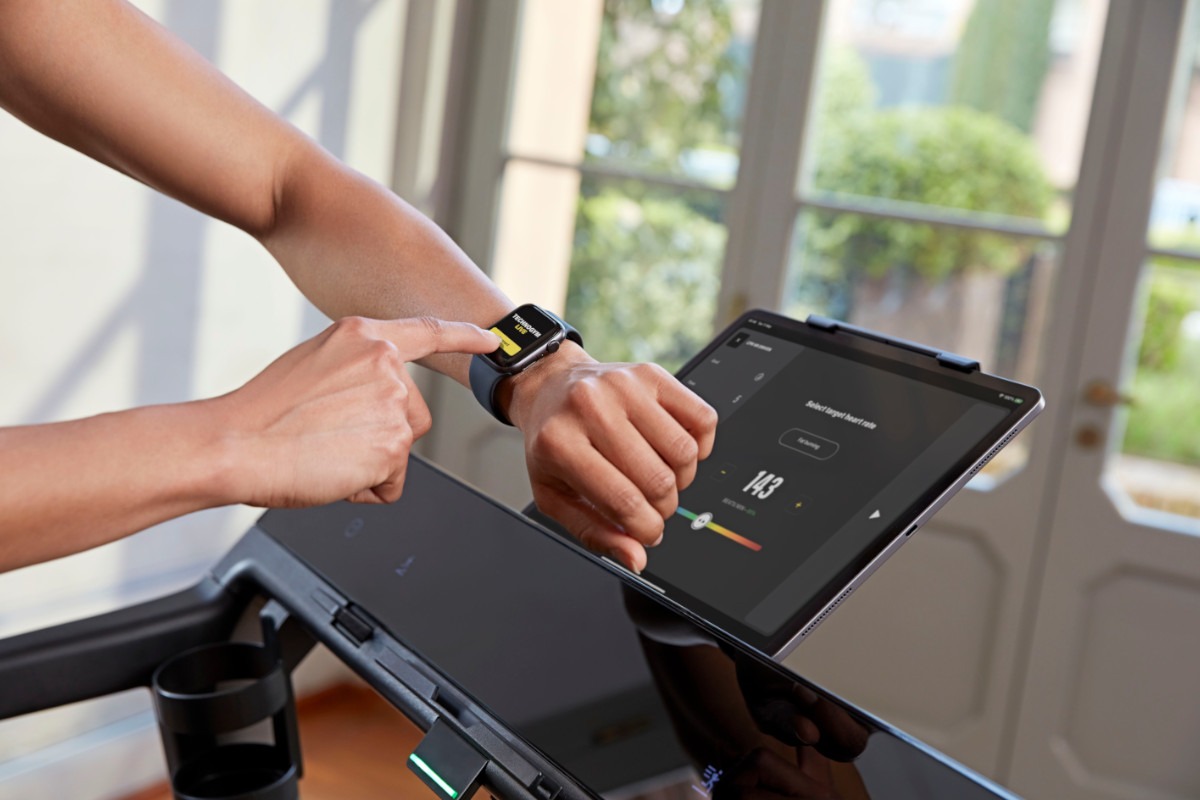
Tech tools are reshaping how we stay active (Photo: Shutterstock)
Such efforts improve employee morale and reduce absenteeism by addressing health proactively. The integration of wellness into corporate culture is a growing priority, benefiting both organisations and their workforce.
Outdoor Fitness Activities
Taking advantage of open spaces, outdoor workouts like running clubs, hiking groups, and park-based exercise sessions have seen a rise in popularity. The connection with nature combined with physical exertion appeals to many who seek fresh air and a break from screen time.
Outdoor fitness also supports social interactions and provides varied terrain that challenges different muscle groups. The enthusiasm for nature-based workouts shows how fitness trends can adapt to different environments and preferences.
Customized Fitness for Special Populations
Fitness options tailored to specific groups such as seniors, pregnant women, and individuals with chronic illnesses have expanded. Programmes that consider unique physical and health needs offer safe ways to stay active and improve quality of life.
Healthcare professionals and fitness experts collaborate to create guidelines and routines that promote gradual progress while safeguarding health. This inclusivity ensures that more people benefit from fitness regardless of their circumstances.
Fitness trends have taken on multiple forms, appealing to a broad spectrum of individuals with different goals and lifestyles. From technology-enhanced workouts to time-honoured practices, the variety available today encourages people to find what suits them best. This diversity is instrumental in maintaining motivation, ensuring that health and wellness remain accessible and enjoyable for all.