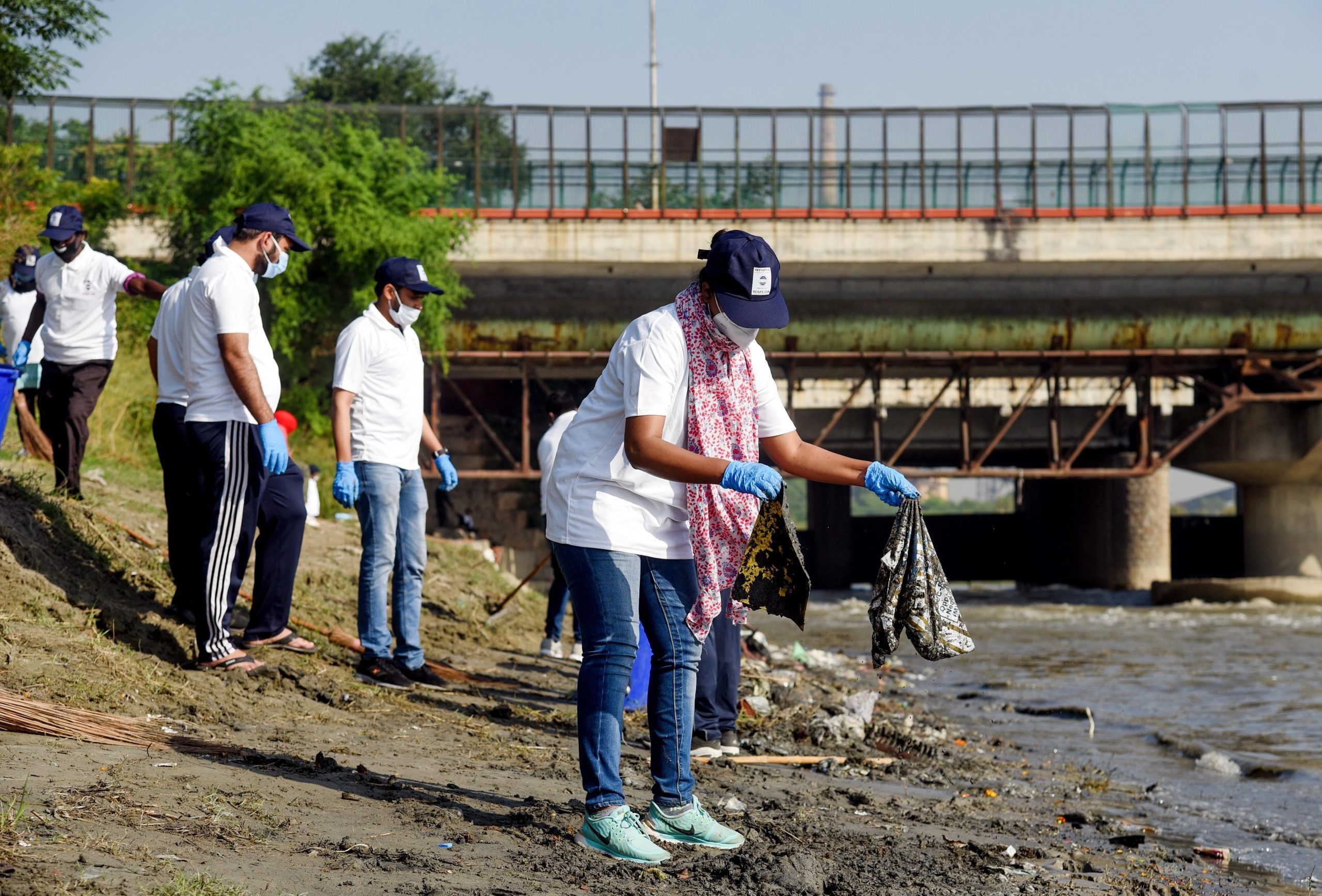
A renewed focus on hygiene and sanitation across rural and urban communities has brought a major transformation in how waste management and cleanliness are approached.
This country-wide initiative, launched several years ago, was structured to improve cleanliness while addressing deep-rooted public health challenges. It moved beyond symbolic actions and sought practical implementation of sanitation reforms that influence the day-to-day well-being of ordinary citizens.
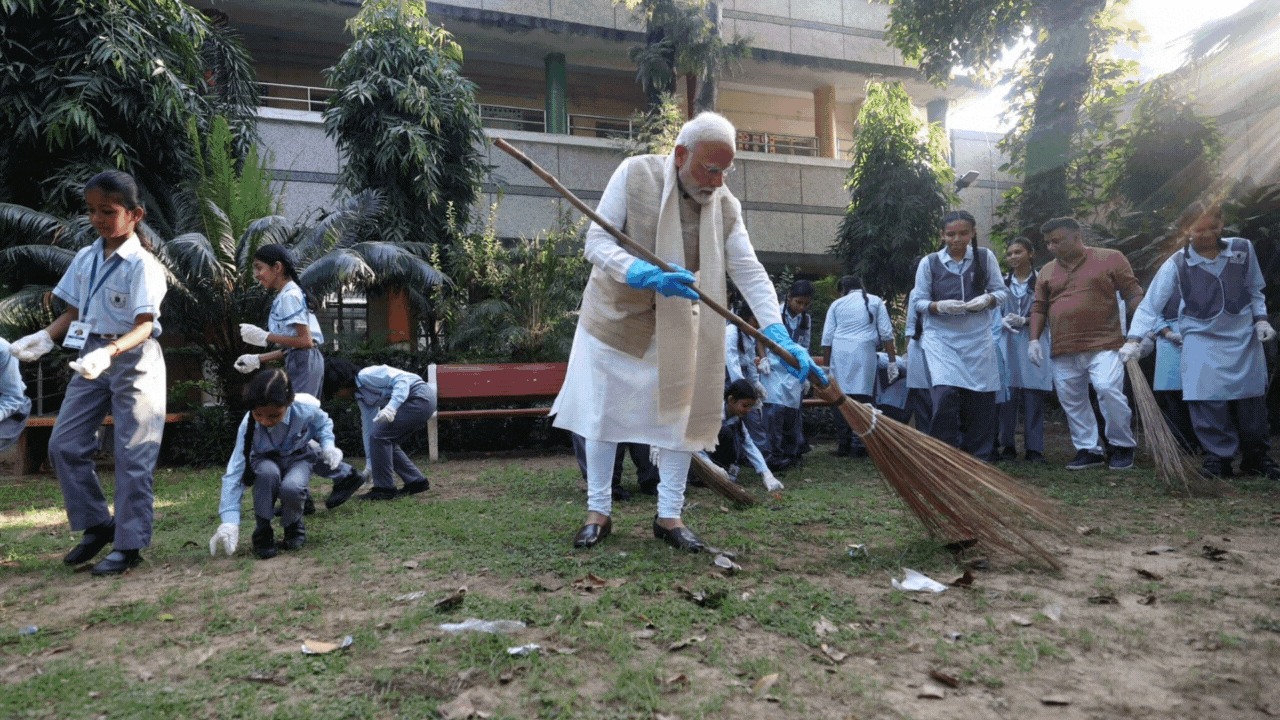
Schoolchildren become the new voices of hygiene (Photo: Alamy)
Through a deliberate emphasis on behaviour change, the campaign made cleanliness a civic responsibility and prompted widespread public participation.
The cleanliness movement did not remain a government affair alone. Instead, it encouraged residents, private organisations, schools, and local influencers to work together to improve hygiene levels in public spaces.
From improved toilet access to behavioural reorientation campaigns in schools and markets, the programme reshaped how people view sanitation. The campaign directly tackled open defecation and poor waste disposal habits, two factors that had long contributed to the rise of waterborne diseases.
Access to sanitation has always had a direct relationship with community health standards. When more communities started embracing toilet use, reports of diarrhoea, cholera, and other sanitation-related illnesses dropped considerably.
While some parts of the country experienced slower adoption, the total effort marked a change in attitude toward cleanliness in both personal and public spaces.
Community-Led Actions and Behavioural Change
One of the central points of this sanitation campaign was the decision to focus on personal involvement. It was not limited to infrastructure projects. There were mass awareness drives, community meetings, and direct education that influenced people’s understanding of the consequences of poor sanitation habits.
Local leaders were trained and encouraged to serve as hygiene champions, ensuring that their neighbourhoods followed good sanitation practices.
Behavioural change was addressed through repetition and visibility. Children in schools were taught the value of using toilets, handwashing with soap, and safe water storage.
These teachings were reinforced at home and in religious gatherings. Sanitation messages appeared regularly on radio, television, and public posters, helping to strengthen the ideas in the minds of citizens across various regions.
This strategy resulted in a change in how hygiene practices were passed from one generation to another. Parents who once relied on traditional methods began adopting more structured habits like regular toilet use and safe waste disposal. While infrastructure provided the necessary tools, it was this change in thinking that helped drive long-term change.
Reduction in Disease Spread and Hospital Visits
Poor sanitation has always been linked to several common health issues, especially in areas where clean water and proper waste disposal were lacking. Open defecation, for instance, contributed to the contamination of water sources.
The campaign’s push to construct toilets and promote their consistent use helped to remove one of the biggest contributors to faecal contamination.
Health workers in many local clinics started reporting lower instances of diseases such as dysentery, hepatitis A, and typhoid. This was especially evident in regions where open defecation had been widespread. Improved waste segregation also meant that disease-carrying vectors such as flies and rodents had fewer opportunities to spread bacteria.
As sanitation habits improved, the demand for treatment of preventable diseases declined. This allowed healthcare facilities to devote more attention to non-communicable illnesses, maternal care, and vaccinations. The reduced strain on public health systems created room for better resource allocation and more effective medical service delivery.
Improved Nutrition and Child Health
Children are the most affected by poor hygiene. They often face greater exposure to bacteria, especially in unsanitary environments. Constant exposure to contaminated surroundings increases their chances of suffering from diarrhoea, which can cause malnutrition and stunted growth. With cleaner surroundings and better waste disposal methods, this risk is considerably lowered.
Under the programme, several schools were equipped with proper toilet facilities, and many were given access to clean drinking water. Midday meal schemes were supported by sanitation improvements to ensure that children ate in clean environments. Teachers were trained to include hygiene messages during their daily lessons, making cleanliness part of school culture.
As the sanitation campaign gained momentum, reports showed better health outcomes for children under five. Communities that adopted handwashing and stopped open defecation saw noticeable progress in child growth and immunity. Fewer illnesses meant children could attend school regularly, contributing to better learning outcomes as well.
Women’s Health and Privacy Benefits
Women and girls have long suffered from the effects of inadequate sanitation, especially in rural parts of the country. Lack of toilets placed them at risk of harassment and caused many to delay relieving themselves, leading to urinary tract infections and other related issues.
With more toilets being built and maintained, women found it easier to manage personal hygiene with dignity. Schools that provided separate toilets for girls saw improved attendance, especially during menstrual periods. Girls no longer needed to skip classes or drop out because of a lack of proper hygiene facilities.
Women’s participation in the cleanliness movement also created new income opportunities. In some communities, women-led self-help groups began managing waste collection services and toilet maintenance. These activities promoted independence while strengthening the sanitation system from within.
Waste Management and Environmental Cleanliness
The campaign also addressed solid waste disposal by encouraging better waste handling practices in households and public areas. Instead of dumping refuse in open fields or on roads, people were advised to use designated bins and separate biodegradable waste from non-biodegradable materials.
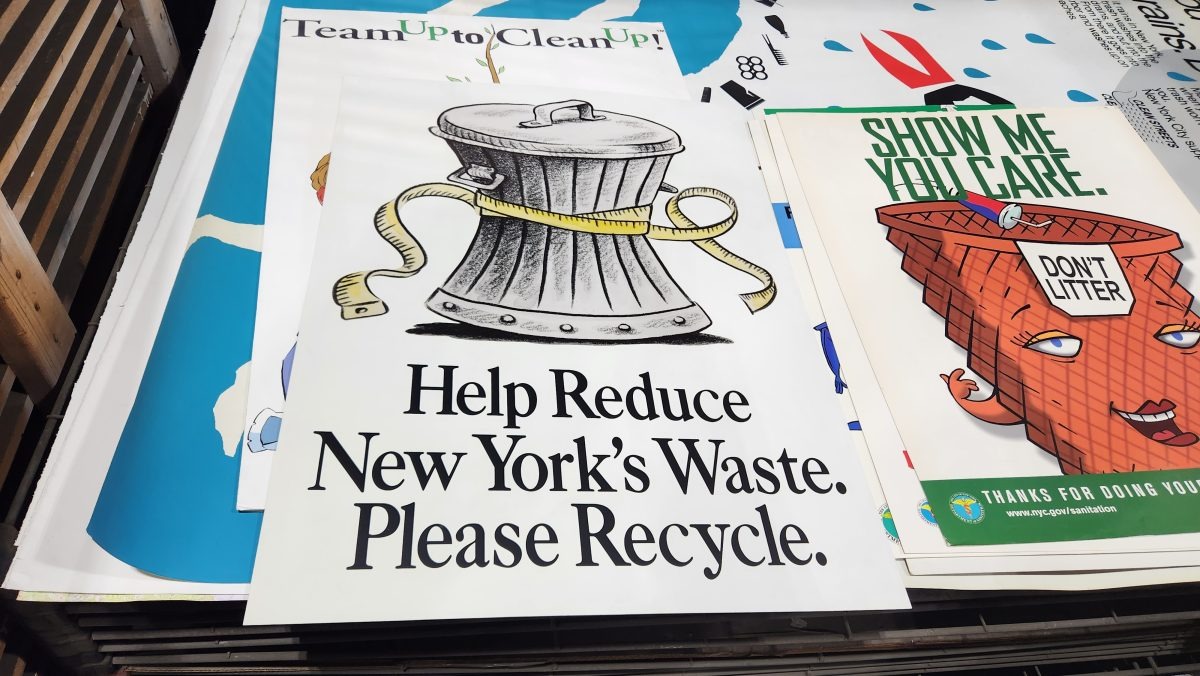
Posters and broadcasts bring sanitation into everyday life (Photo: Getty Images)
Many local authorities established waste collection schedules and started enforcing cleanliness regulations. Residents were penalised for illegal dumping, and incentives were given to areas that maintained high cleanliness standards. Parks, markets, and bus stops became cleaner, and the general appearance of urban and rural environments improved.
This change in waste handling practices supported public health by reducing breeding grounds for mosquitoes and rodents. It also helped prevent the clogging of drainage systems, which in turn reduced flooding during the rainy season.
Toilet Access and Open Defecation-Free Goals
Before the campaign, several parts of the country lacked access to functioning toilets. This made open defecation a common practice, especially in villages and small towns. The programme worked to eliminate this problem by funding the construction of individual and community toilets.
Districts were given clear targets to become open defecation-free, and monitoring teams were sent to verify claims. Toilets were not only built but were also tracked for maintenance and use. In many places, volunteers checked whether households had adopted the facilities or continued old habits.
Efforts to eliminate open defecation also included the distribution of cleaning products, educational posters, and radio announcements that explained the health dangers associated with the practice. The approach balanced practical infrastructure with a steady campaign for awareness and habit reinforcement.
Public Participation and Future Commitment
The campaign depended strongly on participation from the people. This was encouraged through cleanliness drives, community reporting, and recognition for areas that stayed clean. School competitions, workplace activities, and televised events all promoted sanitation efforts as a matter of pride and patriotism.
Despite the progress made so far, continuous efforts are needed to maintain the improvements. Waste disposal systems must be monitored, toilets must be repaired when damaged, and the message of hygiene must be passed on to younger generations. The campaign proved that with the right approach, even deeply rooted challenges can be addressed effectively.
From reducing disease transmission to improving school attendance and promoting women’s dignity, the hygiene and sanitation drive has contributed to better living conditions across many communities. The progress reflects the impact of collective responsibility and the importance of combining education with infrastructure.
It is now up to local bodies, households, schools, and businesses to keep the standard high and prevent a return to unhealthy practices. By remaining committed to daily cleanliness and respectful waste habits, long-term improvements in public health can continue to be achieved.