The urgent need to change how people relate with the environment has become a matter that can no longer be ignored. Modern lifestyles, while offering comfort and convenience, have put a great amount of pressure on natural resources.
As consumption patterns continue to rise, it becomes clear that human activity has left lasting effects on ecosystems, climate, and biodiversity. The growing level of pollution, waste generation, and energy demand has placed the Earth under extreme pressure. This reality brings attention to the idea of sustainable living, which encourages a way of life that supports the environment rather than weakens it.

Reusable containers become quiet heroes of change (Photo: Shutterstock)
Across several countries, the results of careless use of resources have become obvious. From rising sea levels to more frequent heatwaves, the environmental damage caused by unchecked industrial and domestic behaviour can be felt across borders.
People are now facing new forms of weather patterns, disrupted food systems, and increased health risks. All these issues point towards the need to take conscious steps to reduce harm and create balance between human activities and natural systems.
Sustainable living, which involves everyday decisions about how one uses water, electricity, transportation, and even what one eats, plays a vital role in shaping a future where nature can thrive alongside human development.
The Impact of Daily Decisions
Every action taken at individual or household level contributes to the state of the environment. Simple habits like leaving lights on unnecessarily, using too much plastic, or wasting food have long-term effects.
Although these behaviours may seem small on their own, they build up over time and put pressure on the planet. Making changes in these areas may seem inconvenient at first, but they hold the potential to reduce waste and save resources.
Using reusable containers instead of disposable ones, switching to energy-efficient bulbs, and reducing water wastage during daily chores are steps that make a difference.
When people begin to understand that personal choices influence broader systems, they start to act more responsibly. Choosing local products, eating less meat, and supporting sustainable brands are all ways in which one can take part in building a healthier environment.
Why Timing Matters Now
There was a time when environmental issues were discussed only in science classrooms and policy conferences. However, that period has passed. Today, people are seeing the direct effects of environmental damage in their communities. Whether it is flooding caused by poorly managed drainage or rising temperatures affecting agriculture, the evidence is no longer hidden.
Young people are growing up in a world that may offer less clean air, less drinkable water, and fewer natural spaces if nothing changes. The speed at which the Earth is warming and the rate at which forests are disappearing have left very little room for delay.
Acting now increases the chance of avoiding the worst outcomes. Scientists and environmental experts have warned that postponing action will make it more difficult to reverse damage already done. By choosing to act now, people have a better chance of passing on a livable planet to future generations.
Sustainable Living and Economic Growth
Many believe that protecting the environment comes at the cost of economic progress. However, this idea does not reflect what is currently happening in many parts of the world.
Countries and communities that invest in sustainable practices often benefit from better public health, reduced spending on energy, and the creation of new job opportunities.
For example, industries focused on clean energy, recycling, and eco-friendly agriculture are growing steadily. These sectors provide jobs and encourage innovation without harming the environment.
Solar panels, for instance, reduce electricity bills in the long run and provide cleaner sources of power. Similarly, reducing waste and using recycled materials lowers production costs while keeping pollution in check.
Choosing sustainability also improves long-term financial planning for individuals. A person who reduces electricity use, limits unnecessary purchases, and maintains household appliances properly saves money over time. It is no longer just about helping the environment. It is also about managing finances more wisely and ensuring stability.
Health Benefits of Sustainable Choices
Living sustainably often leads to better physical and mental health. Choosing to walk or cycle instead of driving reduces air pollution and also promotes physical activity. Consuming more plant-based meals and reducing intake of processed foods lowers the risk of several health conditions such as obesity, diabetes, and heart disease.
Another aspect is the effect of cleaner environments on mental well-being. People tend to feel better when they spend time in green areas, breathe clean air, and drink safe water.
Community gardens, tree planting, and cleaner neighbourhoods all contribute to improving emotional health. These changes may not happen overnight, but they start with consistent decisions made by individuals and families.
In urban areas where pollution is high, adopting sustainable habits can lessen the harmful effects of industrial activity and traffic. Proper waste management, reduced plastic use, and cleaner forms of transportation all improve air and water quality. This, in turn, leads to fewer medical visits and a lower burden on the healthcare system.
Supporting the Planet Through Innovation
Technological progress has made it easier to adopt environmentally friendly habits. From smart thermostats that regulate home temperature efficiently to mobile apps that help reduce food waste, new tools are changing how people manage their resources. These innovations give people more control over how much energy they use, what products they buy, and how they dispose of waste.
Even in rural areas, solar-powered devices, water-saving equipment, and organic farming tools have started changing practices that once relied heavily on harmful chemicals or fuels. Encouraging creativity and promoting inventions that reduce environmental harm is another step toward a more balanced world.
Educational institutions are also playing a role by teaching sustainability-focused topics in schools and universities. By raising awareness from a young age, people grow up with the knowledge and skills needed to make better choices. This promotes long-term thinking and a more responsible approach to consumption and production.
Role of Community and Policy
Individual efforts matter, but communities and governments must also take strong actions. Laws that regulate emissions, promote clean energy, and protect natural areas are important. When governments provide incentives for using renewable energy or punish harmful practices like illegal dumping, they support a cleaner future for everyone.
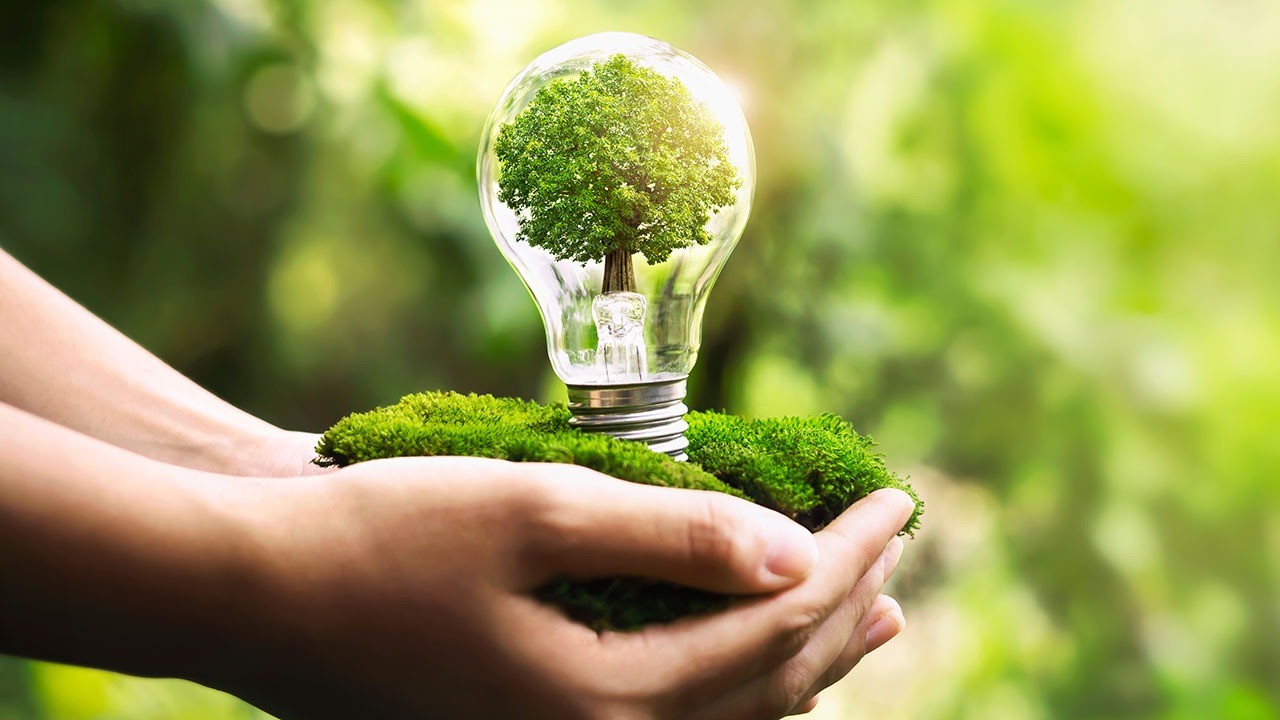
Energy-efficient bulbs light the way to greener habits (Photo: Twitter)
Communities also influence change through shared values and practices. Recycling drives, clean-up campaigns, and awareness events strengthen the bond among neighbours while encouraging more responsible living. When people see others taking action, they feel inspired to join and contribute in their own ways.
Public transport systems, green spaces, and safe walking paths are examples of how governments can support sustainable living. These investments improve quality of life while reducing harm to the environment. Creating partnerships between local authorities, businesses, and citizens leads to more effective solutions that meet real needs.
Shaping the Future Through Everyday Choices
Everyday life offers multiple chances to protect the environment. Turning off lights when they are not needed, reusing shopping bags, repairing instead of replacing items, and composting organic waste are all examples of actions that reduce strain on natural resources.
These practices may seem small, but when adopted by millions of people, they make a large difference. Changing habits does not always require large sacrifices. It begins with being aware and choosing better alternatives one day at a time.
Sustainable living is about choosing what supports life in the long term without causing unnecessary harm. As people learn more and see the results of their actions, it becomes easier to maintain these habits and encourage others to do the same.
Building a Future That Supports Life
There is no doubt that current patterns of production and consumption cannot continue without serious harm. Moving towards sustainable living is no longer a suggestion. It is a necessity. The systems that provide food, water, and energy must be protected and managed wisely if future generations are to enjoy a healthy environment.
Efforts taken now will decide the state of the planet in the coming years. Whether it involves switching to solar power, supporting eco-conscious businesses, or reducing plastic waste, every decision contributes to shaping a better world. With consistent action, the damage caused by careless practices can begin to heal.
Living in a way that respects the environment is not just about protecting trees and animals. It is about securing clean air, fresh water, and a stable climate for everyone. As more people make this choice, the stronger the movement becomes. Each step taken towards sustainability is a step towards a better future for all.