
Efforts to encourage healthier diets and safer agricultural methods have continued to grow across many parts of Asia, especially where farming remains the backbone of rural livelihoods. One country where this change has become increasingly visible is a South Asian nation with a strong agricultural tradition.
Over the years, different organisations, farmer groups and local entrepreneurs have taken steps to promote food grown without chemical inputs, which has attracted attention from health-conscious consumers and sustainability advocates.
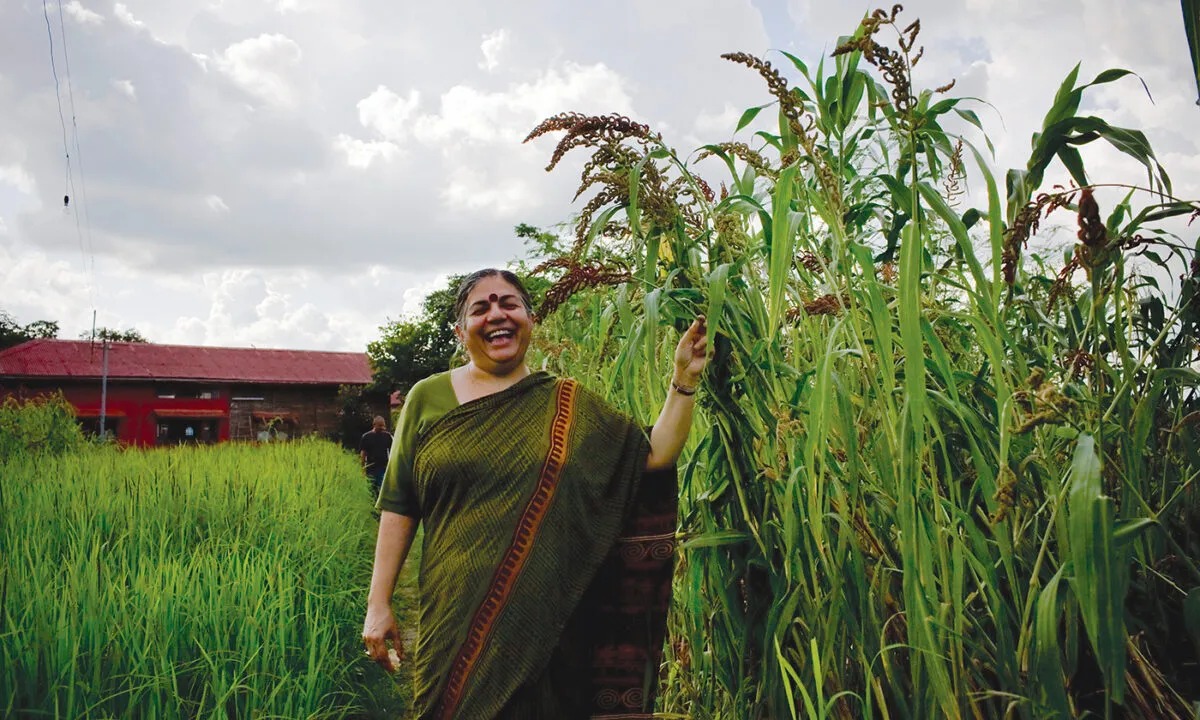
Navdanya empowers women farmers to lead the way in eco-friendly food systems (Photo: Getty Images)
These food initiatives have emerged in both urban and rural areas, gaining momentum as concerns about soil degradation, pesticide residues and food safety increase.
People are becoming more interested in how their food is produced and processed, especially those in cities who want cleaner, fresher options. This has made room for alternative food systems focused on environmental care, farmer welfare and healthy eating.
These systems are different from industrial agriculture, relying more on natural compost, crop rotation and local seeds. Rather than depending on synthetic chemicals, these approaches allow the soil to retain its nutrients, helping farmers in the long run and reducing harmful runoff into water bodies.
While these efforts are driven by environmental and health goals, they also address social issues such as fair prices for farmers and empowering local communities. Below are seven well-known organic food movements that have contributed meaningfully to this growing change toward more responsible food production and consumption.
1. Navdanya Movement
This movement was started by an environmentalist and scientist who has been advocating for seed preservation, traditional farming practices and organic food systems. The focus of the group has always been on promoting biodiversity and reducing dependence on genetically engineered crops.
Through various seed banks, community outreach programmes and organic farming schools, the organisation has been able to reach thousands of small-scale farmers across the country.
It also encourages farmers to rely less on global corporations for seeds and inputs, helping them stay self-reliant. The movement has always made room for women in agriculture, giving them the training and confidence to return to natural methods. Their farms usually grow multiple crops, including forgotten grains like millets, pulses and traditional varieties of rice and wheat.
The produce is sold through fair-trade networks and farmer markets, where consumers are directly connected to those who grow their food. The work done here is both ecological and political, drawing attention to issues around food sovereignty and farmer independence.
2. Organic Farmers Market by OFAI
The Organic Farming Association of India (OFAI) brought together a variety of stakeholders, from individual cultivators to farming collectives. Their regular farmers’ markets provide a reliable venue for people to buy chemical-free produce directly from the source. These markets also serve as an educational platform, showing shoppers the value of seasonal, native crops.
This system builds trust between rural producers and urban dwellers, who otherwise may not have access to fresh and safe alternatives. OFAI also organises conferences and training events, where farmers learn how to transition to more natural forms of cultivation. Those who follow their standards must avoid synthetic fertilisers and pesticides, and they are encouraged to recycle farm waste and protect water sources.
By supporting smaller farmers who may not have big landholdings, the association strengthens rural communities and helps prevent the decline of traditional food knowledge. The organic farmers who take part in this system are given the opportunity to connect to better markets, which improves their income over time.
3. Sikkim’s State-Level Organic Policy
This state became widely recognised after declaring itself fully organic. All of its farmland is now under natural farming methods, making it a rare example of government-led transformation. The policy stopped subsidies for chemical fertilisers and offered support for compost units, organic certification and training workshops.
Farmers were trained to make bio-inputs on their own, reducing dependency on outside supplies. The government also created a strong support system with inspectors, trainers and marketing assistance. This effort led to an increase in soil health, water retention and crop resilience, which reduced farming costs and helped preserve the local environment.
The organic branding of produce from this region has gained attention both domestically and internationally. With certification and traceability, buyers are able to identify the origin of food and trust its production method. What started as a local agricultural reform is now seen as a broader example of sustainable development through policy coordination.
4. Timbaktu Collective in Andhra Pradesh
Located in a dryland region, the Timbaktu Collective supports agroecological farming in partnership with local communities. Their goal is to restore ecological balance while improving the quality of life for smallholder farmers. Over the years, they have helped create farmer-owned cooperatives that follow natural farming methods.
The organisation’s work is guided by principles of mutual support, community ownership and ecological restoration. Their members learn to make their own compost, natural pesticides and seed treatments, which reduces farming expenses and improves yield over time. Many of their farms use intercropping and crop rotation to keep the soil healthy.
They also operate their own brand under which grains, spices and oils are sold without the use of harmful chemicals. The profits go back to the farmers, who are also shareholders in the business. By involving the community in every step of the process, the collective ensures long-term participation and local accountability.
5. Jaivik Bharat Certification Programme
This certification system, created under the country’s food safety authority, was set up to streamline the standards for organic products. Many producers and consumers had found it difficult to distinguish genuine organic goods from those that were falsely labelled. To fix this, the government introduced a unified logo and certification mark, which makes it easier to identify items that meet the required standards.
Those involved in organic production, including packagers and traders, must follow a set of procedures and inspections to earn the certification. This effort brings better regulation into the organic sector and gives consumers greater confidence. For producers, it helps create access to formal markets like supermarkets, online platforms and export buyers.
By bringing together multiple stakeholders under a single quality standard, the programme supports the development of organised food systems. It has encouraged more farmers and entrepreneurs to take the natural route by assuring them of better recognition and market access.
6. Sahaja Samrudha Network
This grassroots network has focused on preserving indigenous seeds and spreading knowledge of traditional farming techniques. It began as a group of organic farmers and evolved into a larger movement that trains new entrants and supplies naturally grown food to cities. They also organise seed festivals and workshops that educate people about food traditions and native plant varieties.
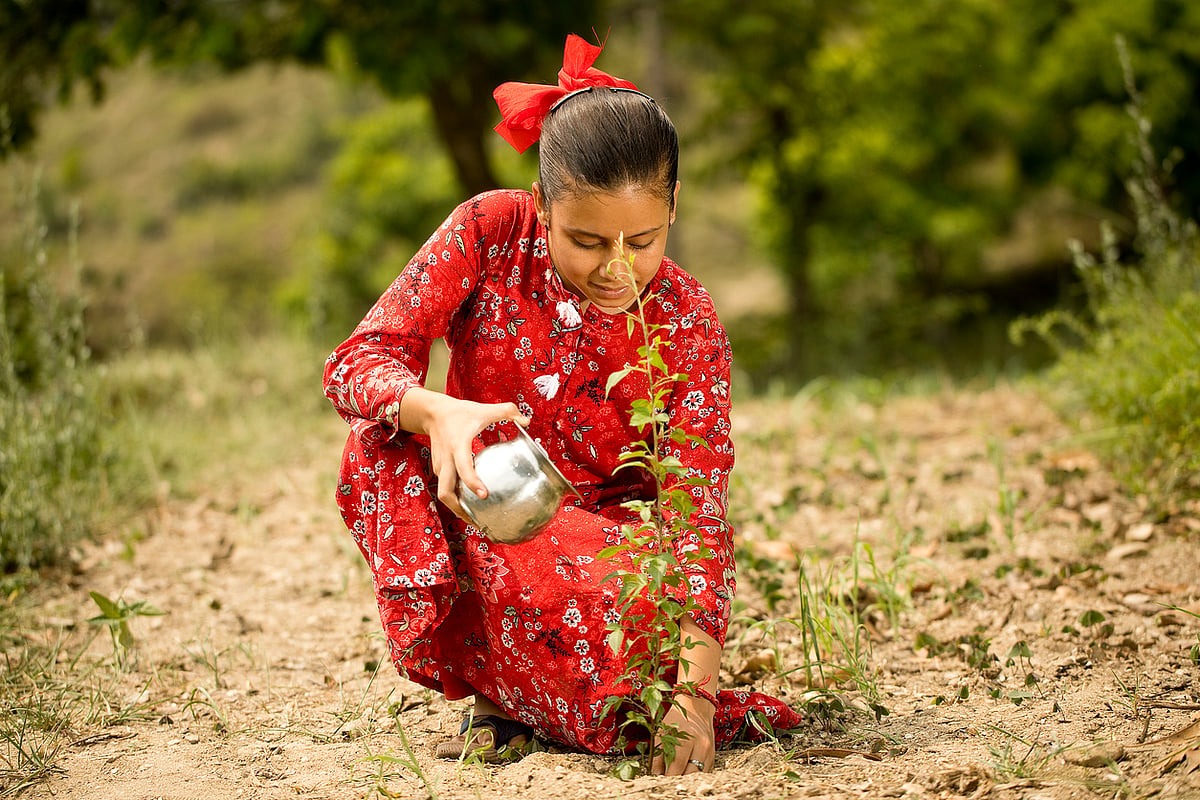
Sahaja Samrudha Network (Photo: Alamy)
The network promotes decentralised methods of cultivation, often choosing local crops that are suited to the soil and climate. Farmers are trained to save their seeds, prepare organic manure and document their work. Through collective marketing, the network ensures that members get a good price for their harvest.
By working closely with both urban and rural communities, the group builds awareness about clean eating and environmental care. Many of their efforts focus on reviving forgotten foods and encouraging their inclusion in regular diets.
7. Punjab’s Kheti Virasat Mission
This initiative started in response to rising health issues believed to be linked with the overuse of pesticides and synthetic fertilisers. Concerned citizens and farmers decided to come together and change to safer, traditional practices. The mission trains farmers in natural cultivation techniques and also works on awareness-building across villages and towns.
They have made efforts to connect health workers, teachers and farmers so that information about food safety reaches a wider audience. The training modules are often hands-on and practical, involving demonstrations and follow-up visits. They encourage farmers to avoid chemical inputs and instead use traditional wisdom backed by modern insights.
With a mix of advocacy, grassroots mobilisation and technical support, the movement has introduced a different way of looking at farming. Their outreach extends beyond the farm, touching on food preparation, child nutrition and public health.
The movements highlighted here reflect a shared commitment to better food systems through organic practices. Each one has brought its own strategy, shaped by local context, ecological needs and cultural values.
Whether through government support, community effort or grassroots innovation, they show that alternatives to conventional farming can thrive when given the right platform and guidance. Consumers, farmers and policymakers continue to play a role in pushing for cleaner, fairer and more mindful ways of producing food.