Efforts to prioritise environmental protection have led various parts of the country to embrace forward-thinking solutions. Several Indian states have decided to make long-term changes by putting eco-conscious policies into action.
These states are working hard to limit pollution, reduce carbon emissions and promote renewable energy in both rural and urban areas. Their performance has drawn attention from those studying sustainability across different regions.
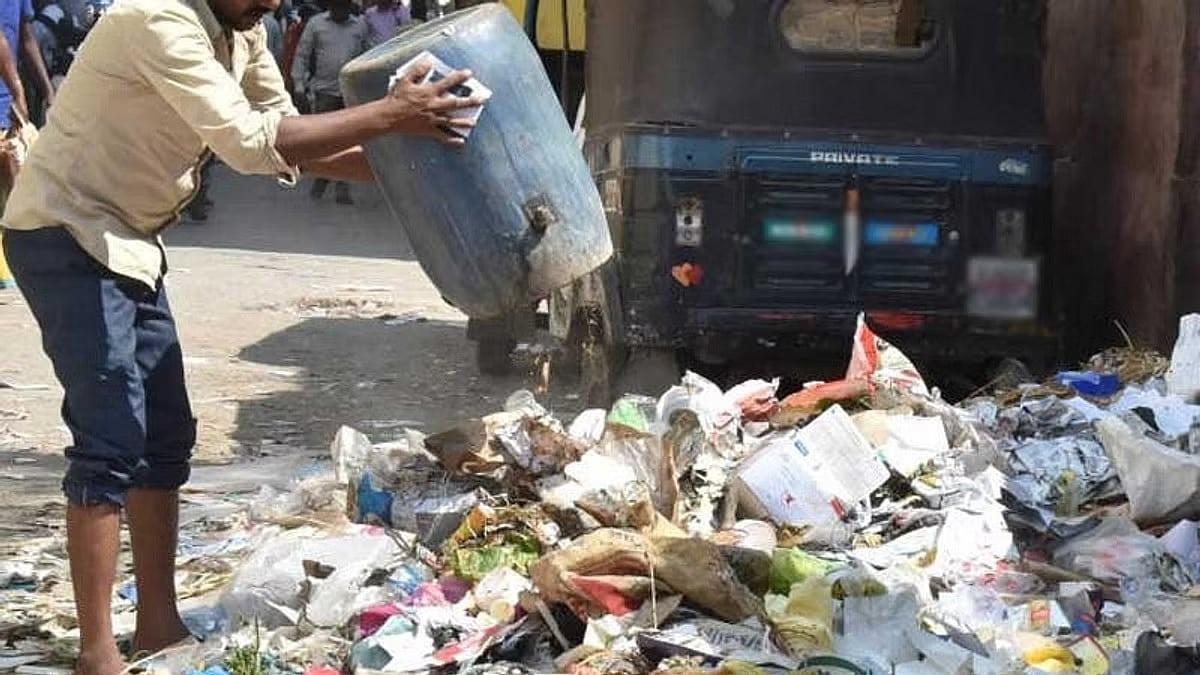
Community waste warriors in Kerala lead the way toward cleaner neighborhoods (Photo: Twitter)
While some parts of the country continue to depend on fossil fuels and resource-heavy systems, others have taken firm steps to promote cleaner alternatives. Among these efforts, solar and wind power generation have grown stronger with policy backing. Government incentives, public awareness and active community involvement are making the difference in how fast certain states improve.
Rural districts are also playing their role as local communities join hands with state authorities to preserve forests, recycle materials and develop organic farming practices.
The collective effort has resulted in a clear move towards energy efficiency and waste control across homes, institutions and industries. It has also encouraged private investors to support eco-friendly ventures.
This steady progress has placed some states ahead of others. Their work goes beyond policy documents, showing measurable improvements in water management, waste disposal and air quality. Below are the leading states that have gained recognition for pushing environmental programmes with consistency and measurable outcomes.
Kerala: Strong Focus on Sustainable Waste Practices
Kerala has taken strong measures to maintain its green cover while managing waste with effective strategies. The state government has introduced community-based waste disposal models that encourage segregation of household waste at the source.
Local bodies, with the support of non-governmental organisations, have rolled out decentralised waste treatment centres across several districts. These facilities handle organic waste through composting, while inorganic waste gets sorted and sent for recycling.
Green protocols have been made compulsory in many public functions and festivals. This includes banning plastic items and encouraging the use of cloth bags, steel utensils and leaf plates.
The Haritha Karma Sena, a group of trained workers, operates within communities to collect and process household waste, keeping public spaces clean. These efforts have been backed by awareness campaigns that promote cleanliness and environmental responsibility.
Apart from waste management, Kerala has made remarkable progress in promoting organic farming through farmer training and subsidy schemes. As a result, the state has witnessed growth in chemical-free cultivation, especially in vegetable farming. The model has received attention for combining policy-level action with community involvement.
Gujarat: Renewable Energy Leader
Gujarat has made major progress in clean energy production by developing both wind and solar power sectors. Its location and climate conditions have made it a prime spot for renewable energy ventures.
The state has created large solar parks, such as the one in Charanka, which houses several solar projects under one platform. These facilities feed energy into the grid and reduce dependence on coal-based power plants.
Wind farms have been installed across several coastal areas, offering an alternative to traditional energy sources. Private and public investments have strengthened Gujarat’s status as a power producer from clean sources.
The state also introduced rooftop solar schemes for residential and commercial buildings, helping reduce electricity costs for users while easing the load on public utilities.
Authorities have linked solar energy to irrigation through solar pumps, which allow farmers to draw water without diesel or grid power. These pumps help reduce costs while cutting down carbon output. Gujarat’s climate policies focus on practical solutions backed by incentives, which has resulted in consistent growth of clean energy installations.
Sikkim: Championing Forest Conservation and Organic Farming
Sikkim has stood out for preserving its rich biodiversity while promoting sustainable agriculture. The state was declared fully organic in 2016, and it continues to lead in chemical-free farming.
Farmers have adopted compost-based fertilisers and bio-pesticides through training and support from agricultural officers. The market for organic produce has grown, with local and export demand driving income growth in farming communities.
Forest protection is treated as a top priority. Stringent rules are in place to prevent illegal logging and encroachment. Community forest management groups help monitor forest zones and report activities that could harm ecosystems. Eco-tourism has become a secondary income source for many residents, bringing visitors to forest areas without disrupting wildlife.
Water conservation projects have been launched to protect the quality and flow of natural springs, which serve as the main water source for many communities. Awareness campaigns on preserving local flora and fauna are regularly conducted in schools and village centres. These steps show how environmental policies are being rooted into everyday life.
Maharashtra: Urban Green Projects and Sustainable Mobility
In a state with large urban centres like Mumbai and Pune, Maharashtra has turned attention to greening its cities. Tree plantation drives and urban forest development are central to its approach. The Miyawaki method has been adopted to create dense forests in small city spaces, often transforming neglected areas into green patches.
Public transport has been upgraded through electric buses in cities and the promotion of non-motorised transport. Bicycle tracks and pedestrian-friendly zones are being developed to encourage people to leave cars at home. The government also introduced incentives for electric vehicles, which includes charging infrastructure and reduced registration fees.
Another key move is the development of waste-to-energy plants that turn municipal solid waste into usable power. This approach addresses two problems at once: managing waste and adding energy to the grid.
Maharashtra’s focus on integrating green practices into its urban development strategy has placed it among the more responsive states in environmental planning.
Himachal Pradesh: Preserving Natural Resources Through Local Action
Himachal Pradesh has maintained a close link between development and environmental protection. Community-driven watershed management projects have helped restore degraded lands and increase water availability for both agriculture and domestic use. The state’s terrain makes it vulnerable to soil erosion, so efforts have gone into protecting slopes with vegetation and check-dams.
Hydropower remains the main source of energy, but the state has taken care to assess environmental risks before approving new projects. Small-scale hydropower units that cause less disruption to river ecosystems are being encouraged.
In rural areas, the use of clean cooking fuel has been expanded through subsidies for LPG connections. This has helped reduce dependence on firewood and improved indoor air quality. Educational programmes in schools highlight conservation habits and energy-saving practices from a young age.
Tamil Nadu: Driving Change Through Energy and Industry
Tamil Nadu ranks high when it comes to renewable energy production, especially wind power. Its consistent wind patterns have allowed the setting up of large wind farms that contribute a sizable share to the state’s electricity. Solar power also has a strong presence, with grid-connected rooftop systems becoming more common.
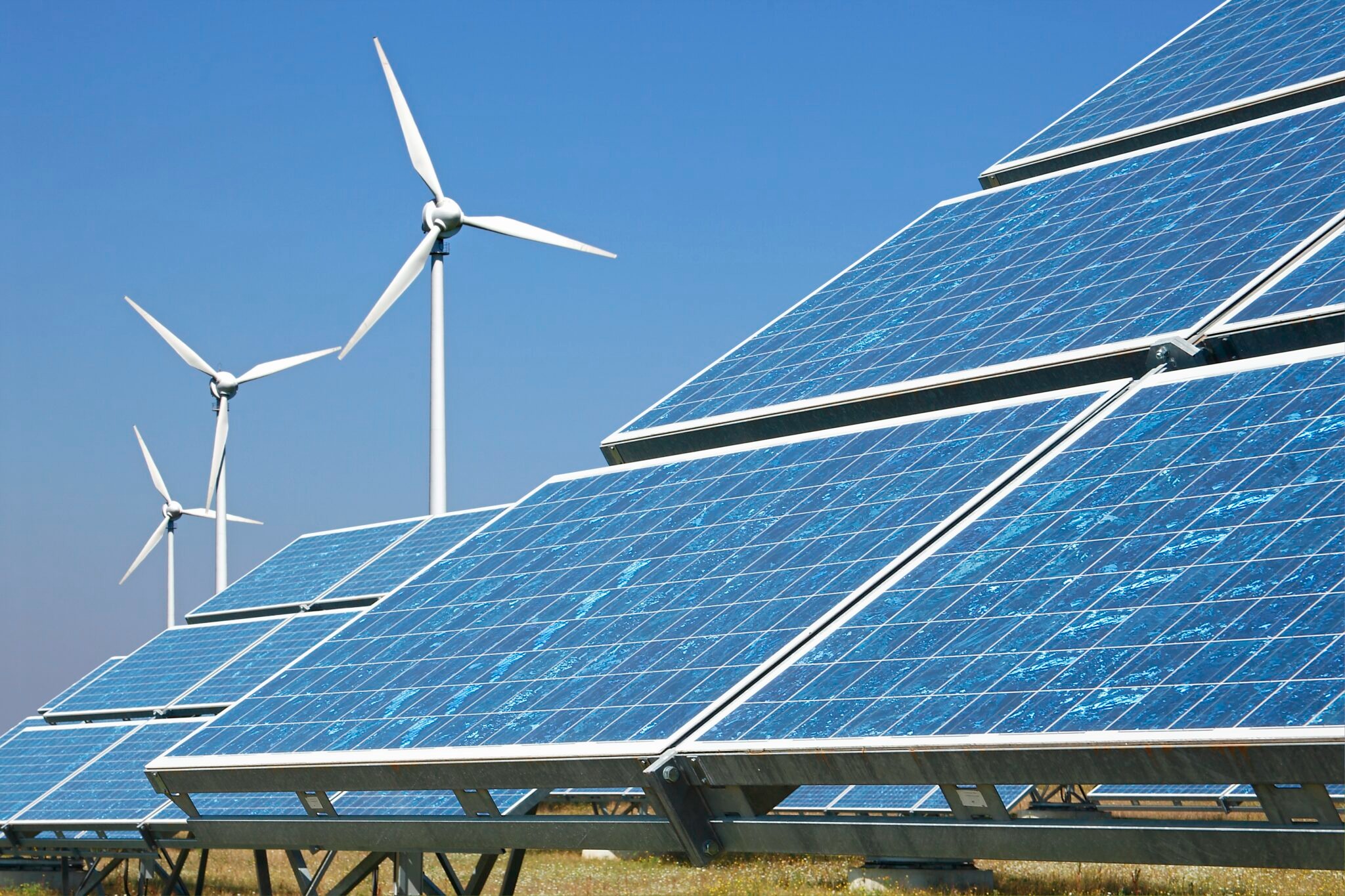
Solar panels and windmills now power change across forward-thinking states (Photo: Getty Images)
Industrial areas have been instructed to comply with environmental guidelines that limit emissions and promote recycling. Wastewater treatment has been upgraded in many zones to prevent pollution of nearby water bodies. Environmental clearances are now linked to continuous performance monitoring to ensure factories maintain standards throughout their operation.
The state has also made progress in reducing dependence on conventional lighting by promoting LED installations in public places, government offices and homes. Energy audits are conducted regularly in commercial buildings to identify wastage and propose corrective steps.
Arunachal Pradesh: Promoting Eco-Tourism and Forest Protection
Arunachal Pradesh remains one of the richest regions in biodiversity and has taken steps to safeguard its forests while boosting income through controlled eco-tourism. Visitors are guided through specific trails with local tour operators trained in conservation awareness. This has created jobs while maintaining minimal impact on wildlife habitats.
The state’s forests are managed through a joint system involving local communities and forest departments. Villagers are given roles in monitoring activities and are rewarded for preserving their green cover. Reforestation projects are underway in zones affected by shifting cultivation, replacing barren areas with native trees.
Efforts have also been made to reduce the use of plastic in towns and tourist sites. Awareness drives and regular clean-up programmes have been introduced to protect rivers, hills and trekking areas from pollution. These measures show how conservation goals are being balanced with developmental needs.
Green Practices Across States
The states mentioned have shown strong examples of how regional action can support long-term environmental balance. They demonstrate what can happen when governments take practical steps, communities get involved and policies are linked to action rather than only written intentions.
Progress across these regions reflects different strategies suited to their specific geography, culture and needs. While challenges still remain, the pace and scale of work happening across many of these states provide hope for future improvements.
As attention turns to climate change and sustainable living, their models can serve as references for others looking to make changes that protect both people and nature.