
Ayurveda has continued to maintain its place in healthcare discussions even as medical technology progresses. While scientific advancements offer fast-acting treatments for a wide range of conditions, there remains strong interest in natural, preventive approaches that support long-term wellness.
Ayurveda, with its ancient principles and emphasis on balance in the body, offers a very different way of understanding health when compared with modern clinical methods.
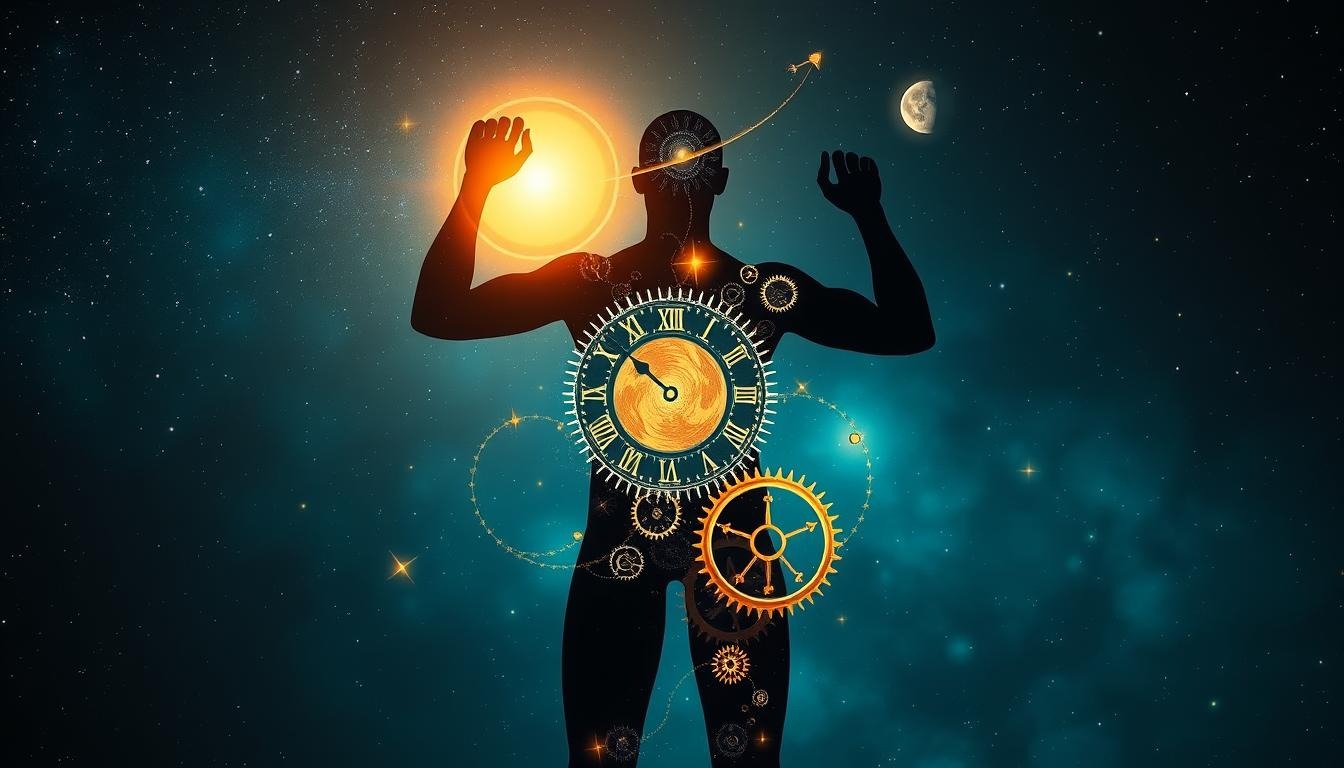
Personalized care begins with understanding your body’s natural rhythm (Photo: Shutterstock)
As different as they may appear, the two systems can work side by side, complementing one another to offer more comprehensive healthcare to people across different walks of life.
For example, modern medicine is driven by diagnostics, pharmaceutical developments, and surgical interventions that target specific symptoms and conditions. On the other hand, Ayurvedic practice begins with lifestyle evaluation, constitutional analysis, and herbal solutions aimed at restoring inner balance.
These two styles, although rooted in different traditions, can serve patients better when brought together. Patients can benefit from faster relief through allopathic intervention while also receiving Ayurvedic guidance on how to prevent recurrence and support body wellness through food, daily habits, and mindfulness.
While some medical professionals remain cautious about combining both systems, especially due to a lack of uniform scientific evaluation of Ayurvedic remedies, a growing number of practitioners and institutions are beginning to see the value in combining clinical precision with time-tested natural care.
Understanding the Principles Behind Both Systems
Modern medicine relies strongly on biological science, laboratory testing, and clinical evidence. It tends to focus on specific causes of diseases and applies treatments that are tested through large-scale research.
However, Ayurveda views disease as the result of imbalance in one’s physical constitution and mental state. Rather than targeting a single symptom, the Ayurvedic approach assesses a person’s entire routine, diet, habits, and environment to determine what has disrupted their natural equilibrium.
Ayurveda operates through the idea of three doshas – Vata, Pitta, and Kapha – which are believed to regulate bodily functions. Every individual has a unique combination of these elements, and disease is believed to occur when one or more go out of sync.
So, rather than issuing a common prescription for everyone with a headache, an Ayurvedic practitioner will ask questions about sleep patterns, digestion, emotional wellbeing, and energy levels.
Modern medicine tends to focus on universal treatment models that are based on population-wide studies. While this provides consistency, it may overlook unique personal factors that Ayurveda tends to prioritise. This is one area where combining both systems can make treatments more effective.
A personalised assessment inspired by Ayurvedic principles, followed by a targeted modern medical treatment plan, can help address both the symptoms and the root causes.
Benefits of Combining Both Approaches
When medical professionals and patients are open to using both approaches side by side, they often discover that the strengths of each system support the limitations of the other.
For instance, when someone receives surgery or treatment for a chronic disease, recovery can be faster and smoother when Ayurvedic practices such as gentle detoxification, tailored diets, and herbal supplements are introduced under proper supervision.
Modern medicine works very well for conditions that require emergency care, diagnostic imaging, or pharmaceutical intervention. However, for long-term maintenance, Ayurvedic principles such as seasonal routines, appropriate food combinations, and mindful daily practices can help avoid frequent relapses or dependency on medications.
There are also areas where Ayurvedic remedies can help reduce the side effects of strong medications. For example, cancer patients undergoing chemotherapy may benefit from Ayurvedic tonics that strengthen immunity, improve digestion, and calm anxiety.
Similarly, someone with high blood pressure may respond well to medical prescriptions while also adopting an Ayurvedic lifestyle that includes stress-reducing exercises like yoga and meditation.
Challenges and the Need for Balanced Integration
Despite the benefits, certain obstacles must be addressed when combining both healthcare systems. A major concern is standardisation. Modern medicine depends heavily on uniform drug compositions and standard dosages, while Ayurvedic treatments often rely on combinations of herbs whose effects vary based on source, preparation, and storage.
There is also a need for better education on both sides. Many doctors trained in clinical medicine may not be familiar with Ayurvedic terminology or methods. Likewise, some Ayurvedic practitioners may lack awareness of recent scientific developments or critical clinical warning signs.
When healthcare providers from both fields take time to understand each other’s approaches, they can work together more effectively to develop safe and balanced treatment plans.
Another barrier is the difference in regulatory standards. While allopathic drugs go through strict testing processes before they are approved for use, many Ayurvedic products are not subjected to the same level of evaluation.
Patients should be advised only to use remedies approved by certified experts and avoid self-treatment, especially when dealing with serious conditions.
Opportunities for Research and Institutional Collaboration
Collaborative studies are already being conducted in several countries where researchers examine the effect of Ayurvedic herbs when used alongside modern drugs. For instance, there is interest in examining how turmeric, ashwagandha, and triphala interact with medications prescribed for inflammation, mental stress, and digestive problems.
When research institutions partner with traditional schools of medicine, they can design trials that combine the best of both systems. For example, a hospital could offer allopathic treatment for asthma while introducing breathing exercises and Ayurvedic herbal mixtures under close supervision.
These methods can then be observed and adjusted based on individual results, creating new models for treatment that are grounded in both tradition and scientific method.
Universities and healthcare facilities can also develop short-term courses where students from both disciplines learn the core principles of the other system.
This kind of knowledge exchange helps build trust and collaboration between different types of practitioners. Over time, this will make it easier for general practitioners to refer patients to Ayurvedic experts when necessary, and vice versa.
Patient-Centred Benefits of Integration
Many patients, especially those dealing with long-term health issues, are looking for healthcare experiences that go beyond just medicine. They want to feel seen and heard by their doctors, and they want treatments that respect their personal habits and cultural values.
Ayurveda meets this need by giving attention to details like meal timing, emotional wellbeing, and quality of sleep. These lifestyle elements often influence health outcomes in ways that pharmaceutical treatments alone cannot address.
For example, someone who suffers from digestive trouble may not benefit fully from antacids if the root cause lies in poor eating habits or emotional stress. Ayurvedic consultation might uncover that the person eats heavy meals at irregular hours or combines foods that are difficult to digest. If these patterns are corrected, the symptoms can reduce naturally, making medication less necessary over time.
Patients also tend to appreciate the preventive aspect of Ayurveda. Rather than waiting for illness to occur, Ayurvedic guidance focuses on maintaining body function through appropriate seasonal routines, detoxification, and food that matches one’s constitution.
These practices can be introduced even when someone is following a clinical treatment plan, as long as both the patient and the doctor monitor the results carefully.
Creating Pathways for Mutual Respect
For Ayurvedic and modern medicine to work well together, both systems must treat each other with respect and avoid the attitude of superiority. The two systems come from different traditions, but each has value in helping patients live better.

Integrative healing brings balance to fast fixes and mindful traditions (Photo: Twitter)
A cardiologist can acknowledge the calming effects of daily yoga and pranayama, just as an Ayurvedic doctor can accept that emergency care and antibiotics are life-saving when used properly.
The key lies in mutual understanding and open communication. If a patient uses herbal medicine while taking prescribed drugs, both the Ayurvedic and modern practitioner should be informed.
This ensures there are no harmful interactions, and that all parts of the treatment are working in harmony. Open dialogue like this improves safety and helps patients recover faster.
It is also useful for hospitals and wellness centres to employ both types of practitioners under the same roof. This way, people can receive care that covers multiple dimensions – from rapid diagnosis and urgent treatment to daily wellness advice and long-term healing strategies.
A Step Toward Holistic Health
Blending Ayurvedic methods with modern clinical approaches offers a chance to treat patients more completely. The two systems, when used responsibly and with cooperation, can offer relief from immediate symptoms while also working to build lasting strength, clarity, and calmness in body and mind.
The combination allows for more thoughtful and long-term results. People do not have to choose one side completely. Instead, they can draw from both to manage health challenges with care that is rooted in both science and tradition.
As awareness grows and more practitioners become willing to learn from each other, the future of healthcare may become more flexible, more patient-focused, and more inclusive of all the ways humans have tried to stay well across generations.