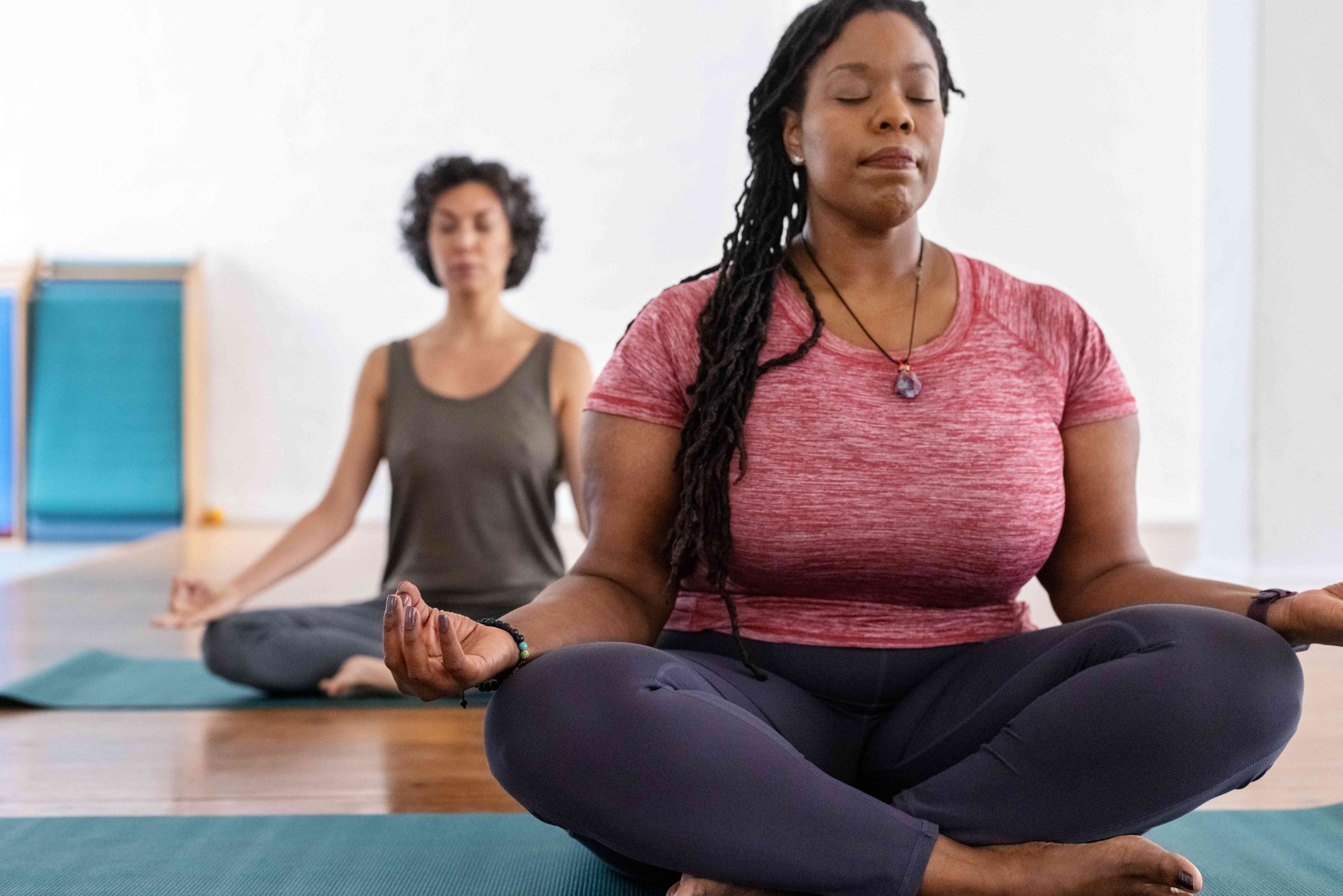
Many people today find themselves overwhelmed by the pressure that comes with daily responsibilities, emotional stress, and the constant noise of modern life. Among the various methods used to manage such experiences, yoga stands out as a timeless approach that connects physical movement with inner calm.
It has moved beyond a fitness routine and is now widely embraced as a way to support psychological and emotional wellbeing. The steady practice of yoga has become recognised by both health professionals and wellness enthusiasts for its positive influence on the mind.
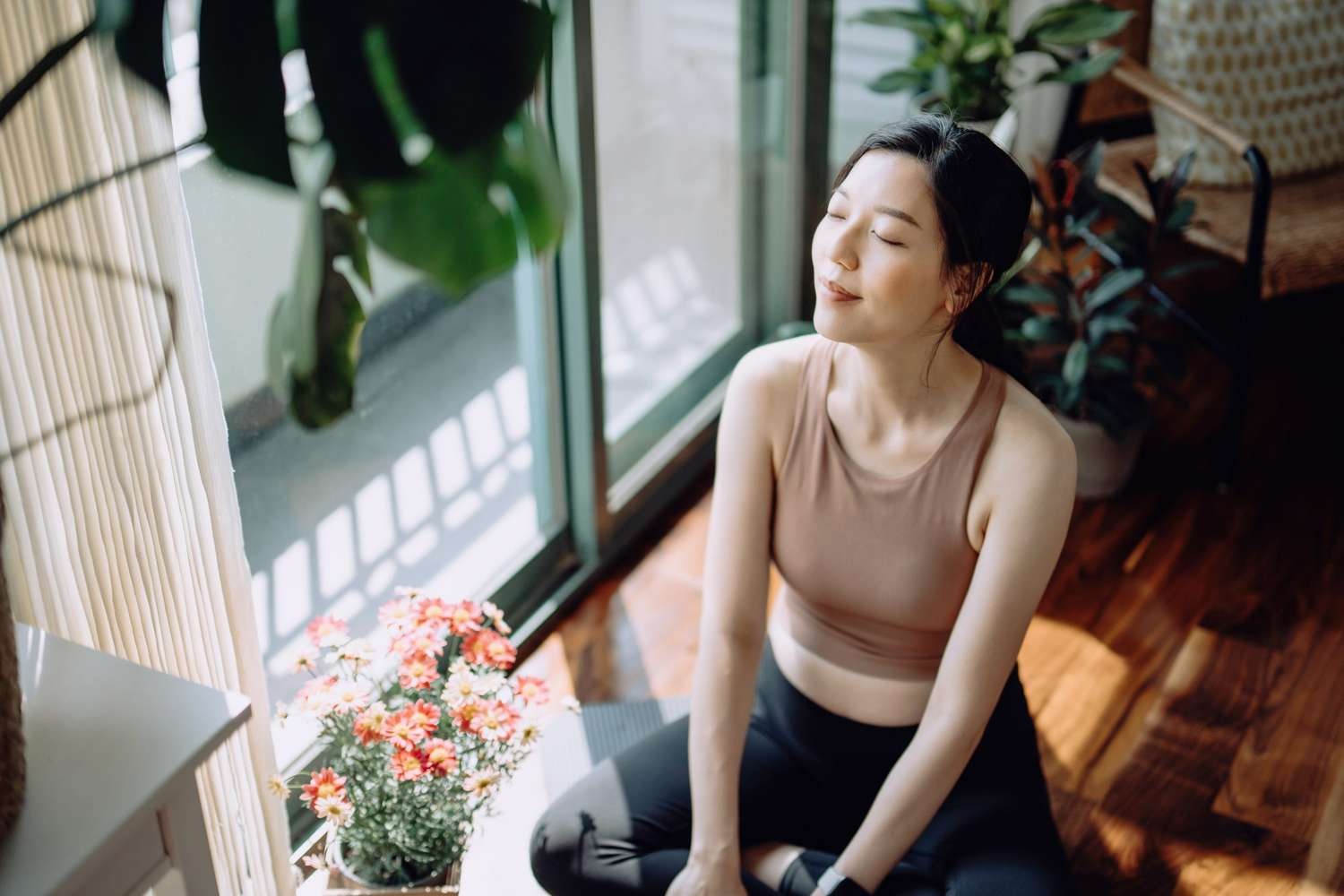
Breath by breath stress begins to melt away (Photo: Twitter)
When individuals take time to participate in breathing exercises, gentle movements, and mindful stillness, they often discover more control over their mental state.
Unlike quick solutions that may only bring temporary comfort, yoga brings long-term benefits that support clarity, inner peace, and emotional resilience. The practice holds the potential to enhance how people manage their thoughts, balance their emotions, and face difficulties with more patience.
Through consistent dedication to yoga, individuals often discover a renewed sense of focus and relief from mental strain. The body begins to move more freely, while the mind feels lighter and more open to calm thinking.
Let us now look deeper into the connection between yoga and emotional wellbeing, examining how the consistent use of this practice over time supports mental wellness for both the young and old.
A Gentle Routine That Supports the Mind
Yoga offers an approach to movement that is calm and controlled. Unlike fast-paced workouts, yoga encourages slow, focused actions which work alongside steady breathing.
This combination has been known to influence mental calmness. When people hold poses and guide their breath, they also train their minds to stay present. Such presence plays a major role in calming anxiety and reducing the feelings of being overwhelmed.
Many yoga routines include positions designed to reduce the effects of stress by lowering the body’s stress hormones. Breathing techniques like alternate nostril breathing or deep belly breaths also assist in slowing down thoughts that feel intrusive.
These methods help people handle daily pressures without losing their sense of self. What makes yoga stand out is that it strengthens both the body and the mental state together.
Support for Mood and Emotions
People living with emotional disturbances such as depression and anxiety have found yoga to be a valuable part of their recovery process. The calming nature of the practice provides a safe space where individuals can reconnect with their bodies and feelings. Unlike environments that demand performance or achievement, yoga encourages acceptance and patience.
Scientific observations have pointed to increased levels of brain chemicals like serotonin in individuals who engage in regular yoga routines. These chemicals are associated with stable mood and joy. As a result, yoga helps create a foundation of emotional steadiness, especially for those who may be prone to sudden mood changes.
Yoga’s Role in Building Resilience
Life often presents challenges that test one’s strength of mind. Yoga prepares individuals to meet such moments without being easily shaken. Through repeated practice, yoga teaches people to remain calm under pressure and to stay grounded during uncertain times. These are skills that go beyond the mat and prove useful in personal and professional life.
When people engage in yoga over long periods, they develop discipline, patience, and self-awareness. These qualities are vital when dealing with grief, uncertainty, or personal disappointment. Through this consistent practice, many discover that their capacity to remain hopeful increases.
How Breathing Influences Thoughts
One of the quiet strengths of yoga is the use of breath to guide mental attention. The breath serves as a tool to move focus away from troubling thoughts and bring the mind back to the present. Techniques such as diaphragmatic breathing, ujjayi breathing, and three-part breathing help slow down the rhythm of the heart and reduce mental noise.
This calm breathing rhythm supports the nervous system, easing the tension that comes with overthinking or worry. Individuals who regularly take part in breath-led practices often report sharper mental clarity, better memory, and reduced frustration. The connection between the breath and thoughts is direct, and yoga uses this link as a steady method to bring peace of mind.
Restorative Practices for Rest and Recovery
Yoga is often misunderstood as being physically intense. However, gentle forms like yin yoga, restorative yoga, or yoga nidra allow the body and mind to rest deeply.
These types of yoga are especially helpful for people recovering from emotional exhaustion or mental fatigue. In a restful environment, guided by simple instructions and quiet surroundings, the mind is allowed to slow down and let go.
Such practices support the healing process. Whether one is dealing with emotional pain, high levels of stress, or mental fog, the regular use of restorative yoga methods provides an opportunity to recover without force or pressure. The calm rhythm of these sessions gives the mind space to breathe, reflect, and regain balance.
Improved Sleep and Mental Clarity
Mental strain often disrupts sleep, and when sleep suffers, emotional wellness also declines. Yoga offers solutions to help improve rest. Certain poses and breath exercises practiced before bedtime can help the body release tension and prepare for deeper sleep. As sleep quality improves, so does emotional stability and cognitive performance during the day.
When people rest well, their brains are better equipped to manage stress, focus on tasks, and connect with others. Yoga allows for this balance to grow naturally over time, without requiring medications or artificial sleep aids. The gentle power of movement and breath supports the natural rhythm of the body’s rest cycle.
Support During Transitions and Change
Periods of change, whether planned or unexpected, often come with emotional strain. Yoga can be a stable routine during these times. Whether someone is starting a new job, becoming a parent, recovering from illness, or adjusting to aging, yoga provides a space of reflection and steadiness.
Many people have shared that having a regular yoga practice helped them stay mentally strong while adapting to new life circumstances. The poses do not need to be complex to bring results. Simple movements and breathing exercises done regularly are enough to create a sense of direction when life feels uncertain.
Benefits Across Age Groups
Children, adults, and older persons all benefit from yoga when it is introduced in an age-appropriate manner. For younger people, yoga builds focus and emotional control. In adults, it helps maintain calm in the midst of daily stress. For older individuals, it supports memory, balance, and emotional clarity.
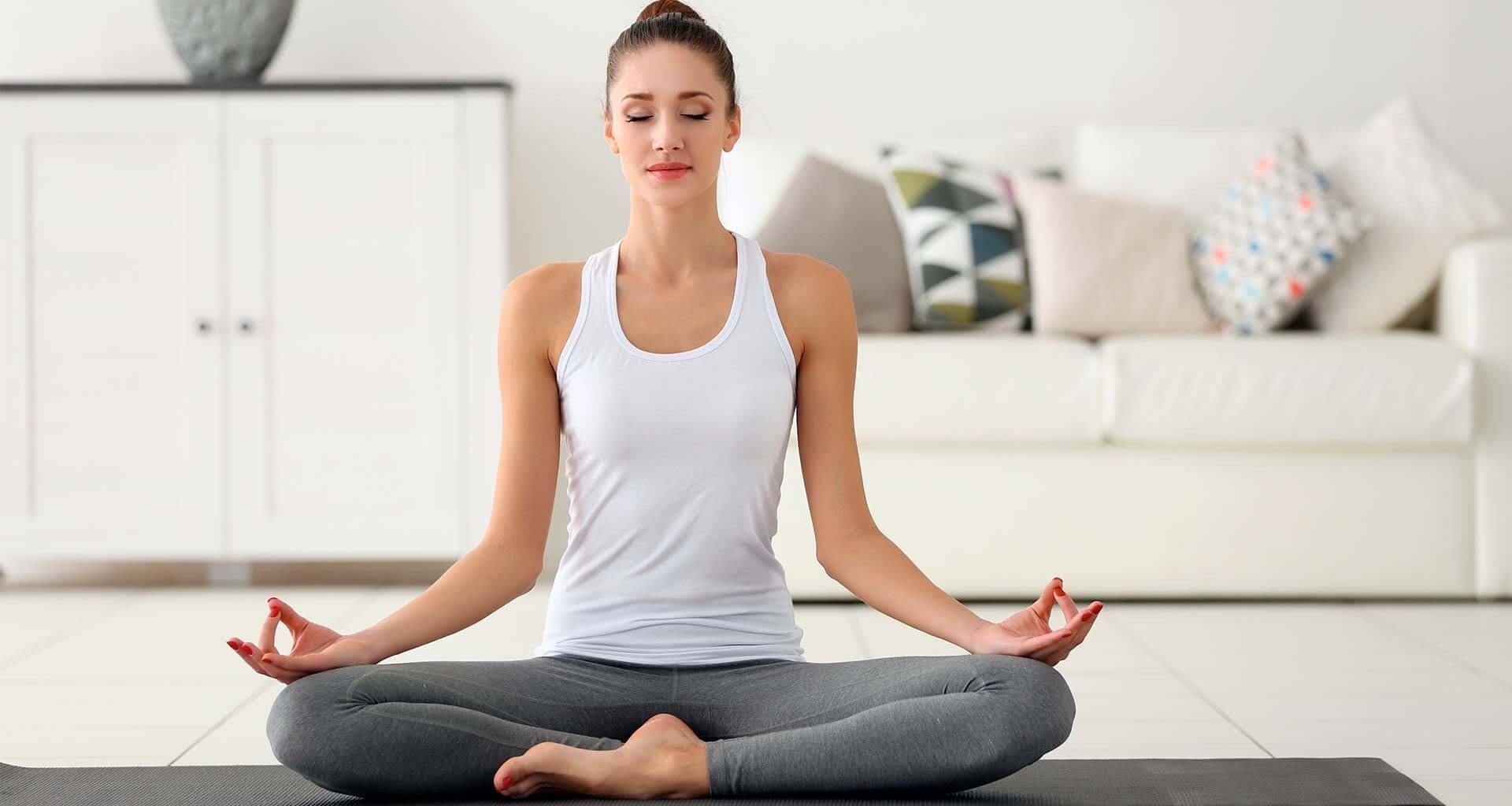
A calm pose becomes a powerful pause in a busy day (Photo: Alamy)
Different age groups face different pressures, yet yoga adjusts to meet those needs. The core of the practice remains the same: connect with the breath, move the body with care, and calm the mind. This universal approach is what allows yoga to remain helpful regardless of age or life experience.
A Practice Rooted in Self-Awareness
Yoga encourages self-observation without judgement. It teaches people to notice their thoughts, emotions, and physical reactions as they come and go. This gentle awareness reduces mental pressure. Instead of reacting with fear or anger, yoga practitioners learn to respond with patience and clarity.
This steady practice of self-awareness builds emotional maturity. Individuals who develop this awareness often find that they interact with others more calmly and communicate more effectively. Whether in personal relationships or professional settings, this emotional steadiness proves to be an asset.
A Path That Offers Lasting Rewards
Although it may begin as a simple physical routine, yoga gradually becomes a way of living that affects many parts of life. People who remain consistent with their practice often report more peaceful thoughts, steadier emotions, and healthier bodies. It does not demand expensive equipment or special conditions. What matters is consistency, intention, and a willingness to take things one step at a time.
Mental health is a long journey, with both quiet moments and difficult periods. Yoga does not promise perfection. Instead, it offers a dependable approach that supports growth and mental peace over time.
Through mindful breathing, thoughtful movement, and quiet reflection, yoga gives individuals tools that help carry them through life’s different seasons with calm and confidence.