Addressing climate matters has become a growing priority as more communities experience changes in their everyday lives. Within South Asia, one country has taken steps to confront environmental pressures through an initiative called Mission Life.
This approach focuses on influencing daily actions rather than depending only on large policy changes. Through this effort, various social sectors are encouraged to take direct action that supports the health of the environment. The programme has sparked conversations across age groups and occupations, showing how individual conduct can affect larger environmental outcomes.

Young voices join Mission Life with everyday eco choices (Photo: Getty Images)
Mission Life, officially introduced by the government in recent years, operates with a clear message: small changes made by many people can result in broader environmental improvements. Its core aim is to promote behaviour that supports long-term ecological stability.
The campaign places emphasis on daily practices that reduce waste, conserve resources, and embrace nature-friendly habits. Schools, local communities, religious institutions, and business sectors have all been drawn into this effort. This strategy avoids the wait for international pressure or large-scale investment, pushing instead for grassroots effort.
Efforts like switching off electrical appliances when not in use, managing food waste carefully, and preferring public transportation are promoted widely. These practices may seem simple, but when carried out by millions, the result becomes powerful.
Children are being taught these values early, and elderly people are encouraged to return to traditional habits that aligned better with nature. By reviving local wisdom and combining it with today’s knowledge, the campaign maintains cultural connection while seeking environmental care.
Shifting Daily Habits as the Foundation of Mission Life
Rather than developing new systems that demand massive resources, Mission Life directs attention to how individuals interact with the environment daily. It presents environmental protection as a shared duty.
It calls for a reduction in plastic usage, a careful approach to water consumption, and greater awareness about energy savings. Social media and public campaigns are used to spread these messages, often presented through storytelling and community engagement. The message is straightforward: even seemingly minor choices matter when done collectively.
Religious leaders, actors, sports personalities, and educators have been involved in encouraging these actions. Their voices carry weight in many communities, making the message relatable and trustworthy.
The campaign uses accessible language and recognisable faces so that people do not feel like environmental efforts are beyond their reach. It moves the climate discussion away from exclusive scientific terms and brings it closer to everyday life.
Efforts are also made to include rural areas where traditional methods of farming and waste management already align with environmentally safe practices. Rather than replacing these methods, Mission Life encourages their preservation and integration with modern needs.
This also gives rural communities recognition for practices they have followed for generations. By bringing together modern tools and age-old approaches, Mission Life creates a practical path that honours both progress and heritage.
Schools and Youth at the Heart of the Movement
Young people play a major role in Mission Life’s progress. Schools have introduced lessons that teach climate responsibility. Students participate in competitions, community cleaning efforts, and awareness drives.
This approach does more than just inform. It builds habits that last and encourages children to influence their families at home. Educators are also trained to model these values. This ensures that climate-related thinking becomes part of a child’s learning journey from early stages.
Art competitions, street plays, and local campaigns led by children create stronger emotional ties to the cause. Rather than pressuring them with statistics and warnings, Mission Life connects with them through creativity and positive reinforcement.
In turn, this helps them become proud contributors to a cause that feels both urgent and achievable. By shaping minds early, the movement builds a future where sustainable thinking becomes second nature.
Universities and colleges also play a role by hosting public discussions, engaging in campus sustainability efforts, and inviting researchers to simplify science for non-scientists. Youth-led groups often initiate these programmes, showing that leadership on environmental matters can begin early and grow into lifelong service.
Cities, Communities, and Shared Responsibility
Urban areas, with their fast-paced lifestyle and heavy demand on natural resources, present both a challenge and opportunity for this mission. Housing societies have started collective composting, reducing household plastic, and creating green spaces where possible.
Apartment committees encourage residents to make conscious choices, from waste segregation to reduced air conditioner usage. These actions are encouraged by incentives, appreciation programmes, and public acknowledgment.
Marketplaces and business centres are also adapting. Some retailers have switched to reusable packaging and offer discounts for customers who bring their own bags. R
estaurants encourage leftovers to be packed in sustainable containers, and some offices reward employees who take public transport or carpool. These actions show that environmental decisions can be embedded into ordinary work and commerce, without requiring extreme changes.
City authorities support these steps by offering guidance and often working in collaboration with community leaders. Together, they make it easier for citizens to make informed choices.
The focus is not on blame, but on showing a path forward where everyone can contribute. This shared accountability strengthens trust and makes the campaign less about instruction and more about cooperation.
Technology and Innovation as Helpful Tools
While the campaign does not depend only on high-tech solutions, it does recognise their value. Mobile apps help people measure their energy consumption and suggest areas for improvement.
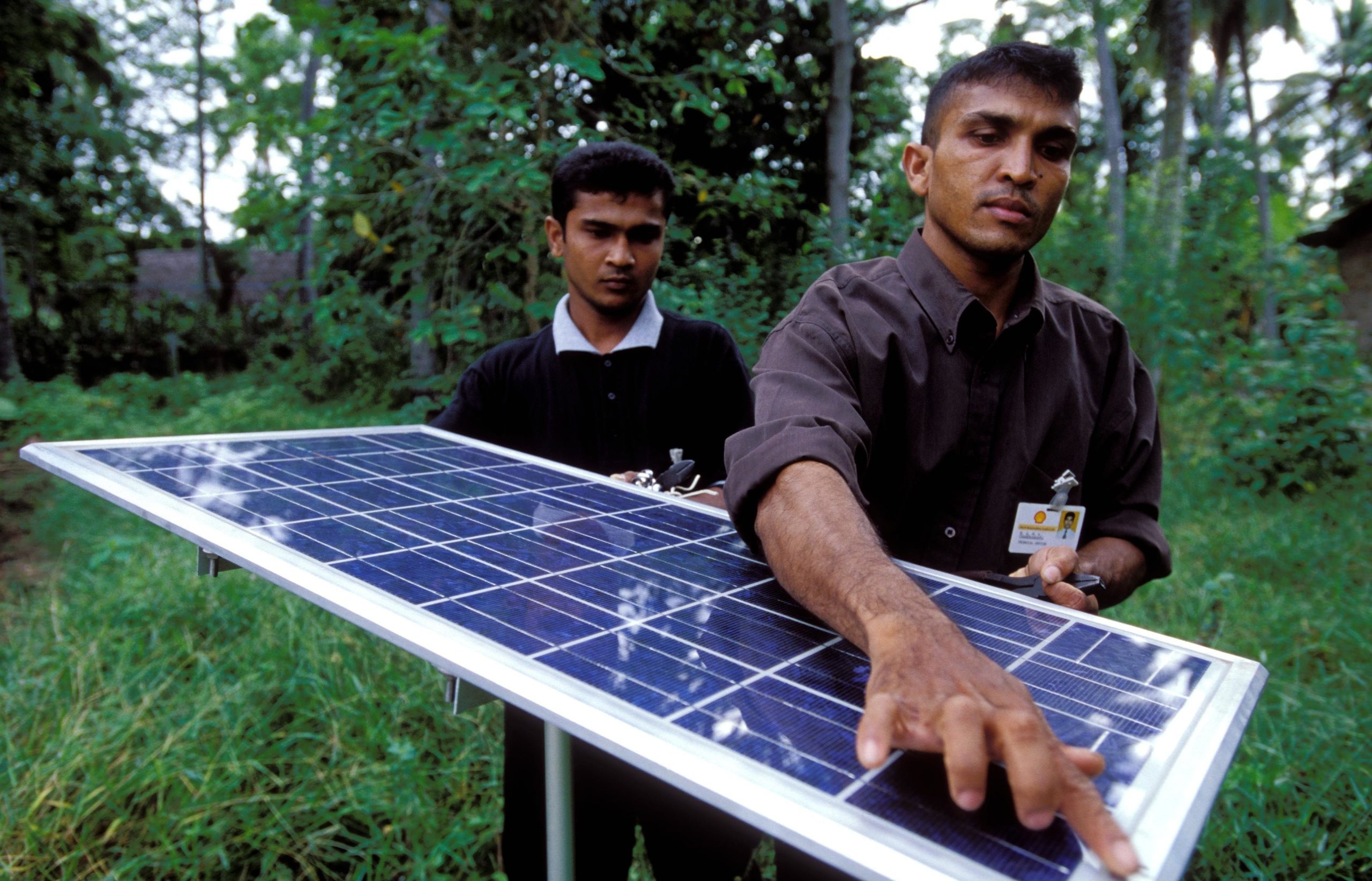
Smart meters, waste monitoring systems, and solar panel subsidies are being used to support personal responsibility with data. However, these technologies are framed as tools, not replacements, for human effort.
Startups have responded with eco-friendly services. Delivery services now provide green delivery options. Home cleaning brands offer chemical-free products.
Fashion labels highlight the sustainability of their materials. These business choices show that environmental consciousness can align with financial goals. Customers are also becoming more mindful, favouring products that reflect shared values.
Mission Life promotes the idea that technology should serve communities and not drive a wedge between them. It celebrates tools that enhance awareness and action without removing human effort from the process. When applied thoughtfully, technology becomes an ally to consistent personal discipline and thoughtful living.
Traditional Practices and Cultural Roots
Many elements of Mission Life build on practices that were already present in daily life before modern consumerism altered routines. Clay pots for water storage, banana leaves for packaging, and hand-me-down clothing were all part of Indian households for generations. These habits were not adopted in response to climate concerns, but they aligned with them by nature.
The campaign draws attention to such habits, presenting them as worthy of modern application. It avoids romanticising the past, but it acknowledges that previous generations often lived with less waste and greater awareness of their surroundings. By making these habits feel valuable again, people feel pride in their cultural legacy while contributing to current concerns.
Festivals and religious gatherings, which gather large crowds, are also used to reinforce these messages. Organisers are encouraged to avoid plastic decorations, use biodegradable offerings, and plan events that do not place too much burden on local ecosystems. Such measures help build collective discipline while preserving celebration.
A Consistent Push from Government and Civil Society
Support from public leaders has made Mission Life visible, but its strength comes from constant involvement by ordinary people. Government departments issue guidelines and support materials.

Mission Life turns small acts into lasting change (Photo: Shutterstock)
Civil society groups create toolkits for schools, organise training for community leaders, and keep track of local progress. These efforts maintain momentum and avoid the campaign becoming a one-time event.
Local councils have hosted workshops, while public transport agencies share messages about fuel saving. Religious bodies hold cleanliness drives that link spiritual discipline with environmental care. All these different sections of society take part, making the mission feel widespread and unified.
Environmental groups also use this moment to push for better regulation, pointing out where systemic gaps exist. Mission Life does not ignore these concerns. Instead, it provides a platform where individual action supports broader demands for clean water, clean air, and waste control policies. It strengthens the demand for institutional responsibility by showing that citizens are doing their part.
A Steady Journey Rooted in Everyday Action
Mission Life continues to grow through daily discipline and quiet choices made by families, businesses, schools, and individuals. Its strength lies in its simplicity. It encourages action that does not wait for perfect conditions. It shows that meaningful change does not always require huge protests or major technology.
By focusing on personal responsibility and collective discipline, this effort has created a climate response shaped by ordinary people. Through habits passed down from the past, supported by today’s knowledge, and carried forward with practical tools, the mission continues steadily. What it shows is that caring for nature is not someone else’s job. It is a shared duty that begins with the way one chooses to live each day.