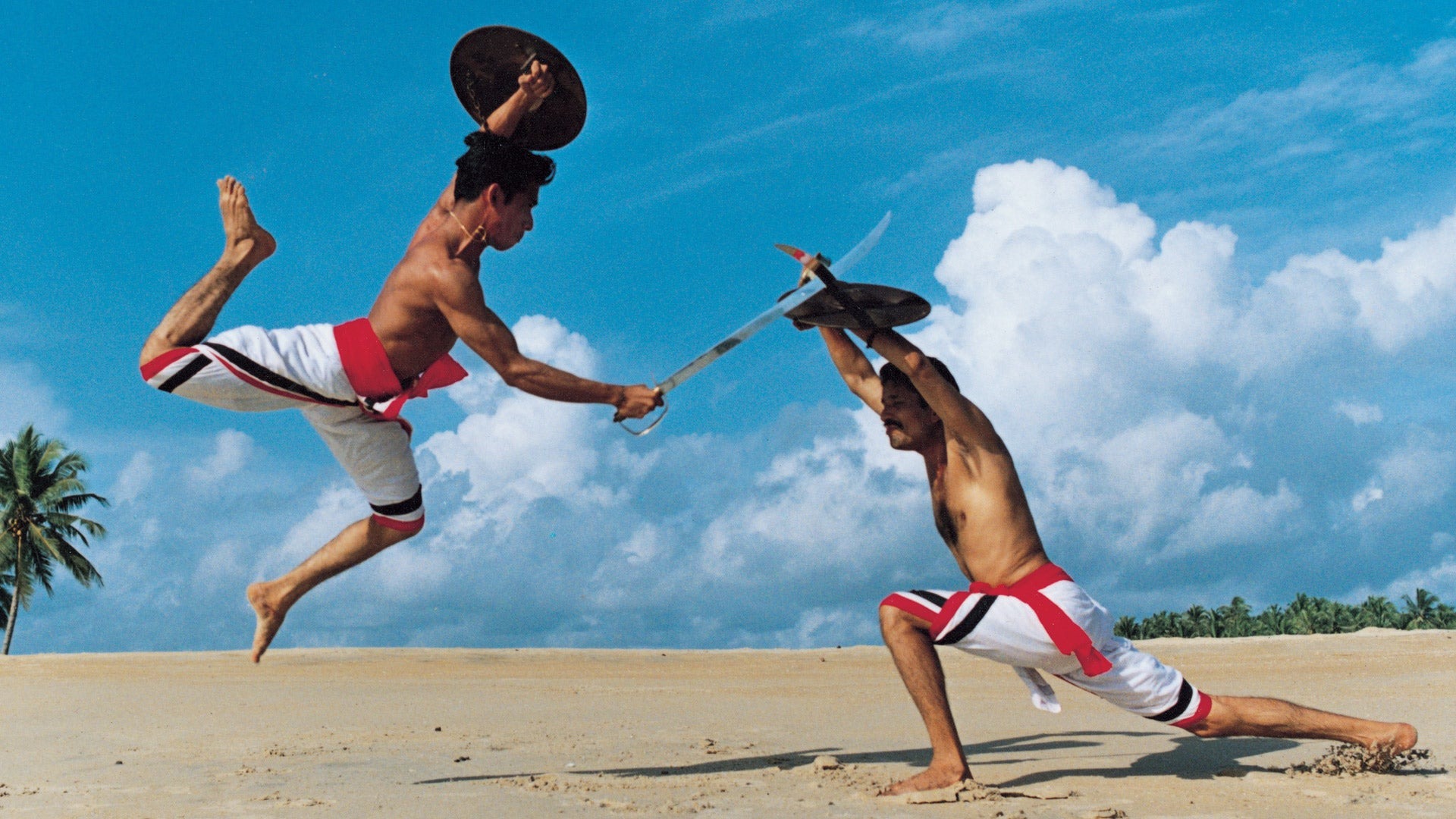
Martial arts have long been part of human history, reflecting cultural values, survival tactics, and spiritual beliefs. Among the oldest known fighting systems, the Indian tradition of martial disciplines stands out for its historical depth and influence.
One of the most distinguished of these is Kalaripayattu, a practice that developed in the southern region of the subcontinent. Kalaripayattu is more than just a method of combat. It brings together physical skill, discipline, healing practices, and moral conduct. Long before modern systems of hand-to-hand fighting were formalised, this ancient discipline had already been refined into a comprehensive practice of body and mind.
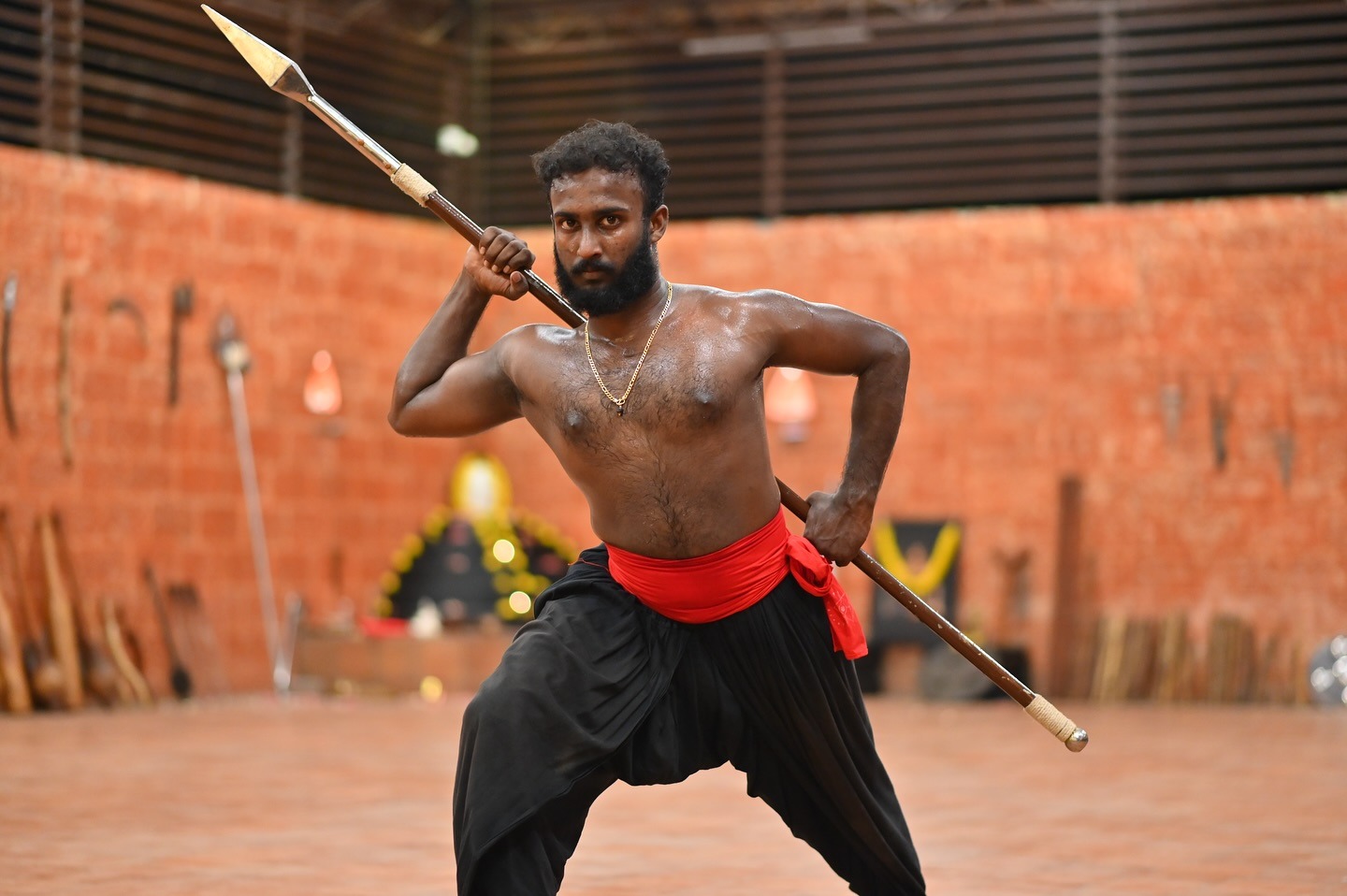
Grace meets strength in the fluid movements of Kalaripayattu (Photo: Shutterstock)
Its techniques were passed down within families, through oral traditions and physical demonstrations. Training was demanding and often began at a very young age, with students devoting themselves to the art under the close supervision of their instructors. Each movement in Kalaripayattu carries centuries of meaning, influenced by the environment, spiritual belief systems, and necessity for self-defence.
What makes it particularly remarkable is the way it blends graceful movement with sharp, efficient techniques. Though once in danger of fading away due to colonial suppression and modern trends, it has recently seen a renewed appreciation, both within its country of origin and internationally.
Historical Background and Cultural Foundation
The origins of Kalaripayattu go far back in time, reaching into the early Sangam period, which some scholars place around the 3rd century BCE. It emerged in what is now the state of Kerala and parts of Tamil Nadu. The word “Kalari” refers to a training space, while “Payattu” describes the practice of combat.
Historical accounts and ancient texts often refer to warriors trained in this style being part of local kingdoms’ armies. These combatants were not only trained in physical confrontation but were also expected to uphold codes of honour and serve as guardians of their communities.
Martial training during this era was tied to education and social roles. Boys from warrior families were typically introduced to this discipline early, and the Kalari functioned like a temple school. Discipline and respect for the teacher, or “Gurukkal”, were central.
The relationship between student and instructor resembled that of a spiritual guide and devotee. Apart from fighting, students were taught philosophy, medicine, yoga, and ethics. Their training involved physical conditioning, flexibility exercises, weapon use, and unarmed techniques. It wasn’t simply a physical pursuit but a way of life.
The Role of Weaponry and Technique
Kalaripayattu includes a wide range of skills. From empty-hand fighting to the use of weapons, its curriculum covers numerous forms. Early stages focus on body control and flexibility. Students begin with “Meipayattu”, a system of body movement training which builds balance, agility, and muscular strength.
As they advance, they are introduced to wooden weapons such as sticks, and later, metal weapons including swords, spears, and daggers. The precision and flow of movement are crucial. Each strike, block, and stance is designed for both beauty and function.
A unique element of the art lies in the use of “Marma” points, which are vital areas on the body that can be used to disable or even kill an opponent if struck correctly. This knowledge is not taught freely.
Only those who reach a high level of trust and discipline are exposed to this aspect, due to the risks involved. Such techniques demonstrate the deep anatomical understanding that practitioners of the art possess.
Mastery is a matter of years, and even lifelong dedication does not guarantee perfection. It is this depth and respect for the discipline that has helped it retain its identity through changing times.
Spirituality and Healing as Part of the Practice
Beyond combat, Kalaripayattu incorporates aspects of healing and spirituality. It is closely linked with the traditional medical system known as Ayurveda.
Practitioners often receive instruction in massage, herbal medicine, and treatments for injuries sustained during training. The connection between body and spirit is seen as vital, and practices like breathing control and meditation are part of the training process.
Massage with medicinal oils is a regular part of the training regime. This not only helps in muscle recovery but also increases flexibility and resilience. The healing aspect contributes to the overall development of the practitioner.
These methods are seen as a continuation of the martial training rather than a separate field. The knowledge of how to harm and how to heal exists side by side. This duality is central to the philosophy of Kalaripayattu and adds depth to its traditions.
Influence on Modern Martial Arts and Performance
Many researchers believe that Kalaripayattu served as a source of inspiration for other martial arts across Asia. There are stories of Indian monks and teachers travelling to places like China, sharing techniques that may have contributed to the early development of forms such as Kung Fu.
While it is difficult to prove exact connections, the similarities in body mechanics and philosophies hint at a shared heritage. Whether through direct transmission or parallel development, the influence is hard to ignore.
In recent times, Kalaripayattu has become more visible through films, theatre, and stage performances. Its fluid motions, high-flying kicks, and weapon demonstrations make it visually impressive. Indian cinema has used it to add authenticity to action scenes.
International directors have also taken interest in incorporating elements of the art into fight choreography. While these depictions often focus on the aesthetic appeal, they help bring attention to the discipline and can motivate people to learn more about its deeper aspects.
Challenges and Revival in Contemporary Times
For a long time, colonial authorities discouraged native martial practices. The British saw such systems as potential threats, and many Kalaris were shut down or operated in secrecy.
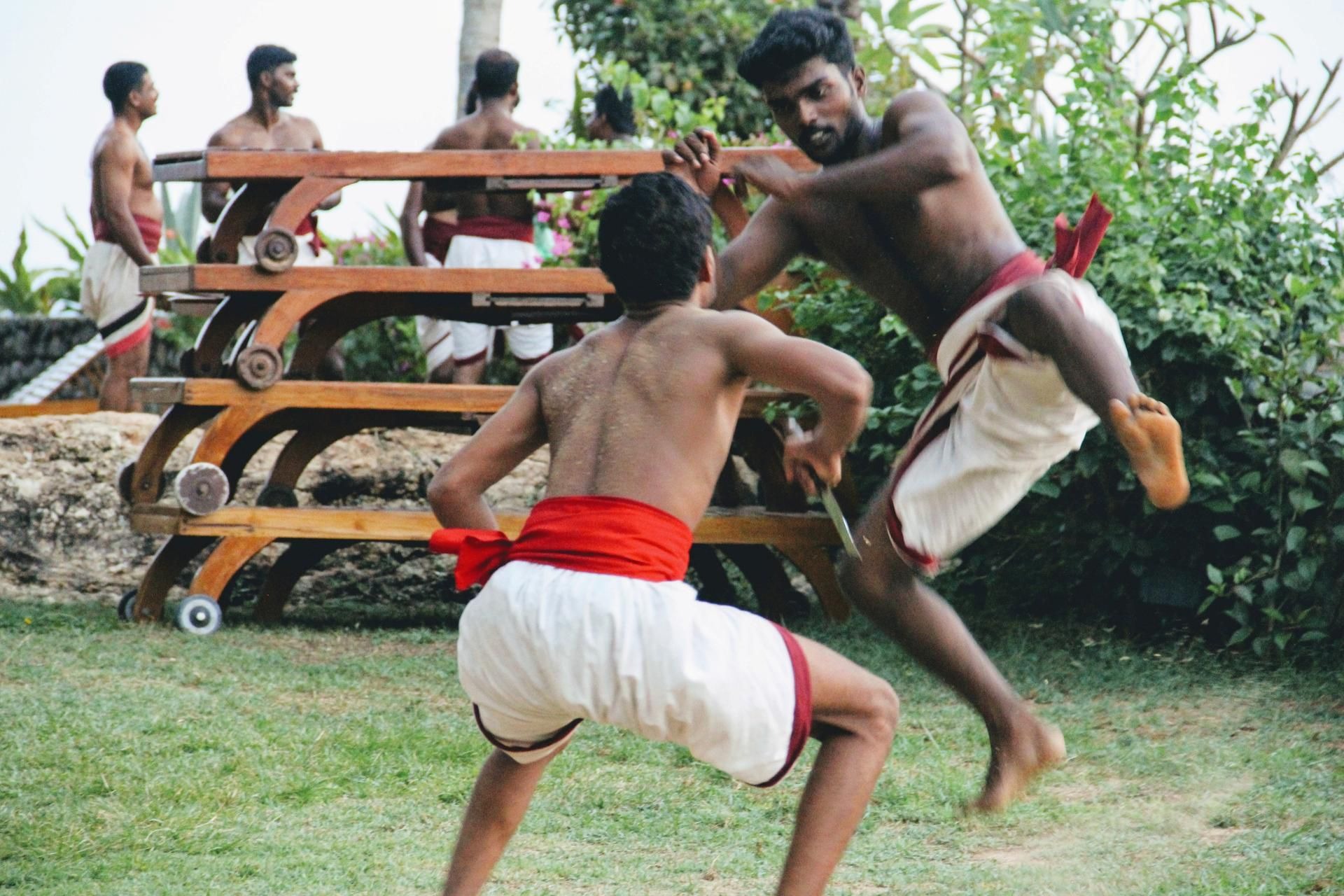
Ancient wisdom flows through every motion on the Kalari floor (Photo: Alamy)
The change towards Western education systems and modern sports also reduced the visibility of traditional arts. Parents began steering children away from them in favour of academic success and more widely accepted forms of physical activity.
However, there has been a strong effort over the past few decades to bring Kalaripayattu back into the spotlight. Cultural festivals, government initiatives, and independent schools have played a part in renewing interest.
More young people are seeking to learn about their heritage, and international practitioners are showing admiration for its methods. Training centres now exist in major cities both within and outside the subcontinent, offering structured programmes for enthusiasts and professionals alike.
Women are also becoming increasingly involved, breaking past restrictions that once saw the art as a male domain. Their presence brings new perspectives and challenges traditional expectations. As these barriers grow, the art continues to grow and reflect the evolving values of the society around it.
Educational and Global Value
Apart from physical prowess, Kalaripayattu offers important lessons about respect, focus, and inner discipline. It promotes physical fitness, mental clarity, and ethical behaviour. Such values are appreciated in educational settings where young people are being shaped not only to excel in academics but also to develop resilience and character.
Some institutions are now integrating elements of Kalaripayattu into their curriculum. It is used as a tool for personal growth, team-building, and stress relief.
Its adaptability allows it to be tailored for different age groups and fitness levels. International interest continues to grow, especially in countries where wellness and martial disciplines are being explored as part of holistic development.
Cultural exchanges, workshops, and online courses have made it easier for people worldwide to gain access to authentic training. This growing outreach strengthens its relevance and ensures that it will not fade away with changing times.
Kalaripayattu stands as one of the oldest living martial traditions, rich in history and values that remain meaningful even today. It combines the pursuit of physical mastery with a strong moral framework, and this combination is what continues to attract both new learners and seasoned martial artists.
t has survived through changing political, cultural, and social environments because it has always offered more than just fighting skills. What it represents continues to inspire admiration and respect, and its teachings carry lessons that are still applicable in today’s fast-paced, often disconnected life. Its place in the cultural memory remains firm, and its practice continues to find relevance across generations.