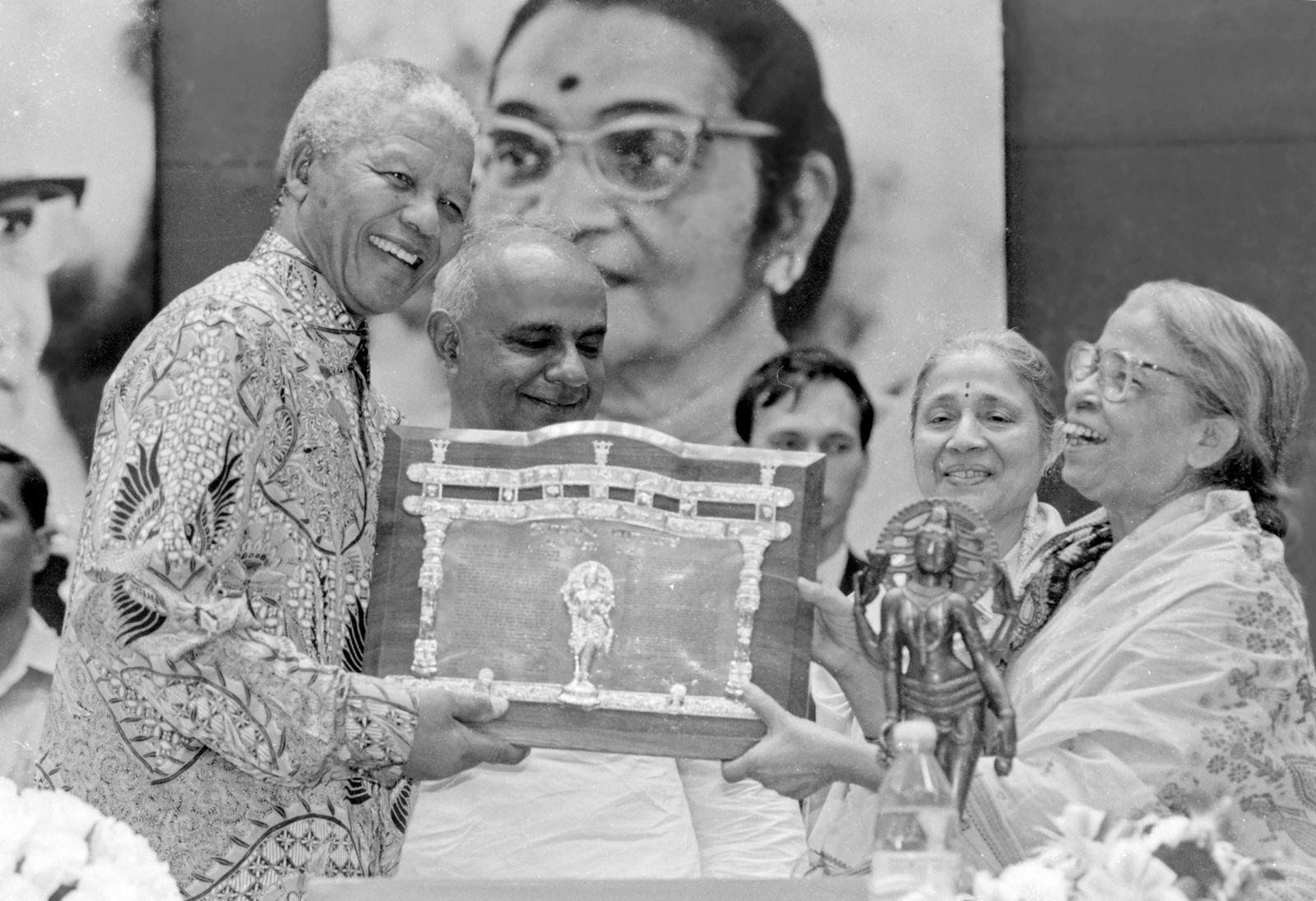
Across many centuries, a vast collection of written works from the subcontinent has left a lasting impression on international literature. These literary creations span various languages, cultures, and historical periods, offering deep reflections on human experiences, emotions, spiritual beliefs, and philosophical ideas.
Through ancient scriptures, medieval poetry, colonial-era writings, and modern literary achievements, this region’s writers have shaped literary conversations across continents.
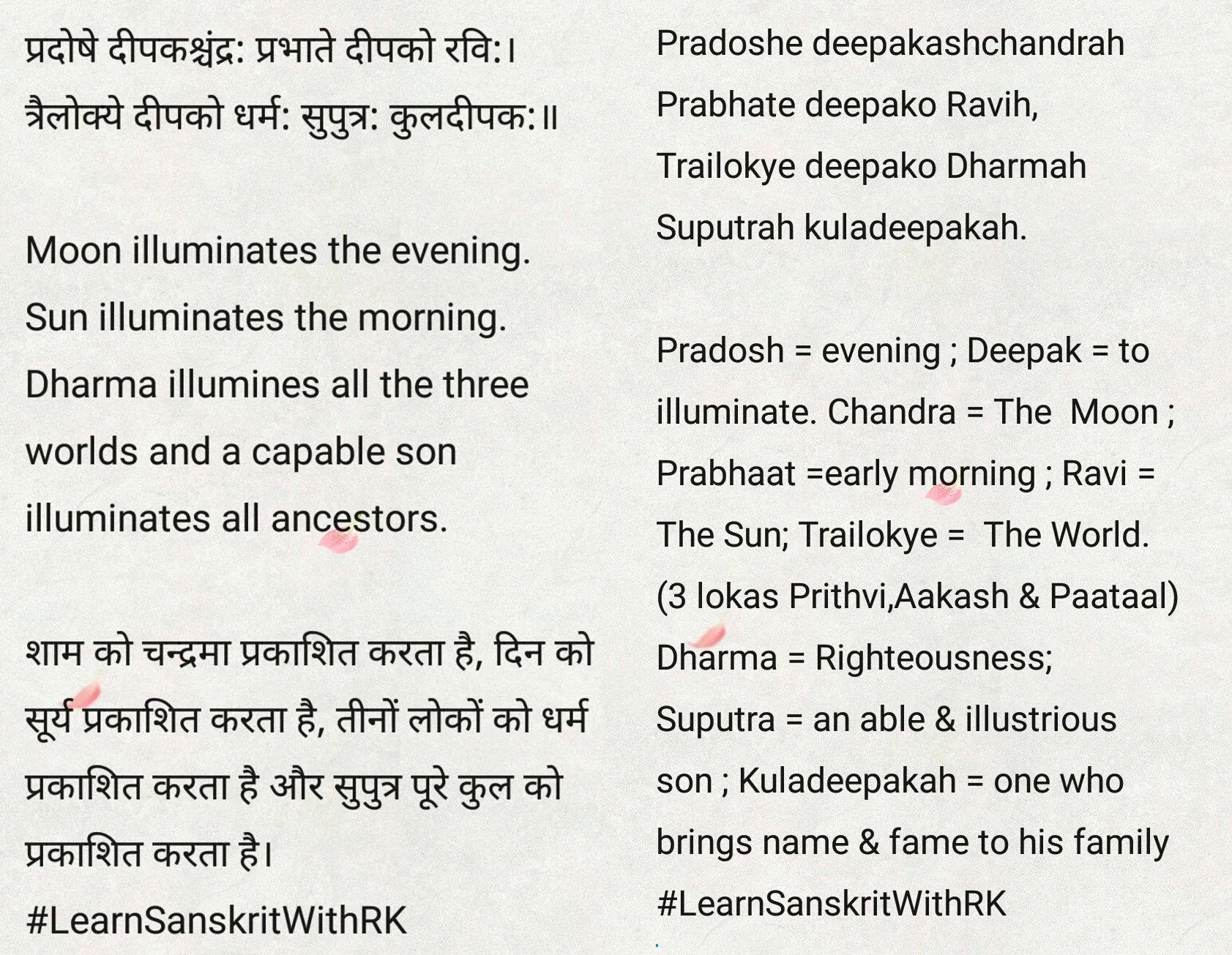
From Sanskrit to English the subcontinent’s words cross centuries and borders (Photo: Shutterstock)
Whether through ancient Sanskrit compositions or English-language novels from more recent decades, writers from the region have consistently provided fresh perspectives, detailed character portrayals, and complex storylines that continue to resonate with readers worldwide.
From religious texts that delve into spiritual matters to modern works addressing societal issues, these contributions have helped shape global literary thought and continue to influence both emerging and established authors across the globe.
The geographical and cultural diversity of the region has also played a role in nurturing varied literary traditions, with each linguistic community producing its own unique style and storytelling techniques.
Oral traditions, mythologies, folktales, and epics have influenced not only local writers but also international scholars who seek to understand the rich heritage that birthed them.
The storytelling traditions and methods have maintained their strength, even as writers began to publish in foreign languages or reach global audiences through translation.
Roots of Ancient Storytelling
The subcontinent’s oldest literary expressions can be traced to texts composed in Sanskrit, Prakrit, Pali, and Tamil. Writings like the Rigveda, Mahabharata, Ramayana, and Upanishads continue to command scholarly interest due to their philosophical content and storytelling structure.
The Mahabharata, often referred to as one of the longest poems ever written, includes numerous embedded stories that focus on morality, duty, and justice.
Classical Tamil literature, such as the Sangam poems, has also played a vital role in preserving cultural knowledge and poetic expression. These compositions offer a combination of romantic, heroic, and ethical reflections, revealing much about life during the period in which they were written. These early texts were instrumental in laying a foundation for values and literary themes that would be referenced by later generations.
Medieval Voices and Regional Languages
During the medieval period, literature in regional languages such as Hindi, Bengali, Marathi, Telugu, and Kannada flourished. Poets and saints like Kabir, Mirabai, Tulsidas, and Tukaram presented devotional poetry that touched on everyday struggles, divine love, and spiritual liberation.
Their verses were simple yet profound and often performed in gatherings, allowing people from different walks of life to engage with literature directly.
These works were not just spiritual in tone. Many texts also questioned social hierarchy and challenged unjust practices, using poetic devices to pass powerful messages. The Bhakti and Sufi movements expanded the literary space by encouraging emotional expression through poetry, blending spirituality with human concerns.
Colonial-Era Contributions
The advent of colonial rule introduced new themes and mediums for literary creation. English education, introduced by colonial administrators, created a class of writers who started producing literature in English while drawing on native traditions and subject matter.
Writers like Raja Rao, Mulk Raj Anand, and R K Narayan gained international readership with their novels, which presented local customs, philosophical ideas, and everyday life through the English language.
R K Narayan’s portrayal of the fictional town Malgudi, for instance, captured the intricacies of small-town life in southern parts of the country with humour and insight.
Anand’s works often addressed caste-based injustices, giving voice to the oppressed through his fiction. These early writers laid the foundation for the English-language fiction that would emerge more strongly after independence.
Post-Independence Literature and Global Recognition
Once independence was achieved, there was a noticeable increase in literary output in both Indian languages and English. Writers began to reflect on themes such as partition, identity, tradition, and modernity.
The trauma of the partition became a recurring subject, with writers like Saadat Hasan Manto using short stories to expose the pain and confusion experienced by people on both sides of the new border.
Later, writers like Salman Rushdie, Arundhati Roy, Jhumpa Lahiri, and Amitav Ghosh gained international acclaim. Salman Rushdie’s Midnight’s Children reshaped global expectations of postcolonial fiction through its language, magical realism, and historical commentary. Arundhati Roy’s The God of Small Things earned her international awards while focusing on caste, gender, and family.
These authors, although writing primarily in English, maintained deep links to their roots. Their stories reflected the complications of home, diaspora, longing, and displacement, drawing readers from around the world. While their prose style appealed to global audiences, their subject matter remained grounded in the cultural and social realities of their homeland.
Voices From the Diaspora
Literary contributions were not confined within the borders of the country. Writers of origin from the subcontinent who settled in the United States, United Kingdom, Canada, and other countries also emerged as strong literary voices. Names such as V S Naipaul, Kamila Shamsie, and Kiran Desai brought stories shaped by migration, displacement, and dual identity.
These authors often drew on their cultural background while reflecting on experiences of assimilation, memory, and generational differences. The tug-of-war between inherited values and modern life frequently served as a backdrop for their novels and essays. Their writings highlighted how cultural memory travels and evolves even when writers live thousands of miles from where their ancestors were born.
Translation and Preservation of Literary Traditions
Another important aspect has been the translation of classical and regional texts into other languages. Efforts by scholars and writers to bring ancient epics, devotional poetry, and folk tales to international readers have helped preserve and share these traditions more widely. Texts from Bengali, Malayalam, Assamese, and Urdu have found new readership through carefully rendered translations.
Writers like A K Ramanujan played a critical role in translating ancient Kannada and Tamil works into English, while others like Rakhshanda Jalil and Arvind Krishna Mehrotra have helped Urdu and Hindi poetry reach broader audiences. These translations do more than introduce stories to a new readership; they help ensure the survival of oral and written traditions that might otherwise fade.
Modern Themes and Experimental Forms
Contemporary writers continue to address political issues, gender rights, environmental concerns, and urban life. Writers such as Arundhati Subramaniam, Meena Kandasamy, and Manu Joseph are pushing boundaries through poetry, satire, and prose that challenge existing literary forms and address present-day concerns.
Epic poetry and sacred texts lay the groundwork for global storytelling (Photo: Alamy)
This current wave of writing is not afraid to experiment. Blending styles, genres, and language use, these authors reflect the dynamic realities of a society that is both deeply historical and constantly evolving.
The younger generation of writers, often bilingual or multilingual, is embracing digital platforms, literary festivals, and social media to reach audiences that span across countries.
The Impact on Global Literature
Literary achievements from the region have found places in international school curricula, university syllabuses, and global prize lists. Writers have won or been shortlisted for major prizes such as the Booker, Pulitzer, and PEN awards. These accolades point to an enduring interest in stories that come from a culturally rich and linguistically diverse society.
More than recognition, what these contributions represent is a continued commitment to storytelling that reflects complex emotions, community values, and societal change. The ability of writers to maintain authenticity while reaching international readers speaks to the strength of their creative voices.
Influence Across Generations
The impact is not limited to individual books or authors. Generations of writers have drawn inspiration from earlier works, adapting themes and methods to suit contemporary concerns. Whether it is reinterpreting epics, retelling folklore, or confronting colonial legacies, the creative energy of writers has remained strong across time.
Many literary festivals and writing residencies now focus on fostering cross-cultural collaboration, bringing together voices from various backgrounds. This exchange of ideas has helped broaden the reach of these stories, showing that literature from the subcontinent continues to inspire and connect people beyond geographical boundaries.
The journey of literature from this region has been shaped by tradition, struggle, adaptation, and imagination. Through a wide range of themes and styles, its writers have enriched international literature while staying grounded in local realities.
Whether ancient or contemporary, poetry or prose, these works continue to influence thought, open dialogue, and build bridges between different cultures.