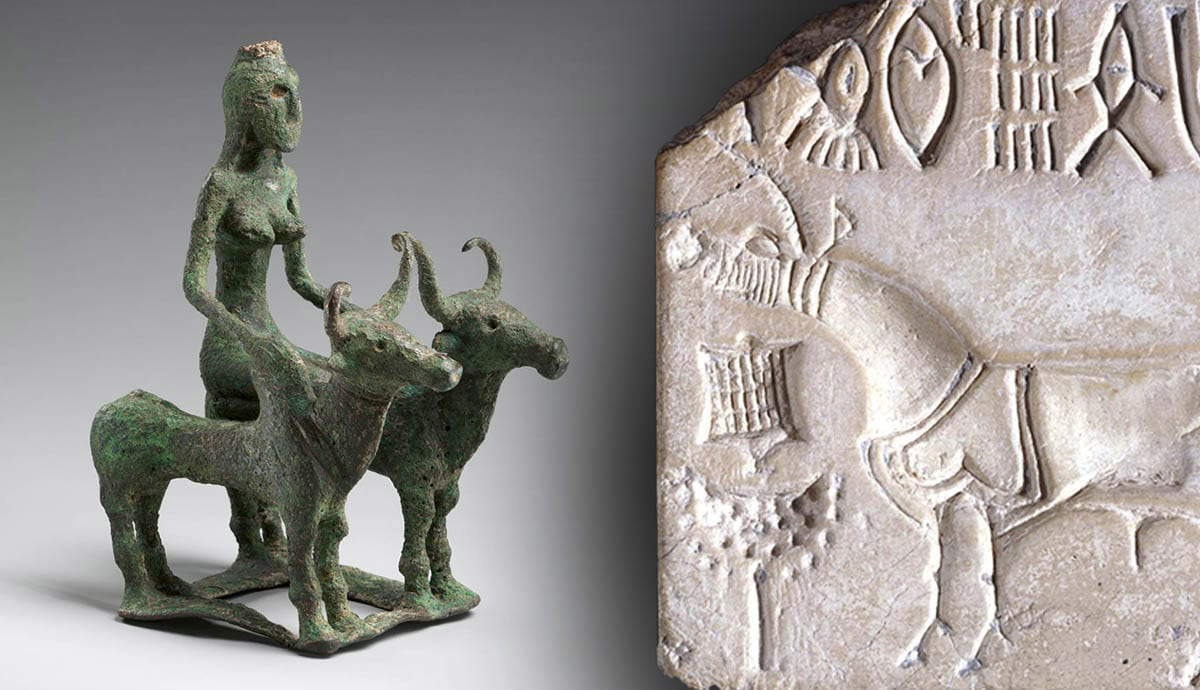
Throughout history, many civilisations have left their mark on human progress through deep-rooted knowledge and practices. Among them, ancient Indian science stands out for its rich blend of innovation, observation, and practical wisdom that continues to astonish even the most advanced minds today.
This ancient body of knowledge did not only rely on theory but also incorporated experimental methods, calculation, and reflection. Its reach extended across astronomy, medicine, mathematics, metallurgy, and architecture, offering a look of how far ahead thinkers from that time were.
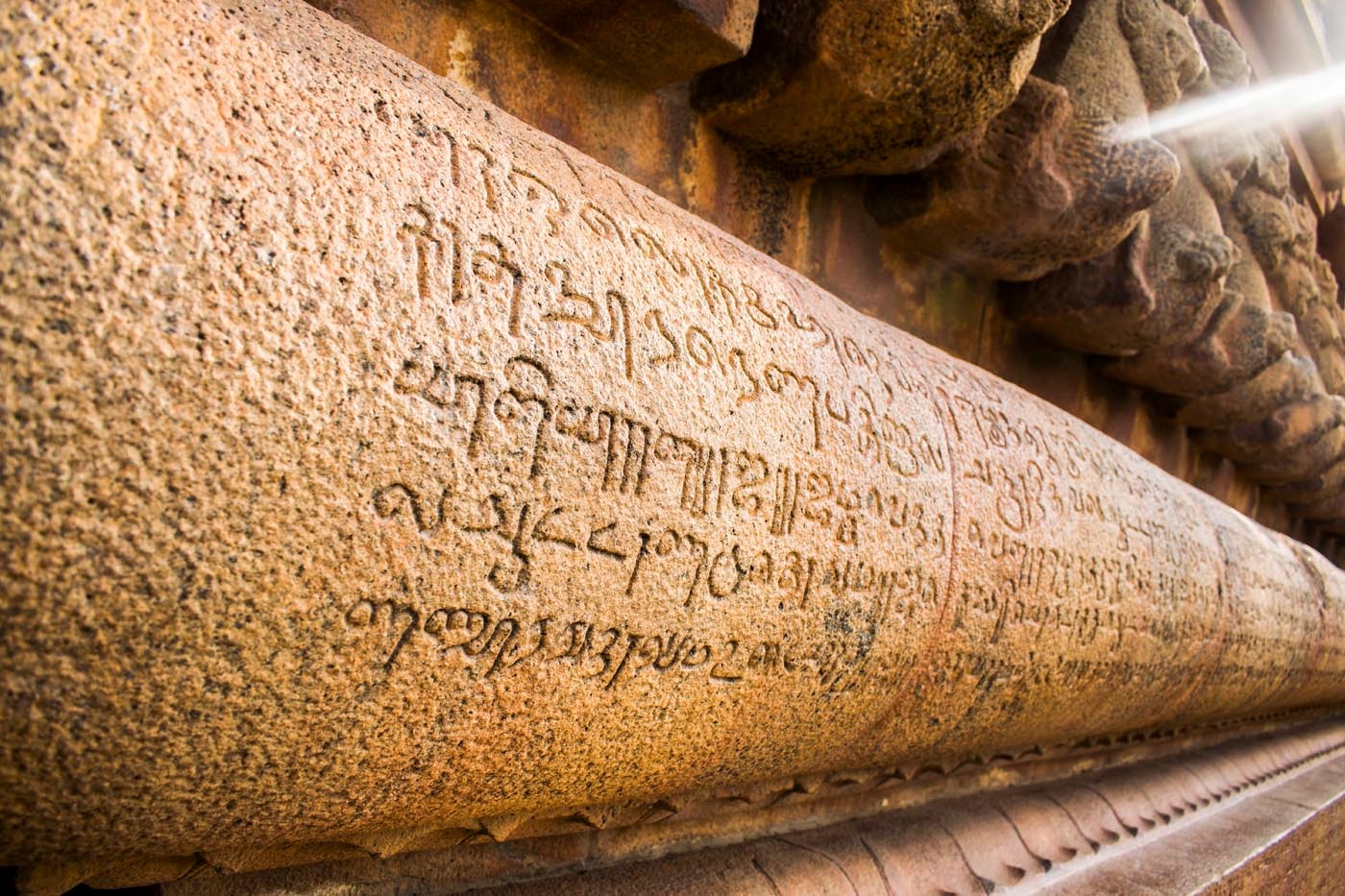
Traces of scientific genius etched into time and stone (Photo: Twitter)
Ancient scholars placed high importance on education and systematic reasoning. Their studies were preserved through handwritten manuscripts, oral tradition, and engraved inscriptions.
What makes these contributions even more striking is how many of these methods and discoveries remain relevant, with modern experts often discovering that today’s findings were known centuries ago in some form. The level of detail and precision in ancient Indian scientific records reflects a well-established culture of inquiry and dedication to truth.
This discussion looks closely at various parts of ancient Indian science that still catch the attention of researchers and intellectuals worldwide. Each area reveals how deep and advanced their understanding was, showing that this civilisation had developed methods and technologies far ahead of their time.
Mathematical Concepts Centuries Ahead of Modern Times
Among the most impressive contributions is the invention of the concept of zero. The Indian mathematician Brahmagupta introduced zero as a number and not just a placeholder.
This idea became a turning point for mathematical progress and laid the groundwork for arithmetic operations, algebra, and calculus. His methods included rules for dealing with positive and negative numbers, square roots, and even approaches to solving equations.
The decimal system also took form in this civilisation long before it appeared elsewhere. Indian mathematicians devised symbols for numbers one through nine and added zero, allowing for an efficient positional system. This approach was later shared with Arab scholars and eventually reached Europe, becoming the standard method across the globe.
The contributions of Aryabhata further strengthened their achievements in mathematics. He calculated pi with remarkable precision and introduced trigonometric functions. His works offered detailed tables of sines and used sophisticated geometry to study the motion of celestial bodies.
Ayurveda and Its Enduring Impact on Medicine
The system of Ayurveda, which means the science of life, continues to influence healthcare even now. It is not merely a form of herbal medicine but a complete framework for diagnosing, preventing, and treating illnesses. This system classifies people into different body types and offers individual treatment based on physical and emotional constitution.
Charaka and Sushruta were two leading figures in this field. Charaka’s texts described various diseases and provided instructions for maintaining health through diet, exercise, and routine.
Sushruta, on the other hand, made great progress in surgical practices. His records mention procedures such as cataract removal, skin grafting, and even reconstructive surgery. These developments occurred long before surgical tools were common in other parts of the world.
Modern research has confirmed the effectiveness of many Ayurvedic herbs and treatments. Ingredients like turmeric, ashwagandha, and neem are now part of health supplements and clinical studies in various countries. The foundations laid by ancient Indian doctors continue to shape holistic medicine and natural therapies today.
Astronomy Observations With Striking Accuracy
Astronomical studies held an important place in ancient Indian science. Many early thinkers studied the stars, planets, and movements of celestial objects with close attention and accuracy.
Aryabhata proposed that the Earth rotates on its axis and explained lunar and solar eclipses based on the shadow of Earth or the Moon. His explanation was logical and showed knowledge of spatial relationships among heavenly bodies.
Varahamihira expanded on this knowledge and produced works that included weather prediction, planetary positions, and even ideas about the water cycle. His understanding of astrology was deeply linked to astronomical calculations, and he insisted on observing celestial patterns regularly.
The calendar systems that emerged from this period were detailed and organised according to solar and lunar cycles. These helped in scheduling agricultural activities, religious rituals, and daily life in a consistent and predictable way. Many current calendars used in parts of Asia still trace their origin to these early efforts.
Metallurgy and High-Quality Metal Craft
Another area where ancient Indian expertise becomes evident is metallurgy. The production of rust-resistant iron has puzzled modern scientists, especially when studying the Iron Pillar in Delhi.
This structure, dating back to the Gupta period, has survived without corroding for more than 1,600 years. Experts studying its composition have identified a unique mixture of phosphorus and slag that helps prevent rust formation.
Zinc extraction through distillation was also achieved much earlier in this region than in Europe. At Zawar in Rajasthan, large-scale smelting furnaces and distillation chambers were used to extract pure zinc. This process showed an advanced understanding of chemical reactions, heat control, and gas condensation.
The production of Wootz steel, known for its sharpness and durability, became highly sought after by traders from the Middle East and Europe. The steel was used in the creation of Damascus swords, which were admired for their strength and cutting power. These methods indicate that early Indian metallurgists had a detailed grasp of materials and temperature control.
Architecture With Remarkable Precision and Durability
Architectural accomplishments from ancient India also reflect advanced engineering and design knowledge. The use of geometry and load distribution techniques can be seen in temples, palaces, and water systems.
Temples like those in Khajuraho and Ellora were built with such precision that even today, their structure stands firm despite centuries of wear and natural forces.
Stepwells, built to collect and store water, serve as an example of efficient civil engineering. These wells were designed with multiple layers and pathways that helped in water management and community access. Their aesthetic value was matched by practical effectiveness.
Rock-cut architecture, where entire structures were carved into mountains or hillsides, also demands attention. The Kailasa temple at Ellora is one of the best-known examples, created by removing tonnes of rock from a single cliff. This required skilled planning, labour coordination, and exact measurements, all achieved without modern machinery.
Concepts in Physics and Natural Laws
Ancient thinkers also showed a refined understanding of physical forces. Kanad, the founder of the Vaisheshika school, proposed the idea that all matter consists of atoms.

When zero became everything in a world of numbers (Photo: Getty Images)
This idea came centuries before Western scientists formally introduced atomic theory. He believed that atoms combine to form more complex substances and that these atoms were in constant motion, influenced by different forms of energy.
The laws of motion and energy transformation were hinted at in texts that examined action, reaction, and cause-effect relationships. These ideas were part of broader philosophical debates but often contained logical patterns similar to later physical laws discovered elsewhere.
The idea of sound propagation, heat transmission, and even optics was present in ancient Indian studies. Some texts describe how sound travels through vibrations and how light reflects and bends through various materials. These show that their understanding of physics had both observational and theoretical depth.
Chemical Knowledge and Alchemy Traditions
Ancient Indian chemistry, often called Rasashastra, combined spiritual beliefs with scientific procedures. This branch dealt with the transformation of substances and the preparation of compounds for both medicinal and industrial use. Alchemists experimented with metals, minerals, and herbs to produce mixtures that could treat disease or enhance physical strength.
The idea of converting base metals into more valuable ones, such as gold, was part of this tradition, but it also served as a method for understanding material change and chemical processes. Laboratory tools used in Rasashastra resemble modern distillation and filtration equipment, showing that hands-on methods were widespread.
Preserving medicines, stabilising compounds, and using heat to trigger reactions were commonly practised. These experiments often required precision in timing, temperature, and ingredient choice, reflecting a structured scientific mindset.
Influence Beyond Borders and Through Time
Much of this ancient wisdom did not remain confined to one region. Scholars from other cultures, such as the Greeks, Chinese, and Arabs, studied these works and carried the knowledge back to their homelands. Texts were translated into Persian, Arabic, and Latin, helping spread these discoveries through trade routes and academic exchanges.
The work of Indian scientists often became part of the curriculum in medieval Islamic centres of learning. Later, during the European Renaissance, this knowledge indirectly influenced new waves of thought and discovery.
Their curiosity, accuracy, and dedication to learning helped preserve this knowledge over generations. The fact that these contributions continue to draw interest today speaks to the depth of thought and commitment shown by early Indian scholars and inventors.
The methods they used remain a testimony to their ingenuity and offer lessons for present-day researchers who seek both inspiration and wisdom from the past.