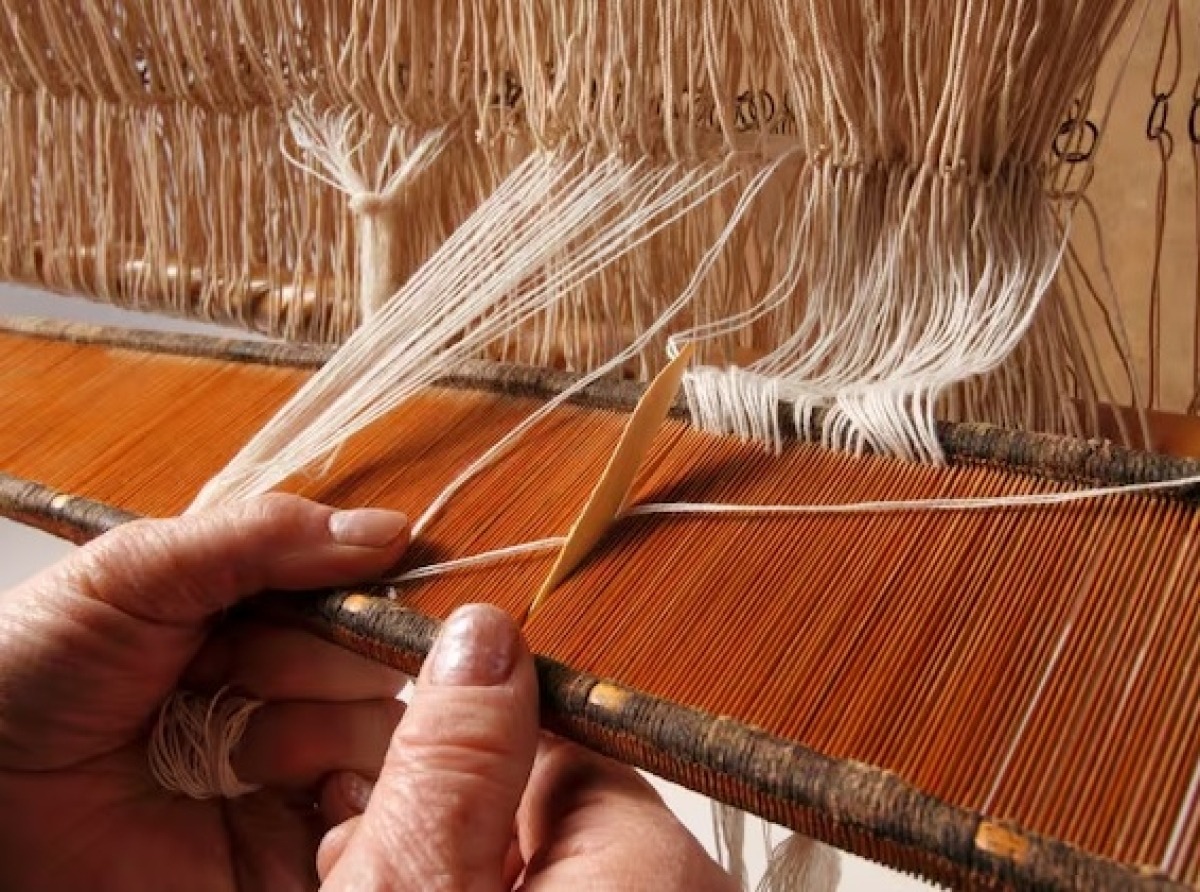
Preserving traditional art forms through generations often requires a delicate balance between cultural values and economic survival. This is especially true when it comes to weaving practices passed down within families and communities.
Textile craftsmanship built on manual techniques has remained an important part of many regions’ identities. One such example involves the handmade fabric industry which continues to support artisans while upholding traditions that date back centuries.
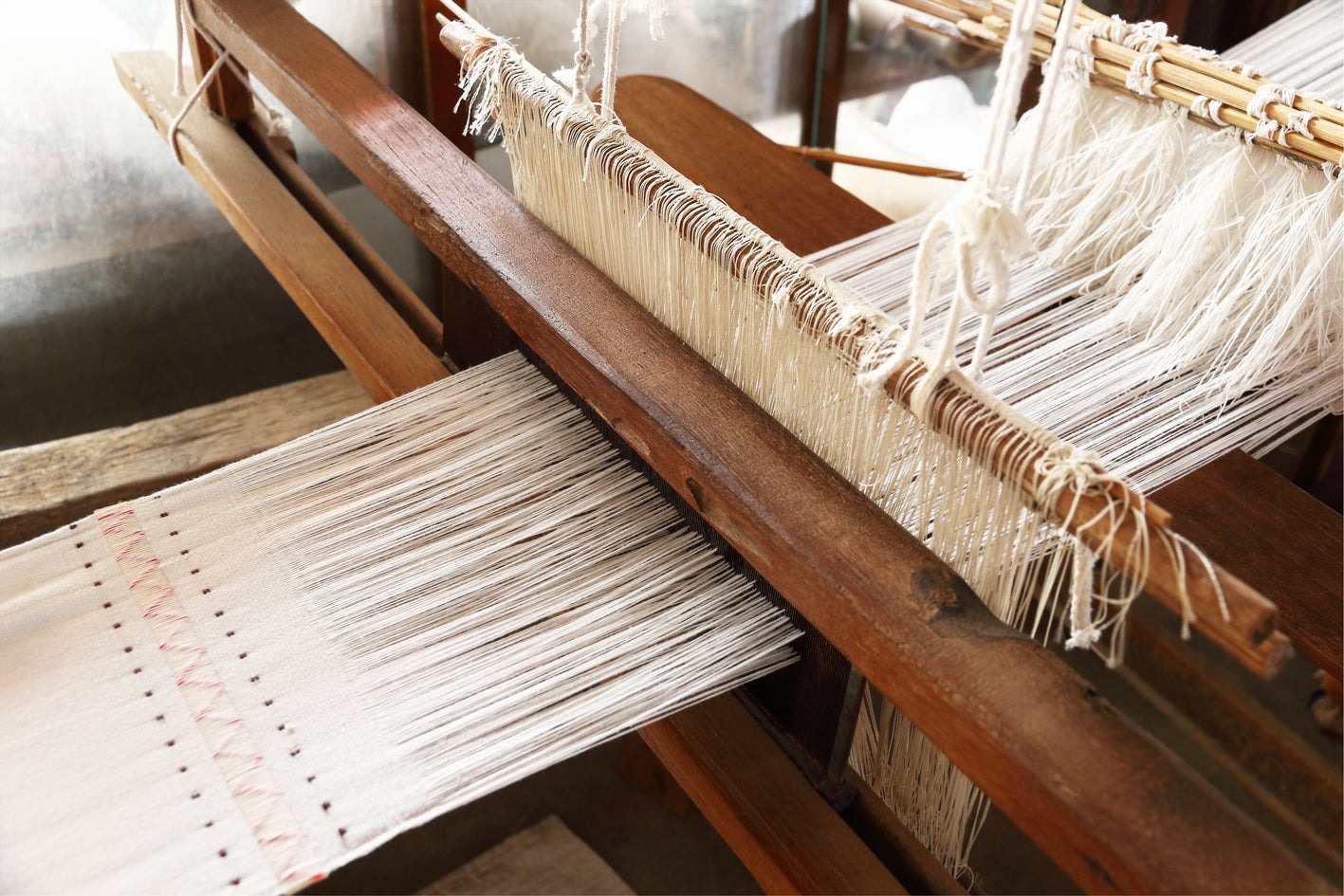
Every pattern tells a story passed through generations (Photo: Twitter)
The craft relies heavily on experience and skill, typically taught informally from older generations to younger ones. Families involved in this trade see it not just as a source of income but as a way to maintain a cultural connection.
Cloth made using this approach carries meaning beyond its physical form. Each thread, motif, and colour often represents stories, beliefs, or social customs particular to specific communities.
Time-Honoured Craft and Local Identity
This form of textile production is deeply tied to regional customs and values. Across rural parts of the country, certain styles and weaving patterns are associated with specific areas.
These patterns reflect the lifestyle, climate, and resources available in each locality. Over the years, many of these styles have become recognisable identifiers of those communities. The act of creating cloth by hand also reinforces communal pride and intergenerational ties.
While some may view weaving as a repetitive task, it requires both physical precision and creative thinking. From choosing yarn to selecting dye and laying out the design, each part of the process calls for detailed decision-making. The artisans do not work with mass production machinery.
Instead, they rely on looms operated manually, which demand skill, rhythm, and patience. The discipline it takes to weave for hours without mechanical support reflects the dedication involved.
Economic Relevance and Artisan Livelihoods
Though it is grounded in tradition, this sector continues to serve as a source of employment for millions of people. Many artisans operate from home or community spaces, combining cultural preservation with household responsibilities. The work allows for flexibility while still generating income, especially for women who often balance family obligations with professional roles.
Smaller villages and towns have built entire micro-economies around weaving. From thread merchants to dye specialists and loom repair workers, multiple auxiliary roles support the industry.
These support systems not only keep the craft alive but also encourage local entrepreneurship. Buyers, both within the country and abroad, remain interested in acquiring garments and textiles with authentic handmade appeal.
The uniqueness of handcrafted materials often appeals to those who want products with deeper meaning. Items created in small batches by individuals carry emotional and artistic value that cannot be replicated by factory methods. This consumer interest has helped revive demand and inspired younger artisans to stay involved in the field.
Balancing Tradition with Changing Preferences
One ongoing challenge for this industry involves keeping traditional practices alive while responding to modern tastes. Consumers today often seek updated styles and comfort without compromising authenticity. As a result, weavers must regularly adjust designs, colours, and fabric types to match new preferences.
Several cooperative societies and designer partnerships have started working with traditional artisans to support this balancing act. These collaborations help artisans maintain their core techniques while also introducing designs suitable for wider markets. Fabrics made this way are being included in fashion events, sold in online shops, and worn in urban settings without losing their cultural depth.
Younger generations, especially those with exposure to digital media, are also reimagining their family’s craft in fresh ways. They use social platforms to display work, educate buyers, and sell directly to consumers.
This has brought global attention to a practice that was once only seen in local fairs and bazaars. At the same time, many are careful to honour the knowledge passed down from elders, making sure that the original quality of the fabric remains visible.
Education and Training Support
Sustaining this tradition depends in part on how well new artisans are trained. For this reason, several institutions have begun offering courses in handloom design and production.
These programmes teach both the practical side and the historical background behind various styles. Students learn about regional differences, fabric handling, colour theory, and ethical practices.
In many cases, master artisans are invited to teach or mentor trainees. This allows for a blend of academic knowledge and real-world experience. Workshops in rural areas also encourage younger residents to consider weaving as a career option.
When formal education supports the craft, it gains recognition and longevity, while offering younger participants a sense of pride in choosing a heritage-based profession.
Such efforts also help dispel the idea that traditional crafts are outdated or less valuable than industrial work. Through exhibitions, media coverage, and policy initiatives, people are beginning to understand the long-term value of these artistic jobs.
Cultural and Environmental Considerations
Another strength of this approach to cloth-making lies in its connection to nature. The industry often uses eco-friendly methods, such as plant-based dyes, minimal electricity, and biodegradable fibres. Unlike factory systems that depend on synthetic materials and mass waste, handloom techniques allow for low-impact production.
The practice respects local climates, seasonal rhythms, and natural resources. Many artisans continue to grow their own dye plants or source raw materials from their surroundings. This self-reliant approach supports both the environment and the economy of smaller communities. It also teaches younger generations about harmony between work and nature.
Cultural rituals also play a part in the process. Certain communities conduct blessings or ceremonies before beginning major weaving projects. This shows how the craft is tied to belief systems and community bonds. The process becomes more than just work; it becomes a statement of identity and continuity.
Institutional and Government Involvement
To keep this field active, various institutions and government bodies have introduced schemes to support artisans. These range from financial aid to raw material subsidies and marketing support. Artisan fairs, textile expos, and training events help bring recognition to weavers and connect them to buyers and designers.
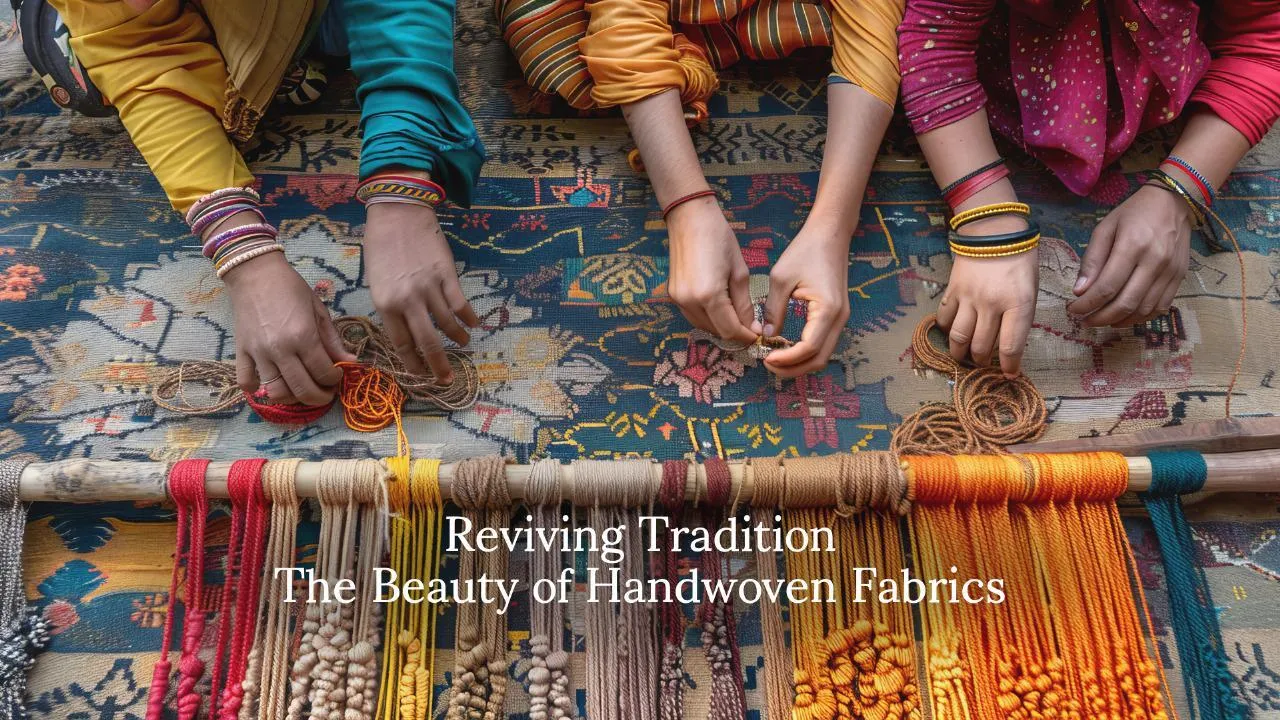
Handwoven beauty that connects past to present (Photo: Twitter)
Policies that protect intellectual property rights for traditional patterns have also helped guard against copying and misuse. Legal measures give communities the right to benefit when their cultural designs are used commercially. This recognition gives artisans more control over their output and improves confidence in continuing the trade.
Some areas have set up dedicated zones where weaving is promoted through infrastructure, access to quality tools, and guidance from experts. These areas act as both training hubs and production centres. They help ensure that traditional crafts are passed down with both respect and innovation.
Modern Relevance and Global Reach
Interest in handmade fabrics has grown beyond national borders. Many people abroad now view these textiles as symbols of craftsmanship and care.
Fashion designers, museums, and retailers have started including these items in their collections. This has introduced the craft to a wider audience, while also encouraging artisans to meet international standards.
While maintaining traditional roots, artisans often experiment with stitching styles, blends, and patterns to match global tastes. Custom orders and collaborations with stylists and brands allow weavers to showcase their work on a bigger stage. At the same time, they continue to use looms that have remained unchanged for generations, blending past and present.
As appreciation for sustainable fashion grows, handwoven fabrics stand out for their minimal waste and human connection. This appreciation has led to renewed demand, especially among buyers who care about fair labour and artistic expression. Each garment carries the name of a technique, a village, or a family legacy, which adds depth to the item’s value.
For the fabric to maintain its role in both economic and cultural life, support must come from every level. Artisans need better access to education, financial assistance, and promotional platforms. Policies that treat handmade work with respect can help ensure that the next generation sees it as a worthy path.
When younger artisans feel that their work is respected, both locally and internationally, they are more likely to continue the tradition. Community-based training, fair pay, and recognition of artistic value can go a long way in building trust and interest among the youth.
The story of handloom cloth is not only about heritage but also about survival, creativity, and pride. It remains a living tradition that speaks through colour, thread, and pattern. The people who continue to weave these fabrics are not simply preserving something old. They are giving it new meaning in every thread they spin.