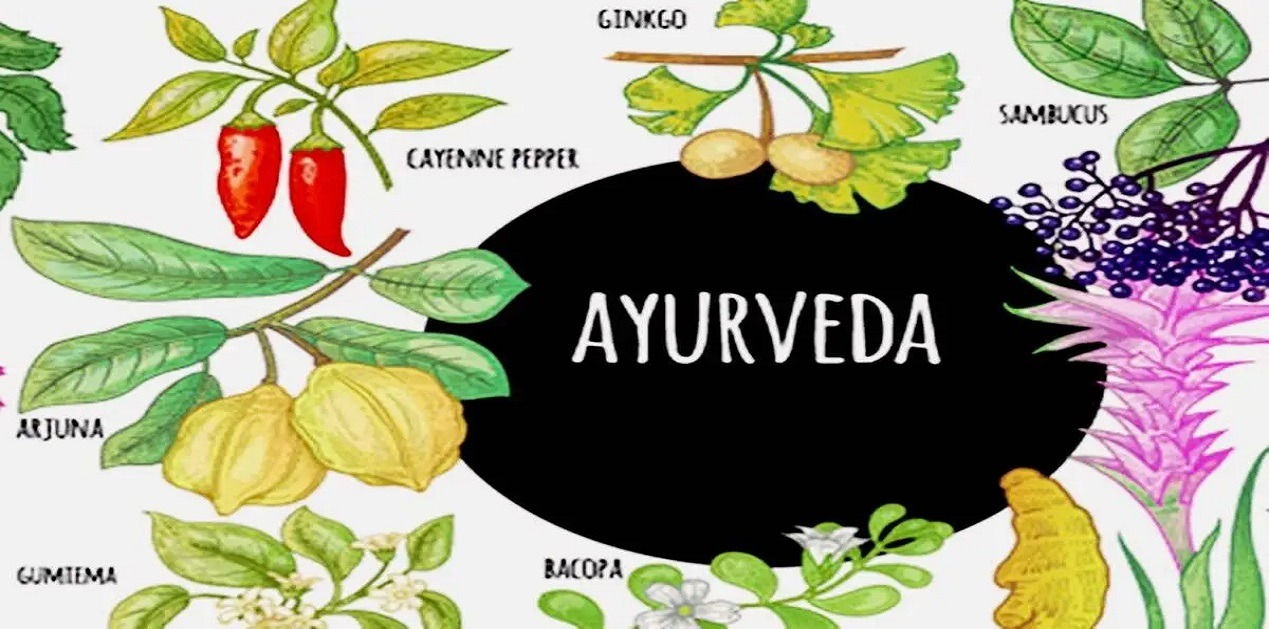
Across several continents, traditional health systems have started receiving wider attention, and one of the most prominent among them is Ayurveda. This form of healing, rooted in thousands of years of practice, is gaining fresh appreciation far beyond its original region.
With growing interest in natural remedies and preventive care, many people are now looking to Ayurveda as an alternative or complement to mainstream healthcare methods. Its blend of herbal medicines, diet adjustments, yoga, meditation, and detox practices appeals to those seeking a more balanced approach to health.

Herbal remedies and mindfulness find a new global stage (Photo: Twitter)
Healthcare consumers across North America and Europe, in particular, are showing greater openness to ancient healing systems. As conversations around wellness have expanded beyond pharmaceuticals and surgeries, Ayurveda’s principles have begun to receive recognition.
Many wellness enthusiasts are now turning to this practice not only for treatment but for long-term body-mind balance. Several organisations and experts now support its inclusion in the larger dialogue around global health.
Understanding the Foundational Principles of Ayurveda
Ayurveda focuses on achieving harmony between the body, mind, and environment. It relies on the idea that health depends on balancing three life forces or doshas: Vata, Pitta, and Kapha. Each individual has a unique combination of these doshas, and this balance determines one’s physical and emotional constitution.
When these forces go out of alignment, illness may arise. The goal of treatment is to restore equilibrium through lifestyle modifications, plant-based remedies, and mindful living.
The appeal of Ayurveda lies in its emphasis on prevention and individualised care. Unlike some modern treatments that take a one-size-fits-all approach, Ayurvedic methods are tailored to each person’s constitution and needs. This makes it attractive to people who want a personalised health journey.
The system teaches people to pay attention to their habits, environment, and mental health, offering tools that help them stay well, rather than only treating symptoms after falling ill.
The Role of Ayurvedic Products in International Markets
There has been a steady increase in the export of Ayurvedic products over the past decade. Herbal oils, powders, teas, and supplements are now available in health stores and online platforms across the globe.
The rising demand has encouraged companies to standardise their formulations and adopt more transparent production methods to appeal to foreign markets. Manufacturers are working hard to ensure that their products meet the health and safety regulations required by different countries.
In places like the United States, the popularity of natural and organic living has helped Ayurvedic goods gain a foothold. These products are often seen as safer alternatives to synthetic supplements. Wellness brands often include Ayurvedic principles in their product descriptions to build consumer trust.
This rising interest has also prompted larger pharmaceutical firms and beauty companies to research and develop goods based on Ayurvedic herbs and ingredients. As the market grows, the pressure to maintain authenticity while adhering to global standards continues to increase.
Training and Certification Across Borders
To meet the growing interest in Ayurvedic practices, training centres and schools have begun offering courses outside Asia. Countries like Germany, Australia, and the United Kingdom now have wellness institutes that teach Ayurveda.
These programs are designed for both beginners and healthcare professionals who want to add holistic methods to their current skill sets. Many of these schools partner with Indian institutions to ensure that the training remains authentic and grounded in traditional knowledge.
At the same time, medical professionals in different countries are requesting more formal inclusion of Ayurveda in integrative medicine. As awareness spreads, the need for proper licensing and standardisation of training becomes more pressing. Some regions have started drafting frameworks to help blend ancient techniques with modern healthcare structures without losing the original philosophy.
Influence of Wellness Tourism
Destinations known for Ayurveda-based retreats are seeing increasing numbers of international visitors. Tourists seeking mental clarity, detox programs, or chronic pain relief are choosing to travel to Ayurvedic resorts.
Countries that offer wellness tourism packages now promote Ayurvedic therapy alongside yoga, meditation, and spa experiences. For many visitors, this kind of retreat offers a full-body reset and the opportunity to disconnect from fast-paced urban life.
The tourism industry is using this interest to support local economies and preserve traditional knowledge. Visitors return to their countries with stories of healing and relaxation, helping to raise awareness about Ayurveda.
This type of personal recommendation has proven more effective than advertisements in increasing trust in alternative health systems. As more people take interest in wellness tourism, Ayurveda stands to gain even broader attention and credibility.
Scientific Research and Support from the Medical Field
In recent years, studies on Ayurvedic herbs and formulations have increased. Researchers are working to validate the effectiveness of specific remedies used for conditions such as arthritis, digestive problems, skin disorders, and stress.
Peer-reviewed journals are publishing more findings on Ayurvedic practices, which is helping the method gain respect among mainstream healthcare professionals. Though many medical experts remain cautious, the interest in combining Western medicine with holistic practices continues to rise.
Institutions in the United States and Europe have conducted clinical trials to assess the impact of Ayurvedic treatments on chronic illnesses. Although this is still a developing area, the early results have encouraged further investigation.
As evidence grows, doctors are more willing to recommend complementary practices like yoga, meditation, and herbal supplements. This growth has helped reduce scepticism and allowed Ayurveda to become a more accepted part of wellness conversations.
Role of Media and Digital Platforms
Social media, podcasts, and wellness blogs have played a strong role in promoting Ayurveda. Influencers and health advocates now speak openly about their experience with Ayurvedic treatments.
These stories help introduce the practice to younger audiences who rely heavily on digital platforms for information. Online wellness communities often discuss Ayurvedic remedies for everyday issues like bloating, insomnia, anxiety, or fatigue.
Video content, virtual consultations, and online courses have also made the practice more accessible. People who may never have encountered Ayurveda in person can now attend virtual classes or consult experts from the comfort of their homes.
This digital growth has helped Ayurveda reach people across time zones and cultural backgrounds. As its online presence grows, so does public curiosity about its benefits.
Challenges Faced by the Ayurvedic Sector
While the growth of Ayurveda on the global stage is promising, it does come with hurdles. One major issue is the variation in quality among products being sold. Without strict regulation in some countries, there is room for misuse or misleading claims.
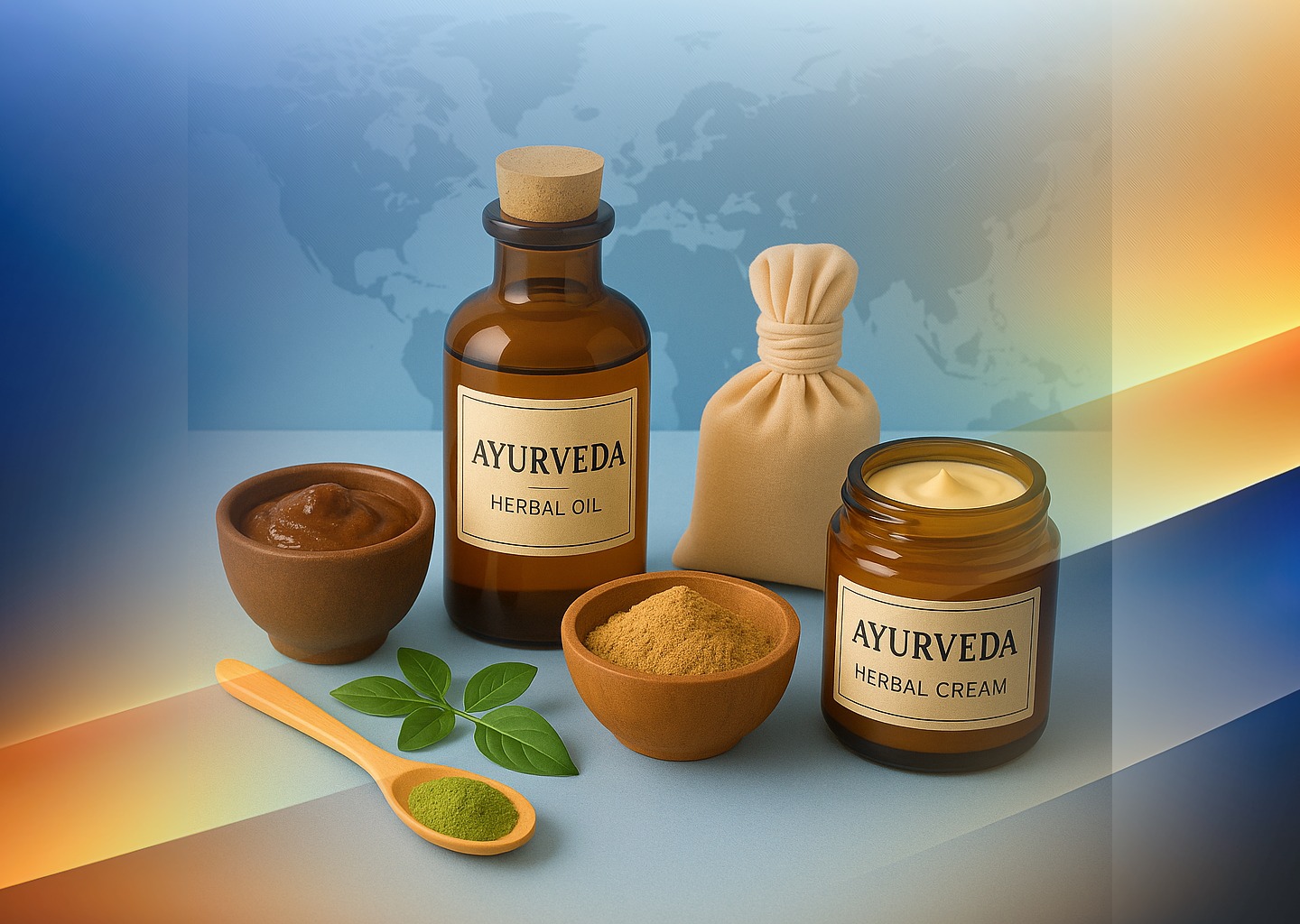
Ayurveda gains momentum as people seek balance over quick fixes (Photo: Getty Images)
Consumers may find it difficult to distinguish between genuine products and substandard ones. This puts pressure on regulators and manufacturers to adopt proper certification and maintain transparent processes.
Another challenge lies in cultural misinterpretation. Some companies may alter or dilute the original methods to appeal to wider markets. In doing so, they risk stripping the practice of its roots.
There is also the concern of intellectual property, with debates over who should control and profit from ancient knowledge. As Ayurveda grows beyond its region of origin, striking a balance between modernisation and cultural respect becomes very important.
Efforts to Preserve Authenticity
Many practitioners and scholars are actively working to maintain the original integrity of Ayurveda. This includes publishing traditional texts in various languages, offering formal training, and urging governments to protect ancient practices through policy.
They stress the need to teach Ayurveda as a complete system rather than cherry-picking elements for commercial use. By encouraging respectful learning and practice, they hope to keep the core values of this healing system intact.
Collaborations between traditional healers and modern scientists are becoming more common. These efforts are helping to document centuries-old methods in ways that meet modern research standards.
This partnership ensures that Ayurveda does not lose its identity as it becomes more accepted globally. Maintaining this connection to its original teachings will determine how well it can serve future generations.
The increasing attention Ayurveda receives today can be linked to a broader change in how people approach health and wellness. With more individuals looking for ways to maintain balance and avoid dependency on synthetic medicine, Ayurveda offers a method rooted in harmony and awareness. It stands out for its ability to blend physical, emotional, and spiritual care, making it appealing to a wide range of people.
As practitioners, researchers, businesses, and consumers continue to engage with Ayurvedic ideas, the system has found room within modern lifestyles. Whether through dietary habits, herbal products, or holistic retreats, the practice is reaching more homes and communities each year.
What lies ahead for Ayurveda depends largely on how well it preserves its values while meeting the expectations of today’s global audience. Its future looks active, thoughtful, and connected to both tradition and innovation.