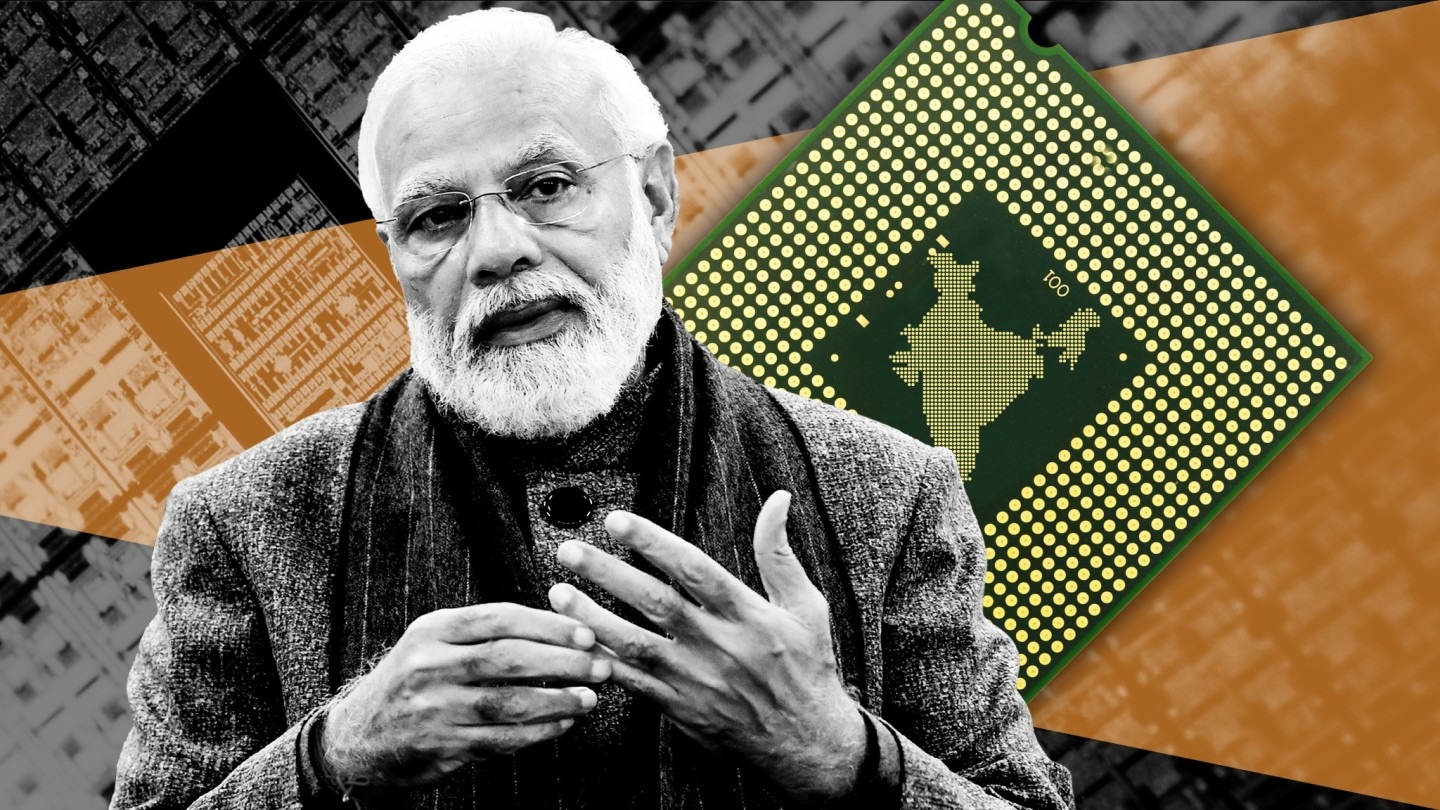
Efforts to establish a stronghold in the semiconductor sector have become a major focus for several countries, especially those looking to reduce dependence on external sources and strengthen their internal capacity.
With digital technologies now forming the backbone of several industries such as telecommunications, defence systems, automotive development, and artificial intelligence, it has become increasingly clear that the country that builds a dependable chip manufacturing base will enjoy both economic and technological advantages.
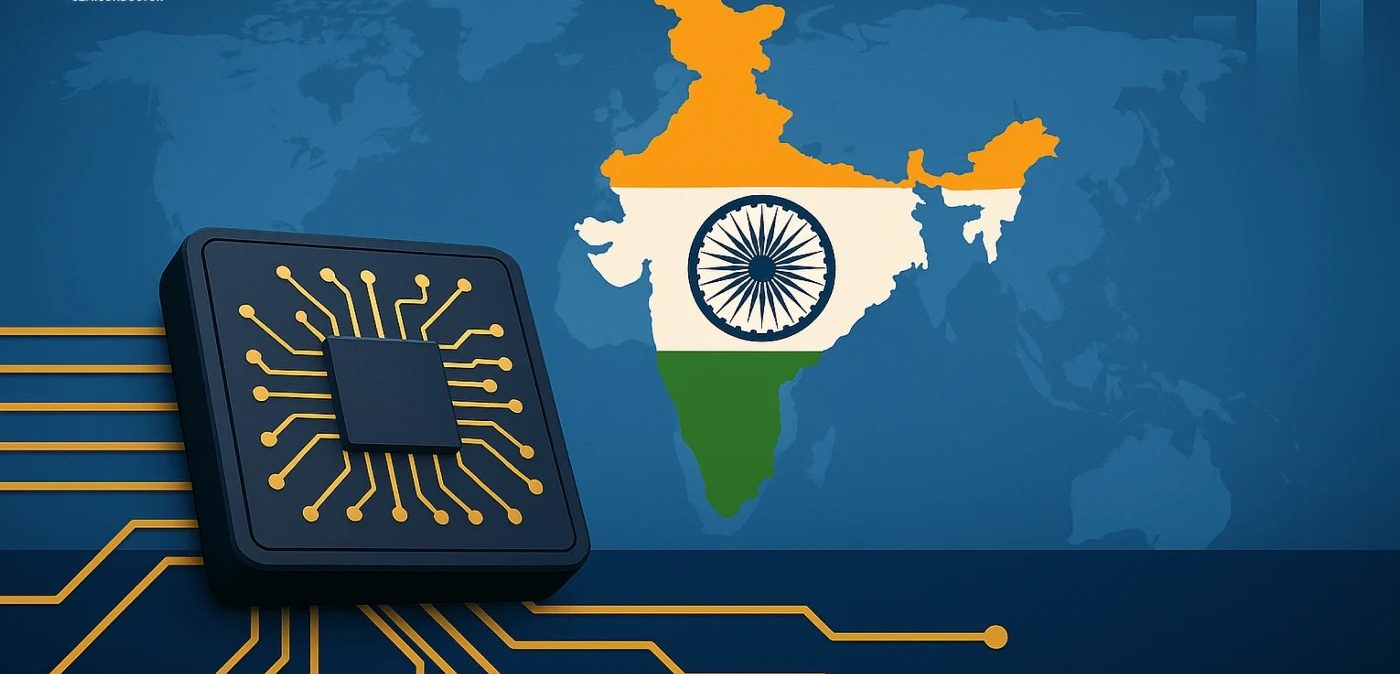
Silicon ambitions taking shape with global partnerships (Photo: Alamy)
Efforts have grown across various regions to secure consistent chip production channels. This development is mostly due to the pressures caused by previous supply chain disruptions, which exposed how vulnerable several sectors were when semiconductors were in short supply. Several nations are now adopting new strategies to boost local production, while also encouraging partnerships with global manufacturers.
Renewed Focus on Domestic Production
India has been working consistently to reposition itself as a viable hub for semiconductor development. The country has realised the urgency of building in-house capability after facing several production and import challenges. There is now a clear commitment to reduce reliance on foreign chip suppliers and establish manufacturing units within the country.
By introducing production-linked incentive schemes and encouraging foreign firms to invest in local facilities, the government is pushing to establish a complete ecosystem that will support fabrication, design, testing, and packaging.
The administration’s plan does not just revolve around constructing factories. There is also an emphasis on training skilled engineers and technicians who can manage these high-tech processes.
Universities and technical institutions are gradually being aligned with industry requirements, ensuring that the next generation of talent will be equipped with the right knowledge.
Strategic Partnerships and Investment Drives
Several international companies have expressed readiness to collaborate on Indian soil, encouraged by the government’s openness and investment-friendly policies. Organisations from countries such as the United States, Japan, Taiwan, and South Korea have entered into agreements, either through joint ventures or direct capital investments.
The ongoing dialogue between Indian policymakers and semiconductor giants signals a long-term commitment that is expected to yield visible outcomes in the coming years.
In addition to bilateral discussions, India is also part of multilateral arrangements that aim to secure steady chip production across friendly nations. This involves sharing research findings, technology transfers, and coordination on supply strategies. By positioning itself as a cooperative and reliable player, the country is seeking to gain more access to critical inputs and advanced technologies.
The Role of Infrastructure and Logistics
Building a semiconductor facility requires more than political will or funding. It also depends heavily on robust infrastructure, efficient logistics, and reliable utility services.
Recognising this, Indian states competing to host these factories are improving their power supply systems, building industrial parks with modern features, and ensuring seamless transport connectivity.
Special economic zones have been identified in states such as Gujarat, Tamil Nadu, and Karnataka, where regulatory frameworks have been tailored to accommodate semiconductor-related operations.
These locations offer favourable tax regimes, faster clearance processes, and high-capacity industrial land, which makes them attractive for foreign players and domestic entrepreneurs alike.
Workforce Training and Talent Retention
A strong semiconductor programme cannot thrive without a skilled workforce. Indian authorities have acknowledged the need to train engineers, software developers, and hardware specialists who can support every level of semiconductor development.
New curriculums are being introduced in science and engineering programmes, and government-backed initiatives are providing financial support for students who wish to pursue advanced chip design or material science.
There is also the need to retain professionals who often leave the country in search of better opportunities abroad. This challenge is being addressed through industry-academia collaborations, competitive salaries, and research incentives that allow professionals to work on cutting-edge projects without relocating.
Supply Chain Coordination and Import Adjustments
Despite the push for local production, certain raw materials and specialised tools still need to be sourced from abroad. To deal with this, India has developed new agreements with resource-rich countries, while also investing in domestic research aimed at substituting imported components. This balance between self-reliance and strategic imports ensures that operations can continue smoothly without unnecessary delays or bottlenecks.
Government agencies are also coordinating with private logistics companies to guarantee safe and timely delivery of inputs, while easing customs procedures to avoid unnecessary bureaucracy. These adjustments support a business-friendly environment where operations can grow steadily.
Research, Development, and Innovation
India’s long-term presence in the semiconductor sector depends on its ability to stay ahead through continuous research. Funds have been allocated to national labs, academic institutions, and start-ups that are working on energy-efficient chips, quantum computing models, and alternative materials. This proactive approach to innovation ensures that local players can stay competitive and deliver products that meet global standards.
The government has also introduced grant schemes and patent protection initiatives to encourage inventors. These efforts are expected to stimulate interest among young scientists and researchers who are looking for practical applications of their knowledge.
Ties with Technology-Heavy Nations
Through diplomatic engagements, India is enhancing its relationships with countries that hold expertise in semiconductor production. Collaborations with Taiwan’s foundry leaders, US-based chip designers, and South Korean manufacturing specialists are giving Indian companies access to specialised tools, blueprints, and experience. These partnerships are also helping to improve local standards, so they can match global benchmarks in quality and efficiency.
Such cooperation is not just focused on business transactions. It also includes talent exchanges, technology demonstrations, and cooperative workshops. These actions reflect a shared desire to build an integrated production chain that spans across friendly and trustworthy nations.
Challenges Facing the Ambition
Despite the optimism, challenges remain that require consistent monitoring. Issues such as project delays, lack of local suppliers, changing global demand, and environmental concerns can affect long-term progress.
For example, building a chip fabrication plant is a capital-intensive task that can take years before producing results. If demand patterns change or global prices change, investment risks can rise.
To handle this, policymakers are working closely with financial institutions, environmental boards, and international consultants to ensure that the projects remain practical, profitable, and sustainable.
Digital Sovereignty and National Security
One of the major drivers behind India’s push into semiconductor development is the desire to protect its digital infrastructure. A country that depends too much on imported chips risks being exposed to supply interruptions that can affect defence communication, banking systems, and industrial controls. By producing chips locally, there is greater assurance that sensitive systems will remain under national control.
Where policy meets innovation in the semiconductor race (Photo: Twitter)
The government is taking precautions by limiting foreign control in main segments and ensuring that sensitive technology is managed through secure channels. This attention to security has increased confidence among industry stakeholders and technology users alike.
Environmental Responsibility and Long-Term Vision
Chip production involves chemical processes, water use, and energy consumption. Indian authorities are aware of the environmental consequences and have started enforcing eco-friendly guidelines.
New factories must meet specific pollution standards, and companies are being encouraged to use recycled water and adopt renewable energy where possible.
Environmental clearances are now linked to long-term compliance, with regular inspections and penalties for violations. This approach guarantees that the semiconductor initiative will grow without causing irreversible damage to the environment.
The Broader Economic Picture
Beyond technological gains, the push for semiconductor independence is expected to create thousands of jobs and attract billions in investment. This ripple effect benefits related sectors such as education, logistics, construction, and services.
As the factories become operational, smaller companies will emerge to supply parts, tools, or support services, thereby spreading economic benefits across different regions.
The multiplier effect also contributes to export potential. As Indian-made chips become reliable, international buyers may start sourcing from local suppliers, thereby improving the trade balance and raising the country’s profile in electronics manufacturing.
By focusing on practical policies, targeted partnerships, and ongoing capacity development, India is positioning itself as a dependable and skilled participant in chip manufacturing.
While the path ahead contains several hurdles, there is a sense of steady commitment and coordinated effort that continues to drive this mission forward. The results may take time, but the direction remains firm.