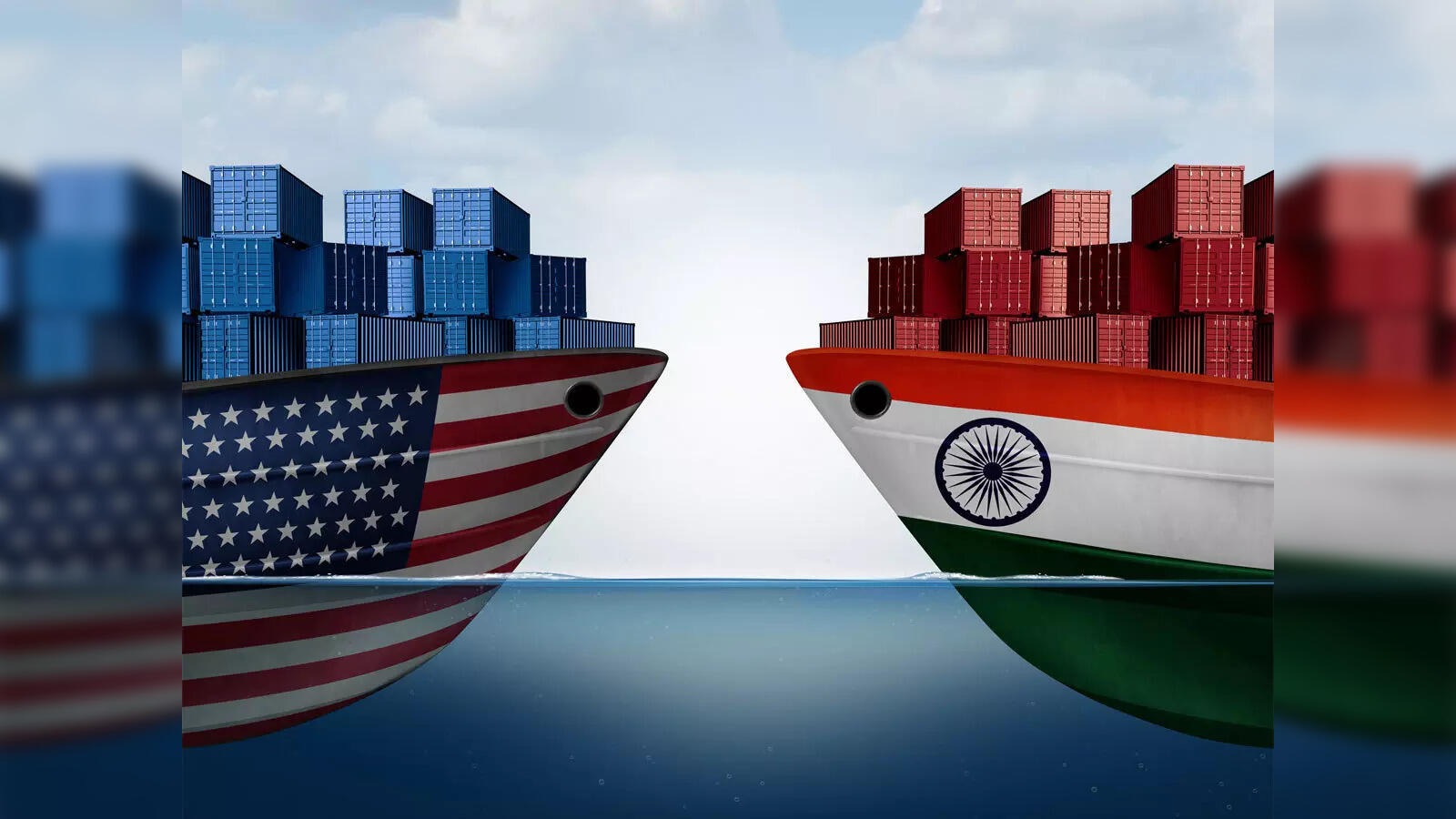
With increasing global demand for quality goods and services, one Asian country has seen its export figures soar across several core sectors. Over the past decade, this upward trend has shown no signs of slowing down, even as trade patterns continue to evolve.
Several Indian industries have been recording exceptional growth, pushing out products and services that are steadily making their way into international markets. The strong performance across these sectors has placed India among the top suppliers to multiple countries across different continents.

Technicians inspect vaccine vials before global distribution (Photo: Getty Images)
This expansion did not occur by chance. A combination of policy adjustments, technological improvements, skilled labour, and global outreach initiatives helped create a favourable environment.
Manufacturers, service providers, and government institutions have played essential roles in achieving this goal. By building solid supply chains and leveraging main market demands, many sectors in India have gained momentum that supports sustainable export strength.
Consistent foreign interest in Indian products has led to large-scale investments in manufacturing hubs and logistics. The increased inflow of capital has, in turn, empowered more businesses to scale up.
It is also worthy of mention that the digital infrastructure now supports smoother trade transactions. Several export-focused regions have developed over time, each with its own specialised industry.
Pharmaceutical Products: Reliable Supply of Medicines
India’s pharmaceutical sector has become a dependable supplier of generic medicines and vaccines. Over the years, manufacturers have upgraded their production capacity to meet international quality requirements.
These companies send large volumes of medication to North America, Europe, and parts of Africa. What makes these exports stand out is the affordability and consistent supply chain that supports public health in many importing countries.
Bulk drug production and contract manufacturing have expanded, leading to an increase in overseas partnerships. Regulatory compliance has also been strengthened, with more Indian firms obtaining approvals from agencies like the US Food and Drug Administration. The combination of skilled chemists, robust manufacturing infrastructure, and competitive pricing gives this sector a strong edge in global trade.
The health sector in many parts of the world benefits from this development, especially in terms of cost-effective treatment options. More facilities across Indian states are now certified to meet global standards. This has created employment opportunities for professionals while also attracting foreign exchange through steady exports.
Information Technology and Business Process Services
Software exports and IT-related services form another large part of the country’s foreign trade earnings. Numerous global firms rely on Indian companies for back-end support, software development, and digital transformation tasks. Outsourcing has remained a key contributor, as clients in the US and Europe look to reduce operating costs without compromising on quality.
Indian cities such as Bengaluru, Hyderabad, and Pune have grown into important centres for technological innovation. These hubs are home to thousands of software engineers who develop applications, manage IT infrastructure, and deliver real-time tech support to international clients. Training institutions across the country continue to feed this talent pipeline with new graduates every year.
Service exports in this field go beyond traditional IT. Financial processing, human resources outsourcing, customer care, and cloud management also bring in substantial revenue.
Many companies abroad see India as a dependable destination for specialised tech work. With this consistency, foreign firms retain long-term partnerships with Indian service providers.
Textile and Apparel Exports: Tradition Meets Global Fashion
For decades, Indian textiles have maintained their place in global trade. Handwoven fabrics, machine-made garments, and home furnishings all form a large part of the export market. Designers and retailers around the world source materials from Indian manufacturers due to the unique blend of craftsmanship and affordability.
The textile industry contributes heavily to employment, especially for women and rural workers. Production centres in states like Gujarat, Tamil Nadu, and Punjab support small and large exporters who work with fashion brands in the United States, United Kingdom, and beyond. Cotton, silk, wool, and synthetic blends are all part of the product variety offered to global buyers.
Recent upgrades in textile machinery and dyeing technology have improved the final product, helping Indian garments meet international expectations. In addition, sustainability practices are being introduced to align with changing preferences among consumers abroad. This growth supports long-term contracts with eco-conscious buyers who now see Indian textiles as both stylish and responsible.
Agriculture and Food Processing: Supplying the Global Pantry
Agricultural products form one of the oldest export categories from India. Grains, spices, pulses, tea, fruits, and vegetables find their way to homes and restaurants across the world. The ability to supply both raw and processed foods adds to the strength of this sector.
Several countries depend on Indian basmati rice, mangoes, chillies, and turmeric. Food processing units have also grown, offering packaged ready-to-eat meals, canned vegetables, and frozen items that appeal to consumers abroad. These products are often exported to places with large diaspora populations, especially in the United States, Canada, and the Gulf region.
Cold chain logistics and improved port connectivity have allowed fresh produce to retain quality during long-distance shipping. There has also been more focus on food safety certifications and labelling standards that meet foreign regulations. These steps improve customer trust and lead to repeat orders from global buyers.
Automotive and Auto Components: Engineering for Export
Vehicles and their parts make up another strong sector that contributes heavily to foreign trade income. Indian manufacturers supply two-wheelers, passenger cars, and commercial vehicles to several countries. In addition, the spare parts and auto components segment continues to expand, thanks to competitive pricing and technical reliability.
Manufacturing clusters in states like Maharashtra and Tamil Nadu host major international firms that either assemble or export vehicles. Quality control practices and automation in production lines help meet the performance requirements of international clients. Many Indian-made components go into vehicles sold by global brands.
The growth of electric vehicles has added a new dimension. Batteries, chargers, and EV-specific parts are now entering export markets, particularly where green mobility is gaining attention. This has encouraged further investment in design and engineering aimed at foreign buyers.
Chemical and Petrochemical Products
India’s chemical industry has seen consistent foreign demand for a wide range of products, from industrial chemicals to dyes and pigments. These exports support construction, agriculture, textiles, and consumer goods manufacturing in other countries. The industry’s strength lies in its capacity to produce at scale without compromising safety or environmental regulations.
Petrochemical exports such as polymers, synthetic rubbers, and speciality chemicals are directed mainly to Southeast Asia, Europe, and the Americas. Advanced research and innovation help Indian firms maintain their place in the supply chain of many multinational companies.
Government incentives and export-friendly policies have encouraged companies to modernise their plants and laboratories. This enables them to keep up with changing product standards abroad while offering cost benefits to international customers.
Jewellery and Precious Stones
India’s jewellery industry holds a long-standing reputation for craftsmanship and variety. Precious metals, polished diamonds, and gemstone-studded pieces attract buyers from Europe, the Middle East, and North America. Surat and Mumbai serve as major centres where raw stones are cut and refined before being turned into finished jewellery.

Workers monitor medicine packaging lines in a bustling pharma export unit (Photo: Getty Images)
Exporters in this field benefit from both tradition and innovation. While some cater to luxury markets, others supply more affordable fashion jewellery in bulk. High demand during global festive seasons and wedding periods often boosts foreign sales in a predictable cycle.
Digital sales channels and participation in global exhibitions have brought Indian jewellers closer to foreign buyers. The ability to deliver customised orders at a rapid pace makes this industry appealing to diverse markets.
Renewable Energy Equipment
With the global change towards cleaner sources of power, Indian companies that produce solar panels, wind turbine parts, and other renewable energy equipment have gained attention. These firms export both equipment and technical services to emerging economies and developed countries looking to expand green energy usage.
The solar energy sector has grown rapidly due to government support and increasing international orders. Panels, inverters, and related accessories manufactured in India are sent to various continents where renewable energy adoption is being prioritised.
Research and training facilities also play a role in building technical capacity. Indian engineers and consultants are now offering project support and maintenance services for solar and wind installations abroad. This allows buyers to get both the products and technical know-how from the same source.
Each of these sectors continues to influence global trade dynamics by delivering products and services that match international expectations. Strategic planning, investment in skill development, and consistent adherence to quality have all contributed to making these industries reliable players in the export business.
While challenges such as changing tariffs and logistics costs remain, the growth path suggests a sustained contribution to global supply. Indian industries that focus on foreign markets are adjusting operations and broadening their offerings to ensure continued relevance and trust from their partners across borders.