Over the last two decades, a number of Indian business figures have transformed how companies operate, influencing both domestic and global industries in remarkable ways. These individuals have built strong reputations through consistency, innovation, and a sharp understanding of market demands.
Their contributions have led to new business models, stronger economies, and increased opportunities for young professionals and entrepreneurs. By focusing on diverse sectors such as technology, energy, retail, and finance, these leaders have left lasting impressions on both corporate environments and societal development.
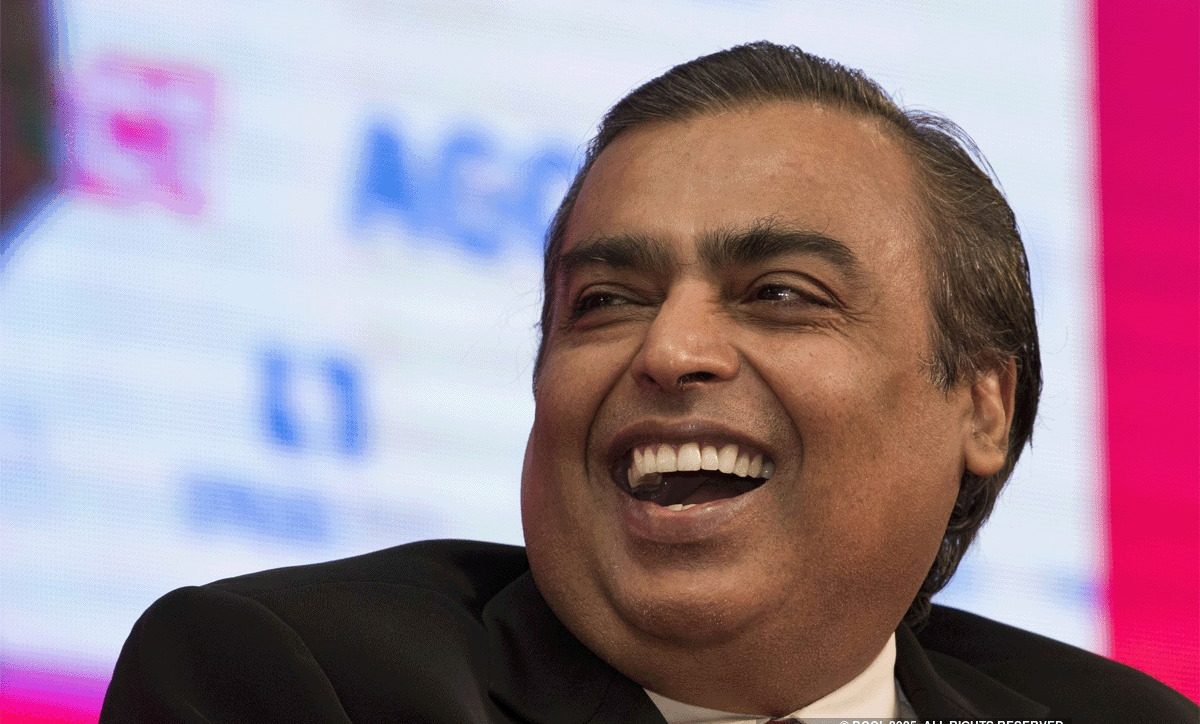
Mukesh Ambani (Photo: Twitter)
They have made long-term decisions that many might have hesitated to take, yet these bold moves have paid off by encouraging sustainable growth and drawing international attention.
Their strategies speak volumes about their adaptability, discipline, and commitment to long-range impact. Each of them stands out for different reasons, but together they reflect how leadership, when paired with vision, can produce remarkable outcomes.
Let us take a closer look at five business leaders who continue to influence how industries in India function and evolve. Each one brings a unique approach to leadership, balancing profitability with responsibility, tradition with change, and local interest with global ambition.
1. Mukesh Ambani
As chairman and managing director of Reliance Industries Limited, Mukesh Ambani has played a vital part in reshaping how energy, telecom, and retail sectors operate.
Under his watch, Reliance evolved from an oil-refining business into a diversified conglomerate with deep interests in consumer services. His launch of Jio Infocomm disrupted the telecom space by introducing low-cost data services, which quickly expanded internet access to millions.
The impact of that decision can still be seen across the country as data consumption grew and digital services thrived. From banking apps to education platforms, the boost in connectivity laid the groundwork for a more digital economy. His focus on affordability changed customer expectations and forced competitors to adjust their pricing and service models.
In addition to telecom, Ambani has expanded operations into retail, creating one of the country’s most extensive networks of consumer outlets. His investment decisions have been driven by scale and reach, ensuring products and services touch every corner of the country. He remains committed to clean energy as well, investing heavily in green hydrogen, solar power, and battery production.
2. Natarajan Chandrasekaran
Since taking over as chairman of Tata Sons in 2017, Natarajan Chandrasekaran has been instrumental in redefining the group’s strategy with a sharp eye on technology and sustainability. Coming from a strong background in software services, he brought fresh thinking to a conglomerate known for its legacy businesses.
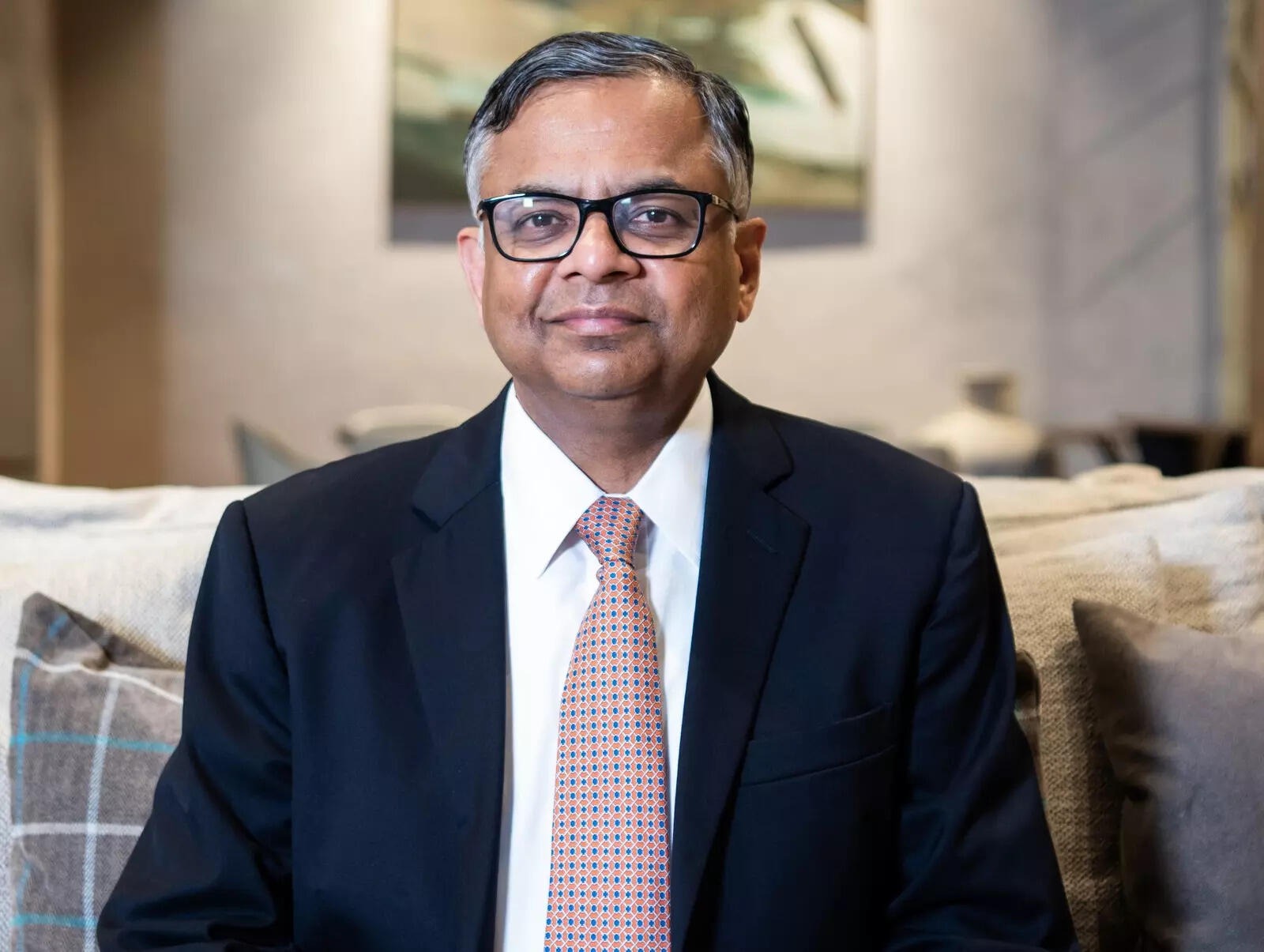
Natarajan Chandrasekaran (Photo: Getty Images)
Under his leadership, Tata has increased its stake in electric mobility, launching initiatives through Tata Motors and Tata Power. His approach centres on integrating various Tata companies to work toward common goals, such as cleaner energy and improved urban infrastructure. Rather than treating each entity as a standalone business, he has encouraged synergy across departments, strengthening the group as a whole.
One of his standout achievements includes bringing Air India back under Tata ownership and setting new expectations for service quality and international competitiveness.
He also pushed forward digital transformation efforts across Tata Consultancy Services, further increasing India’s influence in global software markets. Chandrasekaran’s disciplined methods and long-term mindset are reshaping the group’s role in modern industry.
3. Kiran Mazumdar-Shaw
As the executive chairperson of Biocon, Kiran Mazumdar-Shaw has built one of India’s leading biopharmaceutical companies. Her journey began with limited resources and no formal training in pharmaceuticals, yet she succeeded in establishing a business that now exports life-saving drugs to over 120 countries.
She focused on making healthcare more accessible by developing biosimilars and affordable insulin. Her leadership has helped bridge the gap between expensive patented medicines and the needs of patients in developing regions. She continues to invest in research and innovation, ensuring that India can offer both quality and cost-effective treatment options.
Beyond business, she has taken strong positions on ethics and public health policy. She promotes gender inclusion in science and entrepreneurship and supports mentorship programmes for young women. Her impact can be felt beyond boardrooms, extending into hospitals, universities, and policy circles.
4. Gautam Adani
Gautam Adani, the founder and chairman of the Adani Group, has grown his enterprise into one of India’s most powerful conglomerates through aggressive investments in ports, logistics, power generation, and infrastructure.
Starting from a modest trading firm, he expanded into sectors where few others dared to go, often placing large bets on projects that required serious capital and long-term patience.
His infrastructure projects, especially in ports and renewable energy, have played a major part in boosting connectivity and trade. Adani Ports now manages a remarkable share of India’s maritime trade, while his solar projects contribute to India’s transition to cleaner energy sources.
His firm’s rapid expansion has been both admired and scrutinised, but there is no denying that his projects have generated employment and reshaped how goods move across the country.
By partnering with state governments and investing in strategic assets, he has created networks that link remote areas with major commercial hubs. His influence stretches beyond Indian shores, with the group owning assets in countries like Australia and Israel. Adani’s focus on scale and speed continues to redefine how infrastructure projects are planned and delivered.
5. Sundar Pichai
Although he is better known as the CEO of Alphabet Inc., the parent company of Google, Sundar Pichai’s connection to India and his efforts to support Indian innovation remain strong. Born and raised in Tamil Nadu, he rose through Google by working on core products such as Chrome and Android before becoming CEO.
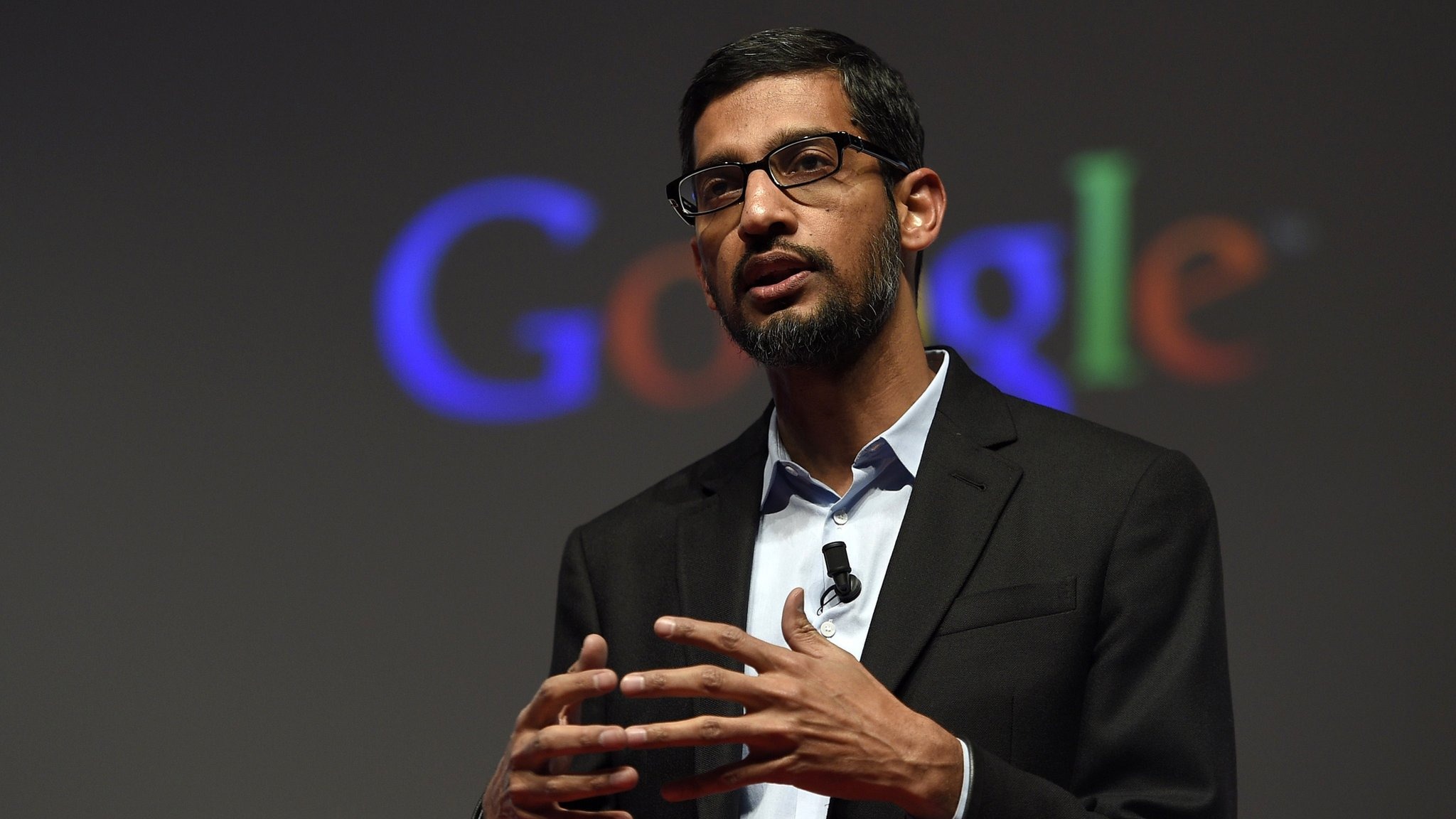
Sundar Pichai (Photo: Shutterstock)
He has played a vital role in making digital tools more user-friendly and accessible for people worldwide. In India, his push for digital literacy and his support for vernacular languages on platforms like YouTube and Google Search have widened access to technology. His initiatives have also encouraged small businesses to embrace online operations.
Google has invested in India’s tech ecosystem under his leadership, offering support to startups, digital education, and AI research centres. Pichai often speaks about inclusive technology and has committed funding to help bridge the digital divide. While his career has been rooted in Silicon Valley, his consistent attention to India’s digital progress demonstrates a deep connection to his roots.
The Influence They Continue to Hold
Each of these individuals has followed a distinct path, yet their influence over corporate strategy and development has been far-reaching. Their decisions often determine the direction of entire industries. Through innovation, risk-taking, and commitment to progress, they have each shaped modern expectations of what business leadership means.
Their stories reflect how much can be achieved when ambition is matched with action. Whether it’s expanding internet access, improving healthcare, or modernising transport networks, their work impacts everyday life. Some lead from within India, while others maintain global offices, yet their ties to Indian progress remain strong.
What stands out among them is their ability to think ahead. They do not merely follow trends but set them through bold decisions and disciplined execution. Even when industries resist change, these leaders press forward by focusing on outcomes that go beyond short-term profits.
Their continued involvement in sectors ranging from digital services to green energy means they will likely remain central to the country’s business scene for many years. Their success has inspired a generation of younger professionals who now see entrepreneurship and innovation as realistic career paths.
As policies change and global conditions become more unpredictable, the leadership of people like Ambani, Chandrasekaran, Mazumdar-Shaw, Adani, and Pichai will continue to act as stabilising forces.
They have already proven that with the right vision and execution, it is possible to build companies that are both profitable and socially conscious. Each of them serves as a reference point for what can be achieved through discipline, focus, and strong values.
Their legacies are still being written, but the foundations they’ve laid are already helping shape economic and social progress in ways that reach far beyond boardrooms and quarterly reports.