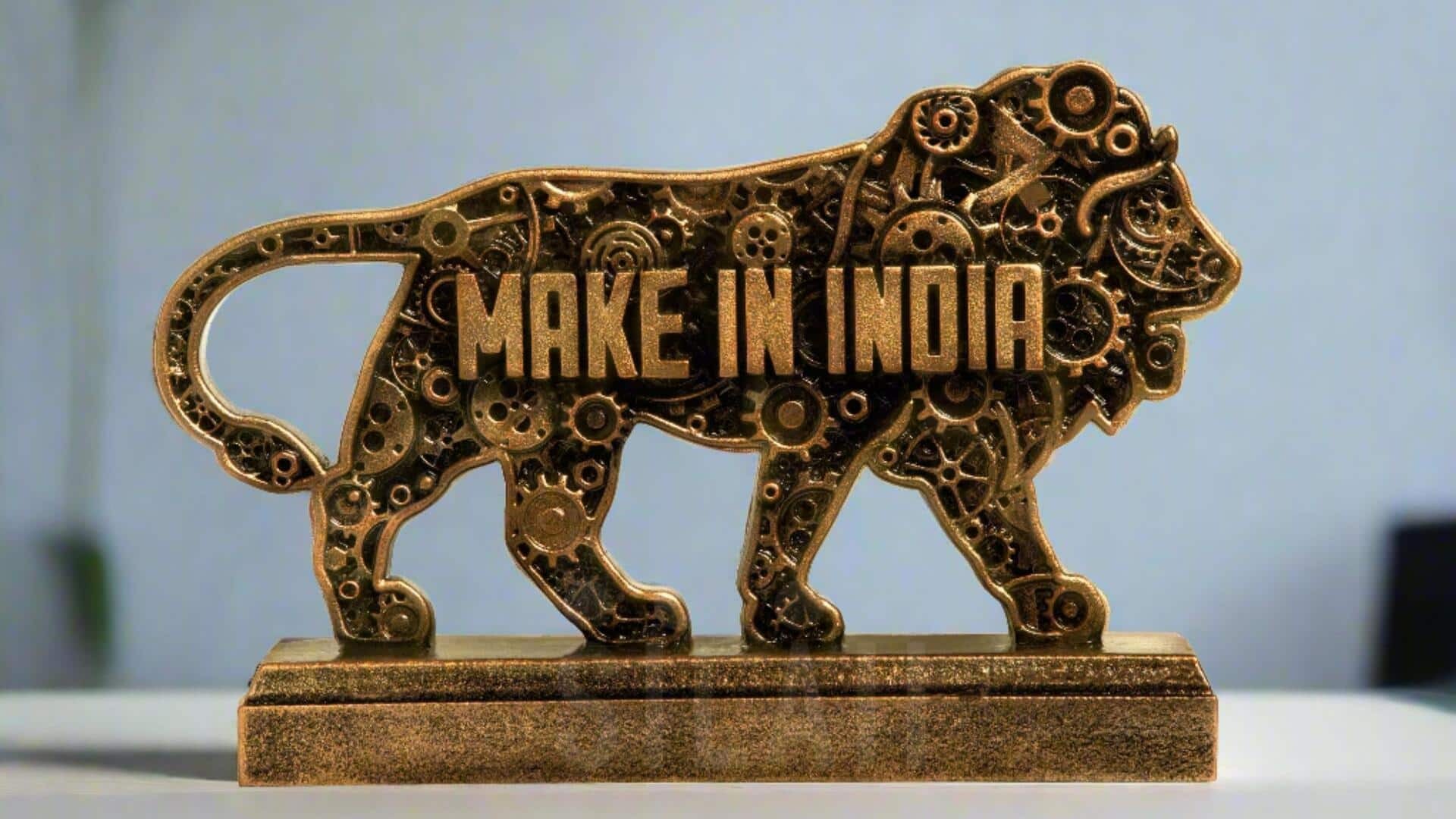
The launch of Make in India brought about a fresh direction for industrial production and attracted renewed attention from global and local investors. Introduced by Prime Minister Narendra Modi’s administration in September 2014, the initiative aimed to encourage companies to produce their goods within the country’s borders instead of relying heavily on imports.
This approach was structured to strengthen domestic industries and reduce foreign dependency. By offering incentives, policy reforms, and infrastructural development, the government placed manufacturing at the centre of economic development.
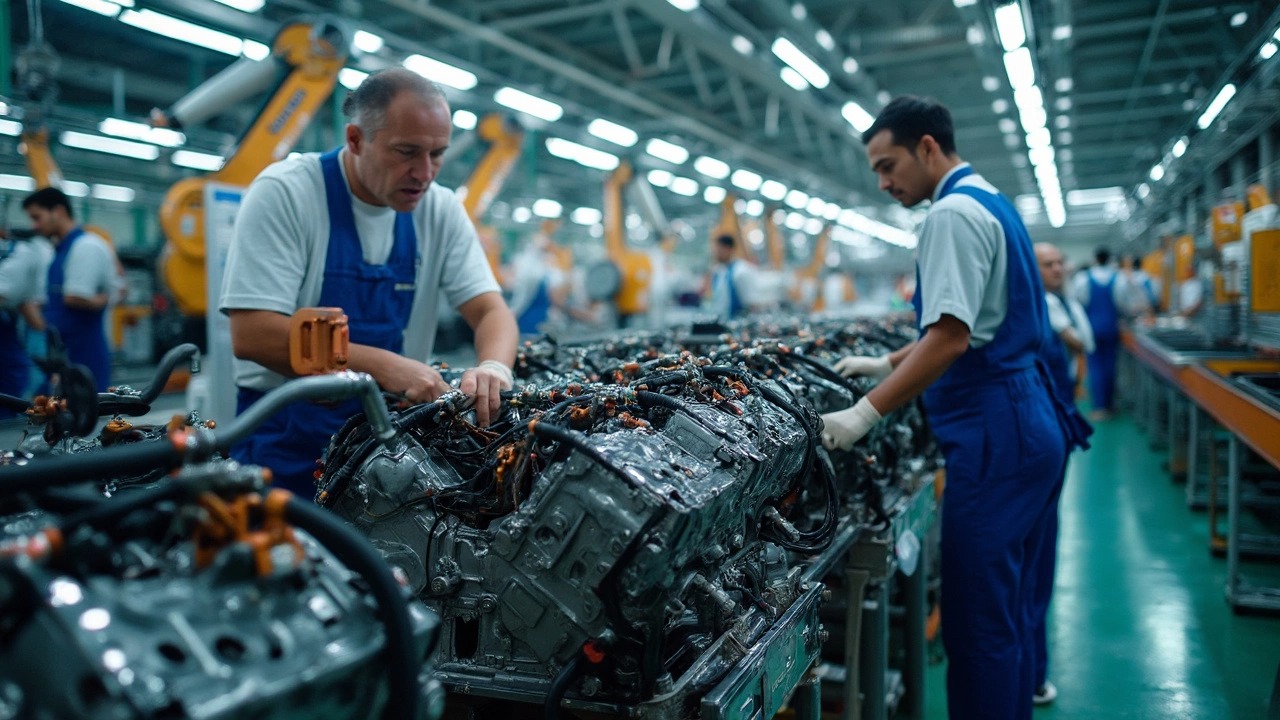
Workers assemble auto parts inside a new factory in Maharashtra (Photo: Alamy)
The initiative focused on improving the ease of doing business, encouraging foreign direct investment, and boosting the confidence of entrepreneurs within the country. Various sectors were included under its framework, including automobiles, textiles, electronics, and pharmaceuticals.
The campaign came with a clear message: India should become a global manufacturing hub. From tax relief to streamlined approval processes, every measure was meant to improve production output while creating employment opportunities.
Several measures contributed to the success of this effort, such as skill development programmes and digital infrastructure projects. As these steps were implemented, industrial corridors and smart cities began to emerge.
Power supply was stabilised and logistics networks were strengthened, all in support of a stronger industrial foundation. Local companies expanded their capacity and international brands began setting up facilities in different parts of the country.
Improvement in Investment Climate
One of the most visible changes came in the area of investment. The authorities made it easier for companies to acquire permits, set up factories, and begin operations.
Through regulatory reforms, foreign investors found it less difficult to enter the market. Sectors that were previously closed or restricted to foreign ownership became more accessible. Automatic approval routes were extended to more industries, and limits on foreign shareholding were relaxed in main areas.
Laws relating to bankruptcy, taxation, and labour were reviewed and updated to suit modern business expectations. As a result, several multinational corporations chose to invest capital in production units, thereby improving the country’s standing in global supply chains.
Ease of Doing Business rankings improved steadily, showing the outcome of consistent policy efforts. More jobs were created, and industrial output increased across multiple regions.
Apart from welcoming foreign investors, local entrepreneurs were also encouraged through schemes like Startup India and the introduction of the Goods and Services Tax.
This single tax framework reduced compliance burdens and allowed businesses to focus more on production than paperwork. Combined with infrastructure upgrades, these policy moves opened up new avenues for both small-scale and large enterprises.
Development of Important Manufacturing Sectors
The automobile sector benefited greatly from the initiative. Global brands like Kia, Hyundai, and Suzuki expanded their facilities and began sourcing parts domestically. These investments boosted local component makers and created opportunities for thousands of workers.
India also started exporting a wider range of vehicles to different continents. Manufacturing clusters grew in areas like Tamil Nadu, Maharashtra, and Gujarat, transforming them into industrial powerhouses.
Electronics manufacturing also showed strong progress. Mobile phone assembly plants increased in number, thanks to incentives and reduced import duties on components.
Companies like Samsung and Apple started production operations, which helped reduce reliance on foreign-made devices. In time, locally assembled phones began to meet domestic demand and even entered export markets.
The pharmaceutical industry maintained its status as a global supplier of generic drugs. With Make in India, new plants were established to produce raw materials and active pharmaceutical ingredients.
This reduced external dependence and improved the resilience of supply chains. Quality standards were also improved to meet international regulations, which allowed Indian products to reach more markets overseas.
Impact on Employment and Skill Development
Manufacturing is a labour-intensive sector and offers employment across various skill levels. Make in India helped generate work in both rural and urban areas.
From technicians in assembly plants to engineers designing factory layouts, more people found opportunities to participate in industrial growth. The rise in employment also brought secondary benefits such as improved income levels, better access to healthcare, and education in certain regions.
To match industrial needs, the government introduced several skill development programmes. These were designed to train the youth in fields such as electronics repair, machinery maintenance, and automated systems. Special training centres were built, and existing institutions received updated equipment. Certification processes were also strengthened to improve employability.
The National Skill Development Corporation played a vital role by working with the private sector to identify areas with high employment potential. Courses were aligned with industry standards, ensuring that graduates were job-ready. Over time, the labour force became more specialised and was better able to meet the needs of large manufacturing projects.
Growth of Infrastructure Supporting Industry
An essential part of Make in India was the development of infrastructure that could support large-scale production. Several industrial corridors were planned and executed, connecting production centres with ports, airports, and rail networks. These corridors helped reduce transport costs and improved delivery timelines, which are essential for businesses relying on just-in-time supply chains.
The creation of smart cities added another dimension. These urban zones offered modern facilities, uninterrupted power supply, and efficient waste management systems.
By housing both factories and residential areas, these cities reduced commute times and helped maintain a steady workforce. Investors found these locations attractive for setting up long-term operations.
Improved internet connectivity and digitisation also played a major part. Digital platforms were created for business registrations, approvals, and compliance filings. This made processes faster and more transparent, thereby reducing opportunities for corruption. Manufacturers could spend less time on bureaucracy and more on core operations.
Challenges and the Way Forward
While progress has been made, several challenges remain. Land acquisition continues to be a major hurdle in many parts of the country. Delays caused by legal disputes or protests can slow down industrial projects. Environmental concerns also require careful consideration, as industrial expansion must be balanced with sustainability.
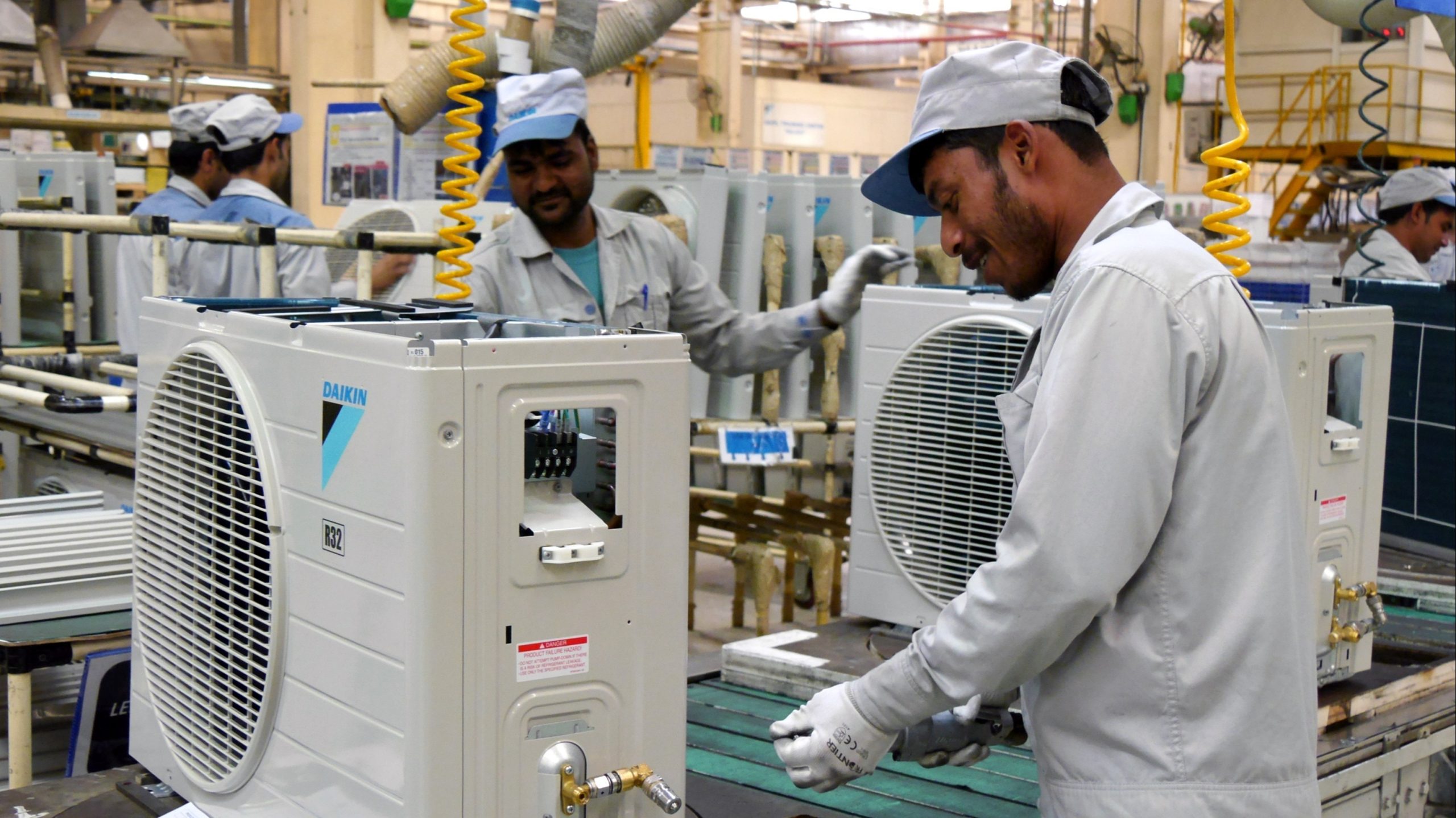
Technicians inspect machinery at a foreign-owned electronics plant (Photo: Getty Images)
Logistics costs in India are still higher than in many competing nations. Despite improvements in road and rail networks, bottlenecks exist in ports and customs clearance. These issues need constant monitoring and further investment to stay competitive in the global market.
Another concern is the uneven distribution of growth. Some regions have become industrial hubs while others lag behind. A more balanced approach is necessary to prevent regional disparities. The government has started promoting investments in less developed states by offering special packages, but more consistent efforts are required.
As global supply chains become more dynamic, the country needs to keep adapting to changing demands. Manufacturing units must adopt automation, use cleaner energy, and integrate digital technologies. Policies will need to remain flexible while continuing to support both large and small producers.
Broadening the Impact Across the Economy
The success of Make in India has extended beyond factories. Ancillary industries such as packaging, transport, warehousing, and security services have all seen increased demand.
This ripple effect has contributed to broader economic activity. In addition, local suppliers and subcontractors have gained business from larger companies, strengthening the entire production network.
Education institutions have also shifted their focus. Many technical colleges now offer specialised courses linked directly to manufacturing careers. This change in academic planning has helped close the gap between theoretical knowledge and practical industry requirements.
The consumer market has also changed. As domestic products became more available and affordable, buying patterns among citizens shifted. Locally made goods now enjoy better acceptance and sometimes even preference over imported alternatives. This growing confidence in local quality supports the long-term goals of the campaign.
The results from Make in India show that a combination of thoughtful policy, strong infrastructure, and investment incentives can lead to meaningful industrial growth.
Although challenges remain, the direction set by this campaign has brought domestic production to the forefront and laid a foundation that can be expanded through continued effort.