The strength of a country’s economy is often tied to the resilience and contribution of its smaller business units. Across various sectors, micro, small, and medium enterprises (MSMEs) continue to serve as one of the most essential pillars supporting economic activity.
These businesses are found in manufacturing, services, retail, agriculture, and even export-oriented industries, where they make a visible impact through job creation and income generation. Their influence on financial inclusion, rural development, and industrial growth has proven difficult to ignore, especially in a country with a large population and diverse business environment.
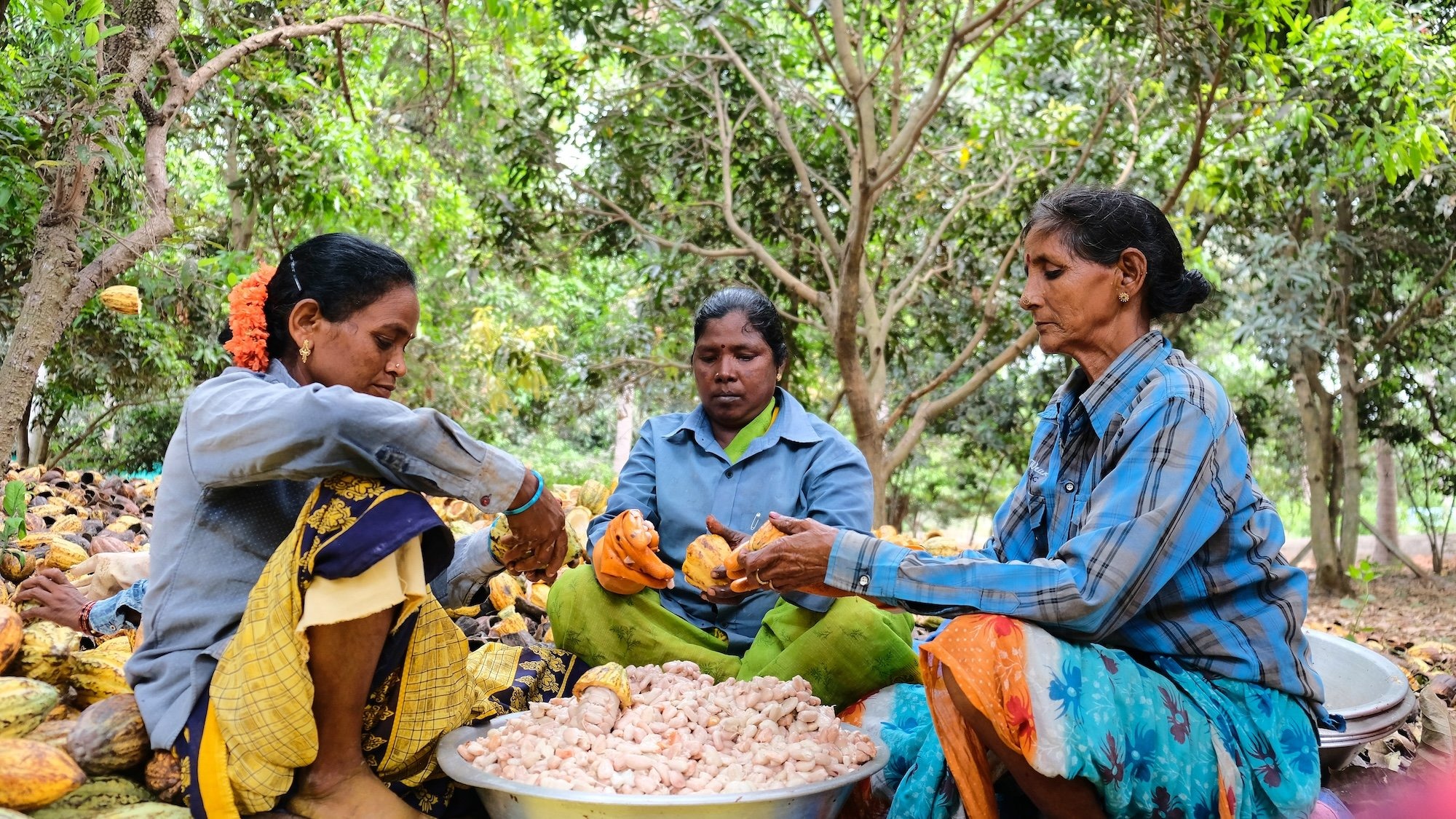
Women package homemade snacks for sale at a local fair (Photo: Alamy)
MSMEs serve as the main driver of industrialisation at the grassroots level, often with limited resources but with high levels of innovation and adaptability. These enterprises are responsible for supporting rural artisans, small manufacturers, and urban vendors who may not always have access to the formal economic structure.
As they function in both organised and unorganised sectors, their ability to absorb shocks and provide employment during uncertain periods becomes more apparent.
Several of these firms are owned by individuals or families, and while their size may appear modest, their combined output contributes impressively to the national economy.
Government policies over the years have acknowledged the importance of these enterprises. Financial institutions and policymakers have introduced multiple schemes to ease access to credit and reduce operational constraints.
From the perspective of employment generation, MSMEs have provided stable income for many people who would otherwise be left behind by large corporations or automated industries. These businesses also support inclusive growth, allowing different communities to participate in economic activity regardless of their location or capital strength.
Role in Employment Creation and Skills Development
MSMEs account for a high percentage of jobs across various sectors. As large organisations are often limited to urban centres, these smaller firms bring employment opportunities closer to the people in semi-urban and rural regions.
They take on roles that big corporations might ignore due to lack of scale or profitability. Whether in textile production, food processing, leather goods, or construction materials, MSMEs offer hands-on training and practical knowledge to new workers.
Beyond just jobs, they serve as informal training centres, where workers gain on-the-job skills that remain relevant for life. In many cases, youths who may not have formal education learn trades and vocational skills that position them for self-employment in the future.
Women are also well represented in this sector, especially in cottage industries, local retail businesses, and agricultural processing units. This balance helps reduce gender disparity and provides a sense of ownership and pride within communities.
Contribution to Exports and Manufacturing
Although they may not operate on the same scale as multinational companies, MSMEs often serve as suppliers and subcontractors for large export houses.
Many produce specialised items like handicrafts, garments, machinery parts, and consumer goods that are sent abroad. Their output contributes to foreign exchange earnings and enhances the country’s trade balance.
In the manufacturing space, they bridge the gap between local demand and the large factories that are focused on mass production. MSMEs provide flexibility in production, allowing for customised items and quick adjustments to market needs.
Their small size gives them an edge in situations where large factories cannot afford to stop production or alter their systems. Over time, their activities encourage the spread of industrial growth to new areas that were previously underdeveloped.
Ease of Innovation and Adaptability
These enterprises show high levels of creativity and often build solutions based on local needs. While they may not have access to advanced laboratories or major research budgets, MSMEs rely heavily on experience, practical knowledge, and day-to-day customer feedback to improve their offerings. Whether through handmade products, digital services, or low-cost machinery, their innovations are practical and focused on efficiency.
Adapting to changing customer preferences, economic conditions, or supply chain disruptions is easier for smaller firms. Their limited structure allows them to respond quickly, which has become more important in recent times.
For instance, during health emergencies or periods of lockdown, several MSMEs quickly switched to making essential supplies like masks, sanitisers, and protective gear, even when larger companies were still restructuring.
Importance in Promoting Balanced Regional Growth
Economic development tends to be uneven, with urban centres often experiencing more progress than rural communities. MSMEs help reduce this imbalance by encouraging local entrepreneurship and decentralising growth. Since they do not require large capital investment or extensive infrastructure, they can be established in smaller towns and villages.
This has allowed local talent to be harnessed and prevented migration to cities, which often leads to overcrowding and increased pressure on urban services. When people are able to find meaningful work within their communities, it builds stronger local economies.
The presence of MSMEs also leads to the development of supporting industries like logistics, packaging, and marketing, which further enhance income generation in such areas.
Challenges Faced by MSMEs and the Way Forward
Despite their contributions, many MSMEs face difficulties that limit their potential. Access to affordable credit continues to be one of the major constraints.
Although several schemes have been launched by financial institutions, smaller businesses often struggle with documentation, collateral requirements, and high interest rates. This financial stress can prevent them from expanding or even surviving during low-demand periods.
Compliance with taxation, labour laws, and environmental standards can also be difficult, especially for firms that operate informally or lack technical knowledge. Digital transformation remains another challenge, as many MSMEs are yet to fully embrace online platforms for sales, marketing, and customer engagement. Bridging this gap is important, especially with the growth of digital commerce and changing consumer behaviour.
Training and upskilling of workers must also be improved. While many workers gain informal knowledge through experience, formal training can help raise productivity and improve product quality. Better access to market information, trade fairs, and technology will allow MSMEs to compete more effectively, both domestically and internationally.
Government Support and Institutional Backing
There have been several government initiatives designed to support MSMEs through credit facilities, infrastructure development, and digital promotion. Schemes such as emergency credit lines, priority sector lending, and tax exemptions have aimed to reduce the pressure on these enterprises.
Additionally, government procurement policies now include a set percentage of goods and services to be sourced from MSMEs, giving them better access to stable contracts.
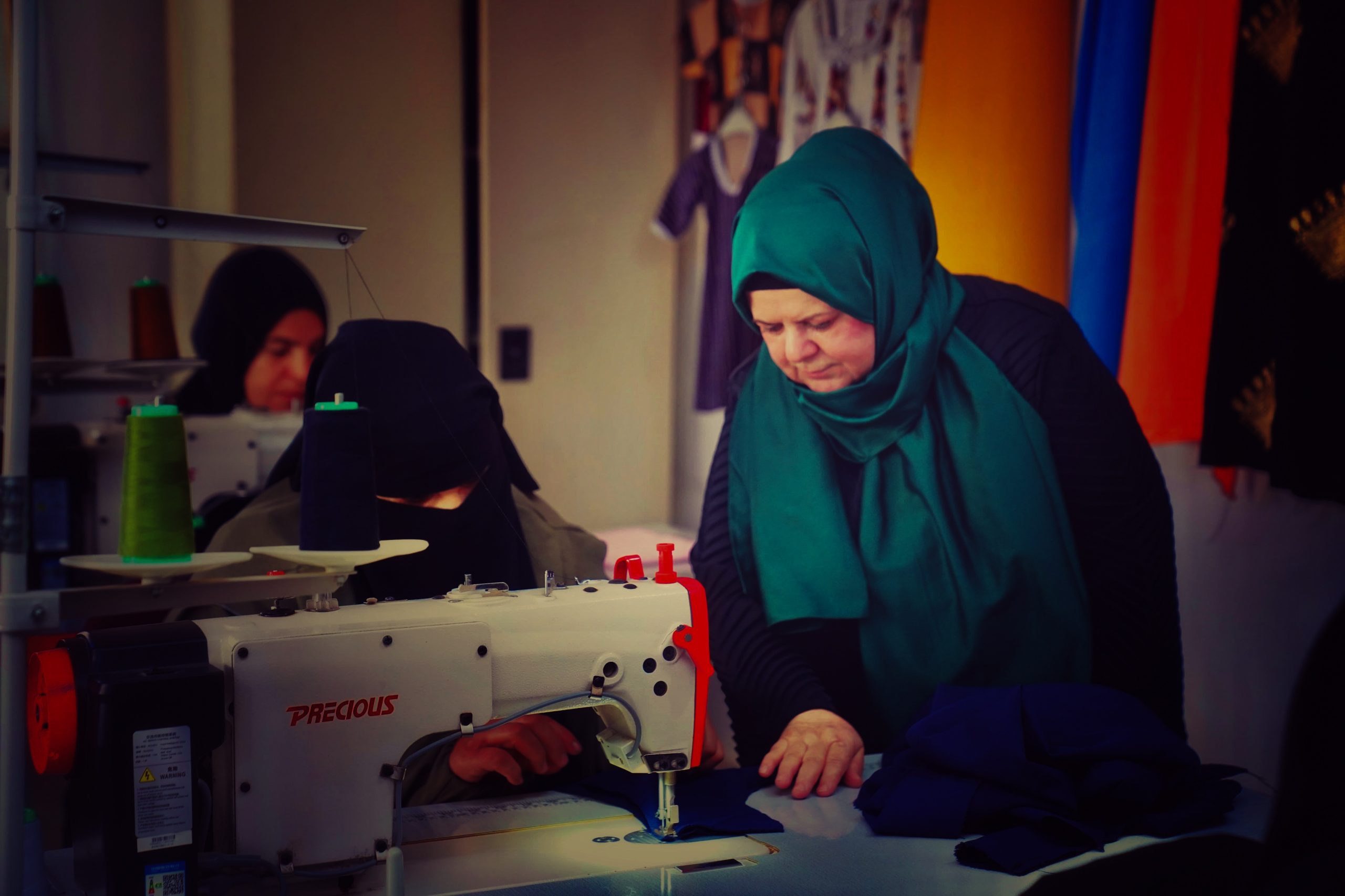
Tailor teaches apprentices how to operate sewing machines in a cramped studio (Photo: Twitter)
State-level initiatives have also encouraged entrepreneurship by setting up incubation centres, industrial parks, and startup hubs. These facilities provide access to mentorship, basic facilities, and funding opportunities for small business owners who are just starting out. Regular training programmes and workshops are also organised to enhance technical and managerial skills.
Digital initiatives like online business registration, e-marketplaces, and financial inclusion platforms are slowly improving transparency and trust in this sector. Although adoption levels vary, the direction of policy is gradually aligning with the needs of small business owners. With continued effort, these policies are expected to yield long-term results that boost productivity and resilience.
Role in Building a Self-Reliant Economy
Encouraging local manufacturing and reducing dependence on imports has become more urgent in recent times. MSMEs play a major part in producing goods that were previously sourced from outside the country.
This has helped reduce trade deficits and improved local sourcing of materials. These businesses also support large firms by serving as part of their supply chain, offering flexibility and cost-effectiveness.
When more products are made locally, jobs are preserved, skills are retained, and the value of domestic production increases. Consumers also benefit from lower costs and better access to products suited to local conditions. Over time, this change supports sustainable economic growth, where multiple layers of the economy work together to meet national goals.
The promotion of small-scale industries also encourages a culture of ownership and responsibility, especially among younger entrepreneurs. Instead of waiting for employment in established firms, more people now seek to create their own businesses. This mindset change is healthy for any economy that wants to remain stable in the long term.
For MSMEs to continue playing their role effectively, more attention must be given to reducing barriers and supporting long-term growth. Encouraging partnerships between small and large firms, improving digital literacy, and investing in rural infrastructure will go a long way. With improved access to finance, technology, and markets, these enterprises can grow beyond their current scale and contribute even more to national prosperity.
Efforts from both public and private sectors are needed to strengthen this part of the economy. By making room for innovation, local talent, and diverse business ideas, MSMEs will remain a central force behind job creation, inclusive development, and industrial growth. The results of these efforts are already visible and, with steady commitment, will continue to yield benefits for future generations.