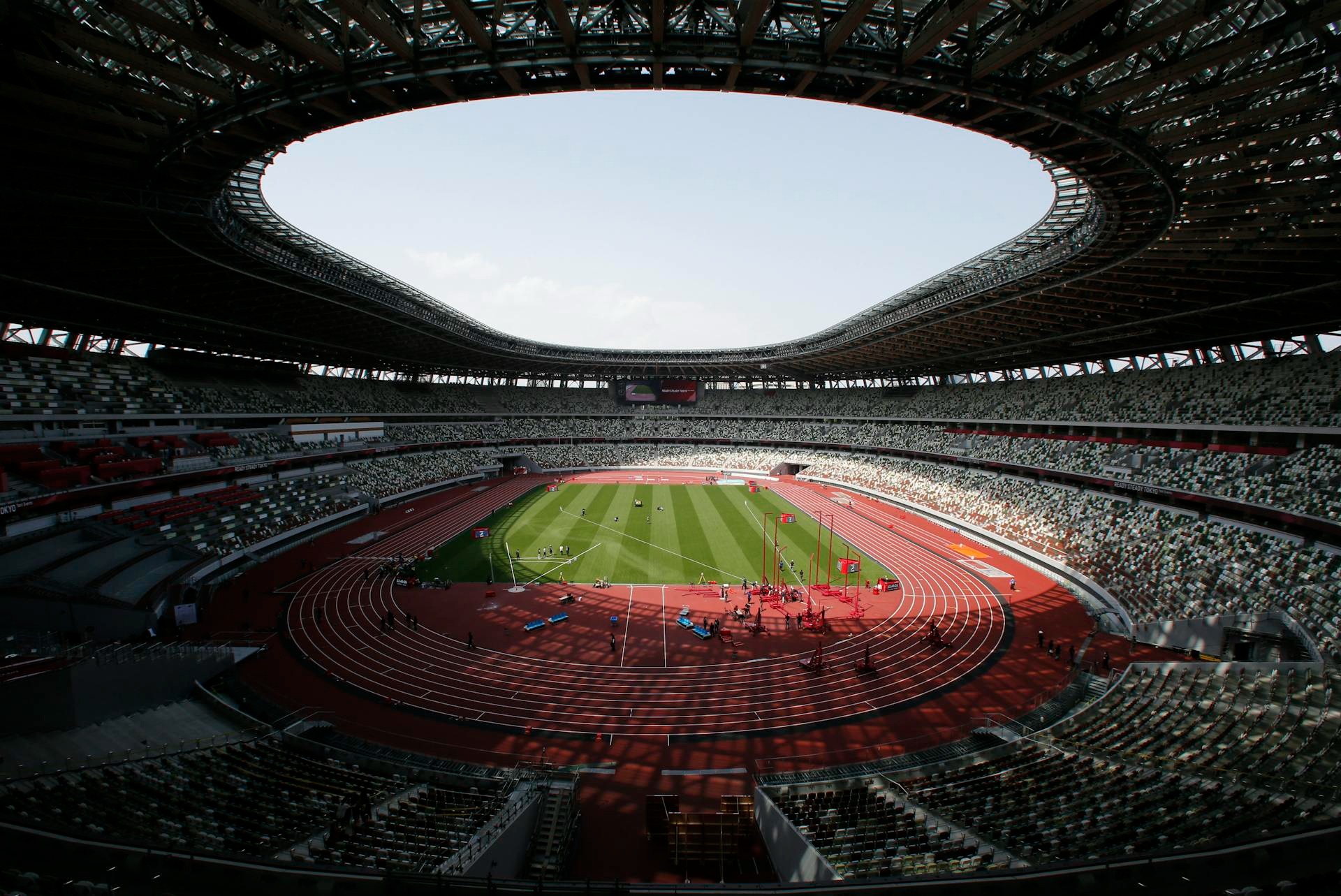
Sport has turned into a booming commercial enterprise across many regions of South Asia, and one of the most active locations in this regard is the Indian subcontinent.
Over the past two decades, the growth in revenue generation, fan involvement, media rights, sponsorship, and franchising models has transformed sporting activities into a business opportunity with serious financial influence.
While cricket has long been the most watched sport in the region, there has been a rise in league-based formats covering various sports, each offering different ways for investors, broadcasters, and corporate bodies to benefit.
The sports market in this part of the world has matured quickly. Brands are using the popularity of athletes to push their products. The strong support from media partners and the introduction of newer tournaments have pushed earnings upwards for both organisers and athletes.

Team jerseys now carry more logos than a racing car (Photo: Alamy)
As teams are becoming private business units and brands continue to seek visibility, a steady system of sponsorship and broadcasting deals is helping the entire industry grow.
Growing Business Through Cricket Leagues
Among all sports, cricket enjoys the most recognition. The Indian Premier League (IPL) became a game-changer from the moment it was launched in 2008. Designed as a franchise-based Twenty20 tournament, the IPL mixes entertainment and sports in a way that attracts television ratings and ticket sales in large numbers.
Each team is owned by a private organisation or a group of business figures, and they operate like corporate outfits that handle branding, marketing, and talent management.
Revenue comes from many angles. From broadcasting deals worth billions of rupees to jersey sponsorships, ticketing, merchandise, and social media presence, IPL franchises have become valuable assets.
The bidding process for media rights reflects the level of commercial interest. For example, recent broadcasting packages attracted huge financial deals both for digital and television platforms. Teams now depend less on gate collections and more on brand partnerships, streaming audiences, and licensing agreements.
Football’s Steady Rise With ISL
Football has received a new form of interest through the Indian Super League (ISL), launched in 2014. Unlike traditional football tournaments in India, the ISL follows a franchise-based model and has the backing of large corporate investors and footballing legends from around the world. Although it is still far from reaching the popularity level of European leagues, ISL has brought structure and commercial viability to Indian football.
Revenue channels for ISL franchises mirror the IPL model to an extent. There are broadcasting partnerships, team ownership by companies with long-term business interests, and promotional activities surrounding club branding.
Local players are gaining more public attention, and foreign recruits bring additional appeal. The involvement of well-known international names has helped bring in more sponsors and better television contracts.
The Role of Media and Broadcasting Rights
One of the major driving forces behind the commercial value of sports leagues in this market has been broadcasting rights. Once a league establishes an active following, broadcasters enter bidding contests to obtain exclusive rights. These rights are divided between traditional TV channels and digital platforms, with both working aggressively to secure streaming access.
Media houses see this as a profitable investment because sports attract consistent viewership. The scheduling of matches during peak hours helps ensure higher audience numbers.
Advertising slots during these games are sold at premium rates, adding to the financial strength of the broadcasters. As leagues expand in popularity, the cost of media rights keeps increasing, giving organisers and teams a dependable revenue base.
The Influence of Franchising and Private Ownership
Franchise ownership has played a large role in shaping the way sports business operates in this territory. Entrepreneurs and corporate bodies see league franchises as assets that can grow in value over time. Many owners treat these teams as extensions of their business strategy, investing heavily in marketing, fan engagement, and infrastructure development.
For instance, team owners often invest in training academies, merchandise lines, and brand endorsements to ensure long-term visibility. Fan loyalty is nurtured through digital interaction, city-based branding, and community outreach.
This approach helps attract and retain sponsors, while also making it easier to secure long-term partnerships. Each team functions with a management unit similar to that of a business organisation, complete with financial targets and promotional goals.
Multi-Sport Leagues and Their Business Models
While cricket and football dominate the mainstream, other sports are also adopting league-based formats to tap into commercial opportunities. The Pro Kabaddi League (PKL) brought fresh attention to a sport rooted in rural India. With corporate sponsorship and a professional presentation style, kabaddi has become an option for advertisers seeking to connect with wider audiences.
Similarly, leagues for badminton, wrestling, and volleyball have begun to take shape. These tournaments may not yet have the global appeal of cricket or football, but they offer space for regional development and commercial experimentation.
Sponsors, especially those focused on domestic audiences, see these platforms as a chance to associate with growing sports and link their brands with values like teamwork, endurance, and performance.
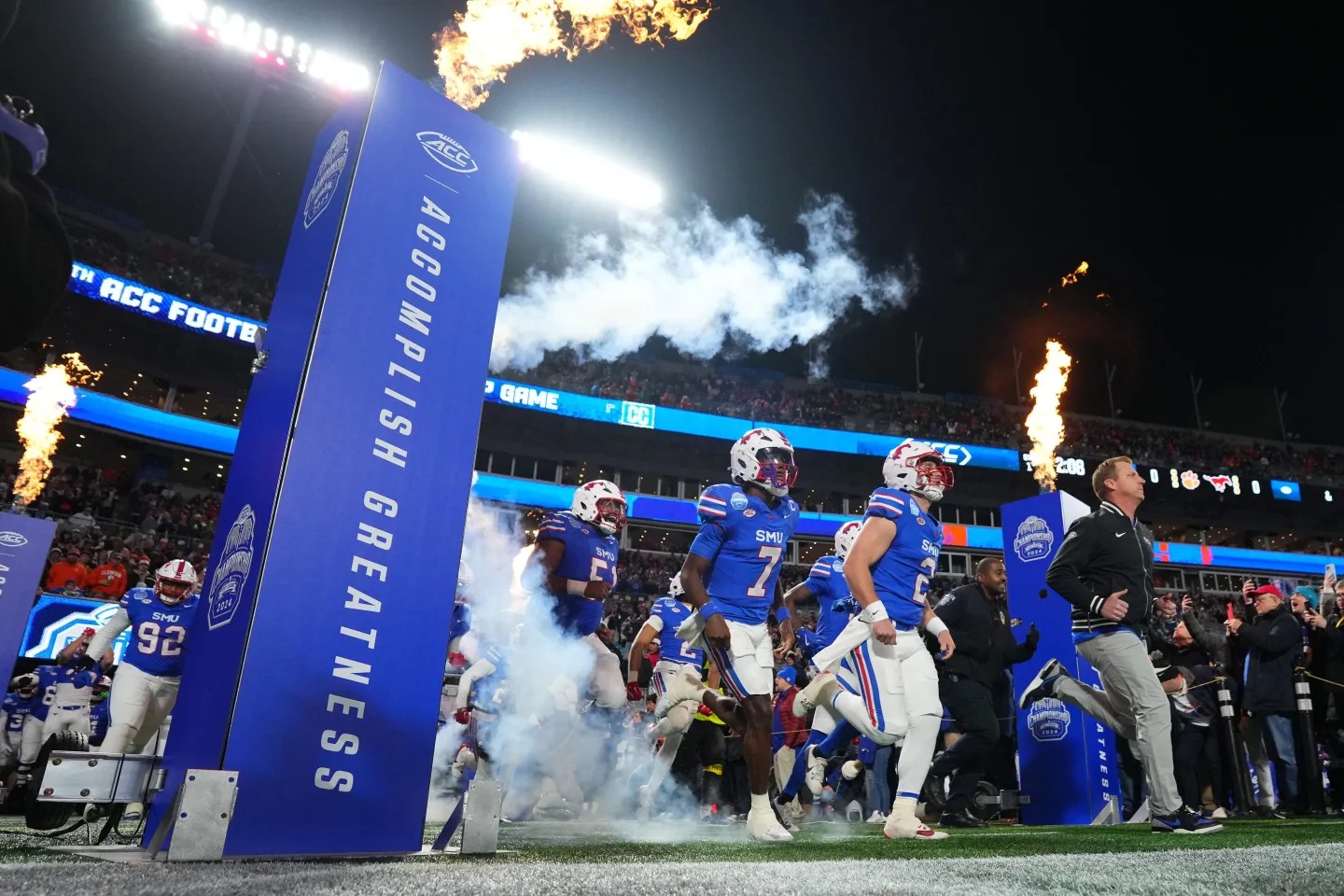
Auction nights turn athletes into million-dollar investments (Photo: Pexels)
Sponsorship and Brand Partnerships
Sponsorship deals play a large role in sports business. Most leagues have a title sponsor along with several secondary sponsors who contribute to the financial strength of the league and the teams.
These partnerships are built on mutual benefit. Sponsors get brand visibility across jerseys, advertisements, and digital media, while the leagues secure the financial backing required for logistics, player salaries, and operations.
Brands choose to associate with sports leagues because the fan following offers regular exposure. Strategic advertising placements on player uniforms, digital content, matchday programs, and stadium signage increase brand recall.
In recent years, startups and tech firms have joined established FMCG companies in seeking these sponsorship opportunities, showing the wide business appeal of such engagements.
Impact on Employment and Local Economies
One of the less discussed but vital aspects of these leagues is the number of jobs and business opportunities they create. From stadium staff and event managers to digital marketers and merchandise sellers, many sectors benefit from the success of these sporting events. Local vendors near match venues, content creators focusing on fan reactions, and logistics providers all enjoy increased demand during active seasons.
In addition, cities hosting teams or league matches often see temporary boosts in tourism and hospitality income. Hotel bookings, restaurant sales, and transport services experience higher activity during tournaments. This effect is especially visible when matches take place in tier-two cities, where major events are rare.
Youth Development and Grassroots Investment
Franchise owners and league organisers have begun placing more attention on youth development. Creating academies, sponsoring school competitions, and hosting training programs for young talent help secure the future of the sport and also build a loyal base of future supporters. It’s a long-term approach that adds value beyond immediate returns.
This form of investment offers dual benefits. Talented individuals get access to better training and exposure, while the clubs themselves establish pipelines for scouting homegrown players. In many cases, this helps reduce the cost of player acquisition and boosts fan connection since supporters enjoy cheering for players from their regions.
Challenges That Remain
Despite the growth, there are several issues that require attention. Scheduling conflicts between different tournaments can affect attendance and television ratings.
Player workload is also a concern, especially in cricket, where top players are expected to represent national teams as well as club franchises. Managing these schedules without compromising performance continues to be a challenge.
Additionally, some leagues have struggled with sustaining interest beyond a few seasons. Without consistent marketing or high-quality broadcasting, lesser-known leagues may experience a drop in audience figures. There is also the need for proper financial regulation to avoid inflated spending or ownership issues that could damage the credibility of the tournaments.
Fan Engagement and Digital Growth
A major area of development has been digital interaction with viewers. Social media campaigns, fan contests, behind-the-scenes content, and fantasy leagues have brought viewers closer to the action. Many teams run their own apps and offer exclusive content to maintain year-round interest.
Technology has made it easier for viewers to follow their teams across multiple platforms. With live scores, highlights, post-match shows, and commentary available on mobile devices, viewership has extended beyond the traditional audience. Younger viewers especially have shown interest in digital offerings, making it a focus area for marketing teams.
The business direction of sports leagues in this region shows no sign of slowing down. With better planning, focus on audience experience, and continued media support, the commercial returns are likely to keep improving. As more private players enter the sector and viewers continue showing strong support, sports will remain a major part of entertainment and business growth.
Leagues that can adapt, manage operations effectively, and maintain high standards will attract continued sponsorship, better talent, and expanding fan bases. For both investors and sports lovers, the ongoing growth of these leagues offers something worth watching closely.