
Over the years, films produced from the subcontinent have become more than just a form of entertainment. While audiences gather to enjoy stories on the big screen, many of these productions have quietly and consistently taken on the responsibility of addressing social issues.
Whether through subtle suggestions or direct representation, these movies have shaped conversations about matters that affect everyday life. The influence of these stories has extended beyond cinema halls and into homes, classrooms, and public debates.
Filmmakers have increasingly embraced stories that challenge long-held beliefs, question unjust traditions, and bring hidden matters to light.
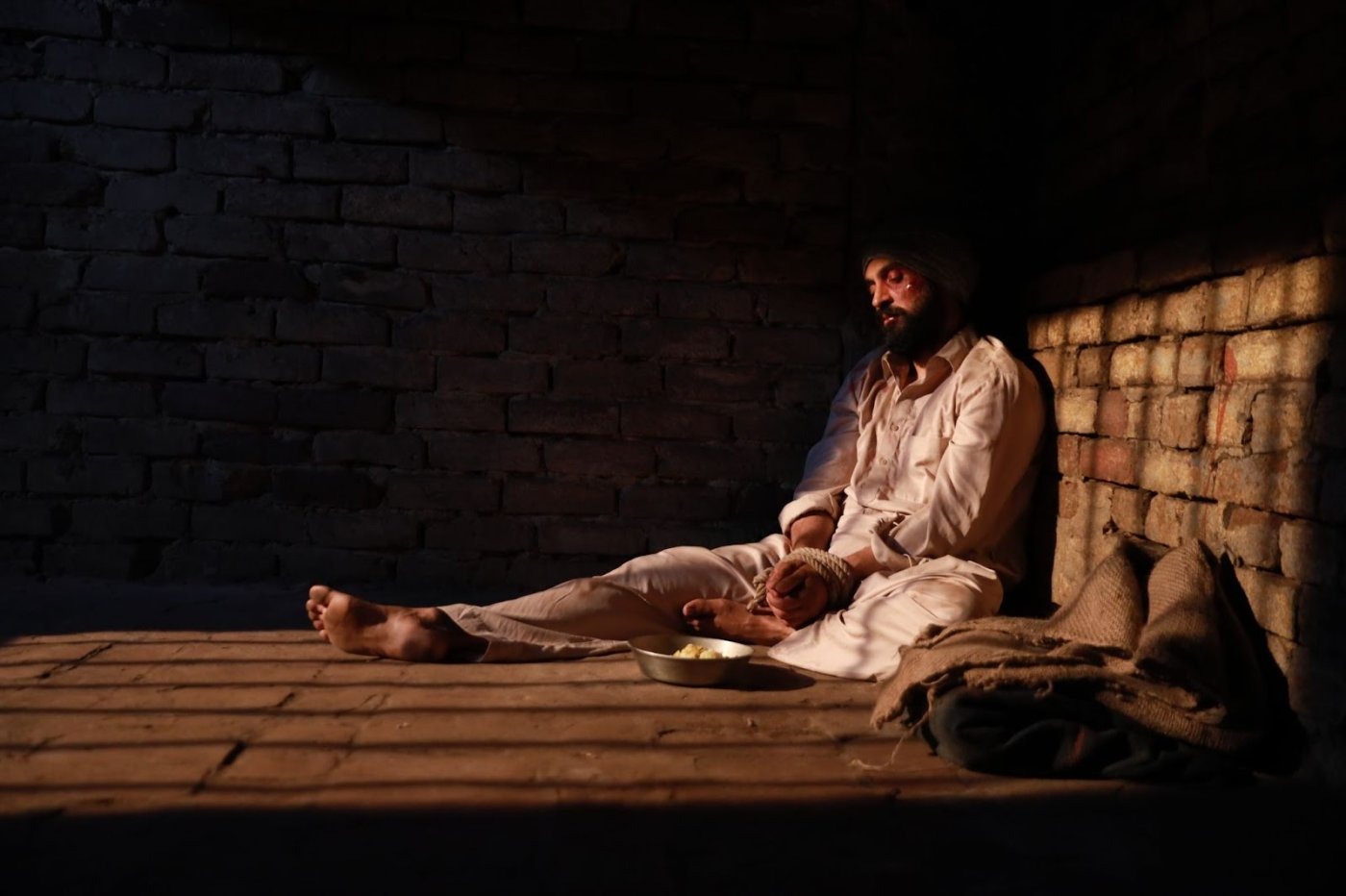
When film becomes more than fiction it sparks real conversations (Photo: Alamy)
By using familiar faces and relatable situations, the film industry has managed to reach people from all walks of life, including those who may not be exposed to academic discussions or policy reports. This wide reach has allowed certain messages to take root in communities where formal education or media access may be limited.
The use of emotion, dialogue, and visual storytelling has made it possible to address subjects that are often considered uncomfortable or taboo. Rather than ignore such concerns, many film producers have chosen to place them front and centre in the plots of their films. This method has sparked reflection and even behavioural change in some parts of the society.
Promoting Gender Equality and Women’s Empowerment
Films have played a major part in challenging traditional ideas about gender roles. Many stories in recent years have focused on the lives of women who fight for autonomy, respect, and equal opportunity. Characters have been created to represent women from both rural and urban areas, showing their daily struggles and how they rise above them.
Movies like these have helped many people understand the difficulties women face, including child marriage, dowry-related pressure, workplace harassment, and lack of educational access. These stories often portray women who refuse to accept societal pressure, who instead take charge of their destinies and inspire those around them.
Besides the characters themselves, the portrayal of women as central figures in these stories has helped challenge the long-held perception that female roles must be secondary or supportive.
With more actresses playing leading roles that depict strength, courage, and independence, viewers are being presented with more examples of what women can achieve when given the chance.
Questioning Caste-Based Discrimination
The treatment of caste in films has been a sensitive but necessary subject. Certain productions have chosen to depict the harsh realities faced by those born into lower caste communities. These stories often bring attention to unfair treatment, limited access to education, and social exclusion that many continue to experience.
Some films have focused on young characters who wish to break away from such discrimination and live life with dignity. These stories present a picture of hope, determination, and the will to push past barriers that were created centuries ago. By showing characters who overcome challenges placed before them due to their caste, films provide viewers with examples of strength and resistance.
Also, by including conversations about caste-based injustice in widely watched films, awareness spreads beyond academic circles and reaches people who may never have heard about such issues in detail. These films do not only educate; they also invite audiences to reflect on their own attitudes and ask whether these attitudes contribute to ongoing unfairness.
Raising Awareness About Mental Health
In recent times, some filmmakers have begun to focus on emotional wellbeing. These films have attempted to break the silence around mental health conditions such as anxiety, depression, and post-traumatic stress. By using relatable characters and realistic situations, the films help reduce the shame that often surrounds these matters.
People watching such films may begin to understand that mental health struggles are common and that seeking help is not a sign of weakness. This growing awareness has encouraged open conversations in many households and among groups of friends who may not have otherwise addressed such topics.
The role of storytelling in normalising therapy and emotional support has made a difference in how people respond to their own feelings. Rather than ignore or hide emotional struggles, more viewers now recognise the importance of treatment and self-care. These films are slowly shifting public thinking toward empathy and understanding.
Addressing Issues Faced by the LGBTQ+ Community
For many years, representation of LGBTQ+ individuals in film was either absent or highly misrepresented. However, the past decade has seen a noticeable change. Some filmmakers have taken deliberate steps to highlight the joys, struggles, and identities of LGBTQ+ characters with honesty and respect.
These stories often focus on love, acceptance, and the pain caused by discrimination or family rejection. Viewers are given a window into what it feels like to live in fear or be denied one’s rights based on sexual orientation or gender identity. Through storytelling, these productions promote respect and dignity for all people, regardless of their personal lives.
Characters who live freely, love openly, and demand equal treatment have become more common, allowing many viewers to rethink past prejudices. These portrayals contribute to broader acceptance and serve as support for those who may be going through similar experiences in silence.
Encouraging Civic Responsibility and Active Citizenship
Another area where films have left an impression is civic awareness. Some productions have inspired viewers to become more engaged in matters affecting their local communities. Issues like corruption, voter participation, police misconduct, and environmental concerns have been central themes in many scripts.
By following the journey of characters who speak out or take a stand, audiences are reminded of their own power to make change. These films show that speaking up against injustice or demanding fairness is not limited to politicians or journalists. Ordinary people can also play an active role in shaping the society they live in.
Such films often leave a lasting message: that every individual has a duty to contribute positively to the community. Whether it is by voting, protecting public resources, or standing up for a neighbour, these stories show how responsibility lies with everyone.
Promoting Educational Access and Youth Development
Several stories have shone a light on the obstacles faced by children and youth when it comes to getting an education. These films often feature students from poor backgrounds who must fight for their right to learn. Whether they are battling poverty, outdated beliefs, or poor infrastructure, these characters show the importance of persistence and hope.
Some stories focus on teachers who go the extra mile to support their students, even when the odds are against them. These portrayals celebrate the dedication of educators and also highlight the urgent need for policy change in the education sector.
By making these experiences visible to the public, the film industry draws attention to children who are denied the right to a future simply because they were born into poverty or discrimination. These stories push the message that every child deserves a fair chance.

Stories on screen are opening eyes and shifting mindsets across generations (Photo: Pexels)
Fighting Superstition and Harmful Traditional Practices
Certain productions have taken aim at beliefs and customs that cause harm. These may include practices like witch-hunting, animal sacrifice, or rituals that put people in danger. While some may view these as parts of tradition, the films raise questions about whether such actions should continue unchecked.
Characters are shown confronting these beliefs, often after witnessing their effects on loved ones. These plots tend to focus on reason, evidence, and compassion. Viewers are invited to reflect on whether tradition should remain untouched or be open to change for the sake of safety and wellbeing.
Films that take on these themes help start discussions that may not happen in public otherwise. By challenging certain customs, they contribute to a more informed society that values truth over fear.
Confronting Poverty and Social Injustice
It is not uncommon for filmmakers to set their stories in places affected by poverty. Through this lens, they show what life is like for people who struggle to feed their families or access clean water. These films often point out how unfair systems allow a few to live in comfort while many suffer.
Characters are crafted to represent farmers, street vendors, migrant workers, and others whose voices are rarely heard. Their experiences are shown with depth and detail, giving viewers a sense of what it means to live with daily hardship.
Rather than simply show pain, these stories also depict resilience. They remind audiences that those living in poverty are not helpless. They have strength, dignity, and the desire for better opportunities. The films encourage empathy and often push viewers to consider ways they can support fairness and justice in their own lives.
The Power of Consistent Storytelling
What makes all these efforts impactful is the continued commitment of filmmakers to keep addressing serious matters through their art. Even when commercial risks are involved, many still choose to tell stories that matter. Their work has built a reputation for making people think, question, and even change behaviour.
As more actors, directors, and writers join this movement, the impact of cinema on society continues to grow. These films become part of larger conversations in schools, offices, and homes. They influence public opinion and can even encourage lawmakers to act.
By consistently producing stories that reflect both struggles and solutions, the industry proves that entertainment and responsibility can go hand in hand. The strength of these productions lies in their ability to make people feel, remember, and care.